THE RISE OF PRINT AUTOMATION AND THE SHIFT TO SUPPLY CHAIN TRANSPARENCY

IMAGE CREDITS: KORNIT DIGITAL
Retail worldwide is evolving, and to survive many, if not all, businesses must now seek to re-define the inefficient business models of the past in order to remain relevant and profitable for the future.
Consumers demand sustainable supply, and as awareness grows, they are becoming acutely conscious of the products footprint and the potential harm that their purchases will impact on the planet.
A recent survey via Fashion Revolution stated that 62% of millennial consumers prefer to buy responsibly sourced goods. How they buy those goods is also set for huge reform:
Ecommerce continues to grow at a rapid pace, consumer loyalty is key to retaining and building brand reach, and to do so Social media has become the new shop window for retail. Whilst this in itself is an industry that demands infinite content, and engagement, the power of the data held in these social transactions is driving sustainable change.
Harnessing these vital metrics brings immense power to the supply chain.
AI and Data Collection generate increased transparency, offering a host of valuable insights for the retailer, who’s buyers, merchandisers and sales teams, now armed with accurate data for production forecasting and real-time trends, can manufacture to real-time demand.
Social media offers a vital connection to the consumer. In harness, both are proving to be a vital component in any winning supply chain proposition for both the high street brand and the online marketplace.
Data-driven customer insights are one of the main levers being used as automation re-invents the supply chain to improve the customer experience through greater efficiency and enhanced customer understanding.
Greater transparency within the supply chain relies on data, continuously gathered, from a broad spectrum of sources.
Regardless of source, from Instagram, to in-store engagement, these metrics gathered by hidden electronics, the IoT (internet of things) to radio tags, GPS data and other technologies that measure and track activity, each and every aspect of consumer behaviour is harnessed. E-commerce sales analysis, and the measurement of products viewed but not purchased is “gold dust” for modern retail.
The gathering of intelligent data to establish customer preferences is a vital component in determining the desired quantum of inventory required, and from this data, the production decisions to fulfil customer demand efficiently, in real-time, now determine customised production manufactured to consumer demand.
Efficient data-collection, AI (artificial Intelligence) enhanced by the speed of automated production is taking the guesswork out of manufacturing for retail.
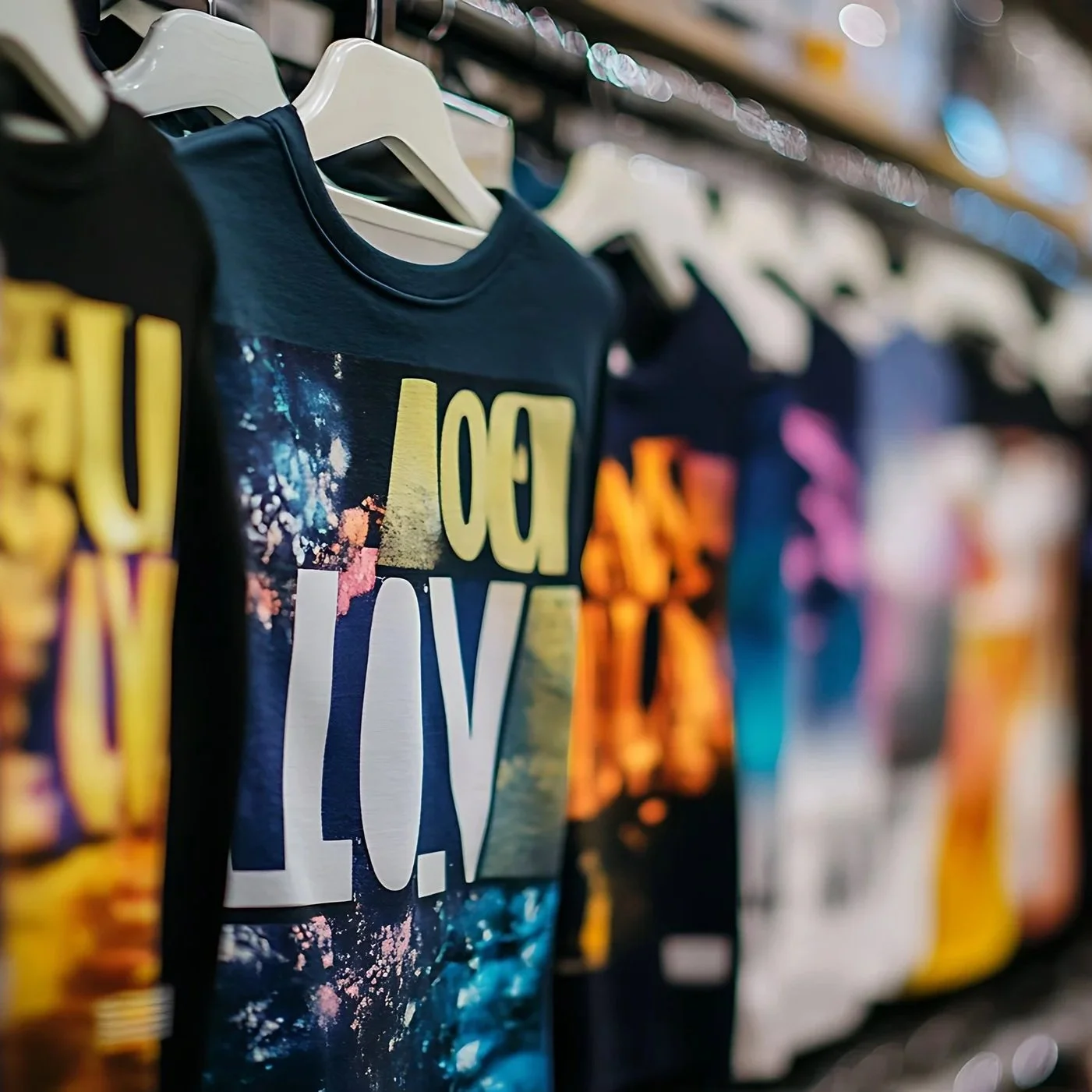
In fashion, customer decisions about colour, style, and size can be continuously updated and relayed through the supply chain. Only then will automated production take over to deliver the required stocks, often manufactured by store or distribution demographic.
Local production hubs speed up supply and demand, and in doing so reduce the carbon footprint of the stock. Working to such short timescales, demands acute automation, and electronic purchasing for manufacturing components triggered by data. The supply Chain therefore must be transparent, and connected digitally, to service the manufacture of stock products often with a time lag of only 10-14 days from concept to delivery, or for many businesses in 1-2 days for customised, unique items created to client specification.
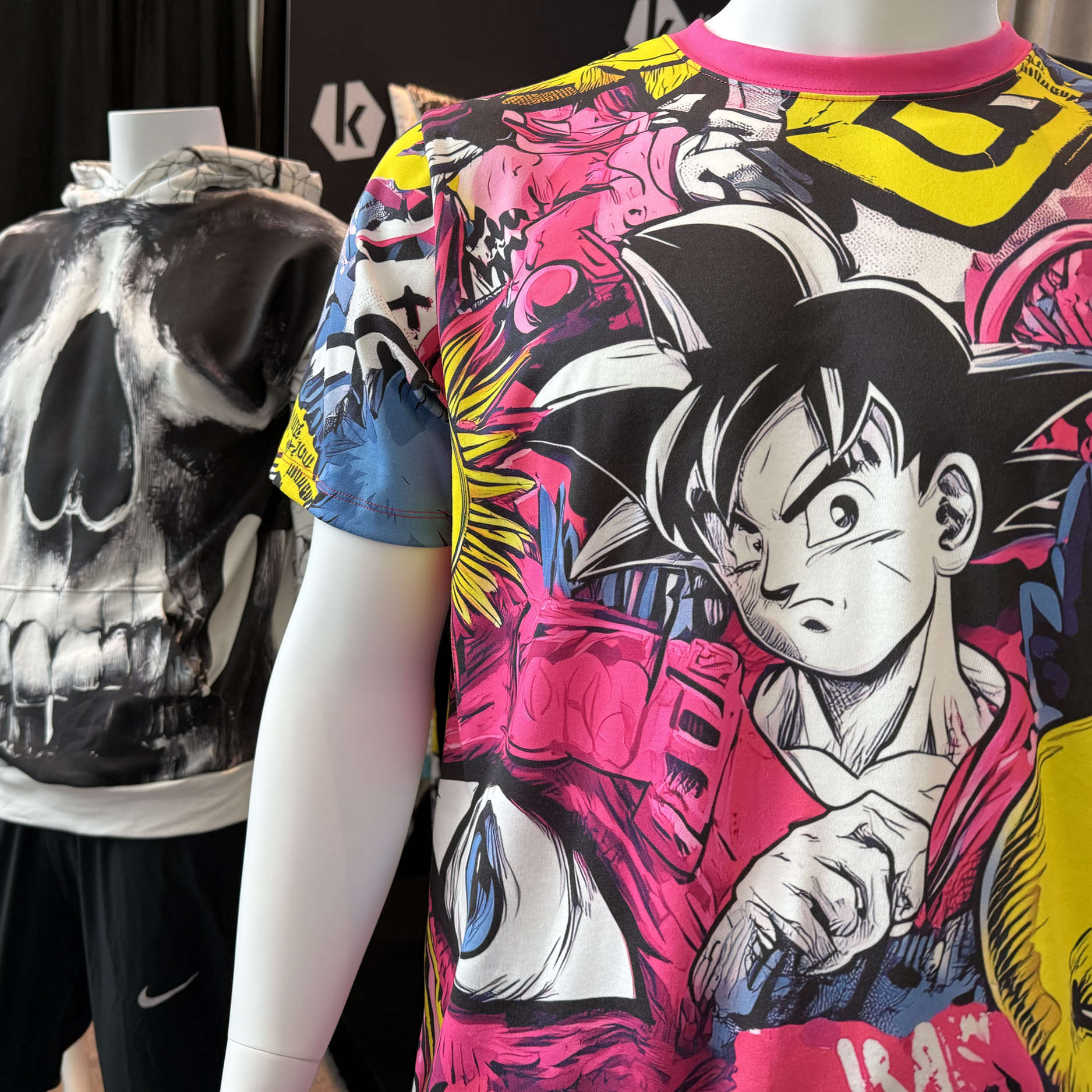
Big Data is also driving Design diversity. It’s not only the logistics and inventory management departments that benefit from data, the Design Studio is also in-tune with consumer demand, by providing contemporaneous and valid direction on customer preferences, which in turn drive a focussed product design effort. The Designer can now create products that meet the customer’s aspirations exactly.
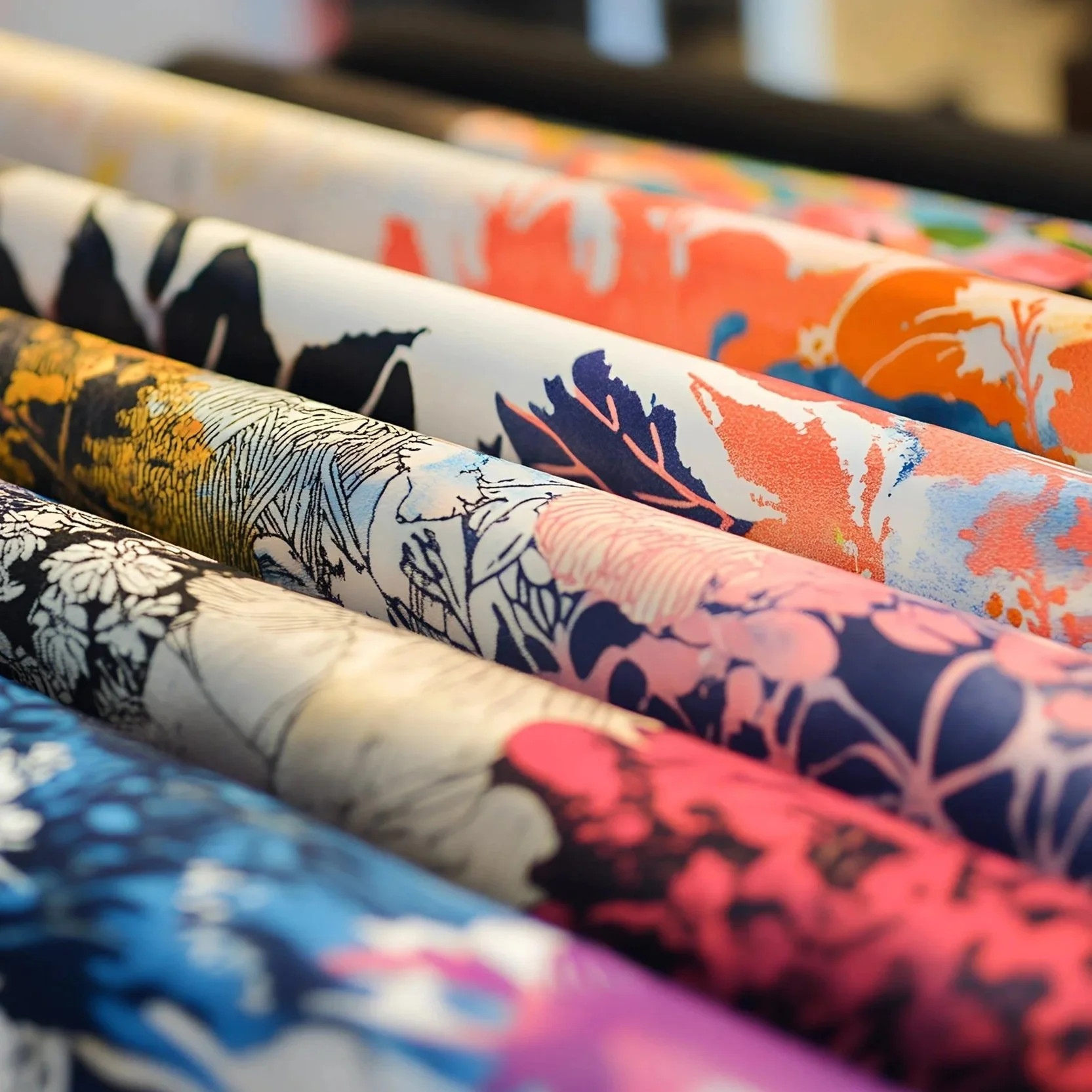
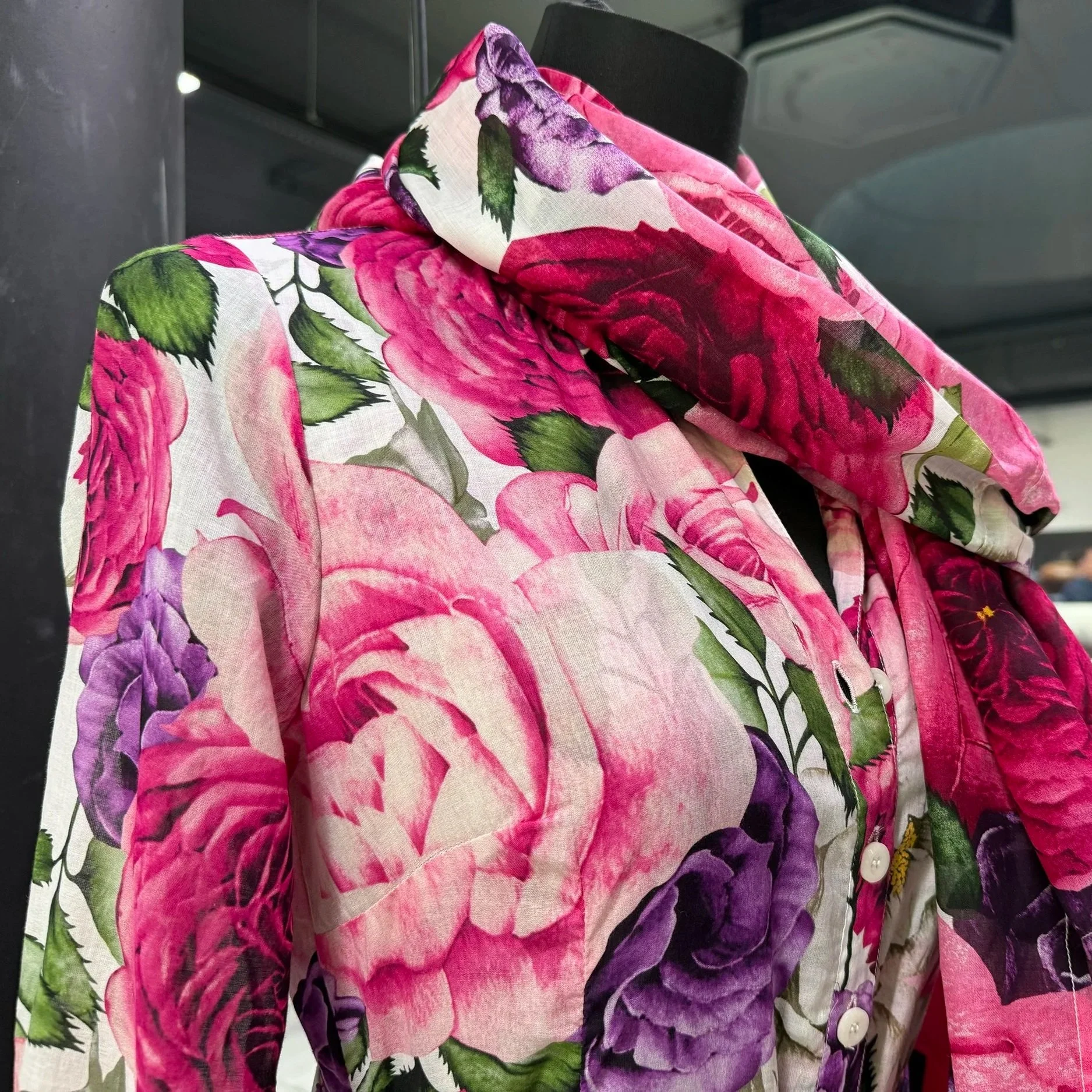
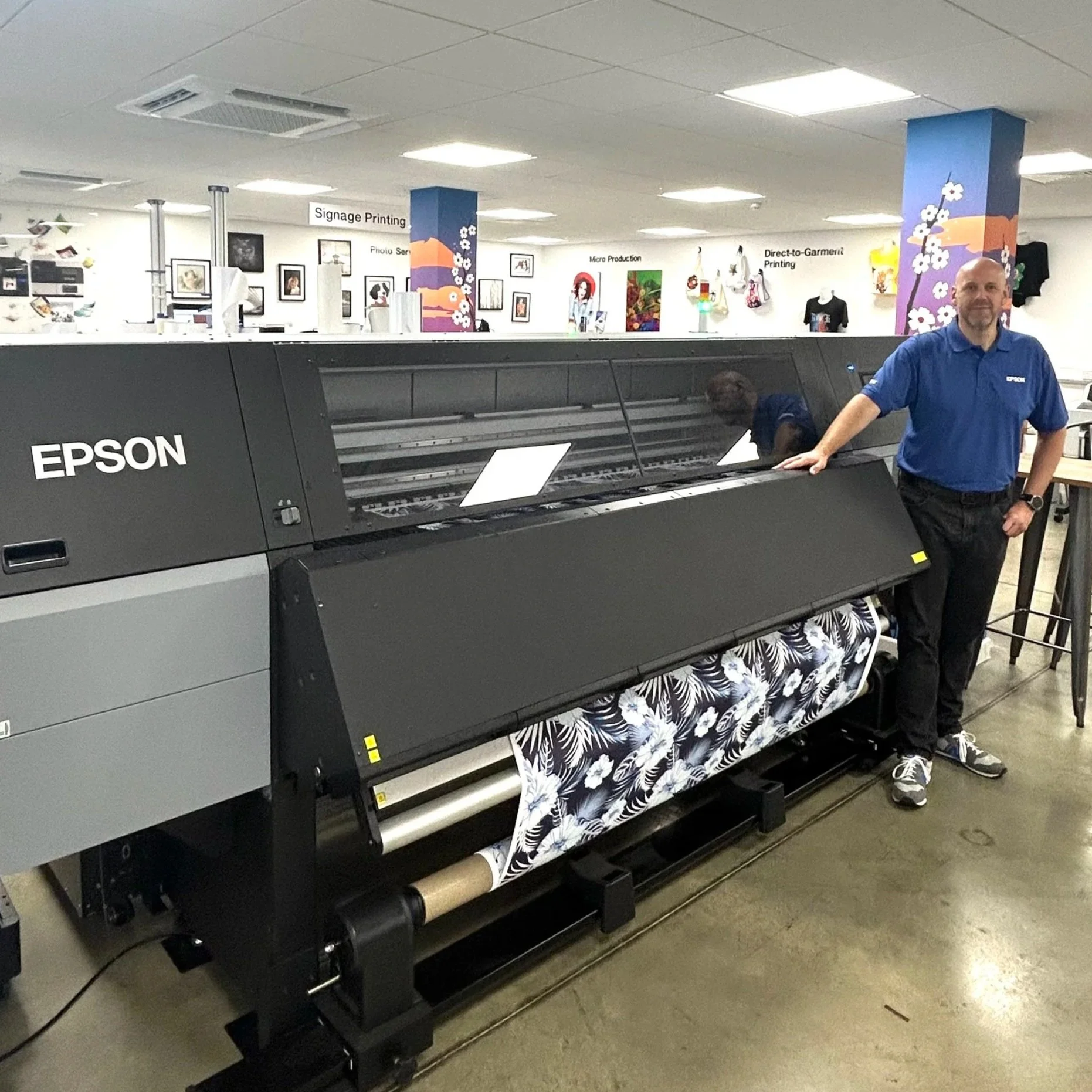
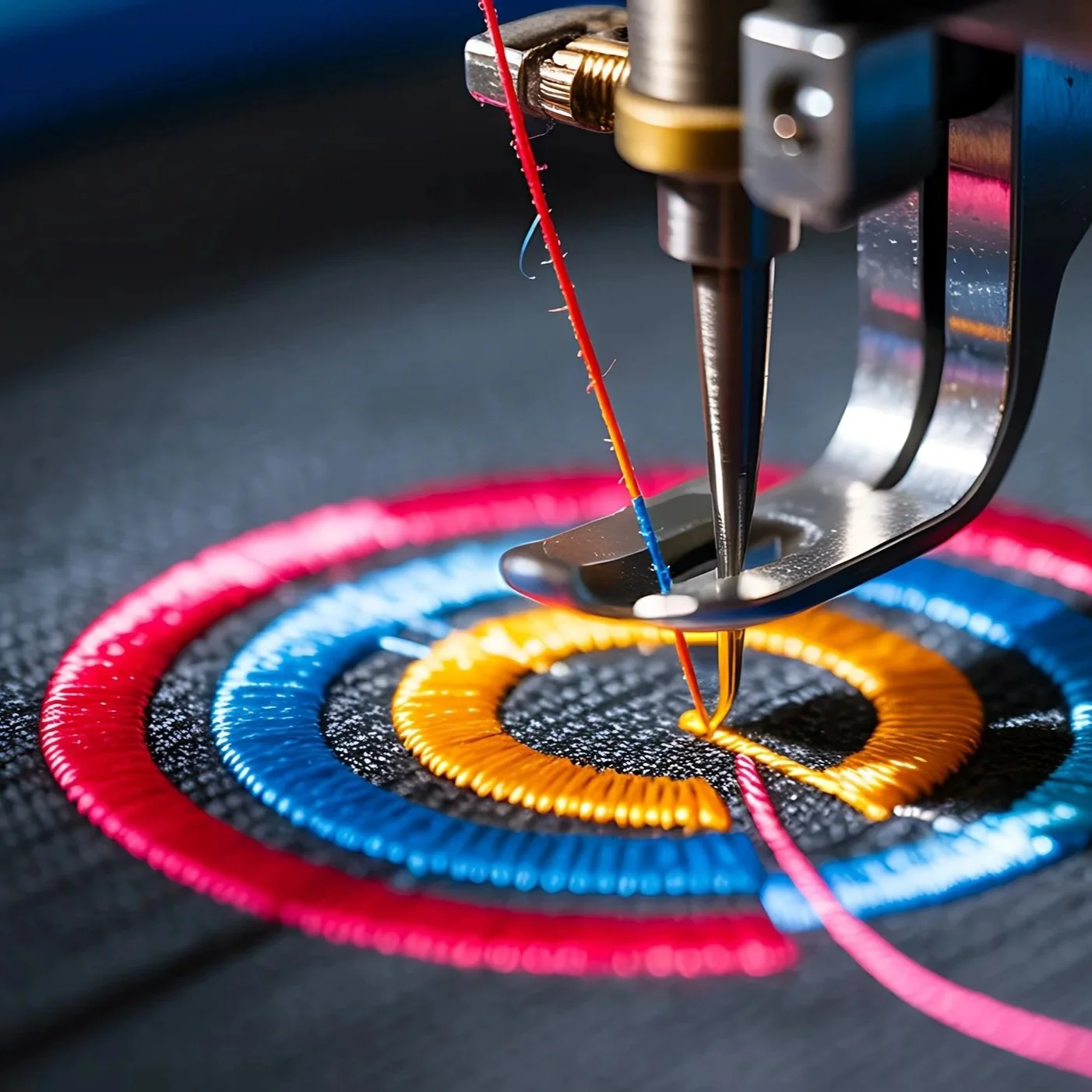
For the Textile manufacturing community, cloud-based software solutions, calibrated to a specified production facility, instantly transmit the Garments DNA, pattern files, and print artwork / Images, which now exist, at pixel level, into a transmittable data file for worldwide production and distribution.
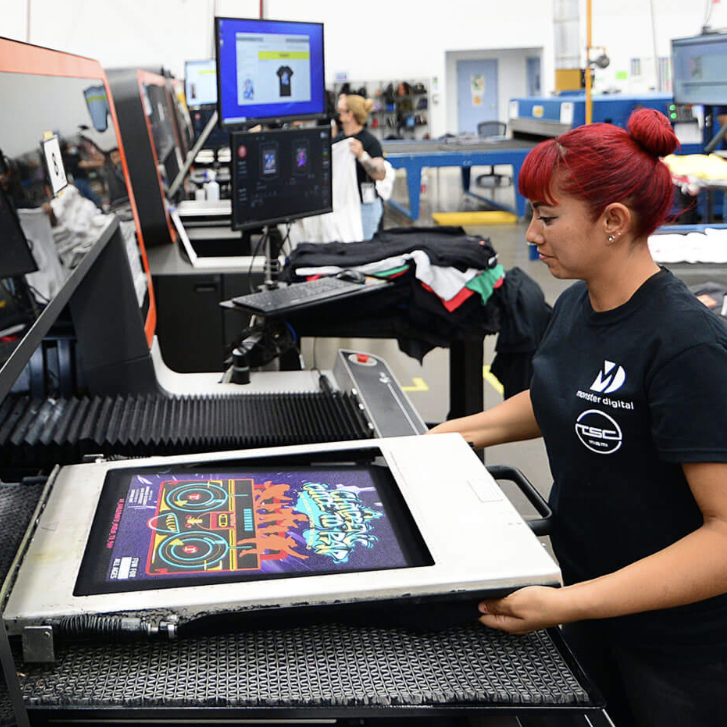
This file (product with embedded DNA) is then ordered, instantaneously through the Cloud, and an order generated with the remote production facility, where RIP software and bespoke W2P( web to print) programmes create custom printed unique products or duplicates, that are automatically printed and cut in panels ready to be sewn. The key here is the embedded DNA of the product. Only when armed with this string of production data, once called a “product data sheet”, can the manufacturer guarantee fault-free production at warp speed.
This facility enables the Designer to have confidence that their ideas of today, based on their own unique, data driven customer insights, will be produced and delivered quickly and exactly to the specifications that they have provided.
In this system, complete supply chain transparency is achieved, and the sustainable benefits are paramount for the manufacture delivering eco-conscious production to meet the exacting demands of equally eco-conscious consumer.
Accurate invigilation of design and production progress yields enormous efficiency and cost benefits for both the manufacturer and the retailer. As big data drives this system with unerring precision to produce the products that sync with the preferences of the consumer.
As the Sustainability agenda gains momentum, the use of automation and data has driven the ability to check on responsible sourcing to new heights.
Sustainability forms an essential part of any winning market position of today, the facility to verify production facts through live data allows for a much greater transparent supply chain. Environmental credentials can be verified with a high degree of confidence, and precision, generating an eco-system that guarantees sustainable manufacturing so valued by the increasingly environmentally aware consumer.