
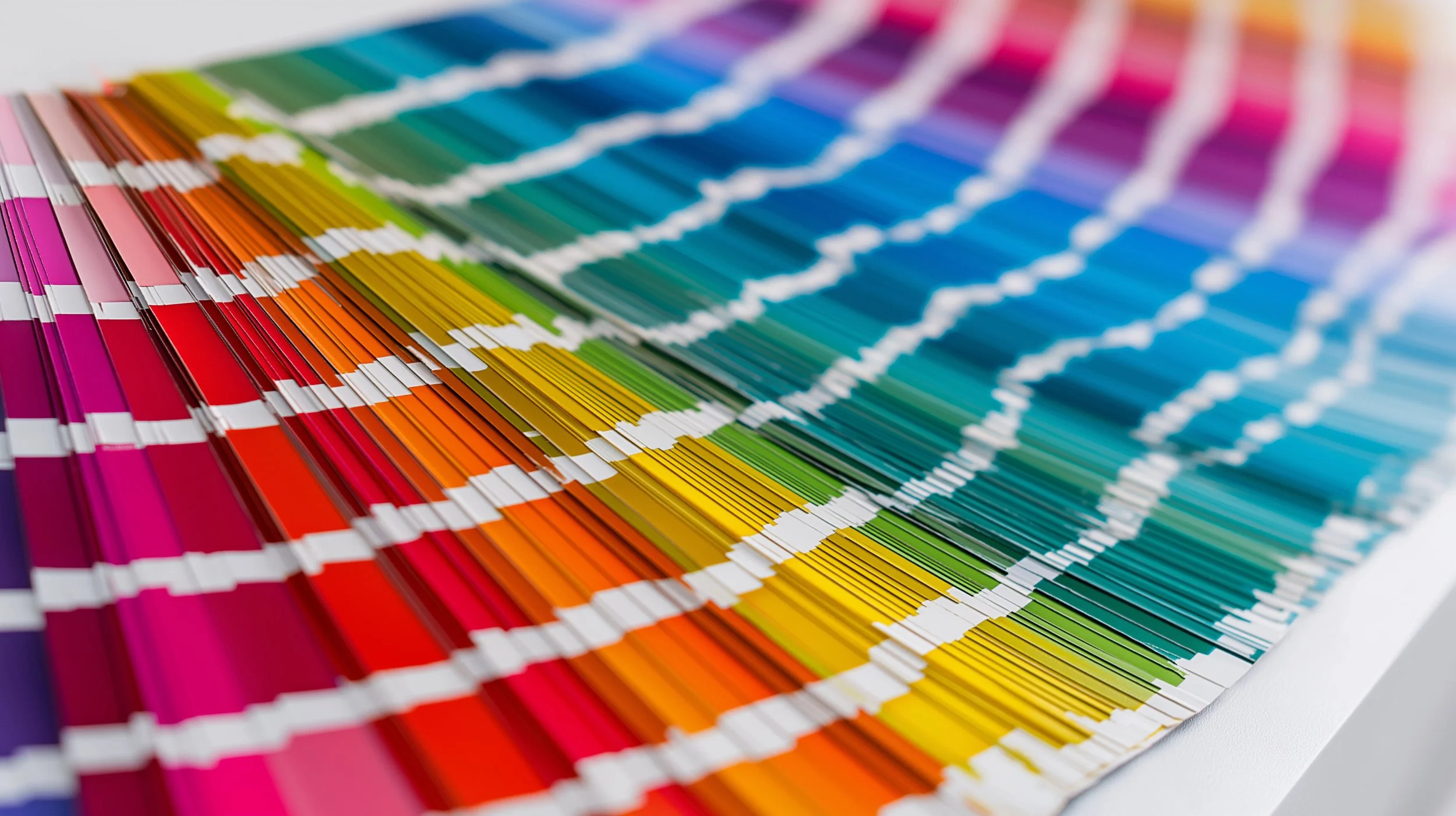
“We are moving towards a future where waste is unacceptable—both economically and environmentally. Allowing lighting mismatches to create colour rejections is an unforced error.” Lou Prestia
The solution requires investment, but it is an investment that pays for itself by preventing a single rejected print run.
Why Prints Fail: The Role of Lighting & ISO Compliance and The Hidden Lighting Crisis
This article by Lou Prestia, USA - Explores the how lighting inconsistencies are a common culprit behind print failures, even after proofs are approved. Standardised lighting aligned with ISO compliance eliminates guesswork, ensuring proofs and final prints match expectations. By incorporating spectroradiometric surveys, businesses can prevent costly rejections and achieve consistent results.
There is no sinking feeling quite like it in the print industry. The client was happy. The proofs were signed off. The files were prepped and approved and the print shop has roared to life. Yet, a week later, you are standing at a print sample with a client who is shaking their head. The colour is "wrong". They are asking for changes on the fly, or worse, rejecting the job entirely.
You check the numbers. The Delta E is perfect. The densities are spot on. So, what happened?
The answer rarely lies in the ink, the paper, or the press operator’s skill. The invisible culprit is almost certainly lighting. Even if your systems meet ISO standards individually, a lack of holistic standardisation across your workflow creates a gap where costly errors thrive.
Understanding why this happens, and how spectroradiometric surveys can prevent it is not just a technical necessity; it is a critical business strategy for reducing waste and safeguarding client relationships.
The Disconnect Between Math and Vision
In the graphic arts and textile industries, we rely heavily on data. We trust our spectrophotometers and our software to tell us that a colour is accurate. However, colour management systems operate on a fundamental assumption: that the final result will be viewed under D50 lighting (specifically, the ISO 3664 standard).
The crisis occurs when the physical environment betrays the digital data.
Consider a common scenario: A client signs off on a proof in a studio or a global suppliers mill. These environments are rarely ISO-compliant. They might be lit by cool white LEDs or warm office fluorescents. The client loves the colour in that specific light.
Later, that same job is evaluated at the printers console, which (hopefully) is equipped with a compliant D50 light source. Suddenly, the colours shift. This is not a failure of the print; it is a failure of the viewing condition.
The Delta E Trap:
Many professionals believe that a low Delta E (the mathematical distance between two colours) guarantees a visual match. This is dangerous thinking.
Colour management only works in D50 lighting. Two samples might match within one Delta E, a theoretically invisible difference under the correct light. However, if the client evaluates them under non-standard lighting, their visual system will not detect that same closeness.
Due to metamerism (where colours match under one light source but differ under another), a client might see a glaring difference between the proof and the press sheet, even if your software insists they are identical. If your viewing booths are not rigorously standardised, you are essentially flying blind.
Why ISO Compliance on Paper isn't Enough
Simply buying a light booth that says "D50" on the box is not enough to ensure compliance. Lighting sources degrade. Bulbs shift in colour temperature as they age. A booth that was compliant two years ago may be actively harming your workflow today.
The ISO 3664 standard (recently revised) is incredibly specific. For the P1 condition the gold standard for critical colour evaluation it requires:
D50 light quality (5000K).
UV content included (crucial for papers with optical brighteners).
An illuminance level of 2000 lux.
If you have two D50 luminaires in your workflow: one in prepress and one in the print room and they do not match each other spectrally, you do not have a controlled process. You have a variable. And in manufacturing, variables cost money.
The Solution: Spectroradiometric Lighting Surveys
To ensure your ecosystem is truly standardised, you cannot rely on guesswork. You need a spectroradiometric survey. This is a rigorous scientific process that maps the actual output of your viewing conditions to ensure they meet the strict P1 conditions of ISO 3664.
Expert consultants, like Lou Prestia, demonstrate that a proper survey is meticulous. It is not a single measurement; it is a comprehensive map of the entire viewing area.
The 9-Quadrant Method
A professional survey divides the viewing area (such as a light booth) into nine equal quadrants. A spectrophotometer connected to analysis software measures the spectral power distribution in the centre of the booth, and then systematically measures the centre of every other quadrant.
This data reveals the uniformity of the light. A booth might pass in the centre, but fail in the corners due to uneven light fall-off or mixed bulb ages.
The Failure of Fluorescent
Recent surveys have highlighted a troubling trend for those clinging to older technology. Traditional fluorescent booths frequently fail strictly conducted ISO 3664 surveys.
The spectral power distribution of fluorescent tubes is "spiky", it has peaks and valleys that do not perfectly mimic the smooth curve of natural daylight. Furthermore, fluorescent tubes degrade unevenly. If you are still relying on fluorescent technology, there is a high probability your booth is not compliant, regardless of when you last changed the bulbs.
The industry is rapidly shifting toward LED technology for this reason. Modern LED booths offer a more stable, consistent spectral output that aligns far better with the ISO requirements and maintains that stability for up to 50,000 hours.
Who Needs a Lighting Survey?
There are three distinct categories of businesses that require this level of rigour:
ISO Certified Organisations: If you hold a certification, you are obligated to verify your lighting environment regularly.
Client-Mandated Suppliers: Major brands often audit their supply chain. If you service high-end packaging or textile clients, they may demand proof of your lighting compliance.
The Quality-Conscious Shop: Even without external pressure, if you care about waste reduction, you need this. Every time a job is rejected due to a lighting mismatch, you lose time, ink, substrate, and machine hours.
Standardise Your Colour Ecosystem
We are moving towards a future where waste is unacceptable—both economically and environmentally. Allowing lighting mismatches to create colour rejections is an unforced error.
The solution requires investment, but it is an investment that pays for itself by preventing a single rejected print run. It involves moving away from unstable fluorescent technologies toward certified LED viewing systems. It requires verifying those systems with professional spectroradiometric surveys to ensure uniformity across your entire facility.
Ultimately, you must upgrade your colour measurement ecosystem. Standardising your lighting removes the ambiguity from the approval process. It ensures that when a client says "yes" to a proof, the result coming off the printer looks exactly the way everyone expects it to.
How can this problem be solved? Standardise Your Colour Ecosystem
We are moving towards a future where waste is unacceptable—both economically and environmentally. Allowing lighting mismatches to create colour rejections is an unforced error.
The solution requires investment, but it is an investment that pays for itself by preventing a single rejected print run. It involves moving away from unstable fluorescent technologies toward certified LED viewing systems. It requires verifying those systems with professional spectroradiometric surveys to ensure uniformity across your entire facility.
Ultimately, you must upgrade your colour measurement ecosystem. Standardising your lighting removes the ambiguity from the approval process. It ensures that when a client says "yes" to a proof, the result coming off the printer looks exactly the way everyone expects it to.
Lou Prestia: LinkedIn
About
I help platforms grow—through better product strategy, clearer customer narratives, and the right go-to-market execution.
My experience spans product management, technical sales support, and GTM strategy across SaaS, colour tech, and creative platforms. I’ve helped launch and scale cloud-native ecosystems, delivered modular pricing strategies that enabled $10M+ in ARR growth, and evangelized platform value to customers, executives, and field teams globally.
Today, I’m looking to contribute to a sales, technical sales, GTM enablement, or hybrid product leadership role where platform value and customer understanding meet. Let’s build something useful—together.
Thank you for your time reading. I welcome comments, corrections, and questions in the comments. If you’d like to read more articles on digital textile manufacturing or colour matching please let me know so that I can publish more articles like this one. Lou Prestia: LinkedIn

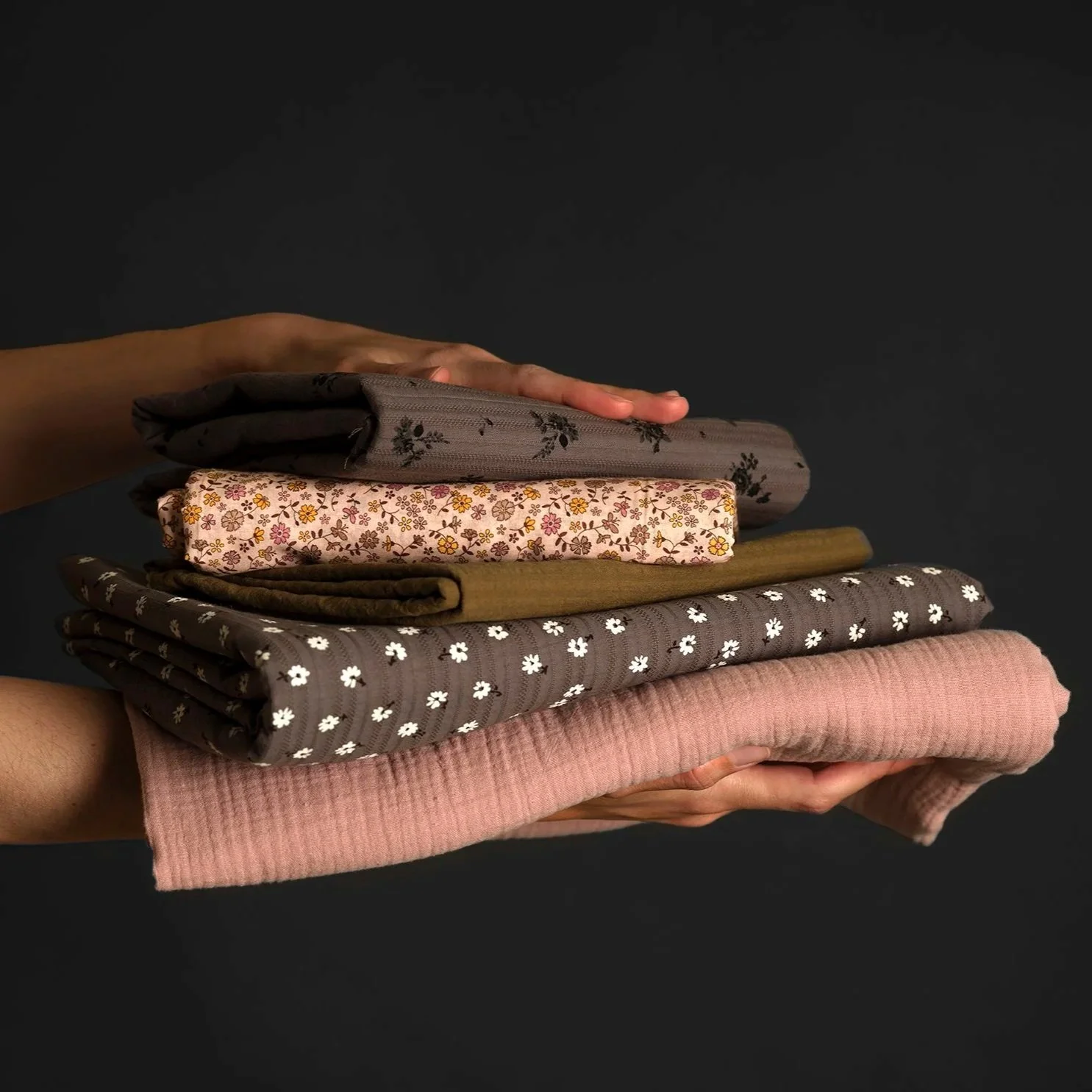
Rebés's story isn't one of nostalgia - It's a working blueprint for how heritage manufacturers can stay indispensable in a market that rewards speed, certification, and specificity in equal measure. Four million metres of stock mean nothing without the digital printing capability to turn it into something distinctive.
A 150-year name means nothing without the R&D discipline to win a tender for antistatic, carbon-fibre-infused uniform fabric on the first attempt.
Image Credit: Tejidos Rebé

What if the next dress you wore never touched the factory floor?
This is no longer a fringe experiment. It is a maturing production model, backed by genuine material science, real circularity, and an AI-assisted workflow that is becoming more accessible by the month.
Her advice to designers and brands alike is refreshingly practical: start small, get hands-on with an accessible 3D printer, and build fluency before the technology becomes table stakes. The businesses that treat this moment with curiosity, rather than scepticism, will be the ones shaping fashion's next decade rather than reacting to it.

The 2027 FESPA Awards are now open for entry, and the message to businesses across textiles, apparel, interiors and beyond is simple: your work deserves recognition. Every gold winner featured here started in the same place every entrant does - with a project they believed was worth submitting.
As the only independent awards programme with 18 categories dedicated to print and signage, FESPA offers a genuinely global stage, with shortlisted entries displayed at FESPA Global Print Expo in Spring 2027.

Colour Is Too Important to Leave to Chance
Print will always be the part of the garment people see first.
But the sum of all parts — the fabric, the trims, the fasteners, the finish — is what determines whether a design actually delivers on its promise. Brands that continue to treat colour as a single creative decision, rather than a coordinated technical discipline spanning their entire supply chain, will keep paying for it in re-dips, delays, and disappointed design teams.
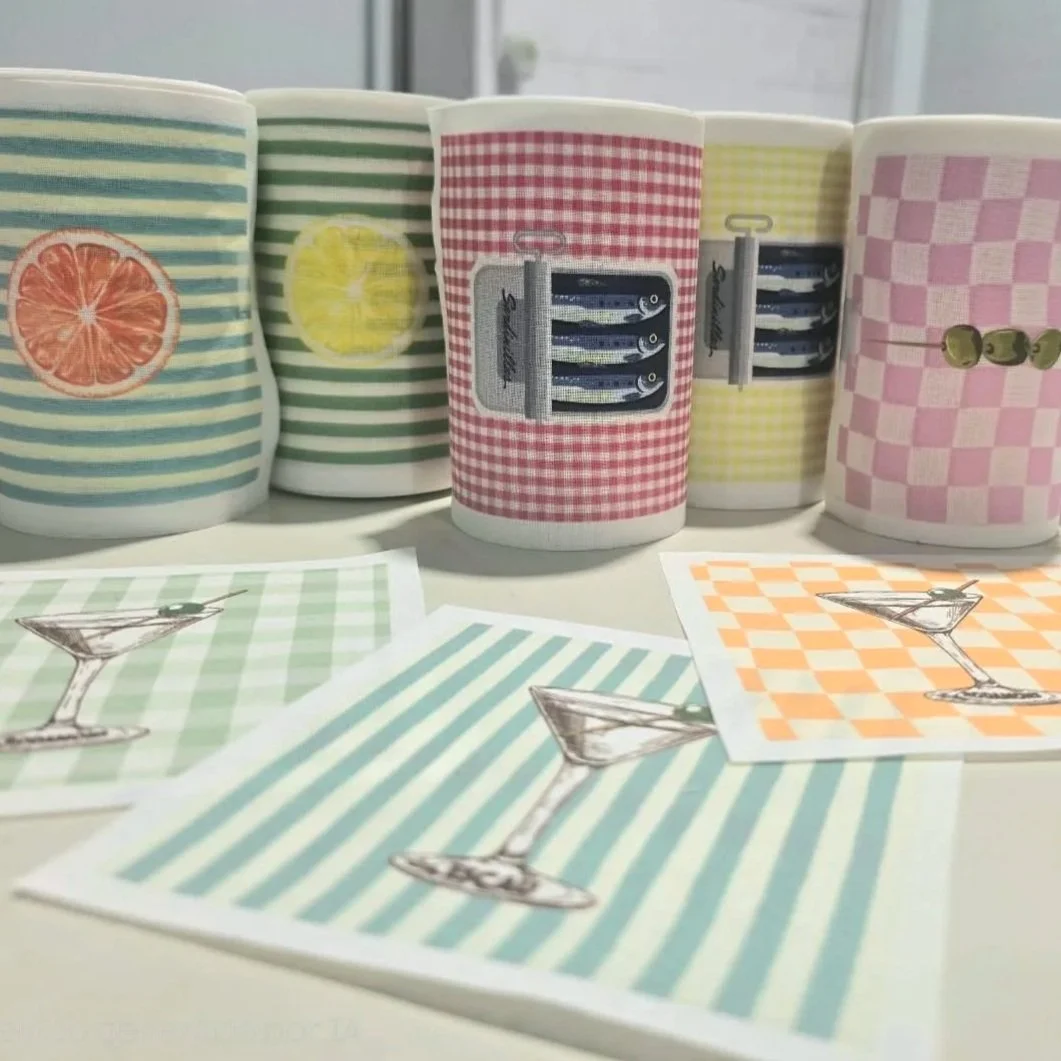
A Century of Textiles, and an Ever-changing World
Few companies can trace their roots back more than a century and still count themselves among their industry's innovators. Texia, headquartered in Monistrol de Montserrat, Spain, is one of them.
But the story of Texia is not simply one of longevity.
It is a story of continual reinvention. As the textile industry has grown more global and competitive, Texia has repeatedly reshaped its business, investing in technology, developing its own brands, and placing sustainability at the centre of its mission. In doing so, it offers a compelling example of how a heritage manufacturer can lead rather than follow through a period of profound industry change. Image Credit: Texia
What are we craving Ultimately?
The instinct to slow down while simultaneously optimising every measurable aspect of life isn't a passing curiosity. It's a structural response to a world that feels increasingly unstable, and it's reshaping what people expect from their homes, hotels, workplaces and healthcare environments alike.
For the design and manufacturing sectors, this means rethinking both product and process.
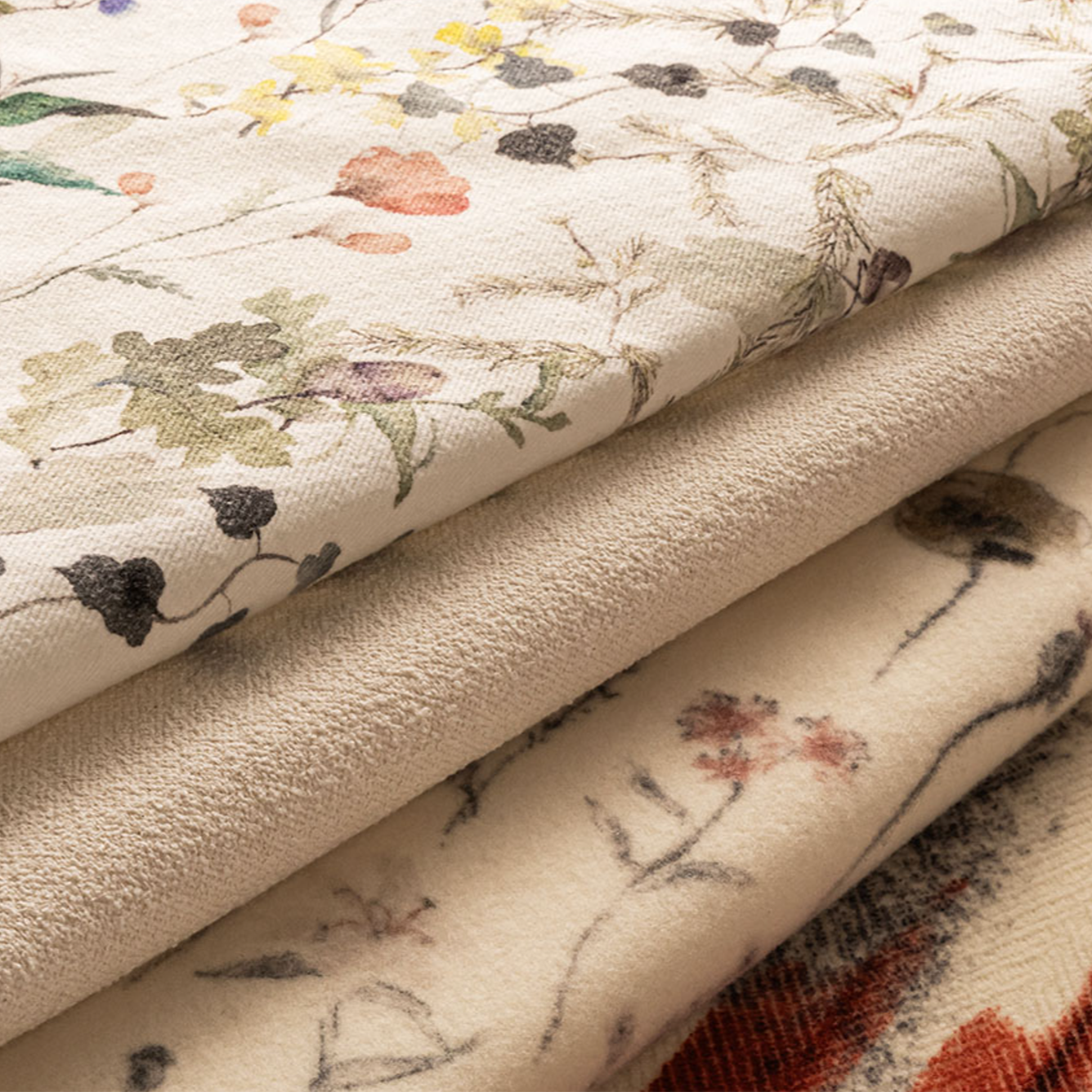
The Structual Shift is Real and its Already Here
Volumes are moving east, where digital production is accelerating rapidly. Consumer behaviour has shifted.
Demand is now driven by personalisation, shorter buying cycles, and an expectation of near-instant responsiveness. Regulatory pressure is intensifying, with supply chain transparency now a legal and commercial fact in many markets. And margins? They are under sustained, structural pressure.
This is not a temporary disruption. It is a fundamental reordering of how textile manufacturing must operate.

The Challenge: Standing Firm as the Industry Shifts
The wallpaper landscape has changed dramatically. Digital printing has lowered the barrier to entry, spawning countless direct-to-consumer brands and pushing much of the market towards faster, cheaper production.
At the same time, manufacturing in the UK has grown steadily harder - rising minimum wage, national insurance, energy and substrate costs all bear down on margins. Surface Print have embraced all of these challenges - and stand resolutely prepared for the future.
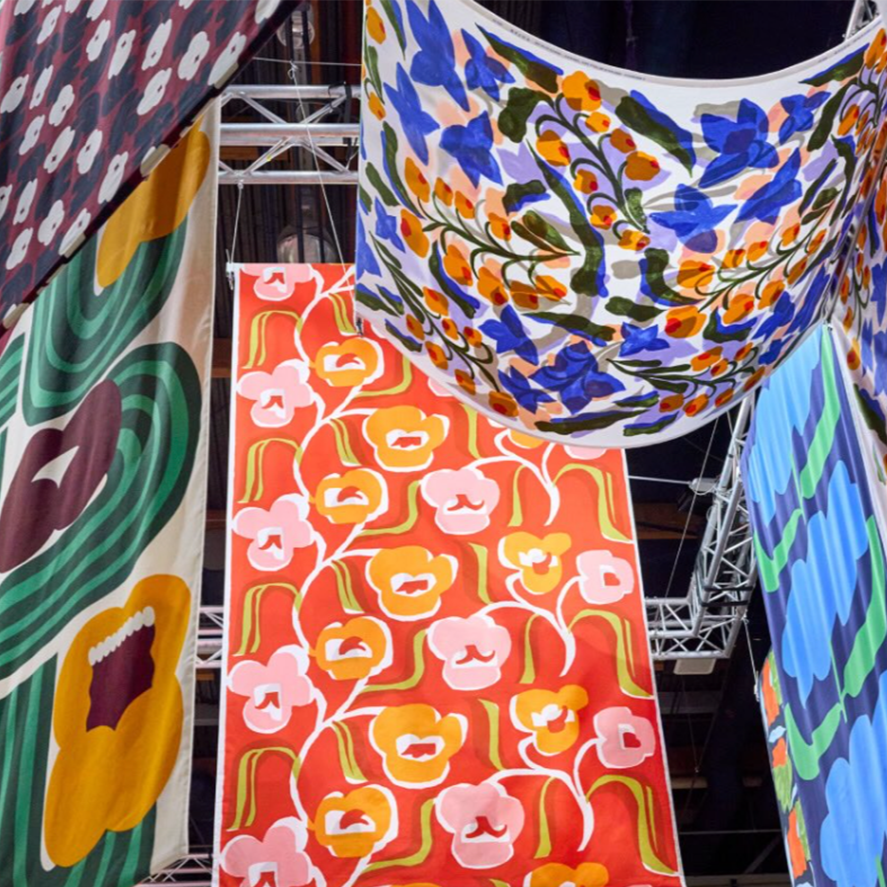
From Helsinki's printing mill to Paris's Le Marais, discover how Marimekko is scaling a design-led brand with purpose, craft, and bold innovation.
But what makes Marimekko's story compelling is not just its aesthetic legacy?

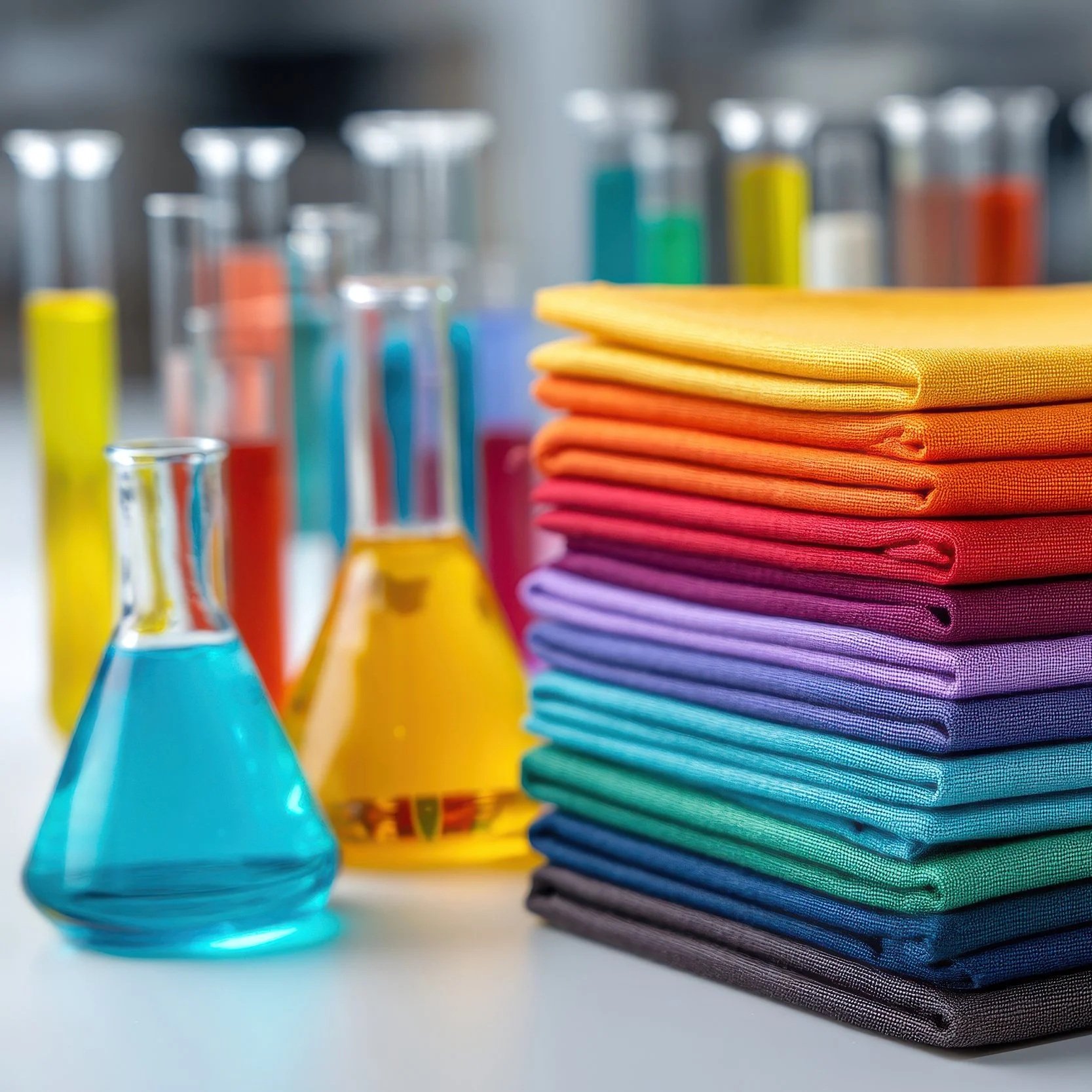
The word "toxic" carries weight. It conjures danger, harm, and things best avoided.
“Yet in the textile industry - Where between 3,000 and 10,000 chemicals move through the supply chain, a reflexive fear of the term is one of our biggest obstacles to progress.”
This article distils the key takeaways and what buyers, designers, and brands should be asking right now.
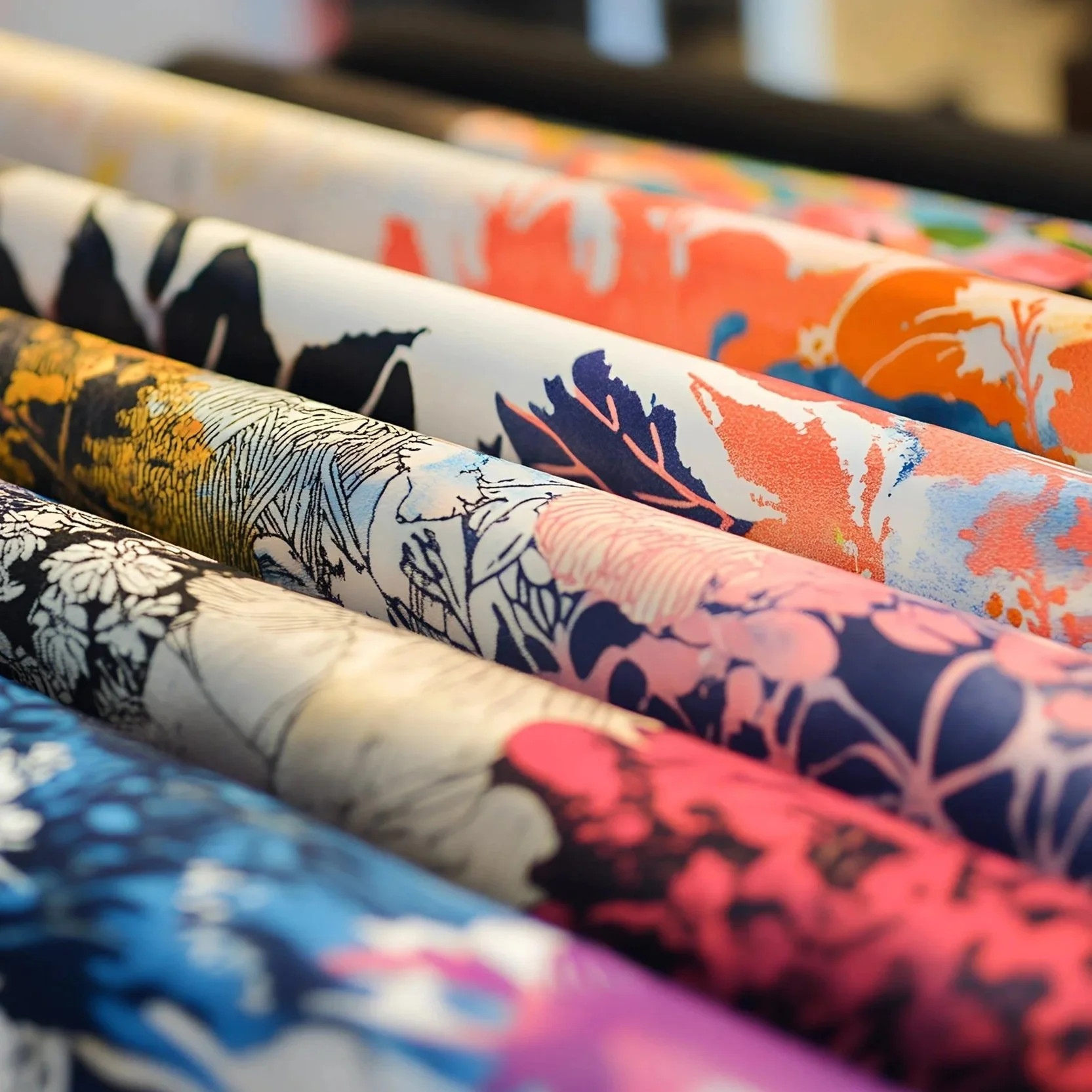
What Is the Digital Product Passport?
At its core, a Digital Product Passport is a digital record attached to a physical product - For a printed textile product, this means the DPP would capture data on the substrate, inks and dyes used, the printing process and technology, chemical compliance, environmental impact (including water and energy use), supply chain traceability, and end-of-life instructions.

The Market Gap that Changed Everything
Future Fashion was founded in 2019, timed deliberately to coincide with a pivotal moment in global textile technology: the commercial launch of the EFI Reggiani BOLT Single-Pass digital printing system.
The founders recognised that single-pass architecture had fundamentally changed what was industrially possible - and that Pakistan's domestic market had yet to catch up.

Print is no longer defined by the inefficiencies that once characterised it…as advances in production processes and technology have significantly improved its environmental performance.
Taran Rai, Corporate Sustainability Manager at Epson explains why?
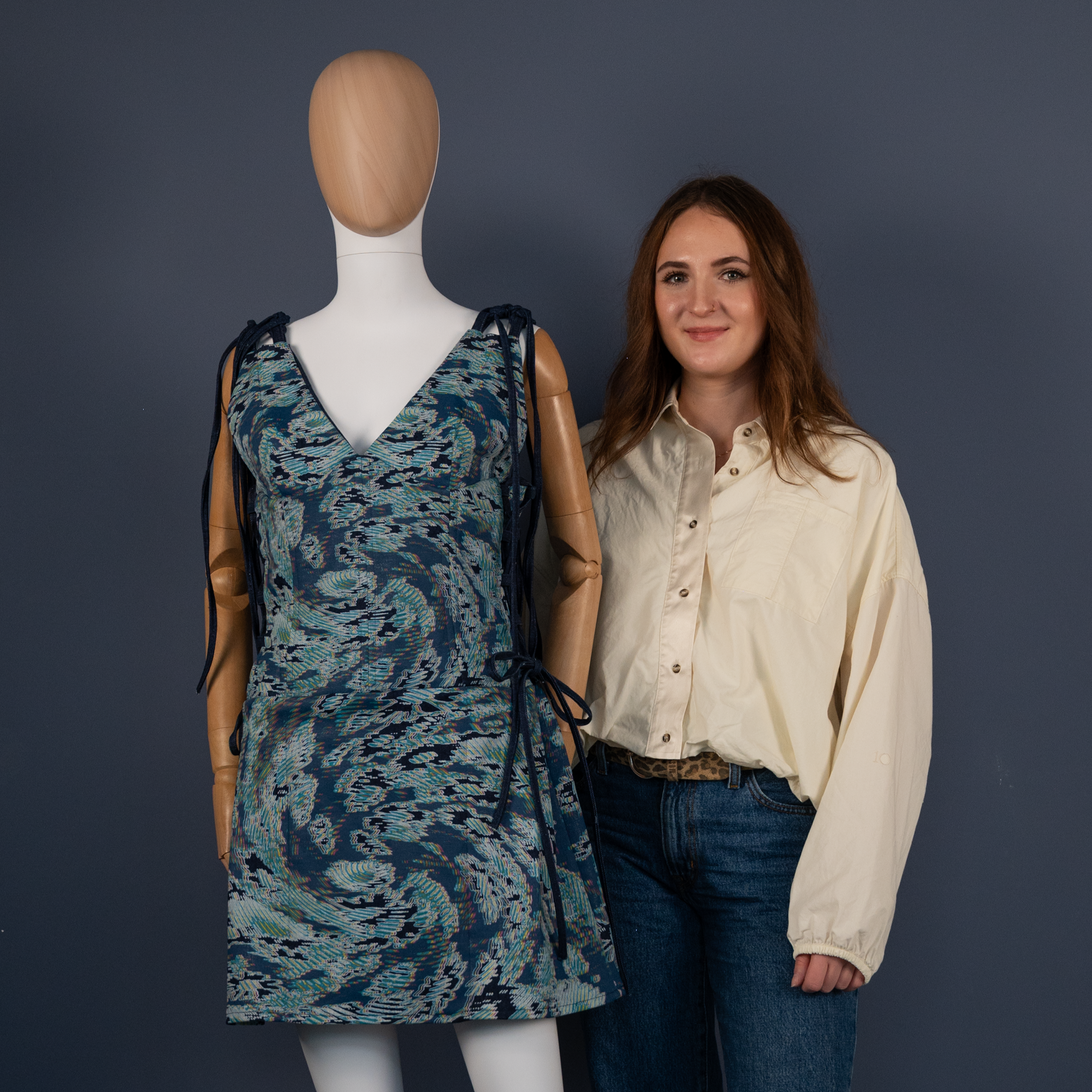
The story of what happens when young designers access digital technology is still being written.

What once was a theoretical sustainability goal seems to have shifted into an active regulatory reality.




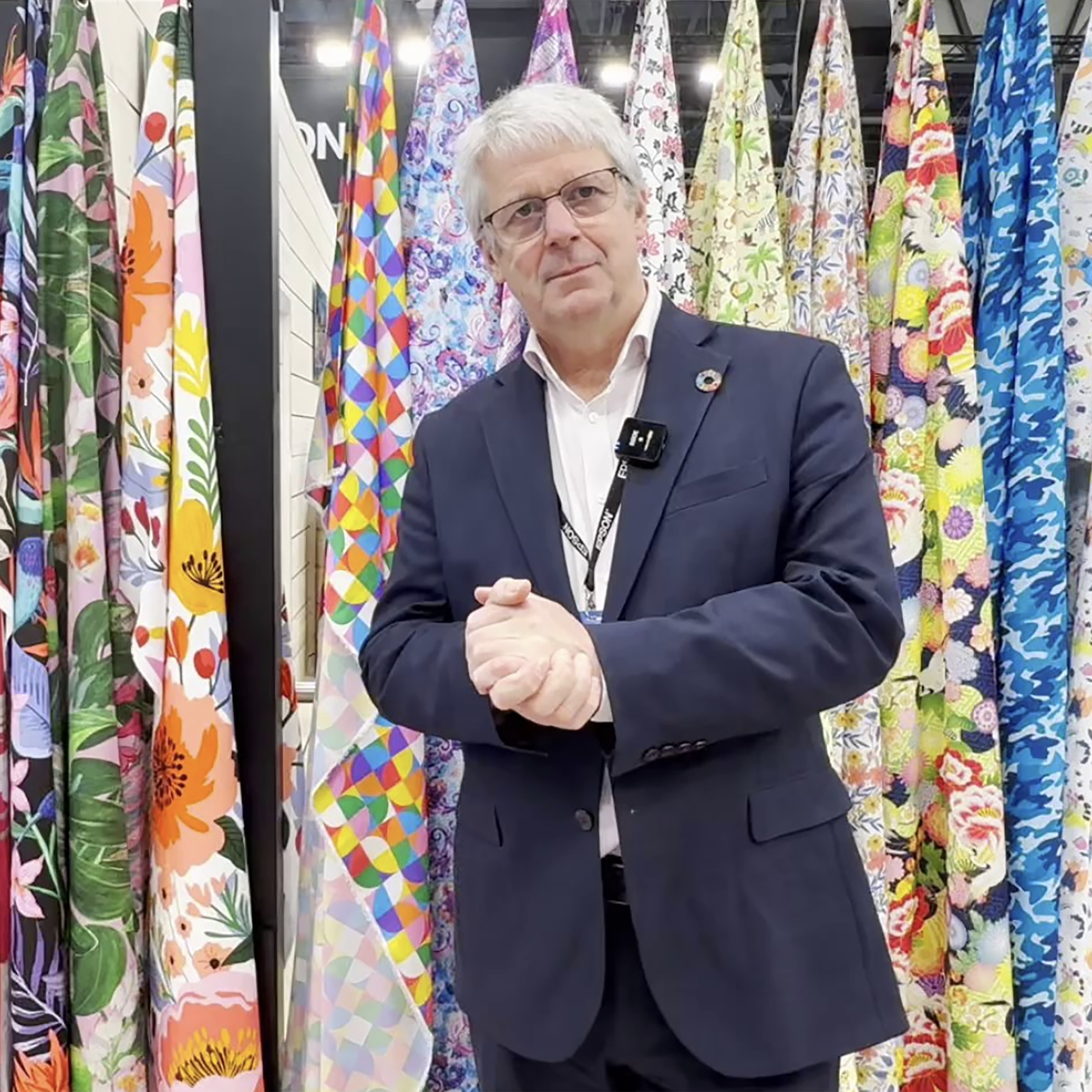
Is the Textile Market Finally Recovering?
After a difficult few years, there are genuine reasons for optimism. Duncan was candid about the challenges: "The market for textiles has been very difficult over the last three years. I'm not going to hide the truth there. But the tide is turning.“
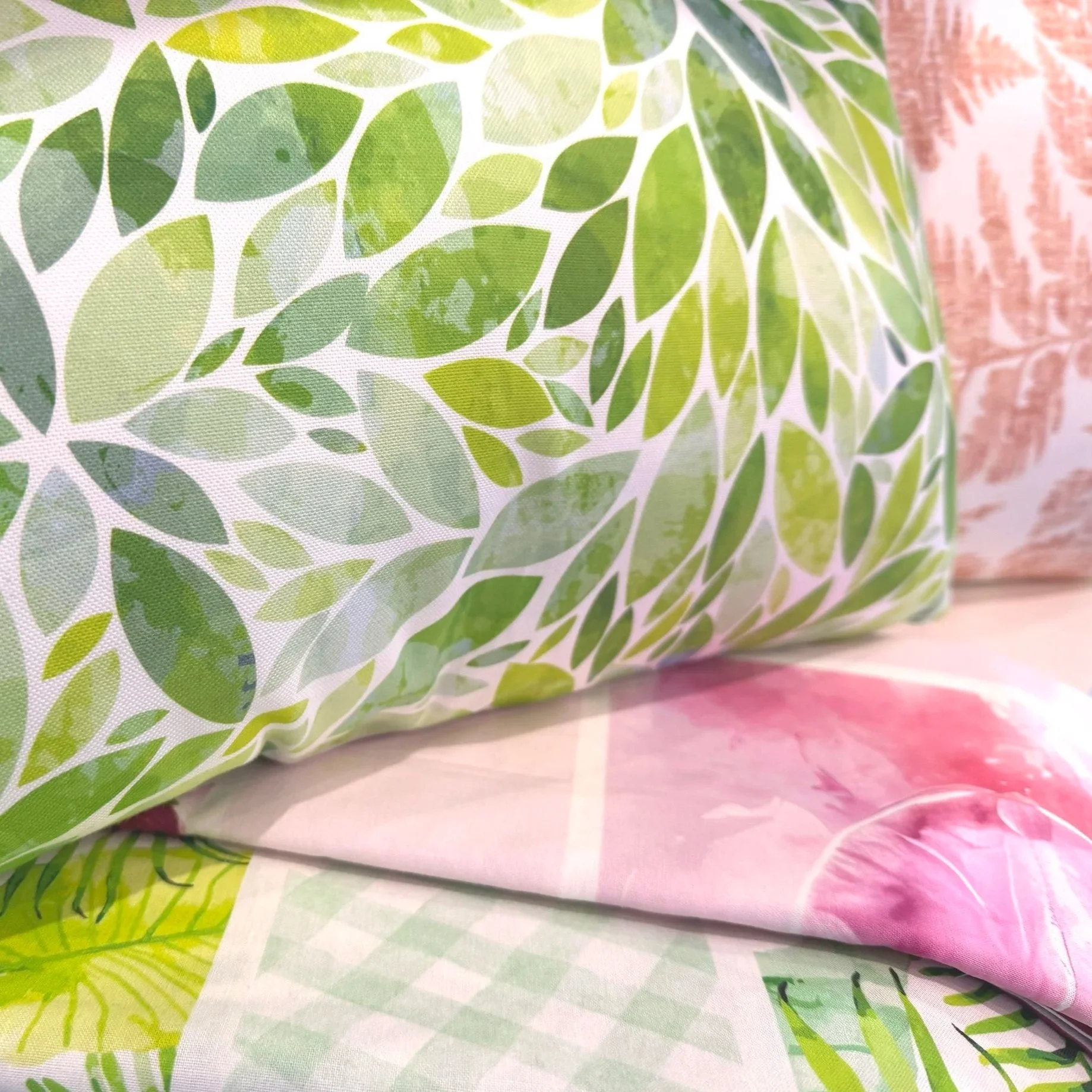
A profound shift is currently reshaping the sector
Changing consumer expectations demand greater design diversity, faster turnaround times, and sustainable manufacturing practices.
To thrive, interior brands must adapt their supply chains, bringing production closer to the end consumer and moving away from bulk manufacturing.
Digital textile printing offers a definitive solution to these operational bottlenecks.

Digital transformation doesn't announce itself.
It accumulates - one innovation at a time - until an entire industry looks back and realises the ground has shifted beneath its feet. That's precisely where textiles stands today.
The conversations happening now about AI, automation, sustainability, and digital product passports are not theoretical. They are shaping decisions being made on factory floors and in boardrooms right now.

“By leveraging advanced digital textile printing, Marylene Madou has successfully merged traditional craftsmanship with cutting-edge technology. Her approach offers a blueprint for how independent designers can scale their brands globally while maintaining a minimal environmental footprint.”
The textile industry is undergoing a vital transformation. As the insights from Techtextil and Texprocess reveal, the path forward relies on a combination of sustainable hardware, intelligent chemistry, and seamless digital workflows.
From Zimmer's industrial-scale energy reductions and Stratasys's on-demand 3D embellishments, to Kornit's single-step technical printing and the unified digital ecosystems of NedGraphics and Optitex, the tools for change are here. To stay competitive, brands and manufacturers must adopt these innovations, moving away from fragmented, wasteful processes towards a truly connected, circular economy.
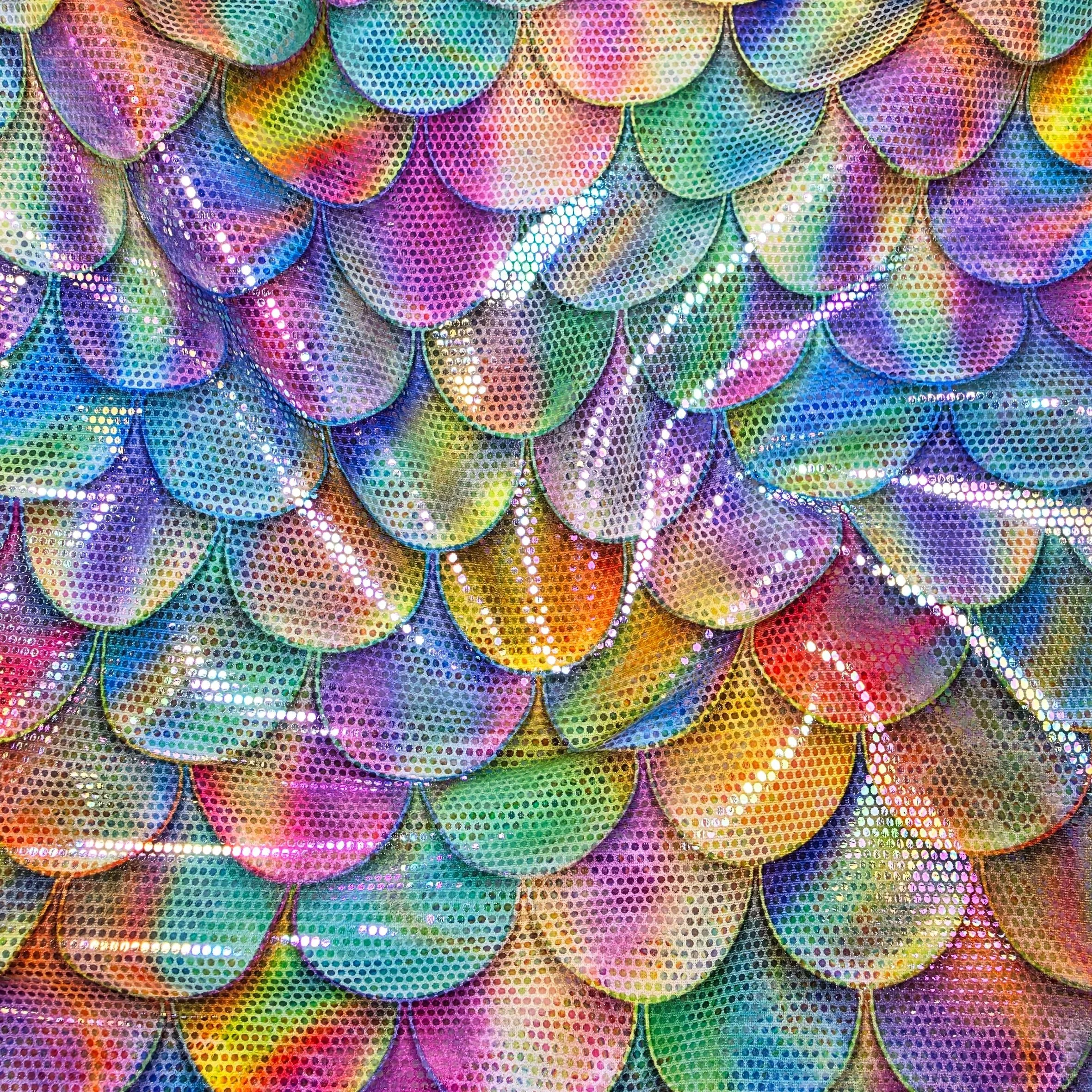
Friedmans stands as a testament to the power of combining traditional textile knowledge with forward-thinking innovation.
“Operating from their UK headquarters, Friedmans now serves a diverse array of sectors, including swimwear, dance, entertainment, sportswear, interior decor, prosthetics, and even pet apparel. With a strategic supply chain that reliably serves clients worldwide”
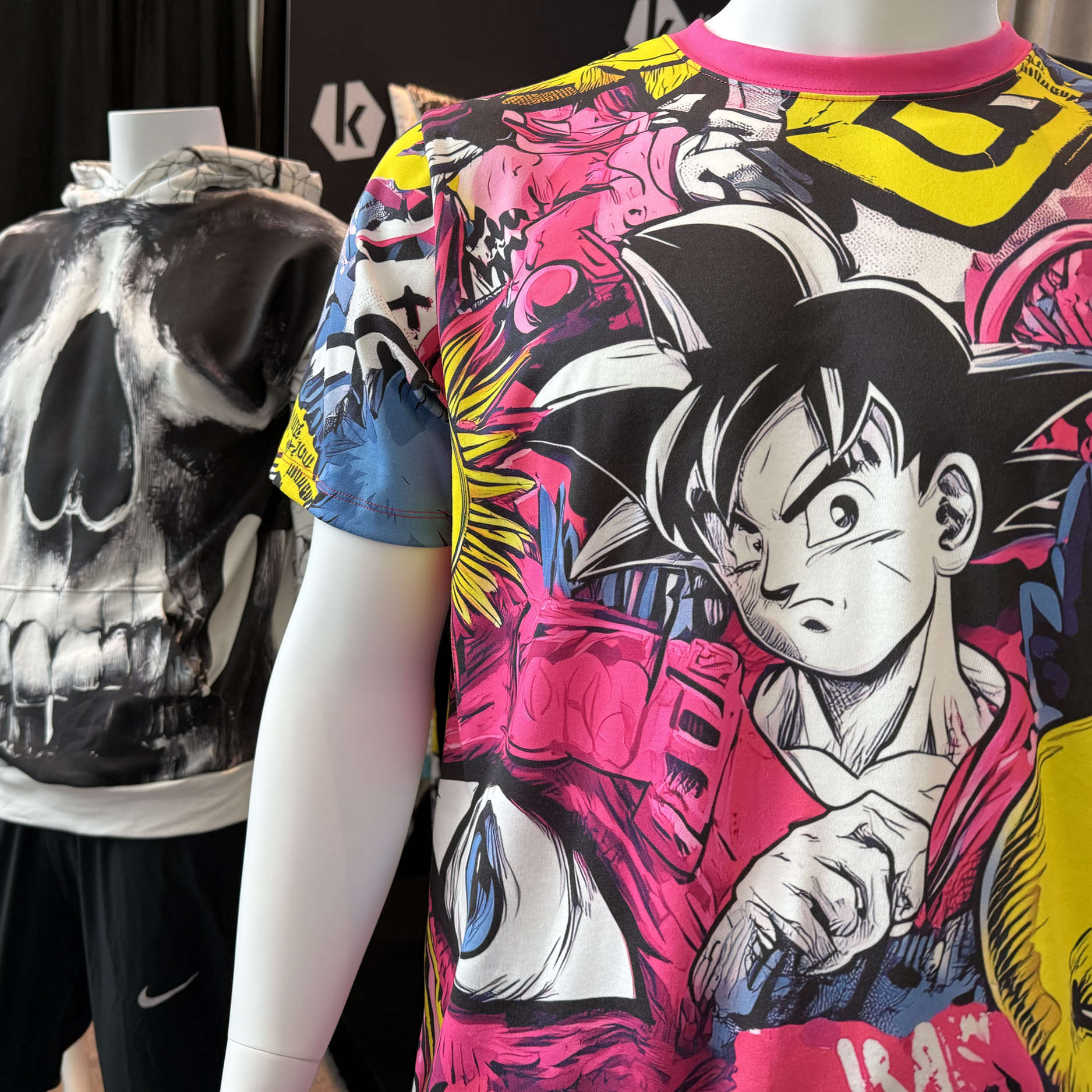
The apparel decoration industry is decisively moving away from isolated, analogue production tools toward connected digital manufacturing environments.
"Kornit’s unwavering commitment to transformative technology continues to disrupt the status quo. For business leaders and innovators ready to capture the future of apparel manufacturing, the path forward is clear”
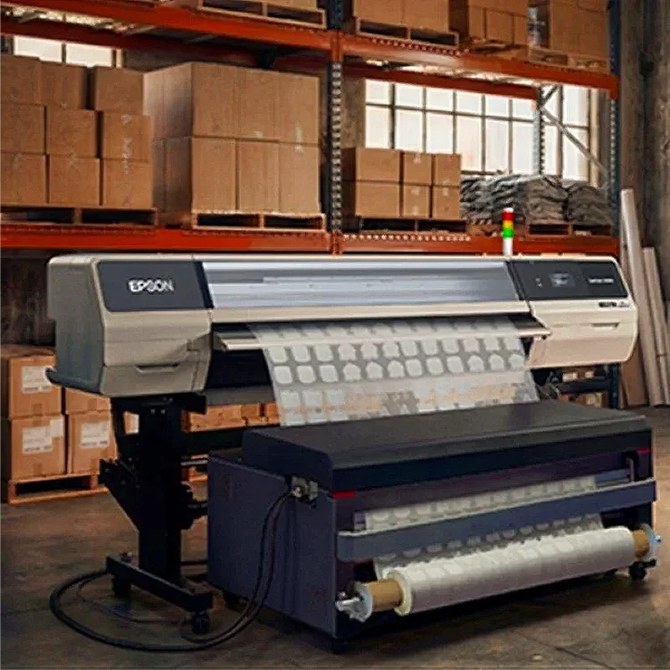
October 2026 – Epson has today featured the availability of the SureColor G9000, the first high-production, roll-to-roll Direct-To-Film (DTFilm) printer in its line-up.
Designed for commercial garment decorators and textile producers, the new printer addresses the industry's growing demand for greater speed, reliability and reduced hands-on maintenance, whatever the production environment.
The SureColor G9000 is built around a complete Epson ecosystem, combining Epson inks, printheads and software with Epson EdgePrint or Fiery Digital Factory RIPs

Frankfurt am Main, 14th October 2026 – With the new premium segment Carpets & Rugs Excellence, the Comfort & Connect area and the Heimtextil Trends 27/28, Heimtextil 2027 is sharpening its offering for a market under pressure.
Running from 12 to 15 January 2027, the leading trade fair for home and contract textiles and textile design will showcase innovations across the entire value chain, from fibres and yarns to designs by international studios, finished collections and complete interior solutions.

Milan, Italy – October 2026 – BARBIERI Electronics, a leading innovator in colour measurement technology, today announced its participation in VISCOM Italia 2026, taking place at Allianz MiCo in Milan on 28–29 October 2026.
The company will exhibit at Booth A14 alongside its Italian distributor, Tecnologie Grafiche, presenting its latest spectrophotometer solutions to the digital printing industry.

Altham – Lancashire – October 2026 – Soyang Europe has announced the appointment of Glen Nunkoo as its new Business Development Manager.
Glen joins the team with over 20 years of industry experience across both hardware and media, and will be responsible for managing customer relationships across the Midlands and North West regions.
Glen's appointment reflects Soyang's ongoing commitment to strengthening its customer relationships and delivering a consistently high standard of service as the business continues to grow.
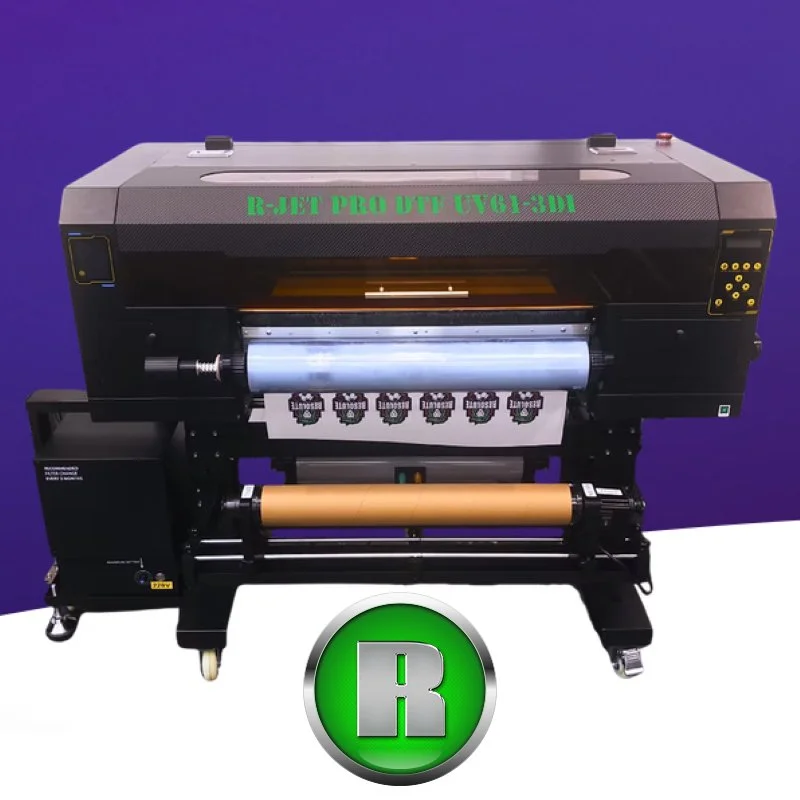
Clay Cross- UK – October 2026– Resolute DTF today features their R-JET PRO DTF™ UV61-3Di, a UV DTF printer engineered to elevate promotional products with striking three-dimensional effects.
Using advanced tilt print head technology, the new machine produces stunning TPU and Crystal Patch embossed finishes on a wide range of everyday items, offering businesses a new way to differentiate their products in an increasingly competitive market.

SOUTH NORMANTON, UK – October 2026 – Sun Chemical today featured Cinquasia® Magenta D 4200 J, a state-of-the-art Quinacridone pigment engineered specifically for digital ink formulations.
The new pigment delivers vibrant yellowish magenta shades alongside outstanding colour performance, reinforcing Sun Chemical's position at the forefront of pigment innovation for the printing industry.
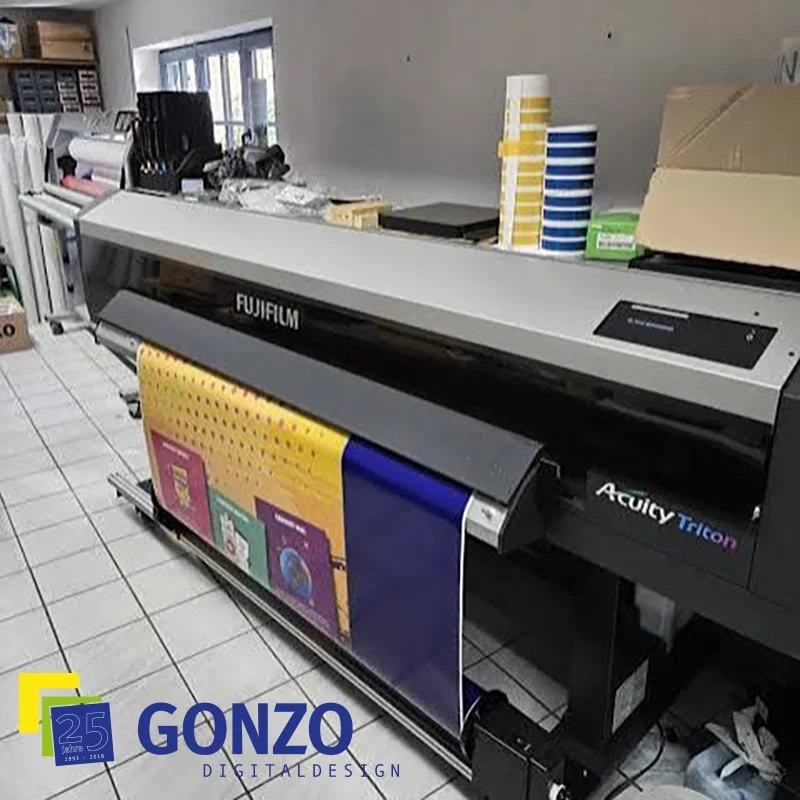
Ratingen, Germany – October 2026 – Gonzo Design, a full-service advertising specialist covering textile printing, digital printing, signage and vehicle lettering, has invested in Fujifilm's Acuity Triton large-format UV inkjet printer featuring Aquafuze ink technology.
The move marks a significant step in the company's drive to raise print quality, broaden application versatility and improve air quality within its production facility.
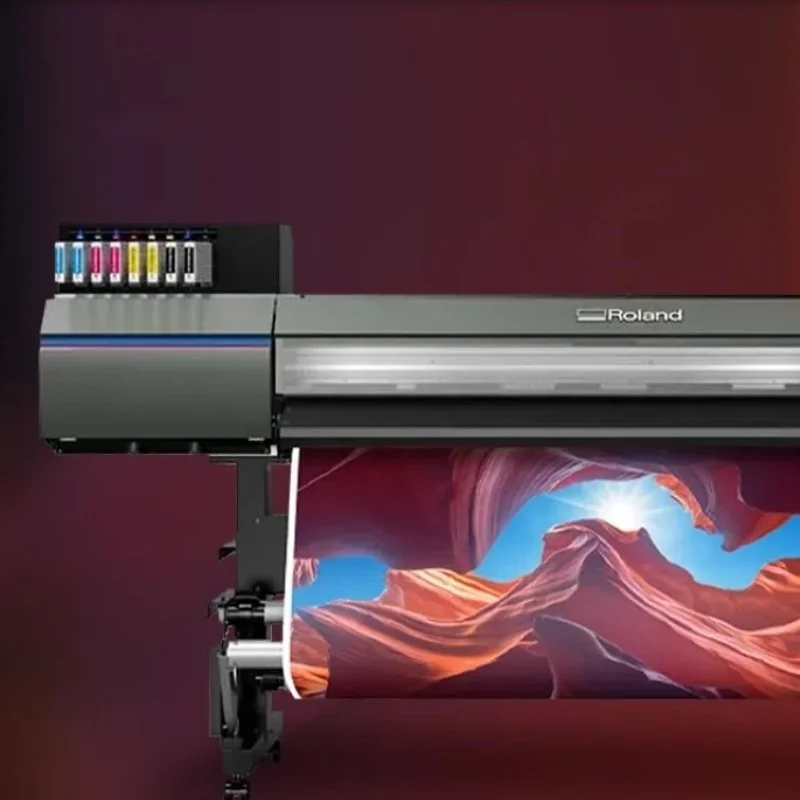
Reading – UK – October 2026– Roland DG Europe today highlights the DGXpress ER-641, a dedicated print-only solution designed to help print businesses deliver professional-grade graphics without stretching their budgets.
The new device addresses a growing need in the industry: balancing high-quality output with manageable production costs and everyday workflow demands.
As print businesses look to scale, every investment must work harder to justify its place in day-to-day operations.
The ER-641 has been engineered with this challenge in mind, offering a focused, print-only solution that keeps both initial investment and ongoing running costs firmly in check.

Tokyo – Japan – October 2026 – Klieverik has announced the successful delivery and installation of another GTC131-2000SP FL calendering line, which has safely arrived at its new home with a customer in Japan.
The milestone underscores Klieverik's continued commitment to providing reliable, high-performance machinery to manufacturers across the globe.

Leicester, UK – October 2026 – VeriVide Limited, a leading provider of colour assessment solutions, has confirmed its attendance at the Society of Dyers and Colourists (SDC) Coloration & Finishing Conference 2026, taking place in Bradford on the 15th October.
The company will exhibit throughout the event and deliver presentations on the industry's transition to LED lighting and the evolution of visual and digital colour assessment

Ottawa, Ontario – October 2026 – Corel today announced it will host a live webinar exploring how organisations can unify branding, signage, print and digital work into a single, flexible creative workflow.
The session takes place tomorrow, October 14th , and is open to creative professionals, studio leads and business owners looking to streamline how their teams produce and deliver work across formats.

Bologna, Italy – October 2026 – Valiani, a leading innovator in precision cutting technology, has today announced the launch of its new GEN 2 cutting machine at FAMAART Bologna.
Designed specifically for high-volume matboard production, GEN 2 represents a significant step forward in the industry's pursuit of greater efficiency without compromising on quality.

Fremont – Ca – October 2026 - Fiery, a global leader in digital front end (DFE) technology for print, has announced that the full recording of its webinar, Beyond CMYK: From More Colours to More Impact, is now available on demand.
The session addresses a pressing challenge facing today's commercial print providers: how to move beyond the limitations of standard CMYK to meet rising client demands for bold, brand-accurate colour.

Dubai, UAE – October 2026 – FESPA’s exclusive Leadership Exchange event, FLEX, will return to Dubai on 26 November 2026, bringing together senior figures from across the Middle East's print and signage industries for a day of strategic dialogue and knowledge sharing.
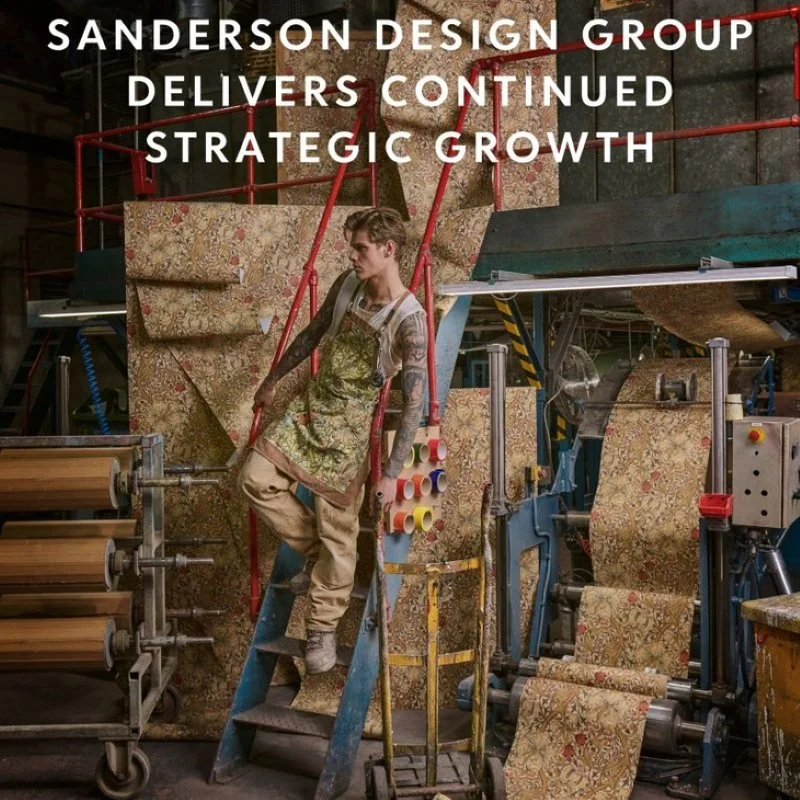
London, UK – October 2026 – Sanderson Design Group plc. has today announced a robust first-half performance, underpinned by sustained momentum across its business and the continued delivery of its focused growth strategy.
The results highlight the Group's growing international reach and its commitment to building a more resilient, sustainable future for the design industry.
Revenue for the period rose to £51.4m, while statutory profit before tax increased by 69% to £2.5m.
Adjusted profit before tax also grew significantly, up 47% to £3.3m

Telford, UK – October 2026 – China Print Supplies UK Ltd has today released its new 2026 price list, introducing new machines, updated bundle deals, and revised pricing across its range of print, cutting, and finishing solutions.
The updated catalogue reflects the company's ongoing commitment to equipping print businesses with reliable, cost-effective equipment as the industry continues to evolve.
With new machinery added to the lineup and refreshed bundle options, China Print Supplies UK aims to make it easier for customers to find solutions tailored to their operational needs and budgets.

Burgdorf, Switzerland / Geretsried, Germany, October, 2026 – Long-lasting performance textiles require solutions that address a wide range of consumer expectations, from lasting freshness and comfort to reliable protection against the elements.
SANITIZED and RUDOLF are highlighting their latest innovations, demonstrating how specialized textile technologies can support the functional durability and wearability of modern apparel.

Altstätten, Switzerland – October 2026 – Zünd has announced that it will open its headquarters in Altstätten, Switzerland, on 18–19 November 2026 for Zünd Technology Days 2026, a two-day event dedicated to live technology demonstrations, expert presentations, and an in-depth look at real-world production processes.
Milan, Italy – October 2026 – Agfa has confirmed its participation in Viscom Italia 2026, the international trade fair dedicated to visual communication and graphic arts.
The event will take place on 28–29 October 2026 at the Allianz MiCo Convention Center in Milan, with doors open daily from 9:30 AM to 6:00 PM.
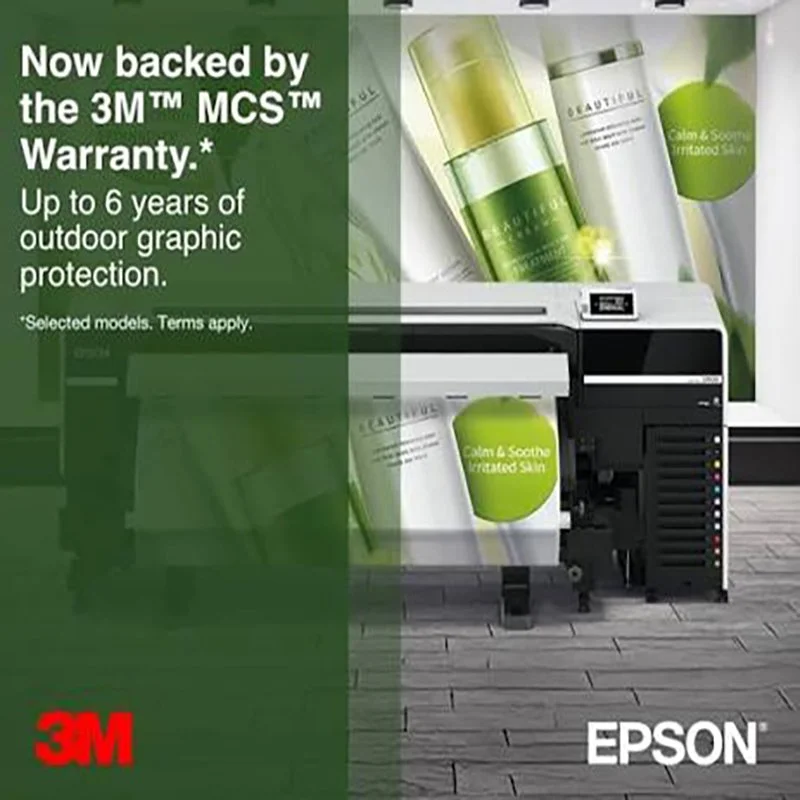
Watford = Hertfordshire- October – 2026 – Epson has announced that selected SureColor printers and inks are now covered by the 3M™ MCS™ Warranty, marking a significant step forward in the company's ongoing commitment to delivering durable, high-performance graphics solutions.
The certification reinforces the longstanding relationship between Epson and 3M, and underscores both companies' shared dedication to quality and innovation in the graphics industry.

London, UK – October 2026 – ARTSTHREAD has today launched the Public Vote for its seventh annual Global Creative Graduate Showcase, inviting audiences worldwide to discover and support the next generation of creative talent.
The vote is now live at vote.artsthread.com, giving the public the opportunity to engage directly with graduating work from across the globe.

Shanghai – China -October 2026 – BARBIERI Electronics, a global leader in professional colour measurement solutions, has announced its participation in ALL IN PRINT CHINA 2026, taking place from 12–16 October 2026 at the Shanghai New International Expo Centre.
The company will exhibit alongside its partner, Beijing Dingli Xintong Technology Co. Ltd, at Booth N2A219, where COO and Co-Managing Director Viktor Lazzeri will meet with customers, partners and print professionals from across the industry

Bracknell – Berkshire - October 2026 - UFABRIK has added IGEPA Hungária to its expanding European distribution network, bringing its digital textile portfolio to customers across Hungary through one of the country’s leading print and visual communications suppliers.
The agreement will see IGEPA Hungária introduce the UFABRIK range to customers from its operations in Budapest and Nyíregyháza, with local stockholding, technical support, and wide-format availability up to 5 metres.
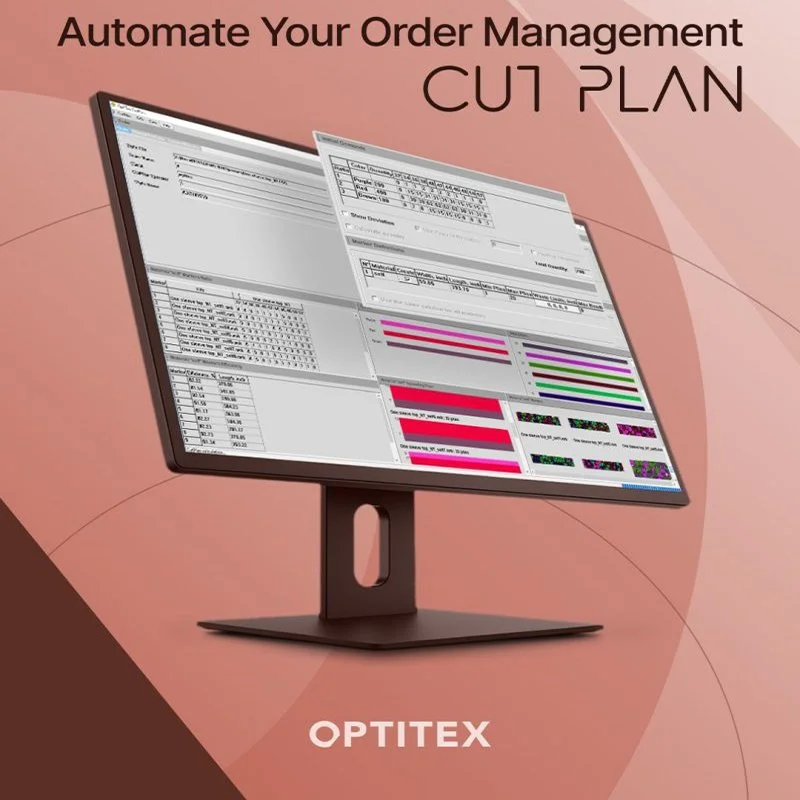
New York – NY – October 2026 – Optitex, a global leader in fashion technology solutions, has announced a significant update to its CutPlan software, introducing Purchase Order (PO) Wise capability as part of its O/26.1 release.
The new feature allows manufacturers to plan multiple Purchase Orders for the same style independently, addressing a long-standing inefficiency within the cut planning process.

United Kingdom – September 2026 – Inkloft, a new specialist digital printing business founded by Gary Weyman and Andy Hancock, has announced its entry into the direct-to-film (DTF) market.
The company has been appointed as a distributor of DuPont™ Artistri® DTF products, including P1600 inks and Artistri Jettable Adhesive JA1100, both now available to purchase online through inkloft.co.uk.

Peterborough, UK – October 2026 – Snuggle Ltd has today reaffirmed its commitment to redefining industrial garment decoration, combining high-volume output with environmentally responsible production methods at its Peterborough facility.
The announcement highlights the company's investment in water-based pigment ink digital printing technology, a move designed to cut the environmental footprint of large-scale apparel decoration without compromising on quality.
At the core of Snuggle's operation is industrial water-based pigment ink digital printing, which replaces the chemical-heavy alternatives traditionally used across the sector.

Manchester – October 2026 – Premier Digital Textiles has today highlighted its 33130 Achill Natural Linen, a beautifully understated fabric defined by timeless texture and natural character.
The luxurious fabric reflects the company's ongoing commitment to quality materials that serve both designers and the environment
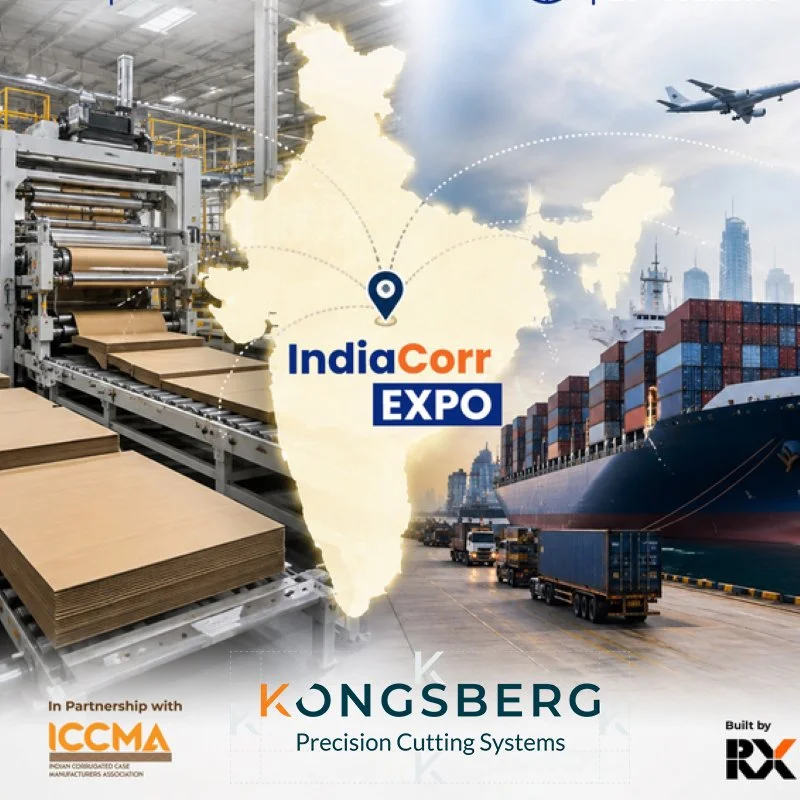
Gent – Belgium – October 2026 – Kongsberg Precision Cutting Systems has announced its participation in India CorrExpo 2026, following a successful week exhibiting at PRINTING United Expo 2026.
The company will showcase its latest advancements in digital cutting and routing technology, demonstrating how businesses across print, display, packaging and signage can achieve greater precision, productivity and scalability.
The event will take place from 14 to 16 October 2026 at the Bombay Exhibition Centre in Mumbai, where Kongsberg will be exhibiting at Booth B80, Hall 4.

Konica Minolta Business Solutions (UK) Ltd has reinforced its two‑ decade partnership with Epson by expanding the range of Epson wide format print technologies now available for live demonstration at its UK Client Engagement Centre (CEC) in Dunstable.
The move reflects Konica Minolta’s commitment to supporting the UK commercial print sector with a broader, more versatile portfolio and giving customers hands‑on access to leading solutions.
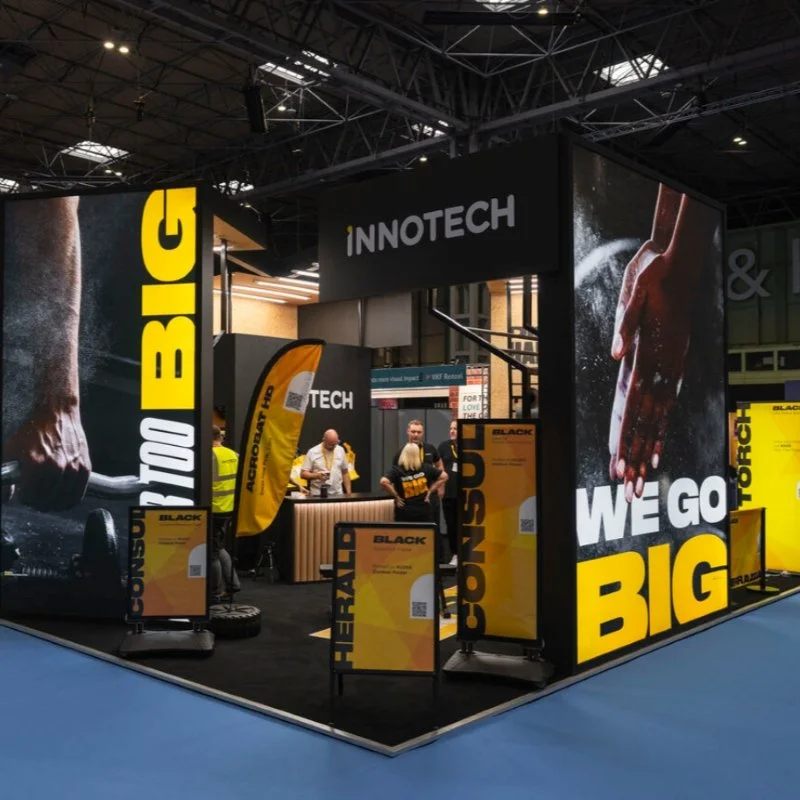
Coalville – Leicestershire – October 2026 – Innotech Digital & Display has concluded a successful first-time exhibition at The Print Show, held at the NEC over three days, unveiling its new Black Display Hardware Collection and demonstrating its materials in action through a series of industry partnerships.
The event marked a significant milestone for Innotech, offering the company its first opportunity to engage directly with the wider print community on this platform.
Visitors to the stand were able to explore product samples, view the newly launched Black Display Hardware Collection, and speak with the Innotech team about the latest developments in digital and display materials