HOW DID WE GET TO THIS CROSSROAD - AND WHERE DO WE GO FROM HERE - SUSTAINABLE MANUFACTURING

“The corona virus has changed the commercial landscape forever, and whilst the pandemic has delivered a global catastrophe for many businesses, new opportunities now arise and offer a welcome juncture to reset and action systemic reform” - Debbie McKeegan
As we approach the beginning of a new chapter in the history of manufacturing nobody could have predicted the collective impact of Covid-19.
The corona virus has changed the commercial landscape forever, and whilst the pandemic has delivered a global catastrophe for many businesses, new opportunities now arise and offer a welcome juncture to reset and action systemic reform.
Our CEO Debbie McKeegan was invited to join Omer Kulka, CMO of Kornit Digital for an online conversation to discuss the automation of the supply chain, in this instance focussing on the fashion industry – However the same issues are systemic throughout the textile sector.
“Business Unusual”. << Watch Here >>
Here’s a brief synopsis of the highlights from their discussion:
As a catalyst for change - the crisis has flagged the urgent need for sustainable supply throughout the Textile industry. The supply chain has been disrupted by the crisis and in truth its weaknesses have been exposed. A post pandemic business plan must be risk averse. That requires change, and only by the adoption of digital technologies can the textile Industry make the seismic shift to deliver prosperity alongside sustainability.
How did we get to this crossroad?
The Textile Industry is a huge sector, with deep, complex supply chains. Each component in the journey to just one singular product may travel many thousands of miles and cross multiple vendors. Each and every transaction in this chain of product, creates carbon. It also requires time, with many supply routes generating lead times of 3-6 months to complete the journey from design through production and delivery into store. The issue is we don’t have time - time costs money and margins are low, stock-turn has become a critical factor for the textile industry and its retailers. Reacting to trending sales at speed simply isn’t possible when trapped in a lengthy analogue supply chain. The future must be digital, from design through to production and importantly must be driven by retail data.
The digital supply chain must connect all stakeholders and be both intelligent and transparent.
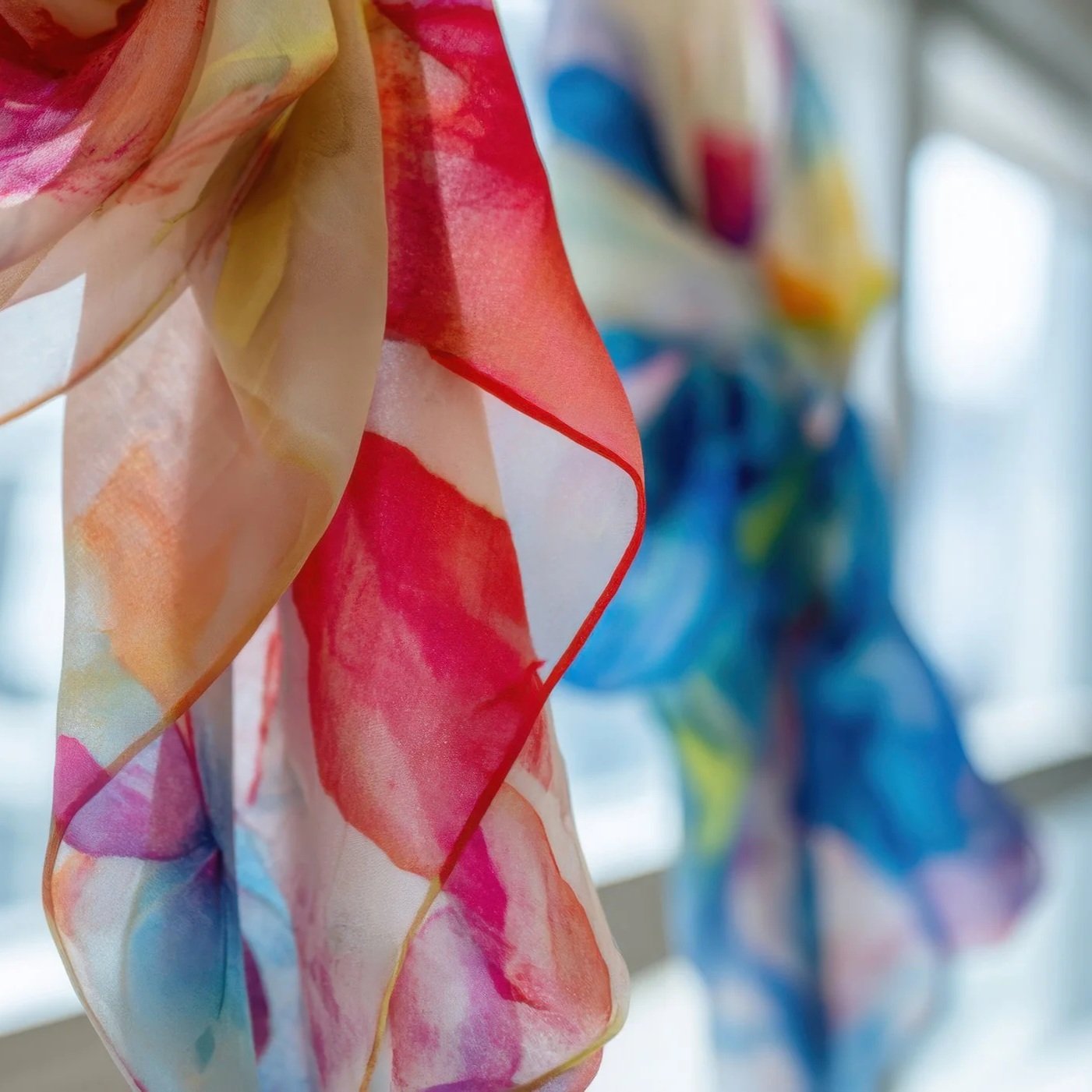
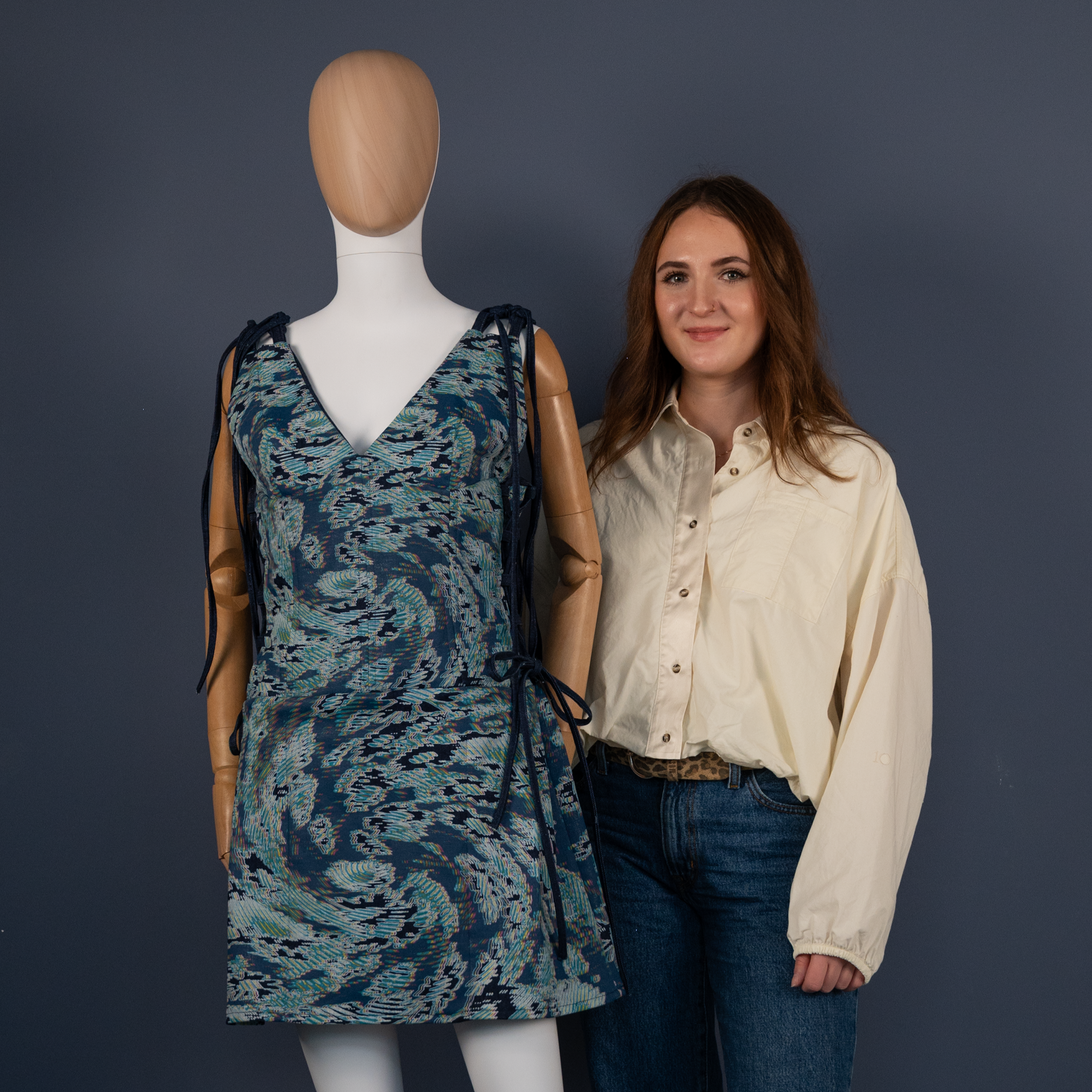
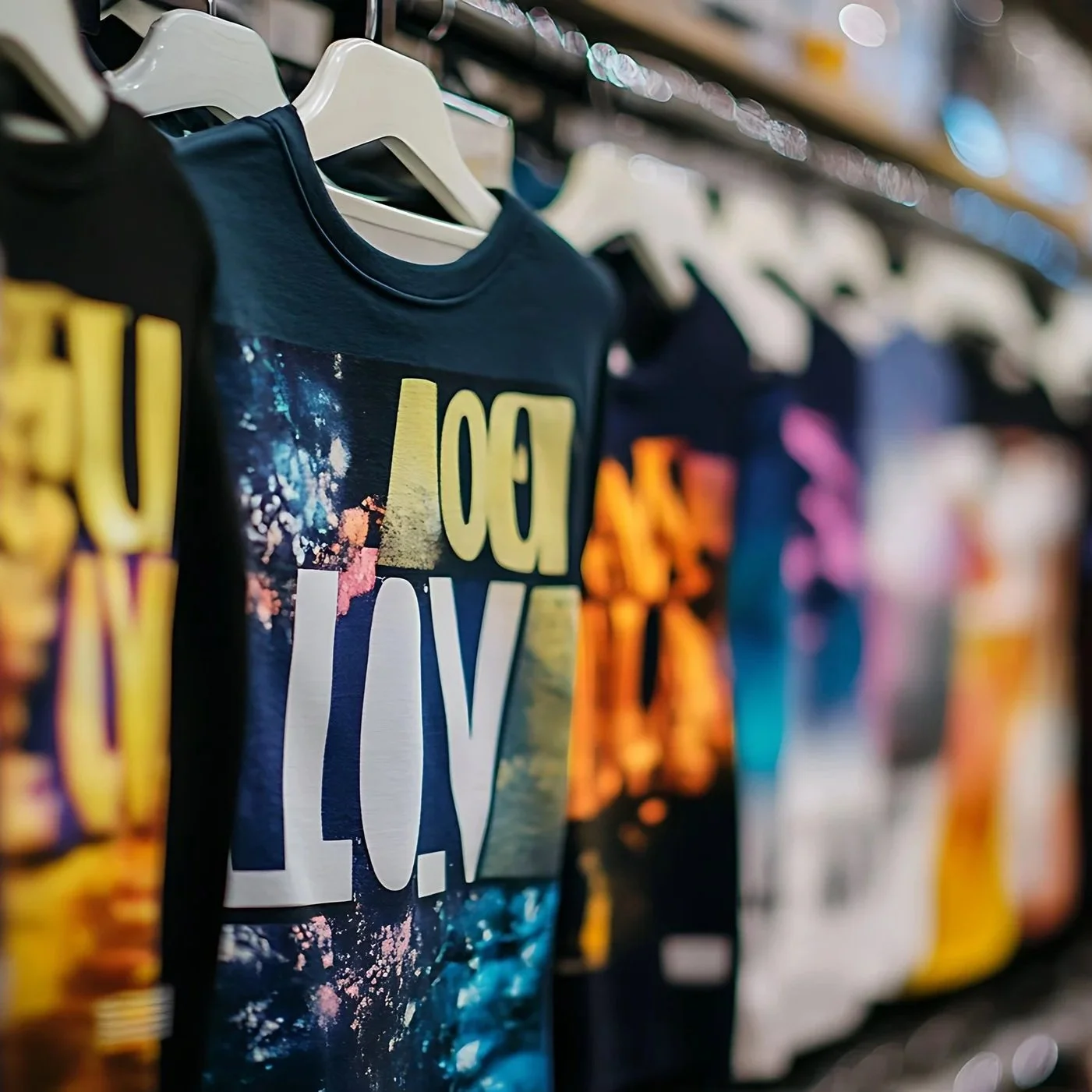
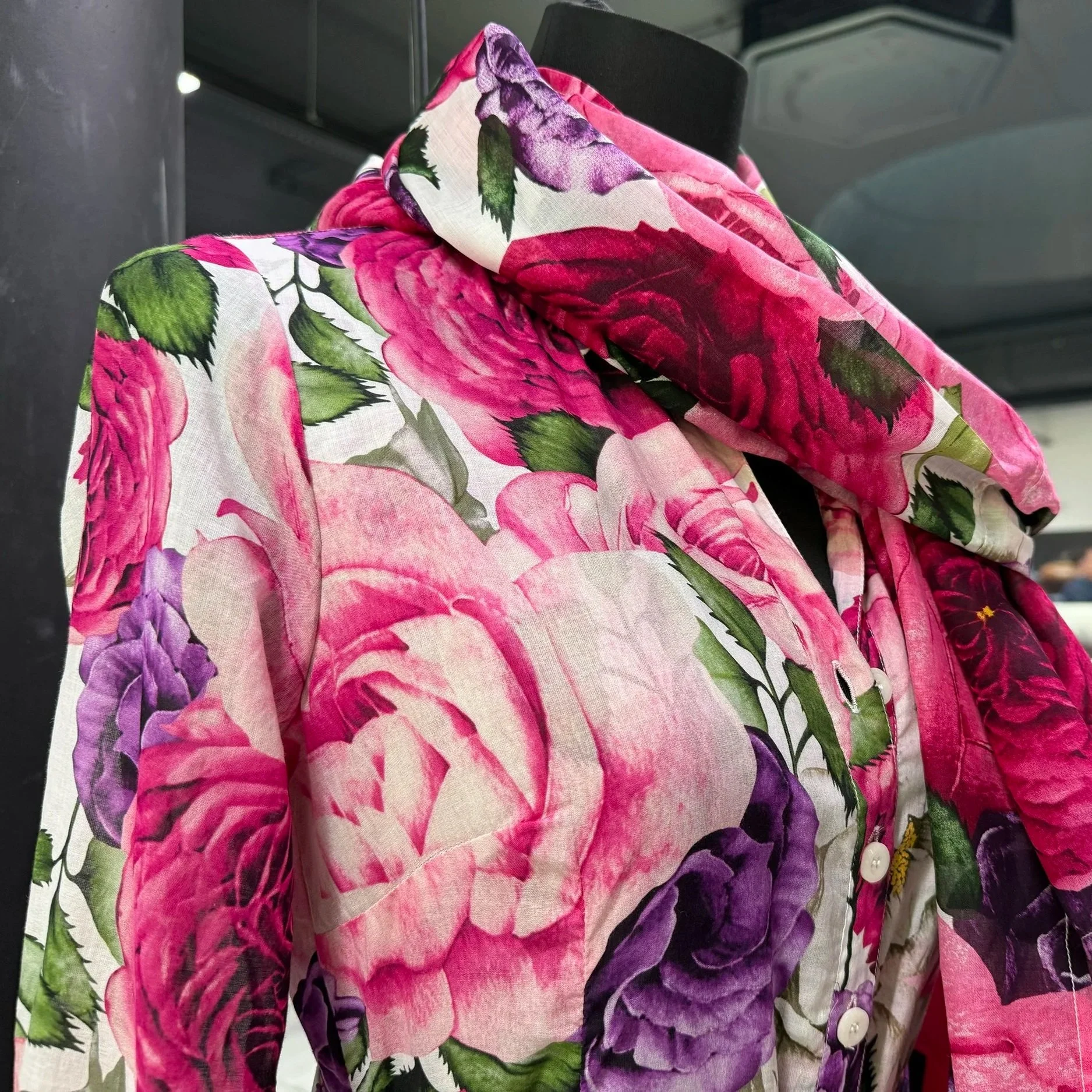
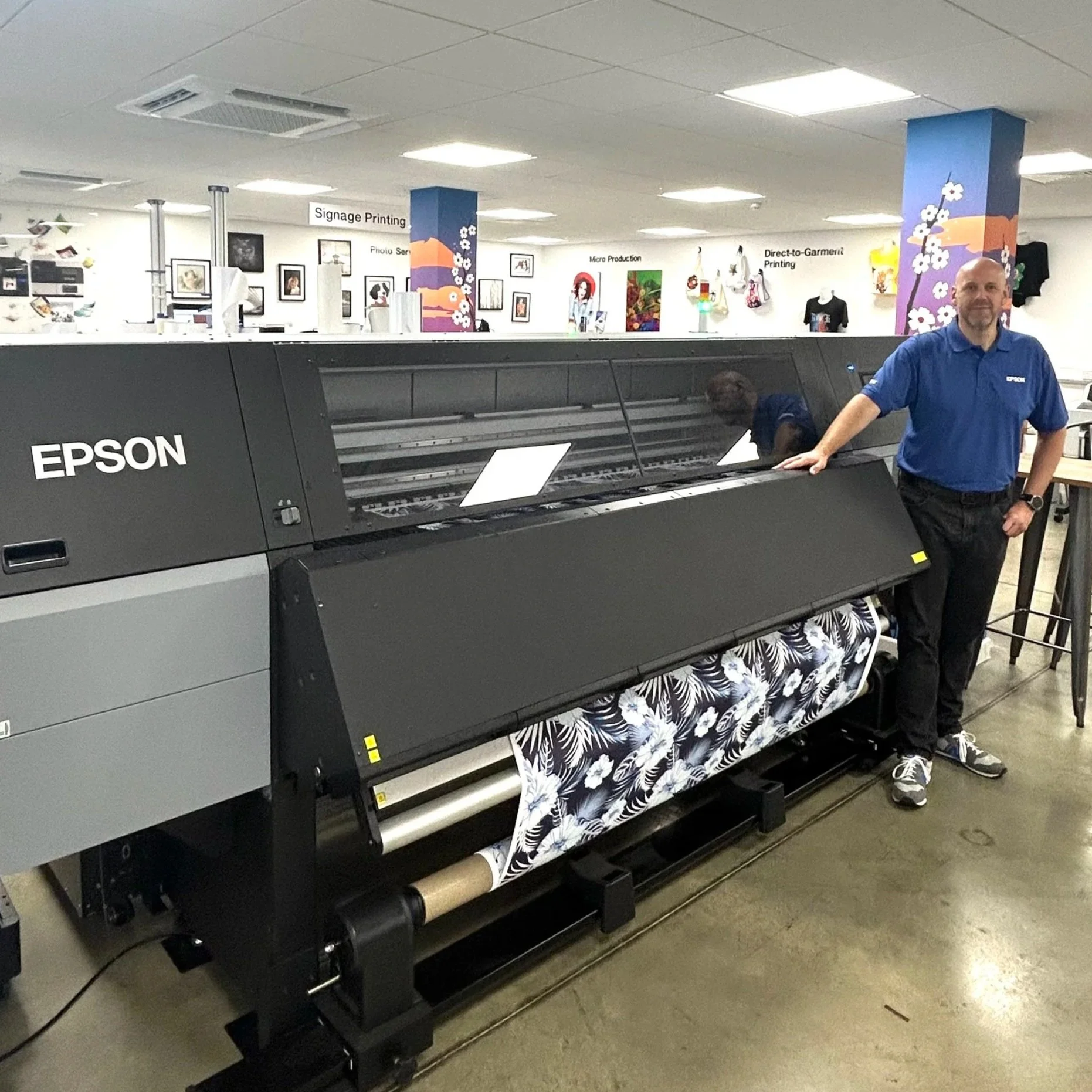
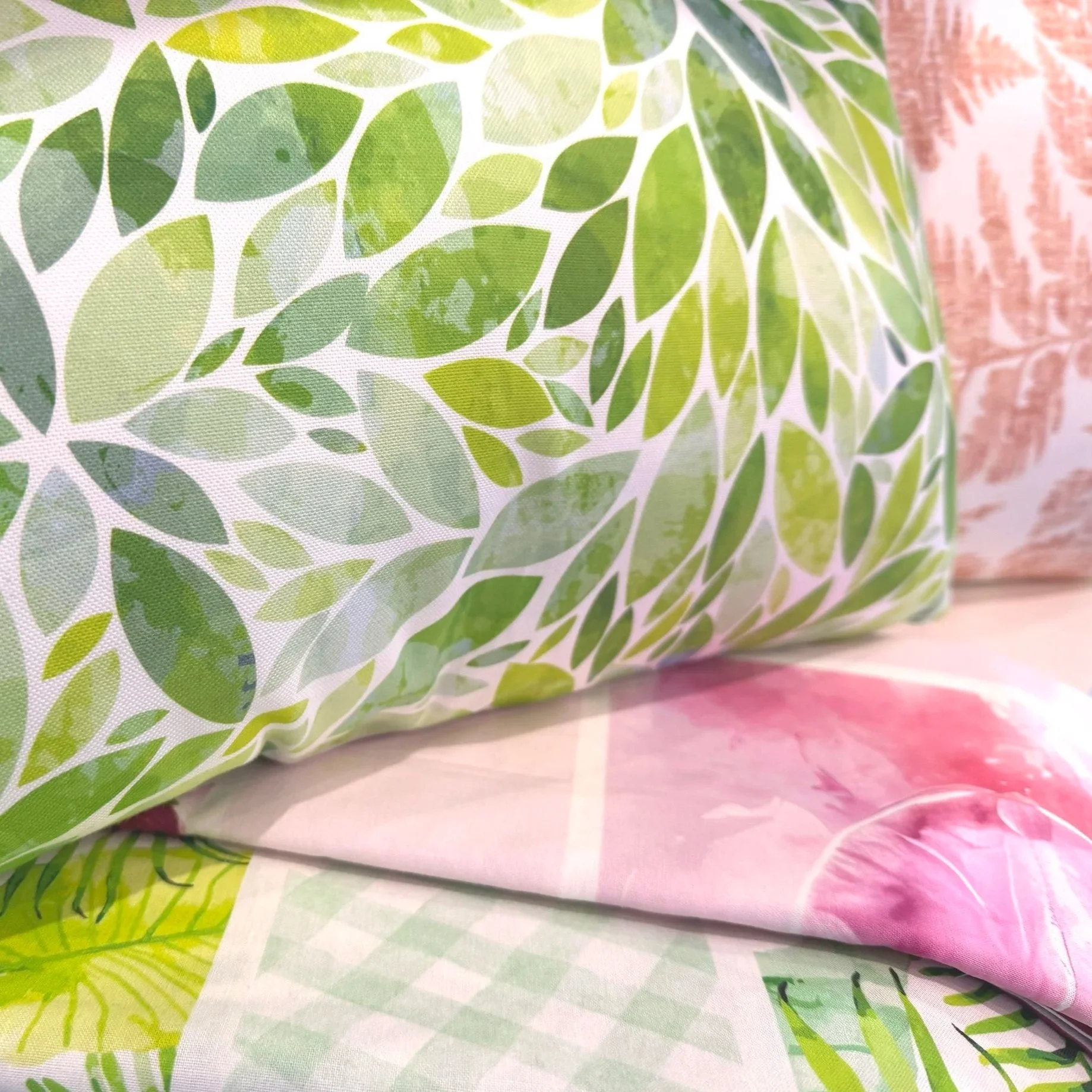
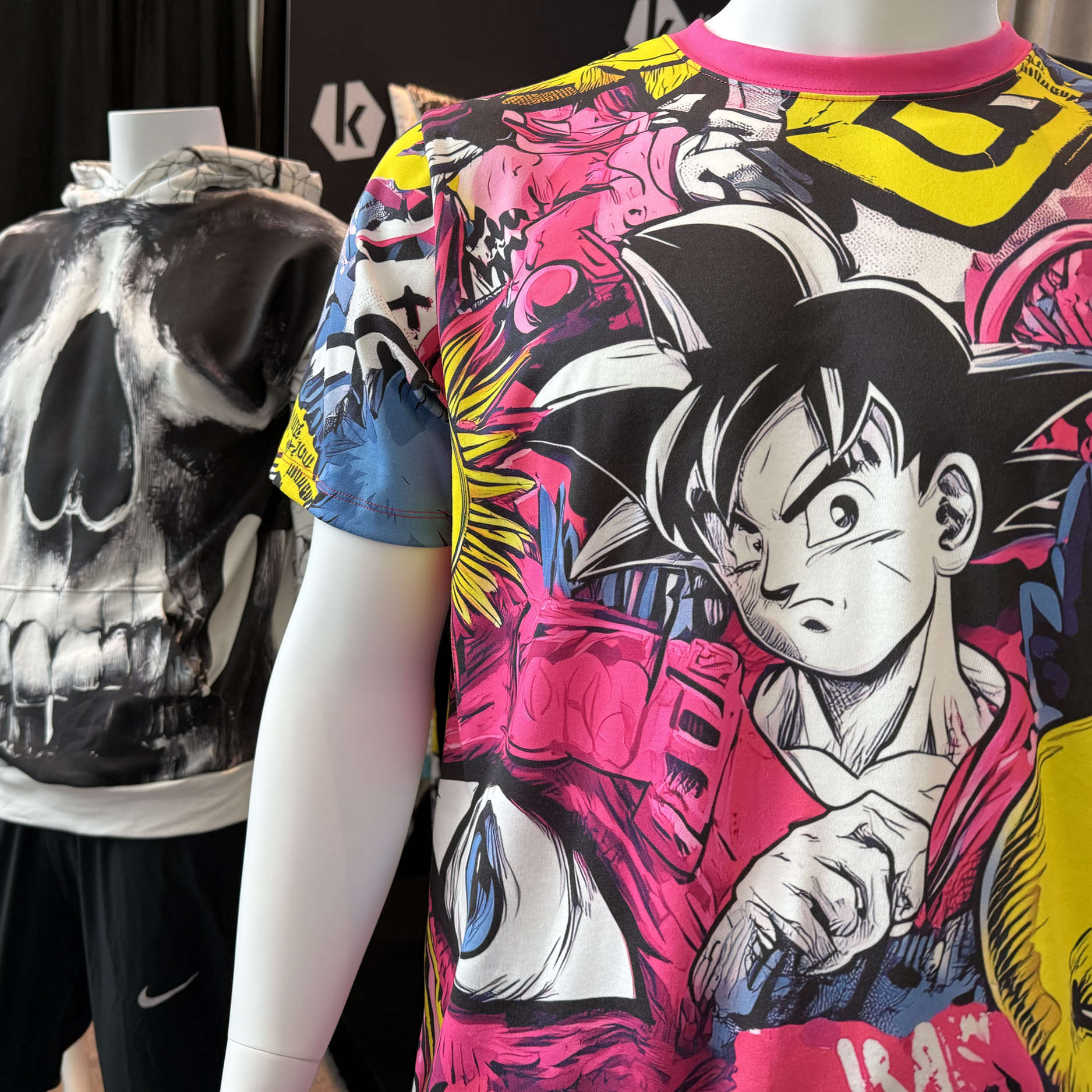
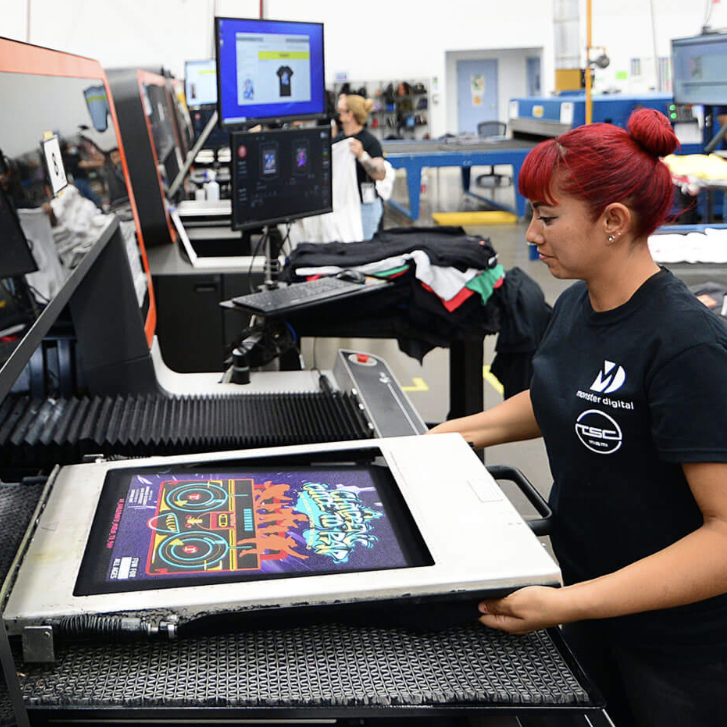
Within the Textile industry many aspects of digitization have already been adopted, especially at the front end of the supply chain, however downstream progress has on the whole been slow. We can design digitally, create virtual twins of physical products using 3D visualizations (these simulations are used for ecommerce sale or product selection prior to production). We can design artwork and create placement prints with embedded colour management and then using digital print technology print fabrics with no minimum meterage. Cutting these printed textiles is now also electronic and conducted at great speed. All of the above saving time – creating no waste and within a sustainable footprint. Digitization increases creativity and delivers product diversity at any scale - just in time!
“These innovations are now a reality - not fiction, or fantasy and offer commercial opportunities” -Debbie McKeegan
Success has been witnessed in companies that have a firm grip on their supply base, or in those who take ownership of the key elements in order to guarantee agile manufacturing from within their own in-house factories. But in general, this isn’t the norm, and the textile industry needs to adapt. It must embrace technology and join the digital regeneration.
The covid crisis is accelerating change. Agile manufacturing is essential, and we can now expect to see the growth of near shore manufacturing throughout the textile industry, regardless of product sector. The issue isn’t limited to the fashion industry, all sectors of the textile industry are in some way affected by unstable supply chains, and the necessity to reduce stock and improve profitability. We have spoken many times of the “micro-factory”, a production facility that is lean and agile and capable of manufacturing at any scale. This model offers a window of opportunity throughout the value chain, in part adoption will without doubt be accelerated by covid-19.
The fashion system is broken, and consistently staggers from one season to the next, with many suppliers and retailers struggling to remain profitable.
To improve product margins the industry has increased the distance (in miles) within the supply chain in search of cheaper manufacturing costs and increased profits.
However in fast-fashion these margins are quantified by volume - to be truly sustainable (both financially and environmentally) this entire process must be reset.
Why does smart manufacturing offer the solution?
The “micro-factory” is in essence the supplier of the future. With all components of the supply chain in one central location, ideally as close to the consumer as possible. The micro-factory significantly reduces carbon emissions as product components are held in one hub and only called-off for manufacture when demand is actioned against intelligent data. Here, for close proximity distribution, lead times are slashed to days or weeks and the carbon footprint of the product is substantially reduced. The vendor’s risk is averted, and sustainable manufacturing achieved with almost no waste or loss of profits as there are no excess products to be discounted.
If the Textile Industry is to supply intelligent retailers both disciplines need to collaborate.
We live in an era where the technology utilised within the retail sector is accelerating faster that than the tech utilised in the supply base. And yet the technology now exists to connect both seamlessly.
As a large vendor working within incredibly long, convoluted supply chains this is an almost impossible mission to fulfil, simply put, there are too many stakeholders to connect. The supply chain must be simplified, profitable margins renegotiated and to do so transparency is paramount. All of which can be achieved in a digitised environment that facilitates smart manufacturing.
As we emerge from the global crisis, we also emerge into a world of new possibilities.
Whether you are a creative, supplier, retailer or consumer we must all now collaborate to fulfil our professional responsibilities. Whether those are corporate or environmental they are all one –
Responsible manufacturing delivers sustainable commerce and a vibrant, profitable textile industry that will protect the earth and its precious resources.
Thank you Kornit Digital for the opportunity to share our insights. Watch the “Business Unusual” Webinar here >>