DIGITAL TEXTILE PRINTING AS A SERVICE – HOW THE 3RD PARTY PRINT FULFILMENT BUSINESS MODEL IS DEMOCRATISING THE INDUSTRY

“This market shift has fed perfectly into the dynamics of the global ecommerce market where apparel and accessories with a value of over USD759.5 billion (Statista) had become the number one ecommerce sector in the world.
Undoubtedly the silver bullet that delivered this fulfilment business model was the inexorable rise of direct to garment printing.” Texintel - Technical Editor
Digital printing has long promised speedy delivery, customisation and short run print capabilities for the Textile Industry.
Yet successful business models originally proved elusive because ease of entry to the sector had driven selling prices down as more and more printers competed in a finite marketplace.
Small scale producers seemed to dominate the field as machine prices tumbled, creating a proliferation of suppliers with low overheads, who were prepared to work at very low margins simply to keep their machines turning. As the market has evolved and driven by the unique production algorithm of Digital Textile Printing and the inexorable rise of ecommerce - a new and vibrant business model now offers exceptional commercial opportunity.
B2B AND B2C - Print On-demand
In this model Digital Printing is now seen as a service, as a component in a broadly based Textile offer, an offer that incorporates digital design, production speed and superfast logistics.
In this new model the Digital Print enterprise offers a managed virtual shop for the designer, where their designs and styles are presented online to the public, but where all the shop functions, comprising order handling, payment processing, digital printing and drop-ship delivery are handled by the Digital Printer.
This market shift has fed perfectly into the dynamics of the global ecommerce market where apparel and accessories with a value of over USD759.5 billion (Statista) had become the number one ecommerce sector in the world. Undoubtedly the silver bullet that delivered this fulfilment business model was the inexorable rise of direct to garment printing.
The Role of DTG
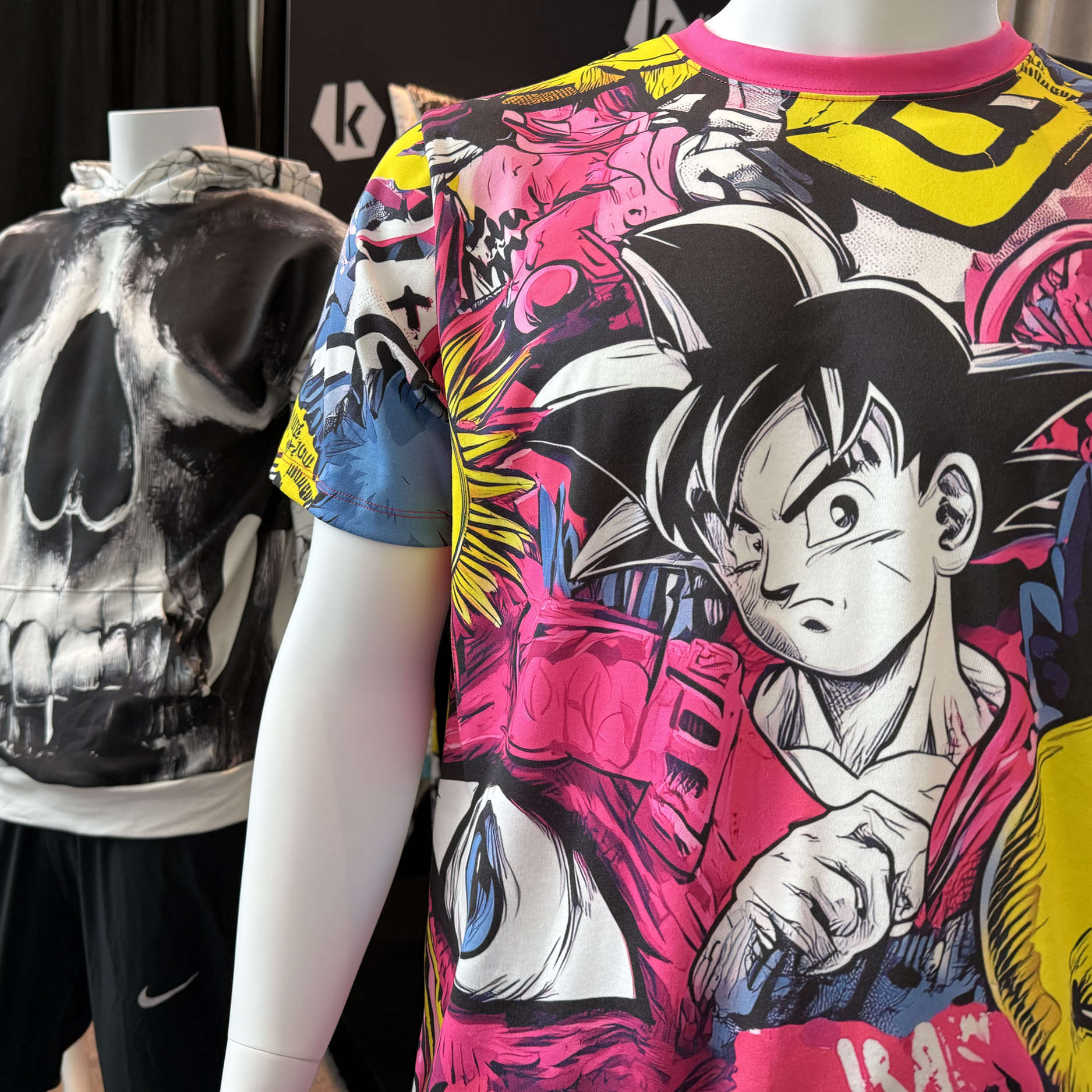
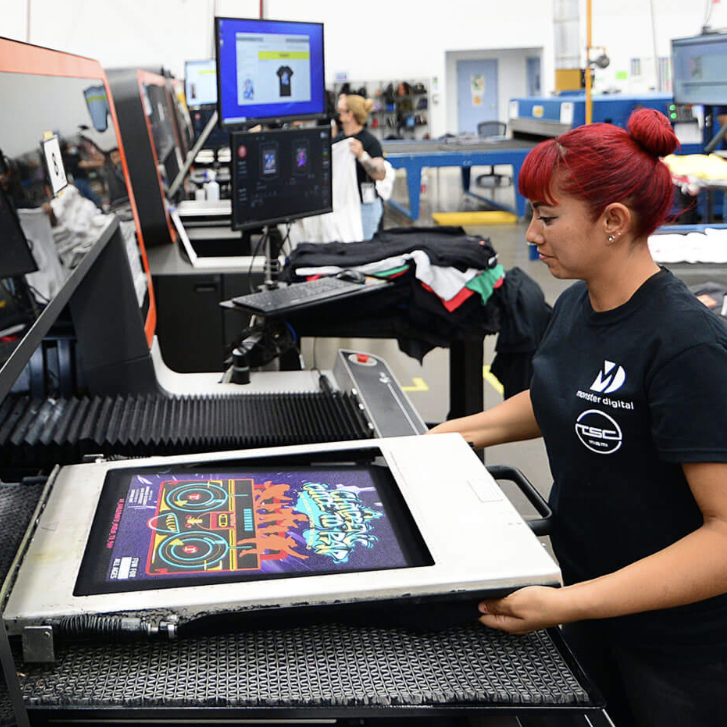
Direct to Garment (DTG) technology by printing prints on pre-sewn garments, offered customised designs, created from digital files that could be ordered, produced and dispatched within 24 hours.
Pre-sewn blank garments are widely available in the world market and organising supply is not a difficult proposition.
This has created a vibrant USP for clothing designers, who historically had to wrestle with finished goods, supply issues from 3rd world suppliers, and then had to manage viable inventories that walked the tightrope between customer service and economic viability.
DTG printing has enabled fulfilment enterprises to bridge the gap between service and inventory, and to provide an economically successful service for apparel designers, who now sell their products through the printers webshop using API technology. This has generated a substantial increase in production volumes, as creativity and business opportunity harness the benefits of on-demand, digital production.
DTG Technology
Driving this revolution in the supply chain is DTG technology. A number of pioneering machine manufacturers, have continued to double down on machine developments, ink research and software innovation.
Kornit Digital, who at the 2004 SGIA expo in Minneapolis presented their first DTG machine to the trade (almost 20 years ago). Since that launch Kornit have continually advanced their penetration of this emerging sector with extensive, impressive machine, ink and software developments.
Kornit have now a wide range of DTG printers using HD6, XDi and Max technologies to widen the spread of products and surface effects that can be printed.
Their new systems print on Polyester, Cotton and Blends in a unique one-step process that has contributed to Kornit Digital’s financial success in the last 2 decades (since 2004).
Another early starter in the DTG field was Brother. In 2005, at the ISS Atlantic City show, Brother International introduced the GT-541 Garment Printer to the market making it the first “ground up” DTG printer offered. This printer had print heads, ink, and electronics developed specifically for DTG printing.
The latest Brother GTX Pro Direct to Garment Printer is equipped with an industrial white print head that allows for internal ink circulation inside the print head as well as throughout the machine, greatly reducing white ink wastage.
At the Chicago PRINT 2013 show Epson introduced the F2000 printer. The release of this printer was notable - as it addressed many of the issues prevalent in DTG printing at the time. One of the most important features of the Epson F2000 was its ink set as it had a two-year shelf life and did not have the settling or clogging issues of previously introduced DTG inks.
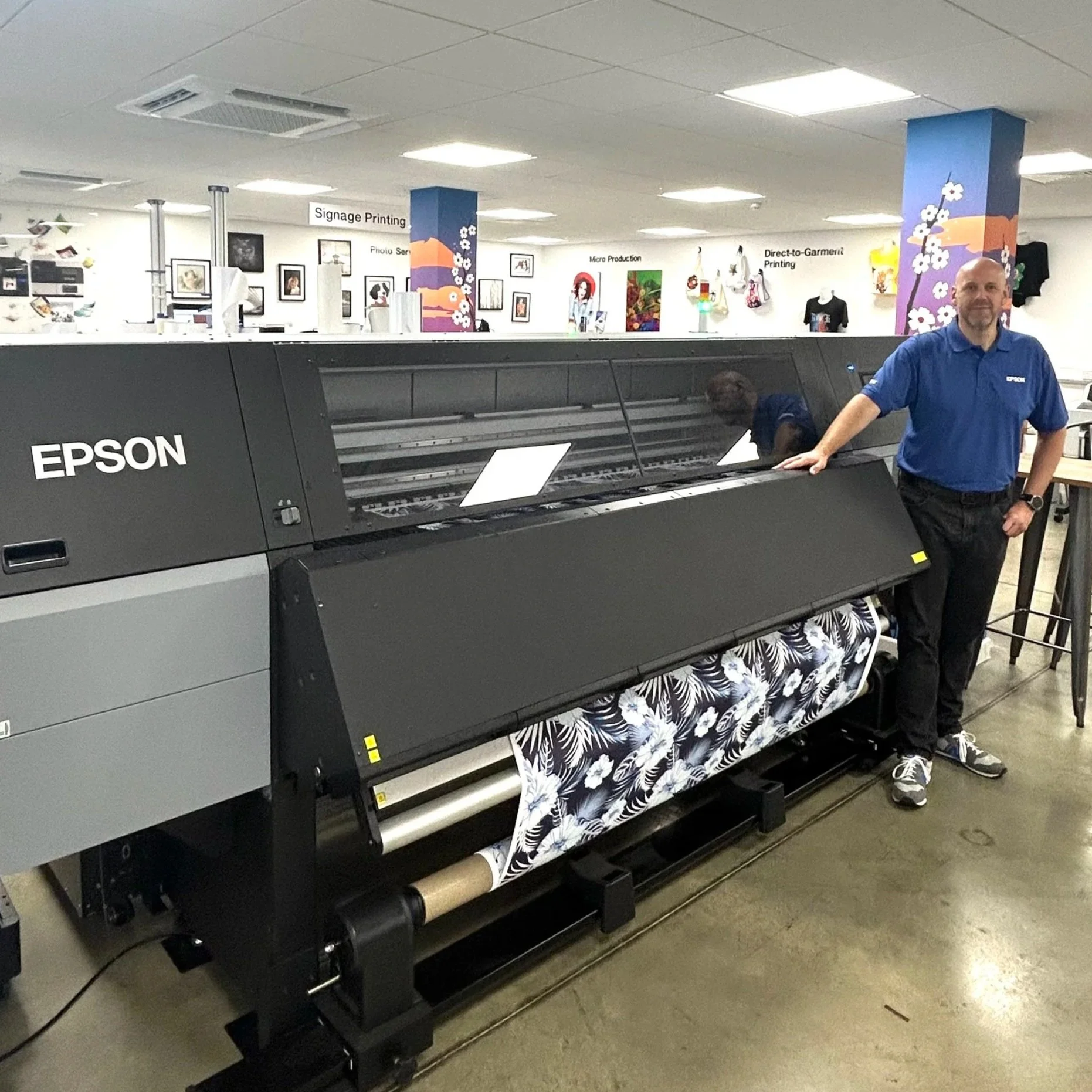
Epson’s latest offering the SC-F3000 is an industrial level direct-to-garment (DTG) printer that's designed for high volume. This production-level printer has incredibly low running costs while speedily delivering high volume, top of the range quality.
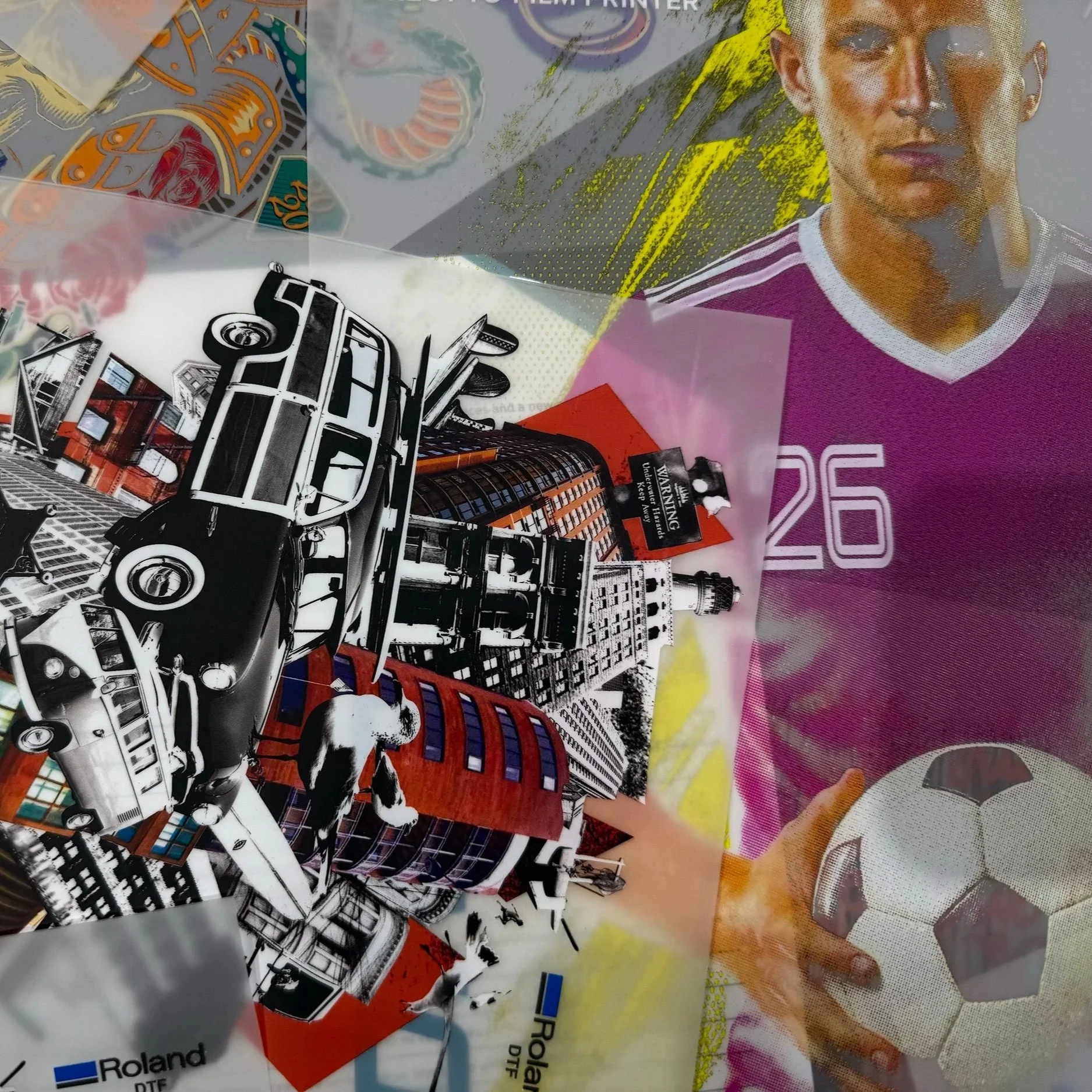
Across the board technology has driven print fulfilment enterprises capabilities upwards, and currently all eyes are on the advent of Direct to Film (DTF) technology which threatens to provide another upward twist to the tech spiral.
The Players
With the conditions right, the combination of print technology and ecommerce has generated a host of success stories among the print fulfilment enterprises.
Leading the way is Printful an on-demand printing and fulfilment company that helps people turn their ideas into brands and products. The company fulfils and ships custom clothing, accessories, and home & living items for online businesses.
Printful is the first unicorn company (valued at over $1B) with Latvian roots and in 2021 the company hit a revenue milestone of $289M. Since its founding in 2013, Printful’s been trusted to deliver 50M+ items and has scaled to a team of 1,600+ people across ten in-house fulfilment centres around the world.
Beyond Printful print fulfilment has also been taken up by the blue chip ecommerce players such as Amazon, whose Merch By Amazon offering encourages the trade to ‘Share your designs’ with the world by creating graphic tees, accessories, and more, all printed on demand, ‘let Amazon handle your printing and shipping, so you can design while we deliver.’
Successful print fulfilment businesses abound, and their success is founded on offering Digital Printing as a Service.
In the UK, Inkthreadable, T-Shirt and Sons and Go Custom Clothing have made their substantial mark, while in Europe Shirt King, Spreadshirt and Print Logistics show a successful way forward for Print Fulfilment enabled by DTG printing.
In conclusion, Digital Printing is an indispensable element in the successful Print Fulfilment Business model, providing speed of response, attractive garments and profitable production that underpin the economic accomplishment of the model.