

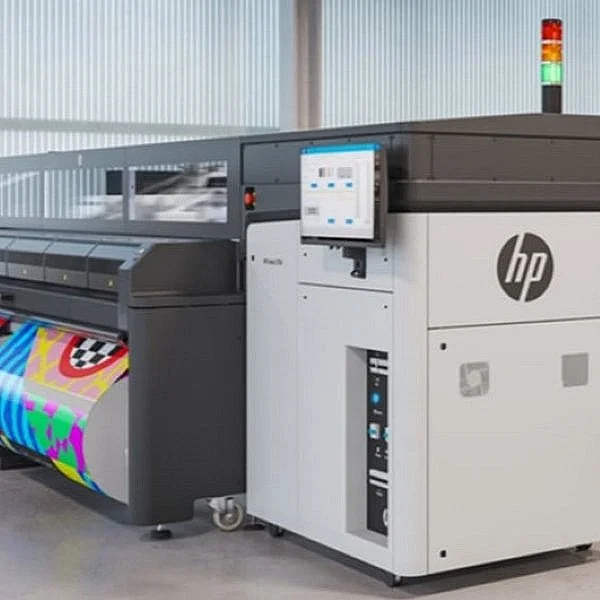
“The HP Stitch technology offers a high-quality finish with a straightforward user interface, allowing students to use it independently. The machines capacity to perform a lot of its own maintenance means that in a busy workshop with many processes, the HP Stitch could be added as a new machine, without compromising the running of the rest of the equipment” - Katherine Wibmer
Cardiff School of Art and Design Invest in the HP STITCH S300 to Expand their Textile Department
Choosing which University to attend is a difficult choice for the young creative. Often decisions are made for the wrong reasons, simply because the students don’t know what questions to ask – or what facilities they may need. And yet the technologies that the next generation have access too during their learning experience will, without doubt, impact their creativity and future employment potential.
We recently caught up with Katherine Wibmer, of Cardiff School of Art and Design to discover how their investment in the latest HP Stitch technology has expanded their printing facility to ensure that students have access to state-of-the-art printing technology and expert training. We asked Katherine, the technical demonstrator for Print and Textiles at Cardiff, to explain the printing facilities offered at Cardiff Met and how they aim to support students’ creativity?
“At Cardiff Met we offer a wide range of printing facilities, in both digital and hand-print techniques. On site we have the Print Studio, housing a range of digital print options, including UV print. We have a paper print workshop, which offers Paper screen printing, Relief printing, Intaglio, and Stone Lithography. In the Textile print workshop, we have facilities for Screen printing with a range of mediums, Lino printing and Mono printing”.
With a large suite of tools and technologies, traditional and digital, Katherine went on to explain:
“A large part of our textile development teaching encourages students to experiment and combine techniques, creating innovate and exciting surfaces. The HP Stitch S300 allows for rapid, high-quality printing of a design onto fabric, which can either be left as a finished print, or then worked further into using processes such as digital embroidery. The speed and quality of the Sublimation printer allows for conversation between digital design and physical process, allowing students to push the boundaries of digital design”.
“The HP Stitch technology offers a high-quality finish with a straightforward user interface, allowing students to use it independently. The machines capacity to perform a lot of its own maintenance means that in a busy workshop with many processes, the HP Stitch could be added as a new machine, without compromising the running of the rest of the equipment”.
With a busy department to run we asked Katherine if ease of use was a big factor in the choice of machinery partner: “Definitely! The ease of use for the students means that it is accessible to a much wider range of students - not just those of a textile background. Students from product, fashion, fine art, and many other areas have already benefited from using the printer on a range of mediums. From a technician perspective, the ease of the maintenance of the machine makes it a perfect addition to a busy workshop”.
“Once students have completed an induction, they can use the machine independently on arrangement. Predominantly, the departments using the machine are Textile design and Fashion design, however it is also being used by fine art, product design, Illustration, and a range of other students.
With so many creative courses and disciplines on offer we asked Katherine if the student’s cross lots of market sectors in their projects - Apparel, Sportswear, Interior Décor: “Yes! The wonderful thing about so many courses using the equipment is that we are really able to see what it can do in different sectors. Students have printed onto fabrics for interiors, fashion, but also for entirely different applications, such as creating board games and fine art installations”.
On arrangement, students can sample a wide range of textiles (almost 20 fabrics) stocked by the University including- Acetate Satin, Crystal Organza, Microfiber, Polyester canvas Albany to name just a few.
Cardiff School of Art offers a wide selection of applications and materials for their students to explore.
Beyond textiles the college also offers sublimation ready metal, ceramic and perspex for students to sample. They welcome experimentation, and so, providing the material is deemed safe, students a can bring in materials they wish to experiment with.
Practical learning is a vital factor for academic development. Katherine explained the benefits: “In a subject such as textile design, I think it is vital that in an increasingly digital world - students remain aware that textile is predominantly a tactile subject. While digital design is now the mainstream - being able to print these designs easily onto fabric allows for greater understanding of fibre properties and designing appropriately for different fibre types.
It also allows for conversation between digital and hand techniques. When a digital print can be so easily produced, it can then be sampled onto with hand techniques, meaning that digital process becomes integrated with traditional, rather than seeing digital and traditional as competing industries”.
Digital textile technologies are constantly evolving and so we asked Katherine: What is the biggest challenge that young textile designers face with new technology?
“I believe that the speed in which technology is moving challenges young textile designers, as it is important to keep up and remain up to date with the latest skill sets. As such, having such a straightforward print process allows more time to be dedicated to teaching digital design techniques.”
Finally, we asked how important the relationship with the technology provider was, in support of, the installation of the HP Stitch S300:
“Cardiff School of Art purchased their HP Stitch from RA Smart who gave excellent advice and assistance. In the initial stages, they helped me to assess what equipment would be right for us and our requirements, all the way through to installation and training. They taught me how to best use and maintain the machine and advised me on how best to manage student usage. They have equipped me with all I need to teach, run, and maintain the machine, and the confidence that should I have any further questions, I can easily get in touch”.
We wish the technical department and the students at Cardiff School of Art great success with their new HP Stitch S300 technology. It makes the perfect addition to this well resourced textile facility, where technology and creativity are encouraged to flourish and thrive…






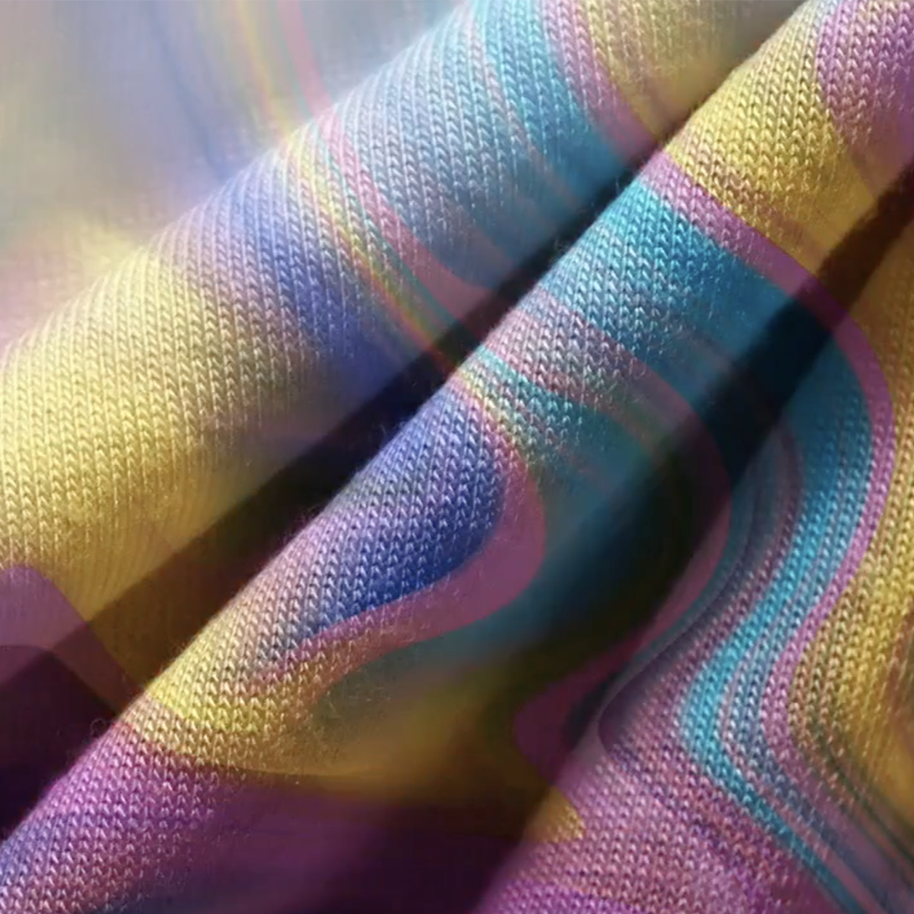
Colour Separation: The Craft Digital Textile Design Shouldn’t Forget
Textile designer Stephan Alker draws on more than 40 years in the industry, going back to his start at Transfertex in 1980, to trace how colour separation moved from drum scanners, hand-retouched films and engraved gravure cylinders to fully digital workflows.
He argues that this production knowledge still matters in the age of digital printing, because properly separated designs give brands far more freedom.
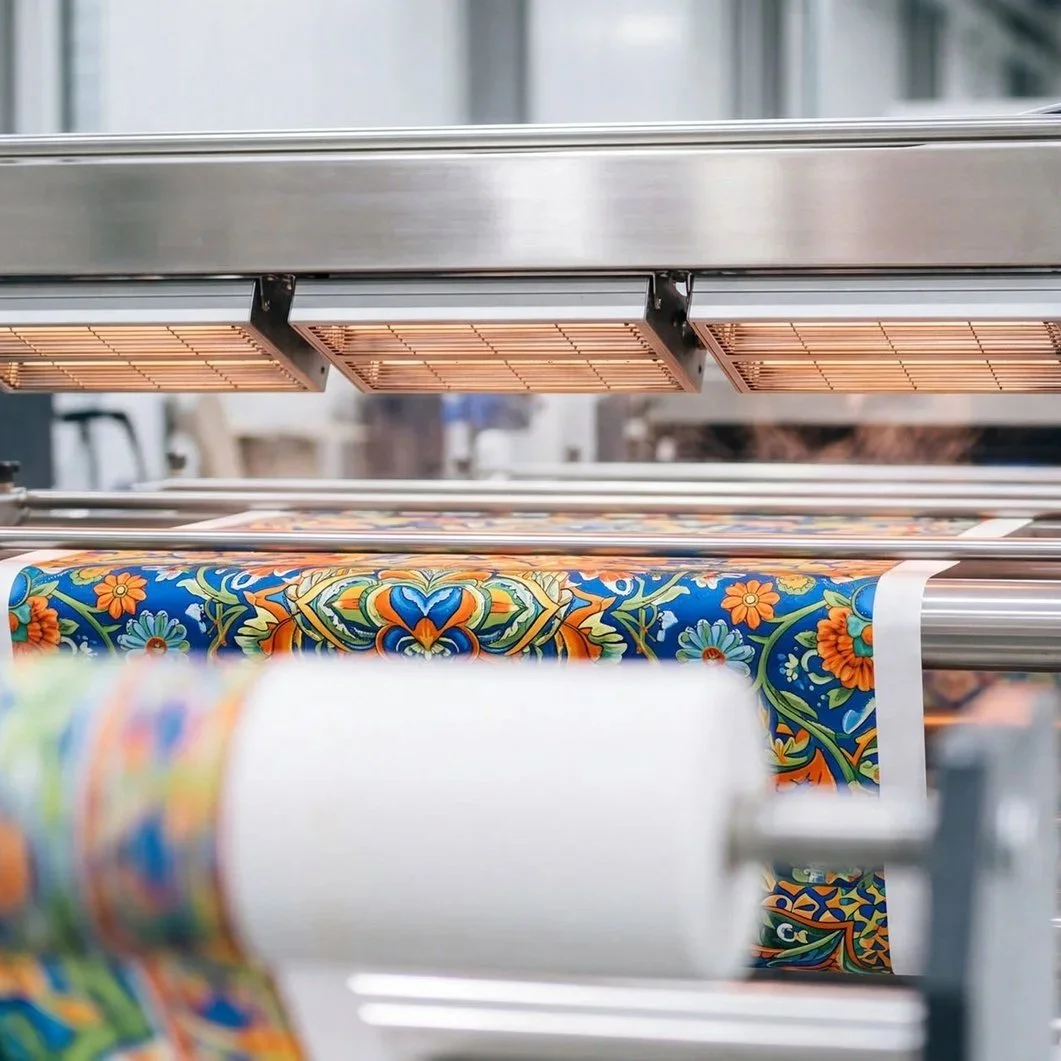
The Path Foward: Connect Every Link:
Design, colour, workflow, production, data. Each link now depends on the one before it, and the printers who will lead the market are those who strengthen the whole chain, not just the machinery at its centre.
So, this autumn, ask the bigger question on your own shop floor.
Not "Which printer?" but "How well does my business connect demand, design and production?"
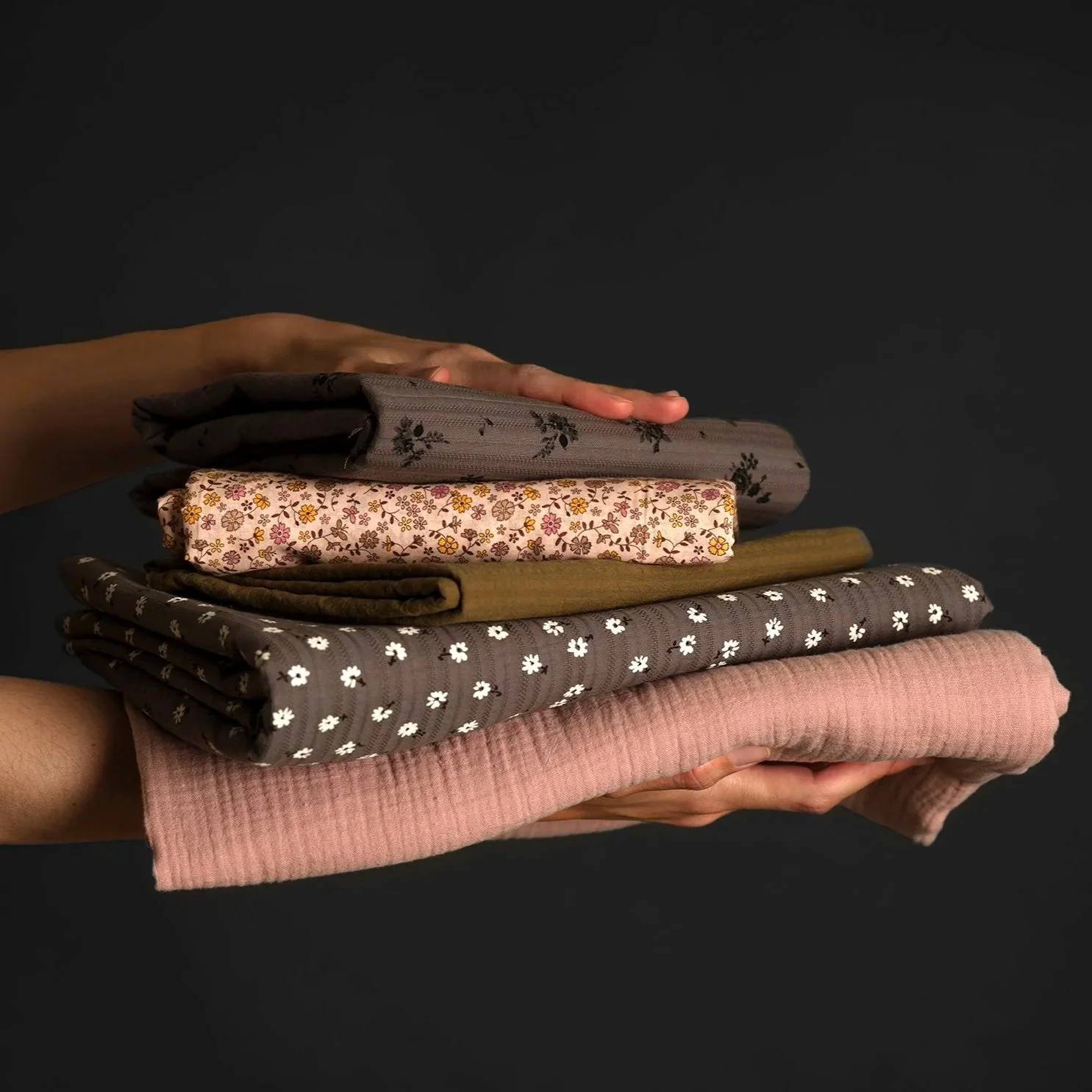
Rebés's story isn't one of nostalgia - It's a working blueprint for how heritage manufacturers can stay indispensable in a market that rewards speed, certification, and specificity in equal measure. Four million metres of stock mean nothing without the digital printing capability to turn it into something distinctive.
A 150-year name means nothing without the R&D discipline to win a tender for antistatic, carbon-fibre-infused uniform fabric on the first attempt.
Image Credit: Tejidos Rebé

What if the next dress you wore never touched the factory floor?
This is no longer a fringe experiment. It is a maturing production model, backed by genuine material science, real circularity, and an AI-assisted workflow that is becoming more accessible by the month.
Her advice to designers and brands alike is refreshingly practical: start small, get hands-on with an accessible 3D printer, and build fluency before the technology becomes table stakes. The businesses that treat this moment with curiosity, rather than scepticism, will be the ones shaping fashion's next decade rather than reacting to it.
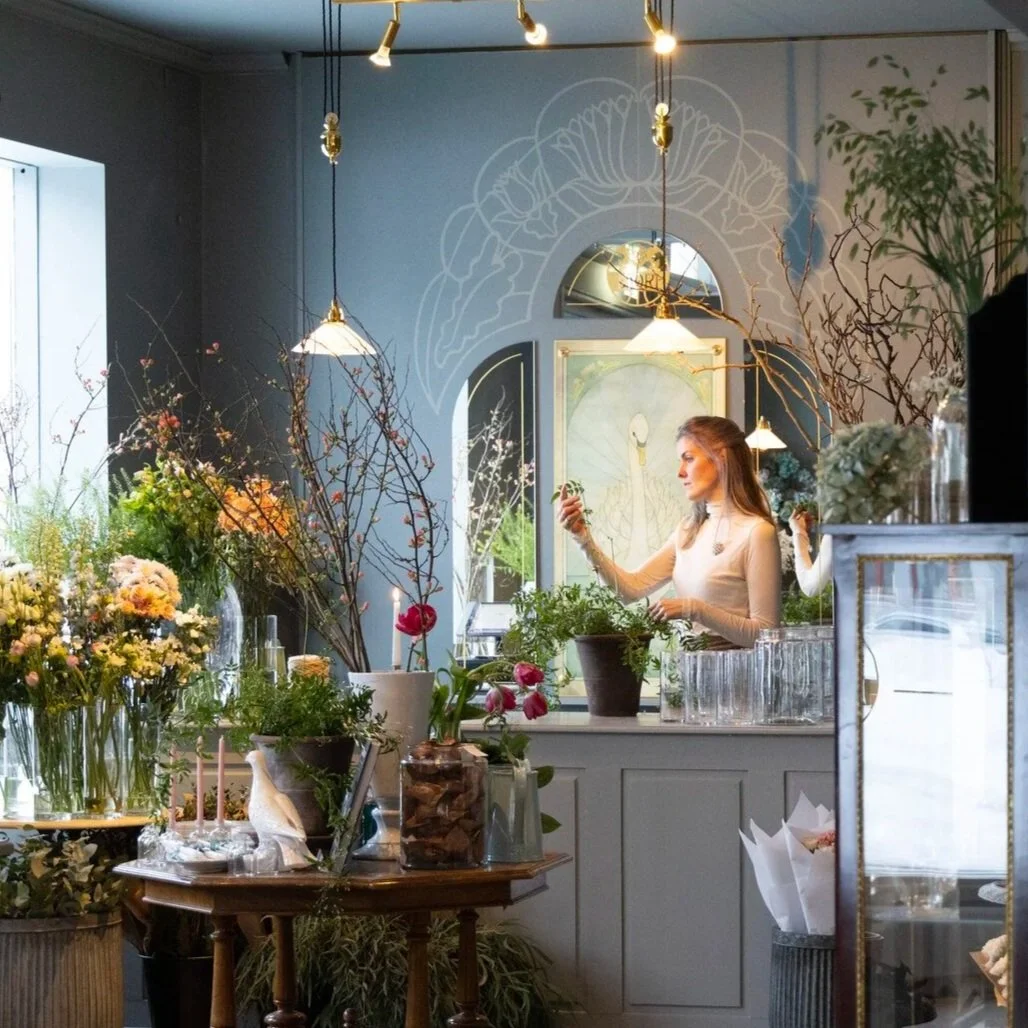
The 2027 FESPA Awards are now open for entry, and the message to businesses across textiles, apparel, interiors and beyond is simple: your work deserves recognition. Every gold winner featured here started in the same place every entrant does - with a project they believed was worth submitting.
As the only independent awards programme with 18 categories dedicated to print and signage, FESPA offers a genuinely global stage, with shortlisted entries displayed at FESPA Global Print Expo in Spring 2027.

Colour Is Too Important to Leave to Chance
Print will always be the part of the garment people see first.
But the sum of all parts — the fabric, the trims, the fasteners, the finish — is what determines whether a design actually delivers on its promise. Brands that continue to treat colour as a single creative decision, rather than a coordinated technical discipline spanning their entire supply chain, will keep paying for it in re-dips, delays, and disappointed design teams.
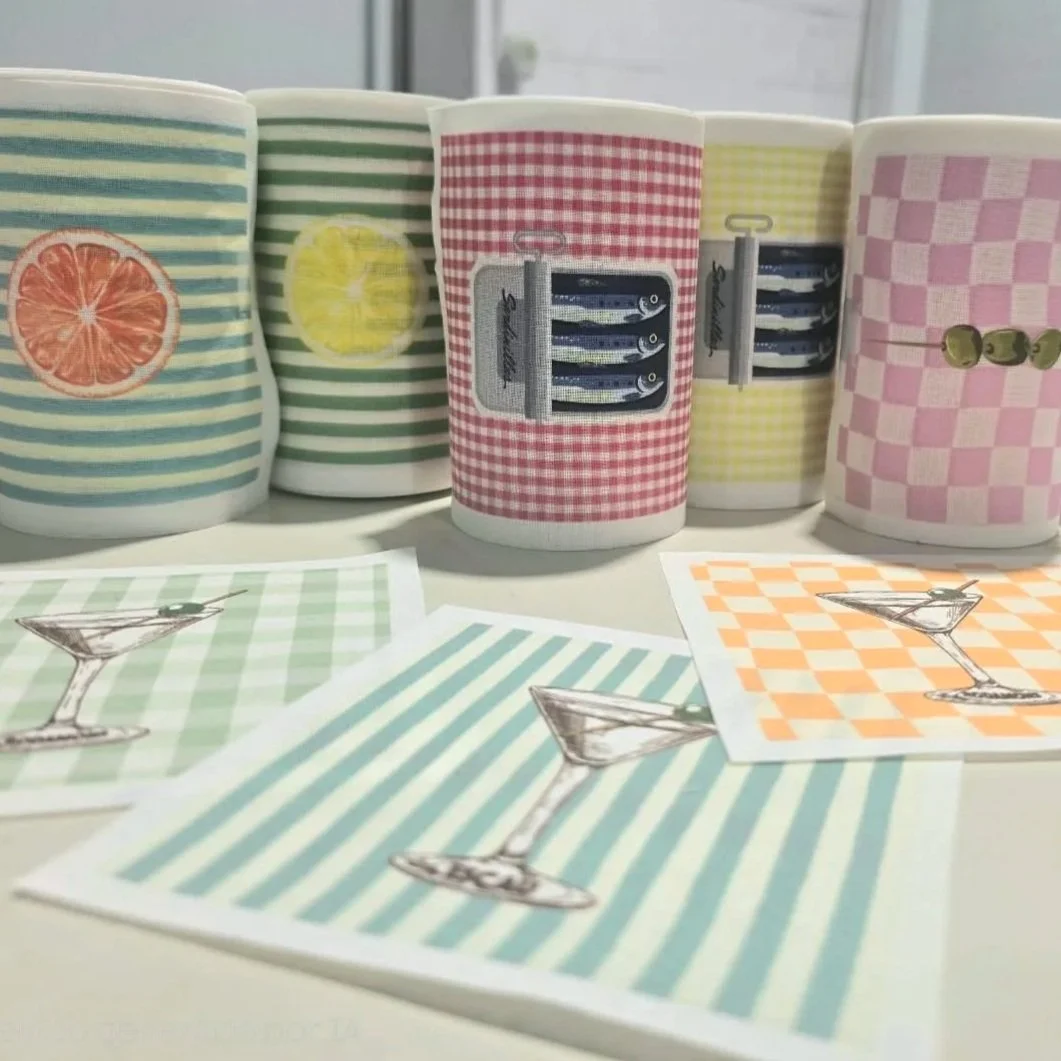
A Century of Textiles, and an Ever-changing World
Few companies can trace their roots back more than a century and still count themselves among their industry's innovators. Texia, headquartered in Monistrol de Montserrat, Spain, is one of them.
But the story of Texia is not simply one of longevity.
It is a story of continual reinvention. As the textile industry has grown more global and competitive, Texia has repeatedly reshaped its business, investing in technology, developing its own brands, and placing sustainability at the centre of its mission. In doing so, it offers a compelling example of how a heritage manufacturer can lead rather than follow through a period of profound industry change. Image Credit: Texia
What are we craving Ultimately?
The instinct to slow down while simultaneously optimising every measurable aspect of life isn't a passing curiosity. It's a structural response to a world that feels increasingly unstable, and it's reshaping what people expect from their homes, hotels, workplaces and healthcare environments alike.
For the design and manufacturing sectors, this means rethinking both product and process.
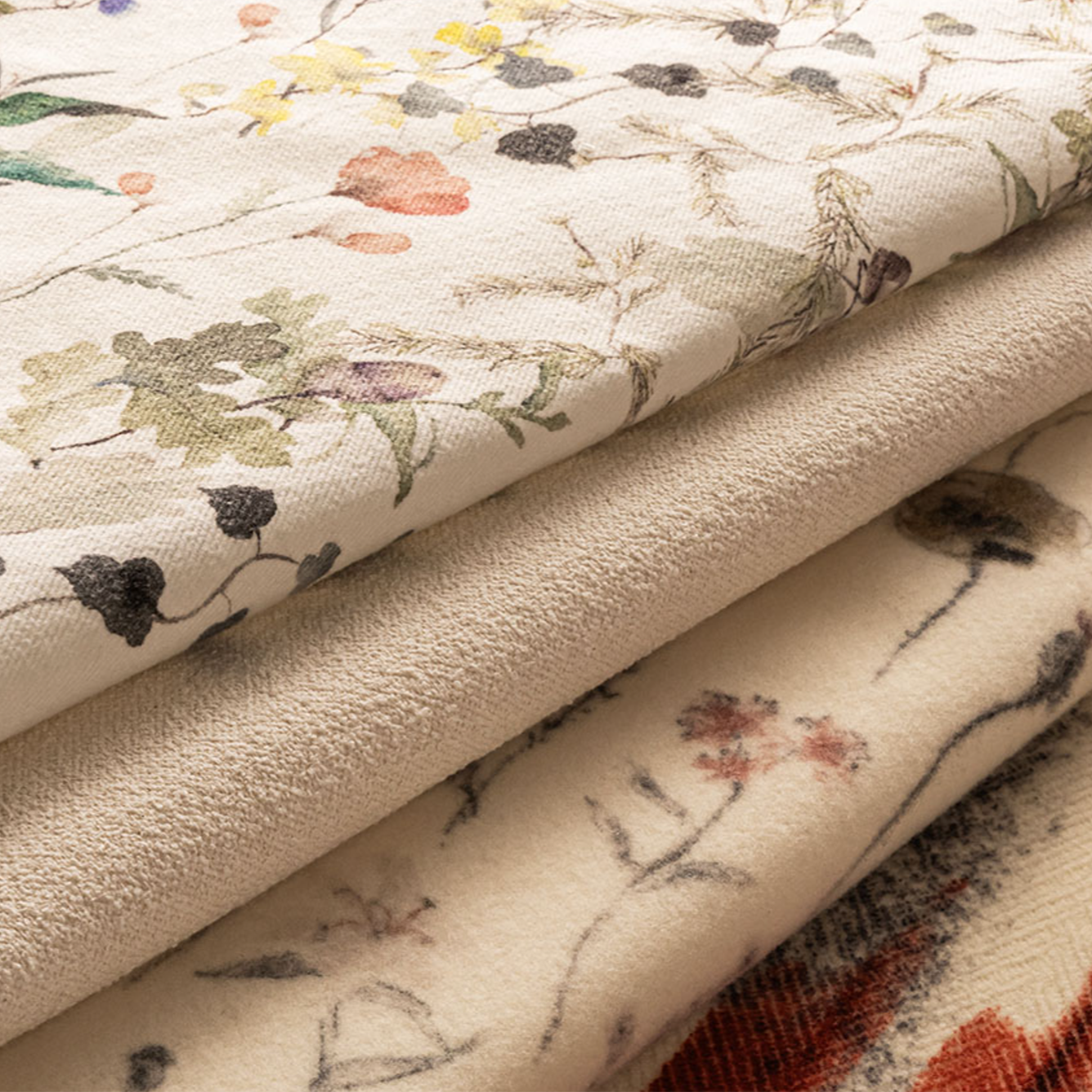
The Structual Shift is Real and its Already Here
Volumes are moving east, where digital production is accelerating rapidly. Consumer behaviour has shifted.
Demand is now driven by personalisation, shorter buying cycles, and an expectation of near-instant responsiveness. Regulatory pressure is intensifying, with supply chain transparency now a legal and commercial fact in many markets. And margins? They are under sustained, structural pressure.
This is not a temporary disruption. It is a fundamental reordering of how textile manufacturing must operate.
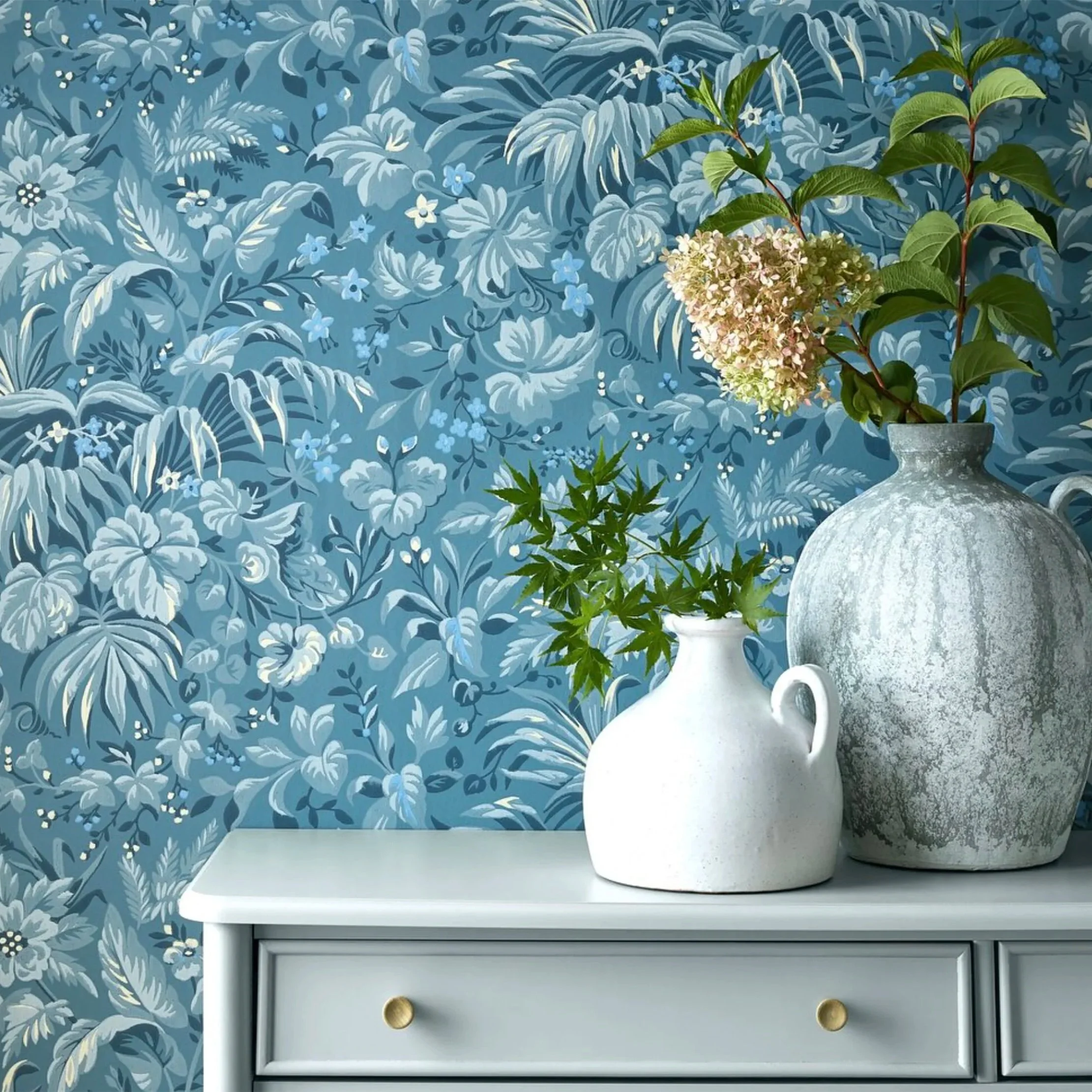
The Challenge: Standing Firm as the Industry Shifts
The wallpaper landscape has changed dramatically. Digital printing has lowered the barrier to entry, spawning countless direct-to-consumer brands and pushing much of the market towards faster, cheaper production.
At the same time, manufacturing in the UK has grown steadily harder - rising minimum wage, national insurance, energy and substrate costs all bear down on margins. Surface Print have embraced all of these challenges - and stand resolutely prepared for the future.
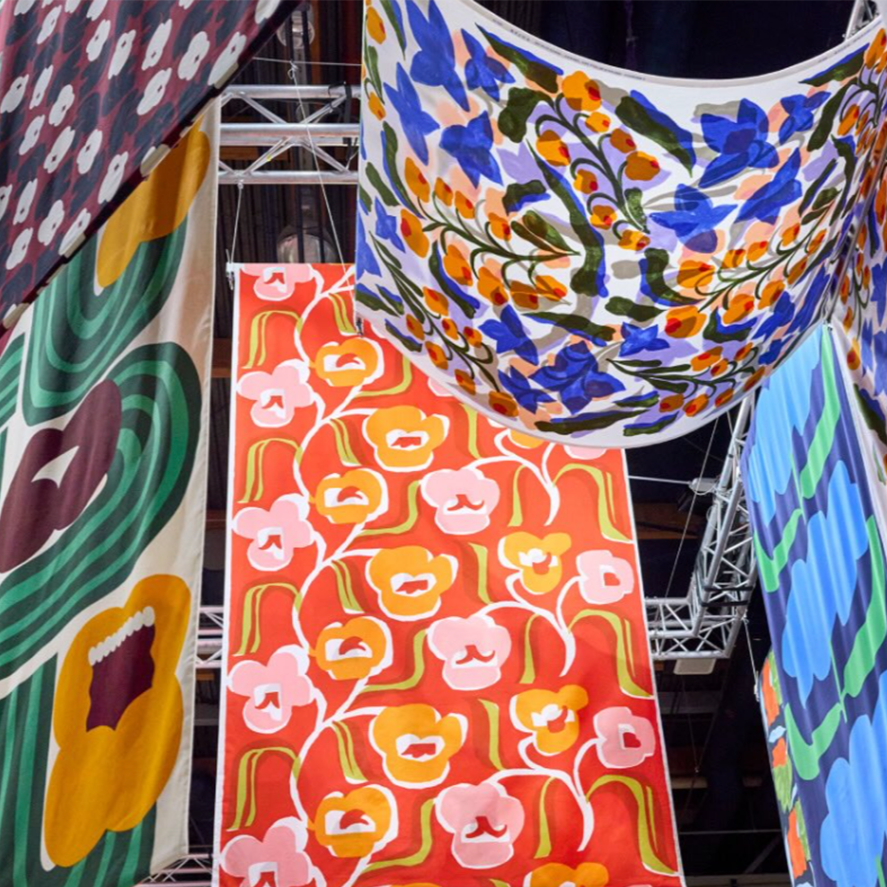
From Helsinki's printing mill to Paris's Le Marais, discover how Marimekko is scaling a design-led brand with purpose, craft, and bold innovation.
But what makes Marimekko's story compelling is not just its aesthetic legacy?
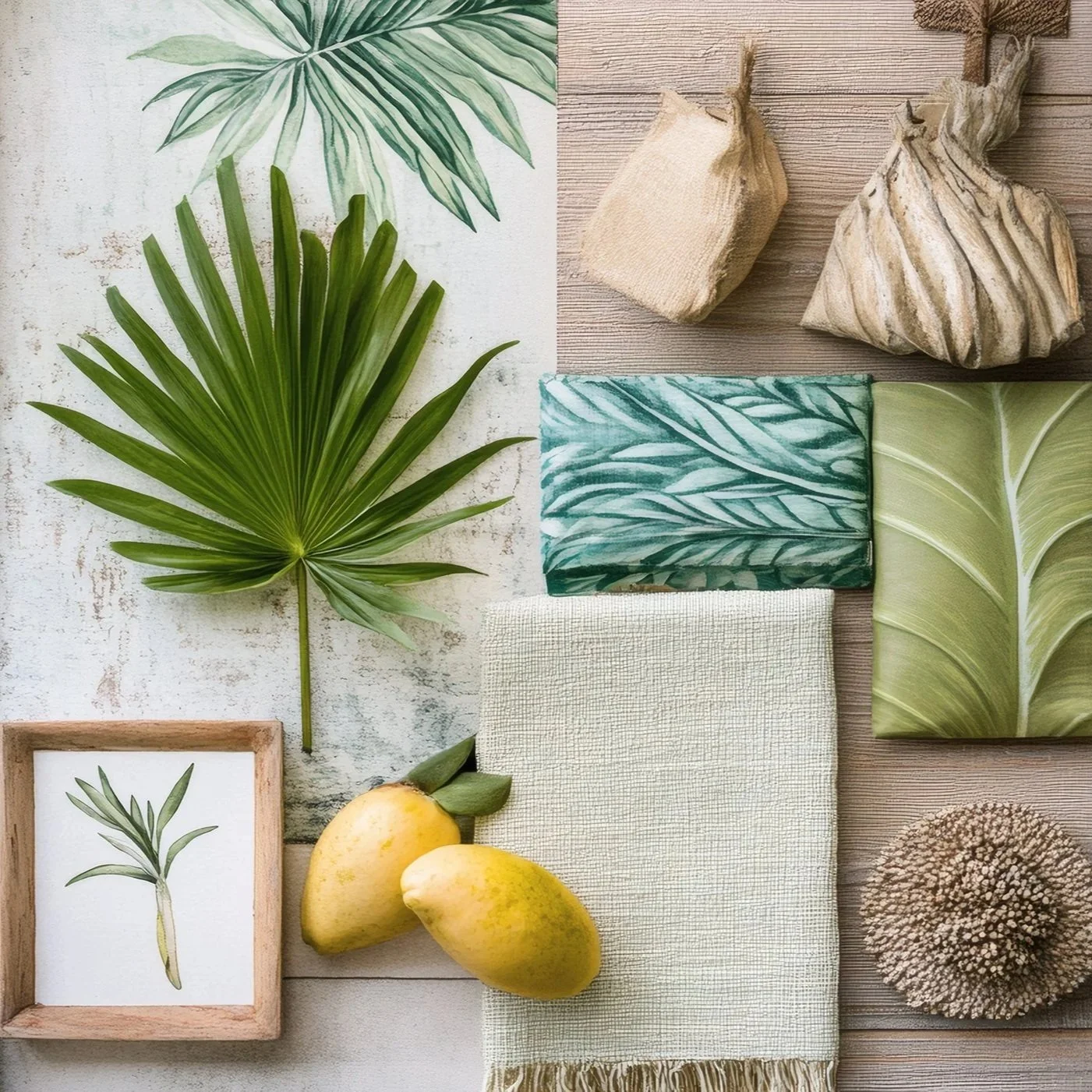
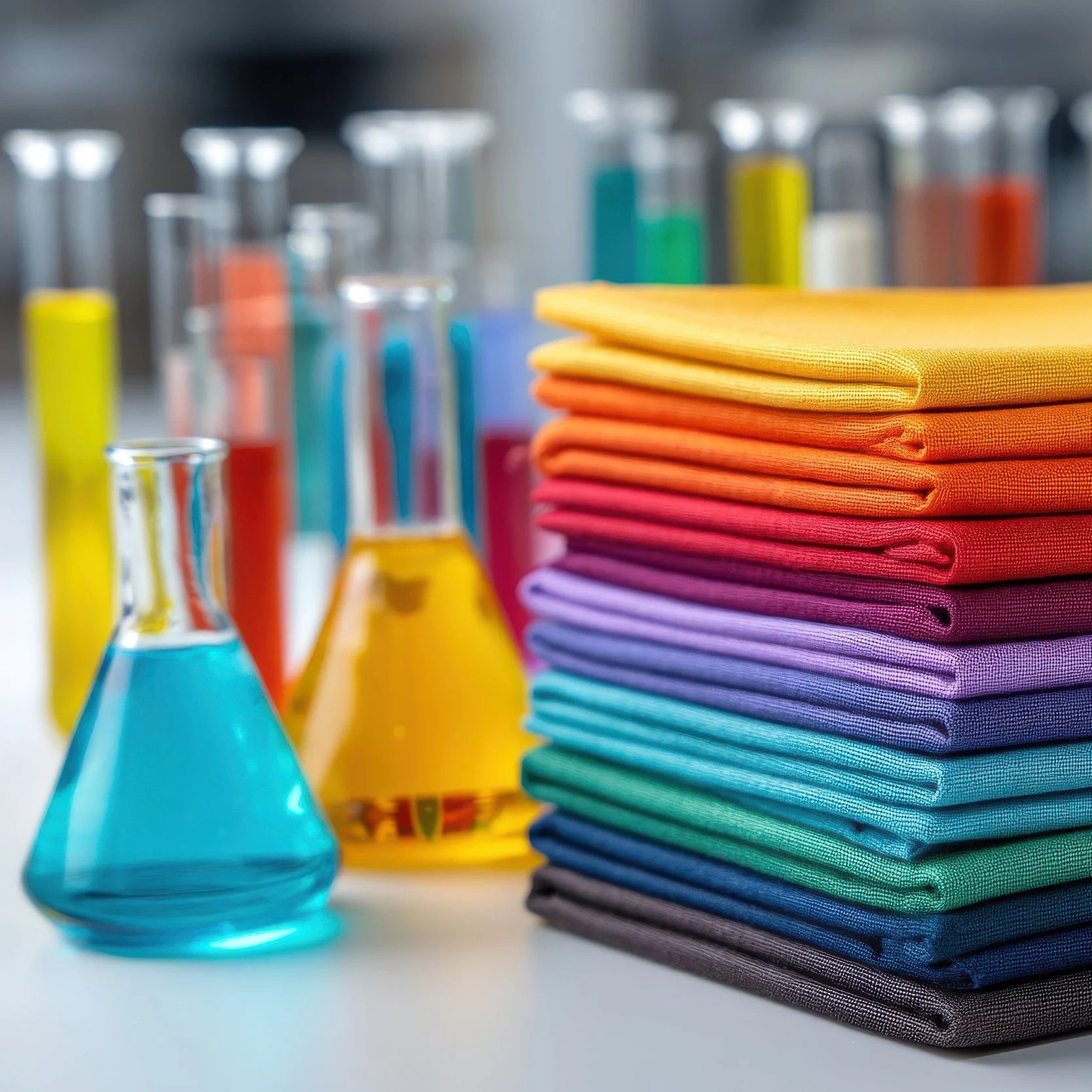
The word "toxic" carries weight. It conjures danger, harm, and things best avoided.
“Yet in the textile industry - Where between 3,000 and 10,000 chemicals move through the supply chain, a reflexive fear of the term is one of our biggest obstacles to progress.”
This article distils the key takeaways and what buyers, designers, and brands should be asking right now.
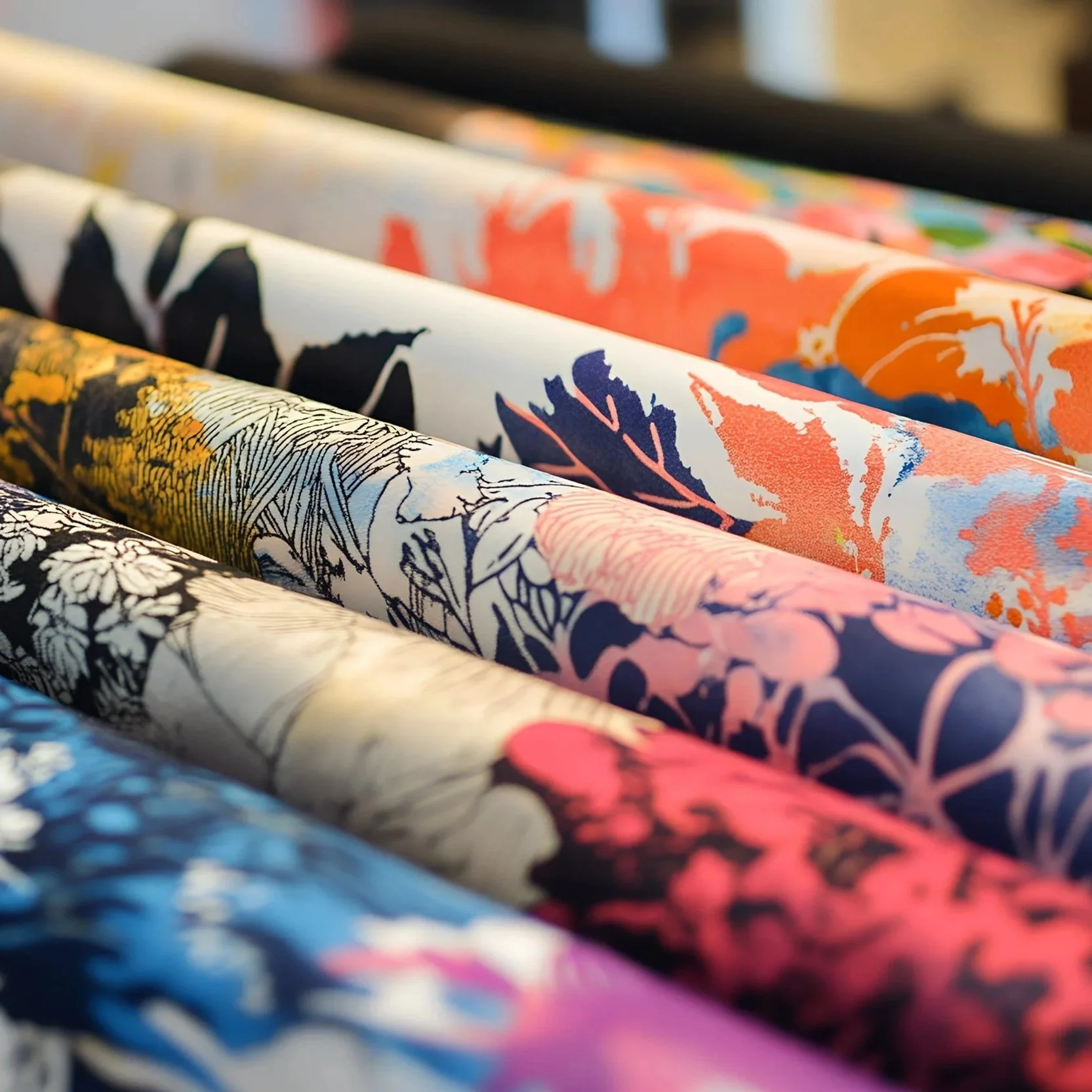
What Is the Digital Product Passport?
At its core, a Digital Product Passport is a digital record attached to a physical product - For a printed textile product, this means the DPP would capture data on the substrate, inks and dyes used, the printing process and technology, chemical compliance, environmental impact (including water and energy use), supply chain traceability, and end-of-life instructions.
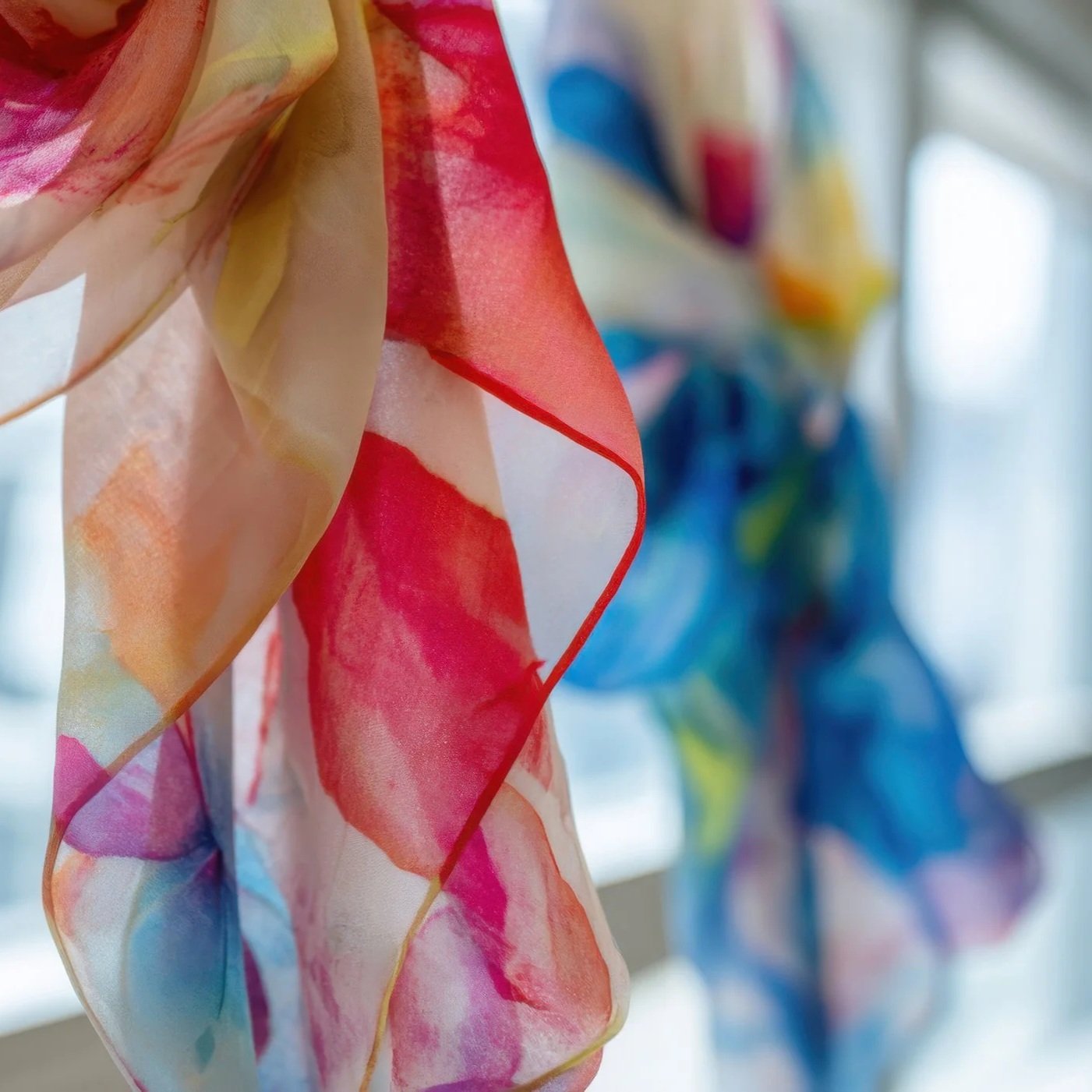
The Market Gap that Changed Everything
Future Fashion was founded in 2019, timed deliberately to coincide with a pivotal moment in global textile technology: the commercial launch of the EFI Reggiani BOLT Single-Pass digital printing system.
The founders recognised that single-pass architecture had fundamentally changed what was industrially possible - and that Pakistan's domestic market had yet to catch up.

Print is no longer defined by the inefficiencies that once characterised it…as advances in production processes and technology have significantly improved its environmental performance.
Taran Rai, Corporate Sustainability Manager at Epson explains why?
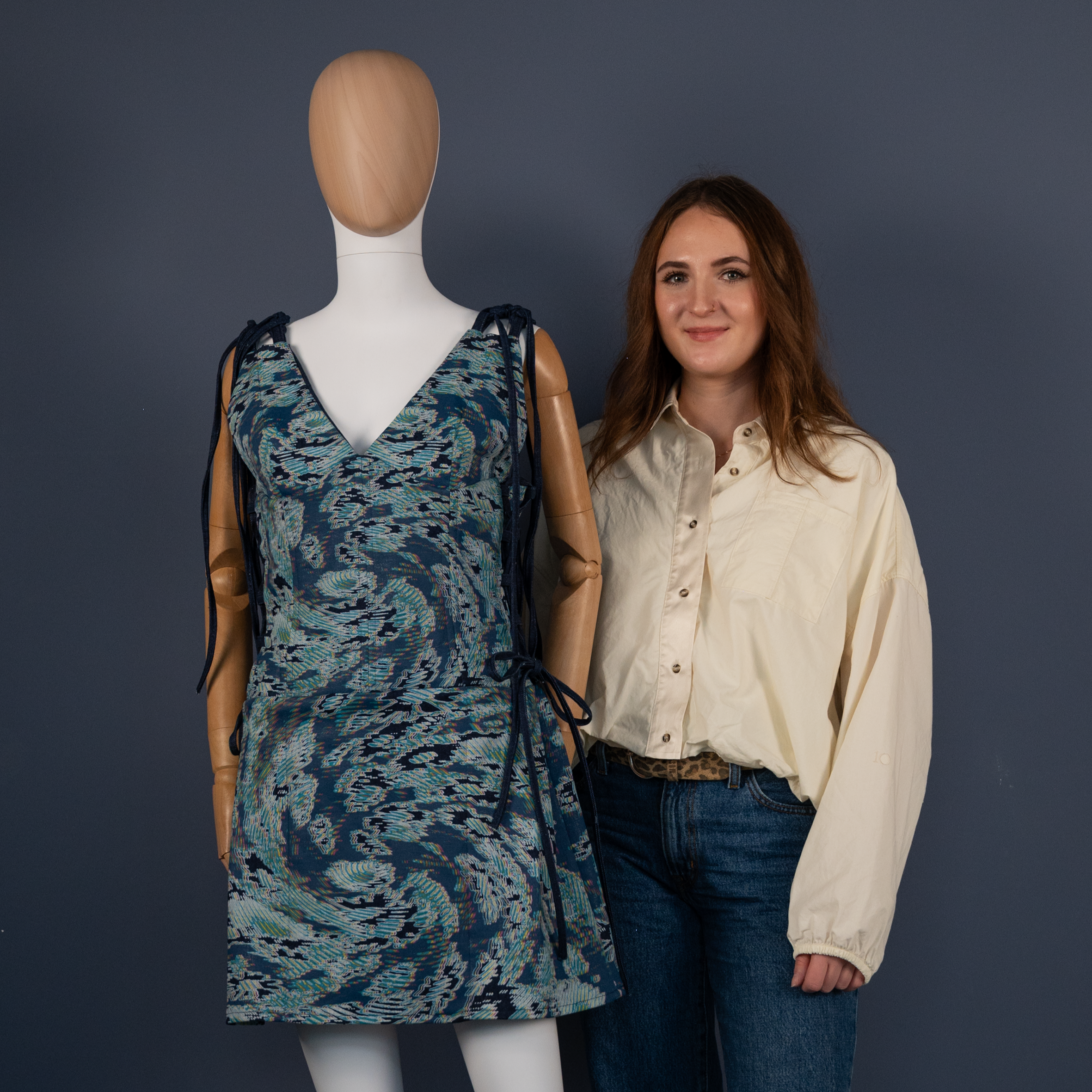
The story of what happens when young designers access digital technology is still being written.
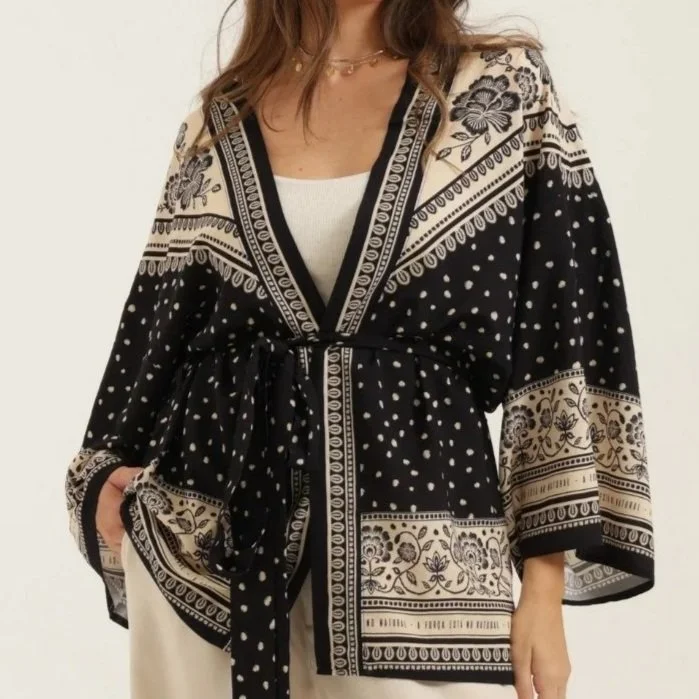
What once was a theoretical sustainability goal seems to have shifted into an active regulatory reality.



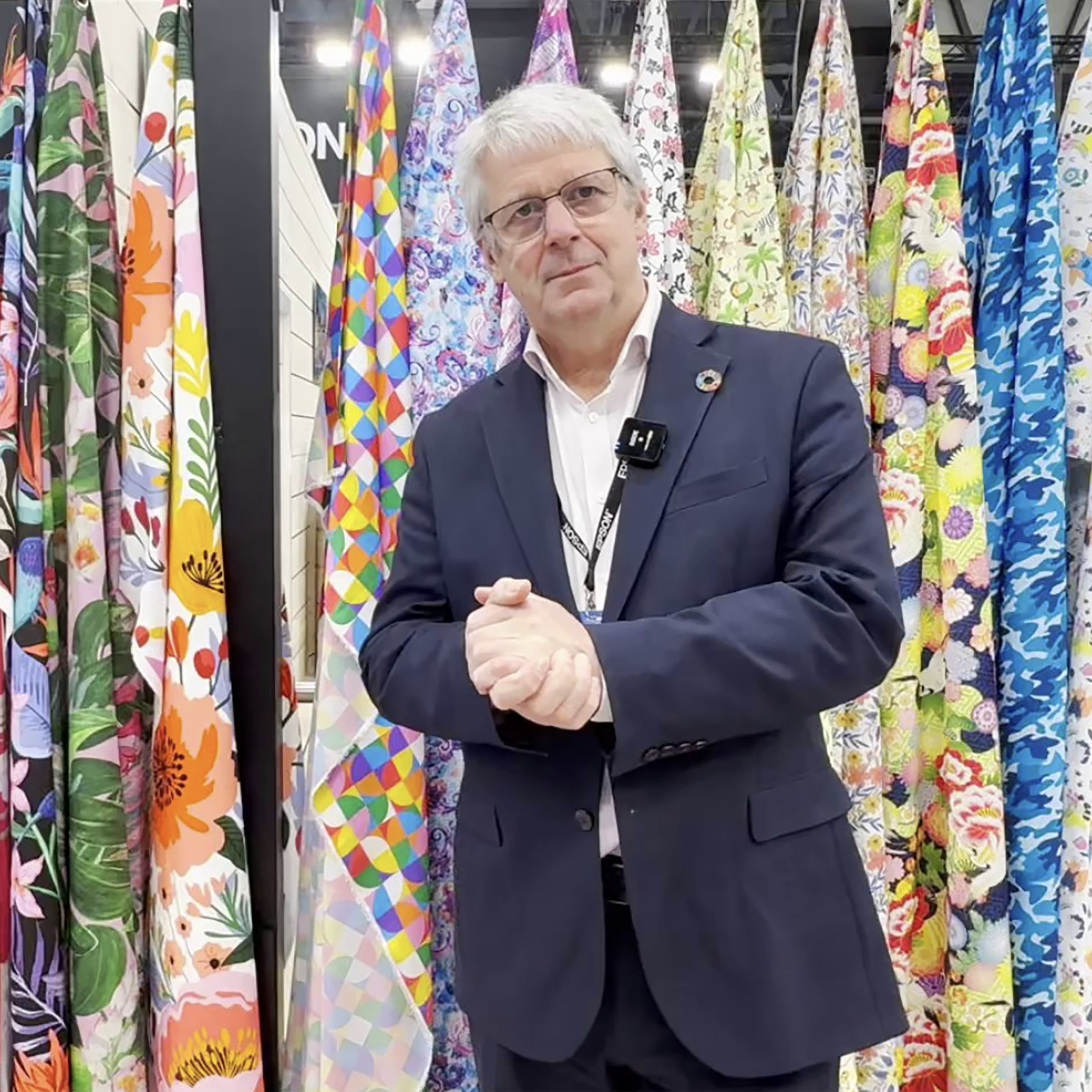
Is the Textile Market Finally Recovering?
After a difficult few years, there are genuine reasons for optimism. Duncan was candid about the challenges: "The market for textiles has been very difficult over the last three years. I'm not going to hide the truth there. But the tide is turning.“
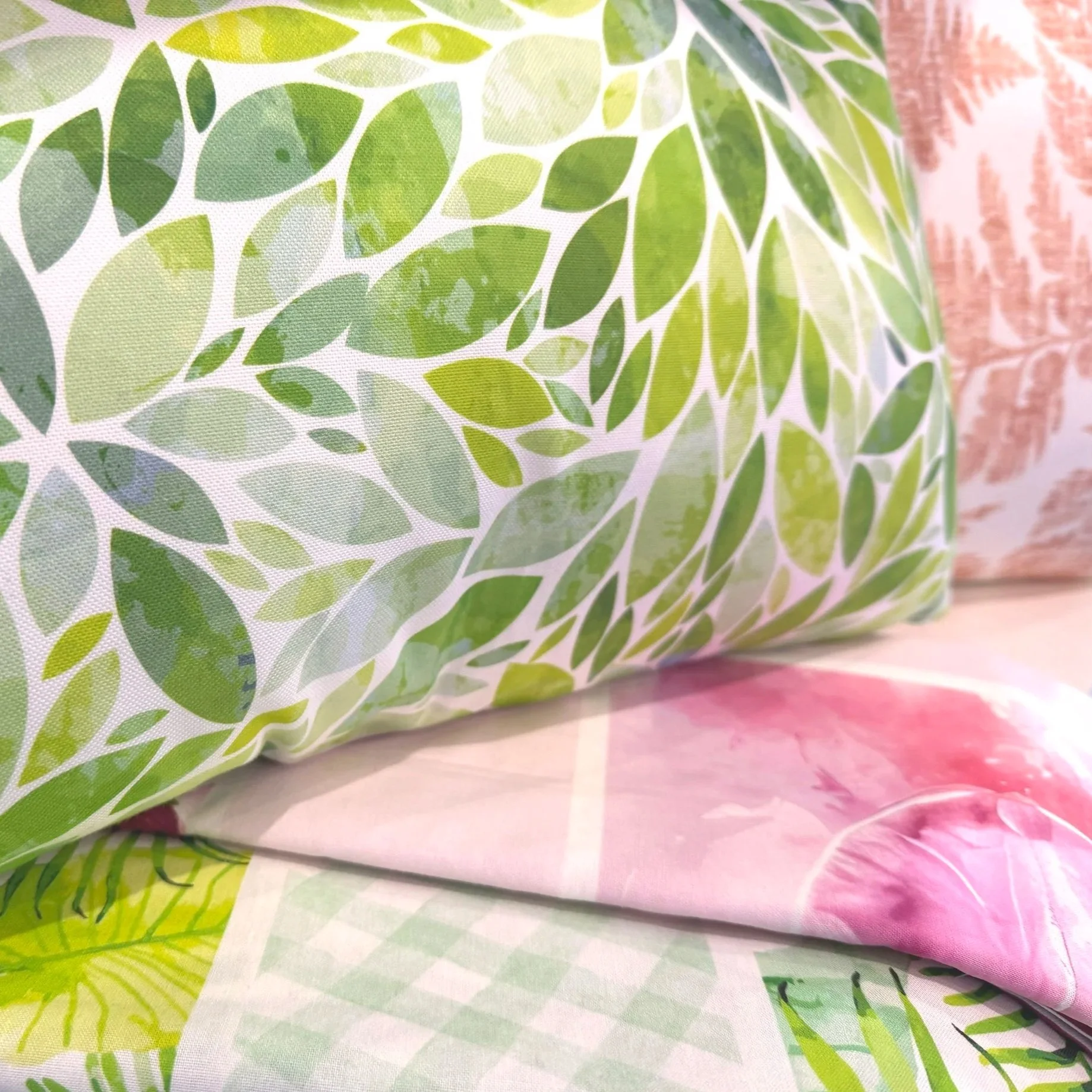
A profound shift is currently reshaping the sector
Changing consumer expectations demand greater design diversity, faster turnaround times, and sustainable manufacturing practices.
To thrive, interior brands must adapt their supply chains, bringing production closer to the end consumer and moving away from bulk manufacturing.
Digital textile printing offers a definitive solution to these operational bottlenecks.

Digital transformation doesn't announce itself.
It accumulates - one innovation at a time - until an entire industry looks back and realises the ground has shifted beneath its feet. That's precisely where textiles stands today.
The conversations happening now about AI, automation, sustainability, and digital product passports are not theoretical. They are shaping decisions being made on factory floors and in boardrooms right now.

“By leveraging advanced digital textile printing, Marylene Madou has successfully merged traditional craftsmanship with cutting-edge technology. Her approach offers a blueprint for how independent designers can scale their brands globally while maintaining a minimal environmental footprint.”
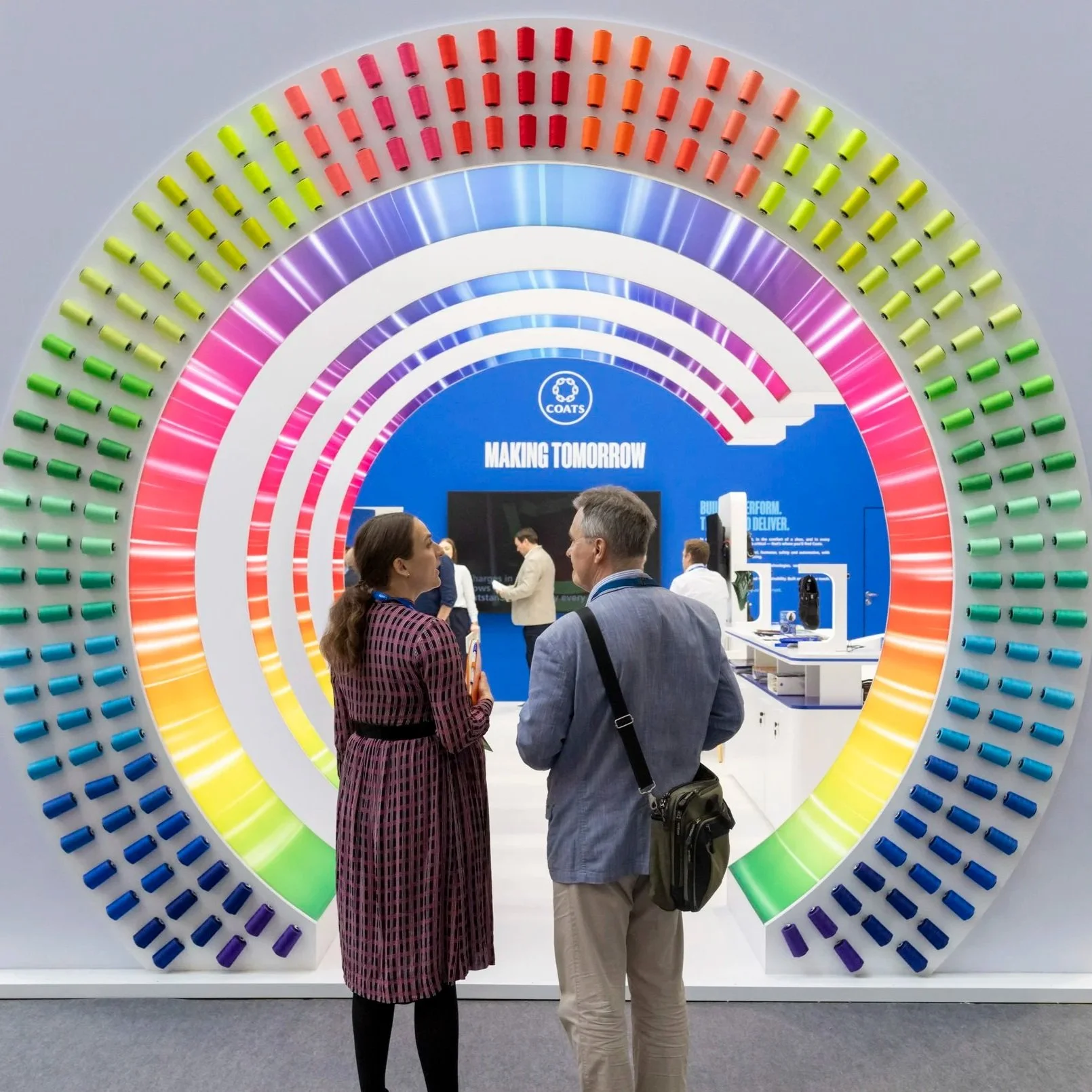
The textile industry is undergoing a vital transformation. As the insights from Techtextil and Texprocess reveal, the path forward relies on a combination of sustainable hardware, intelligent chemistry, and seamless digital workflows.
From Zimmer's industrial-scale energy reductions and Stratasys's on-demand 3D embellishments, to Kornit's single-step technical printing and the unified digital ecosystems of NedGraphics and Optitex, the tools for change are here. To stay competitive, brands and manufacturers must adopt these innovations, moving away from fragmented, wasteful processes towards a truly connected, circular economy.