
Meet Yunru Kuang From Sichuan As She Discovers The Structure Of Fashion Garments



Im Yunru a graduate from the Sichuan fine art institute.
I look forward to discovering more fashion possibilities and playability.
There are many discussions about the existence of clothing.
I combine the structure of clothing with magnets to form a new form of clothing existence.
And invited friends to participate in my exhibition, which provided more inspiration for my final product. Of course, how to better summarize the existing materials is also where i need to learn further.
I Use Innovative Materials And Connections To Create Interesting Clothing.
Instead of cutting and sewing traditional garments, the structure of the garment has been redefined by using the construction of building blocks.
The joining of these building blocks is even more innovative as the heat of the soldering iron melts the material and bonds it to itself.
This combination of structures opens up many more possibilities for the language of clothing and is my own answer when I think about the definition of clothing.
BRAIN IN A VAT Is Intended To Discuss Questions To Which There Will Be No Standard Answers.
What reality is real if we are just naked brains connected to wires? What is the definition of "clothing" attached to the human body?
After countless questions have been derived from a question about existence, the answer becomes dispensable.
By substituting the question into the garment, it is possible to derive the question,
"What form can be called a garment?
What structures are required?"
So to answer these questions, I deconstructed a common everyday checked shirt by removing the collar, cuffs and placket, and can the rest of it still be called a shirt?
What if the structure of the prize grid is disrupted?
There are no standard answers to these questions, but what is important is the way I think about the definitions during the experiment.
About Sichuan Fine Art Institute
Sichuan Fine Arts Institute has a history in the creation of art and research.[citation needed] Artwork has been created by the teachers at SFAI.
In the 1950s and 1960s, the institute was symbolized by handcraft arts. In the 1970s, it was sculpture, especially the most famous group statues, the “Rent Collecting Courtyard”. In the 1980s, it was oil painting, such as SFAI's president Luo Zhongli’s masterpiece "My Father”, etc.
The institute enjoys prestige domestically and internationally.
The artwork has contributed to contemporary Chinese art.
Since the 1990s, many teachers and students have gained national and international awards.
They also won opportunities to exhibit internationally.
At present, SFAI has been establishing cultural exchange relations with more and more foreign art institutes, delegations, and artists, dispatching students to study abroad and receiving foreign students to study at SFAI, which result in promoting international art exchanges and development.
These outstanding artists make contributions to the development of fine arts in China.
The traditional campus was in the district of Jiulongpo, in Chongqing.
The new campus was built in Huxi District, Chongqing, in 2005.
The university's philosophy is "close to life, to serve the people; knowledge as equally important, new incentives; open-minded and keeping up with the times".
The overall development objective is to provide the highest level of art education in the western region of China.


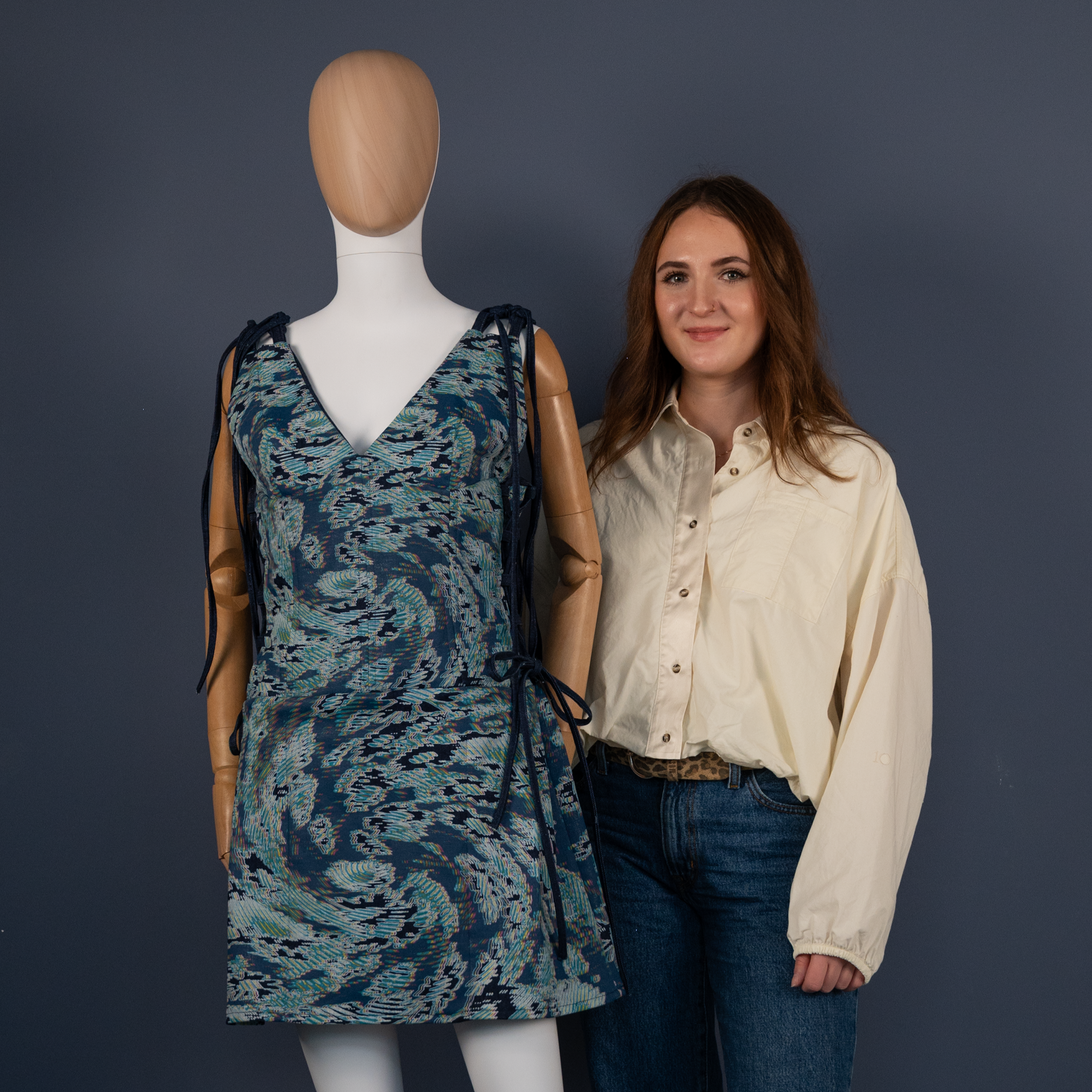
The story of what happens when young designers access digital technology is still being written.
What once was a theoretical sustainability goal seems to have shifted into an active regulatory reality.




Dorking – UK – August 2026 – The FESPA Awards 2027 are set to open for entries, inviting print and signage professionals from around the world to showcase their finest work on the industry's most prestigious global stage.
With an early bird deadline of 31 August 2026 and a final entry deadline of 2 December 2026, the call is clear: the time to prepare is now

London – UK – August 2026 – Vivid Technologies has announced that its flagship product, Razar, has been shortlisted in the Manufacturing category of the prestigious Stationers' Innovation Excellence Awards 2026.
The nomination recognises Razar as a standout example of forward-thinking innovation within the manufacturing sector.
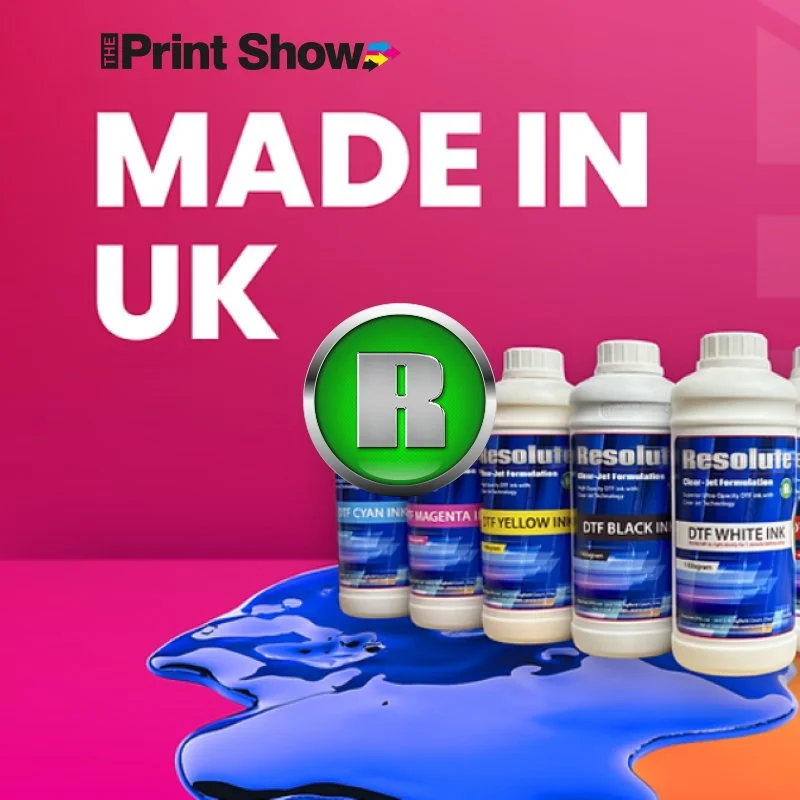
Clay Cross – August 2026 – Resolute DTF has announced it will take a prominent stand at The Print Show 2026, held at the NEC Birmingham from Tuesday, 29 September 2026.
The company will also maintain a presence at The Sign Show, which is co-locating with the event, marking a significant dual appearance for the brand at one of the UK's most anticipated print industry exhibitions
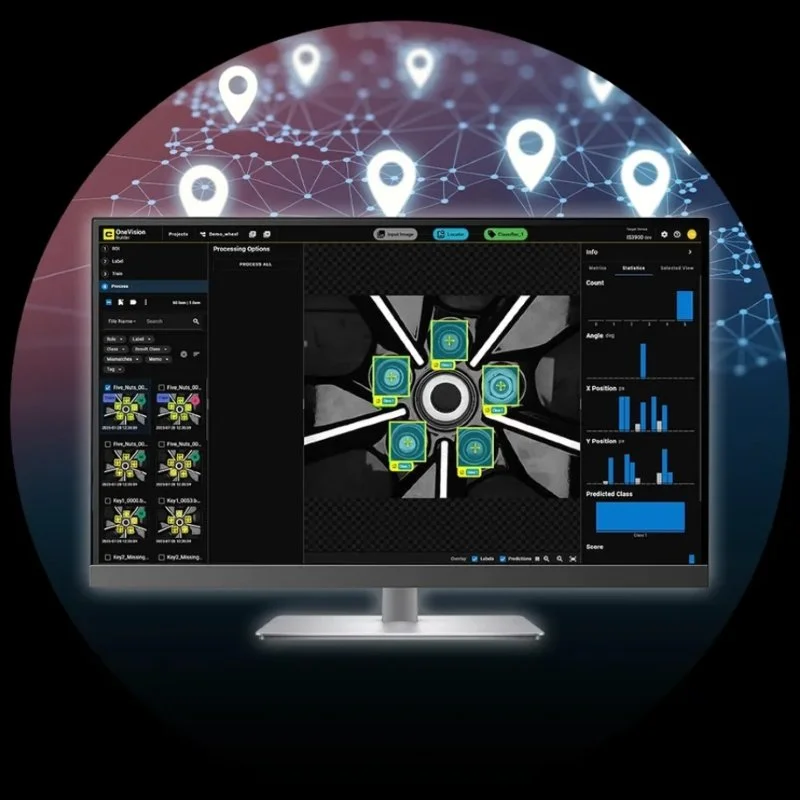
Regensburg, Germany – August 2026 – OneVision has announced the release of software version 26.2, marking a significant step forward in intelligent print automation.
The update introduces new artificial intelligence capabilities, expanded Variable Data Printing (VDP) functionality, and enhanced production monitoring tools designed to help print service providers increase efficiency and output quality.
Version 26.2 introduces a suite of AI Services that seamlessly integrate GPU-accelerated artificial intelligence into existing print production workflows.

SOUTH NORMANTON, UK – August 2026 – Sun Chemical has announced that its Xennia Sapphire pigment inks for digital textile printing have received three of the industry's most sought-after regulatory certifications: GOTS (Global Organic Textile Standard), ECO-PASSPORT, and ZDHC (Zero Discharge of Hazardous Chemicals).
The achievement positions Sun Chemical as a frontrunner in sustainable and compliant digital textile printing solutions.

London UK – July – 2026 – British digital fabric printing company Prinfab has been commissioned to produce a commemorative tea towel to celebrate the landmark birthday of iconic English fashion designer Sir Paul Smith.
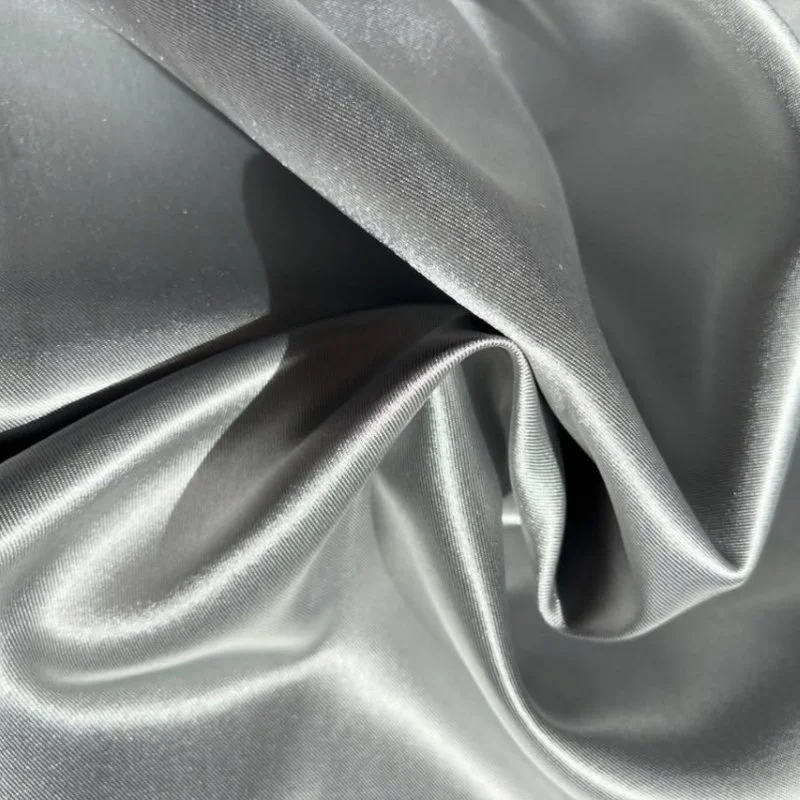
Manchester – August 2026 – Premier Digital Textiles today highlights its 2555 Dimout, a versatile, dual-purpose fabric designed to bridge the worlds of fashion and interior design.
With its distinctive silver finish and subtle sheen, the fabric is positioned as a premium material for designers and makers operating across both industries.
2555 Dimout features a smooth silver surface that lends itself naturally to elegant occasionwear, flowing garments, and bold statement pieces.
Its fluid drape and refined aesthetic make it particularly well-suited to summer collections, where lightness and visual impact are equally valued.

Oswestry – Shropshire – August 2026 - Fujifilm Ink, the UK-based global supplier of UV inkjet technology, has strengthened its partnership with China Print Supplies UK Ltd (CPS), becoming the recognised ink supplier for the company's range of Dlican UV printing systems.
The partnership follows the successful rollout of Fujifilm Ink's thermoforming flexible ink technology, reinforcing the company's commitment to delivering high-performance, application-specific ink solutions for the wide-format print market.

Birmingham, UK – July 2026 – swissQprint UK is set to exhibit at The Print Show 2026, taking place from 29 September to 1 October at the NEC in Birmingham, Great Britain.
Visitors can find the swissQprint UK team at Stand P420, where they will have the opportunity to experience the company's latest flatbed printing technology firsthand.
Paris, France – August 2026 – Optitex and NedGraphics will present their integrated design and manufacturing solutions at Première Vision Paris, taking place from 1st to 3rd September 2026 at Parc des Expositions, Paris Nord Villepinte, France.
Visitors can find the companies at Booth 3L11 in Hall 3, Smart Creation Area.
The joint appearance marks a significant opportunity for textile brands and manufacturers to experience first-hand how NedGraphics and Optitex deliver a unified workflow — one that connects textile design, colour refinement, and end product development within a single, seamless process.
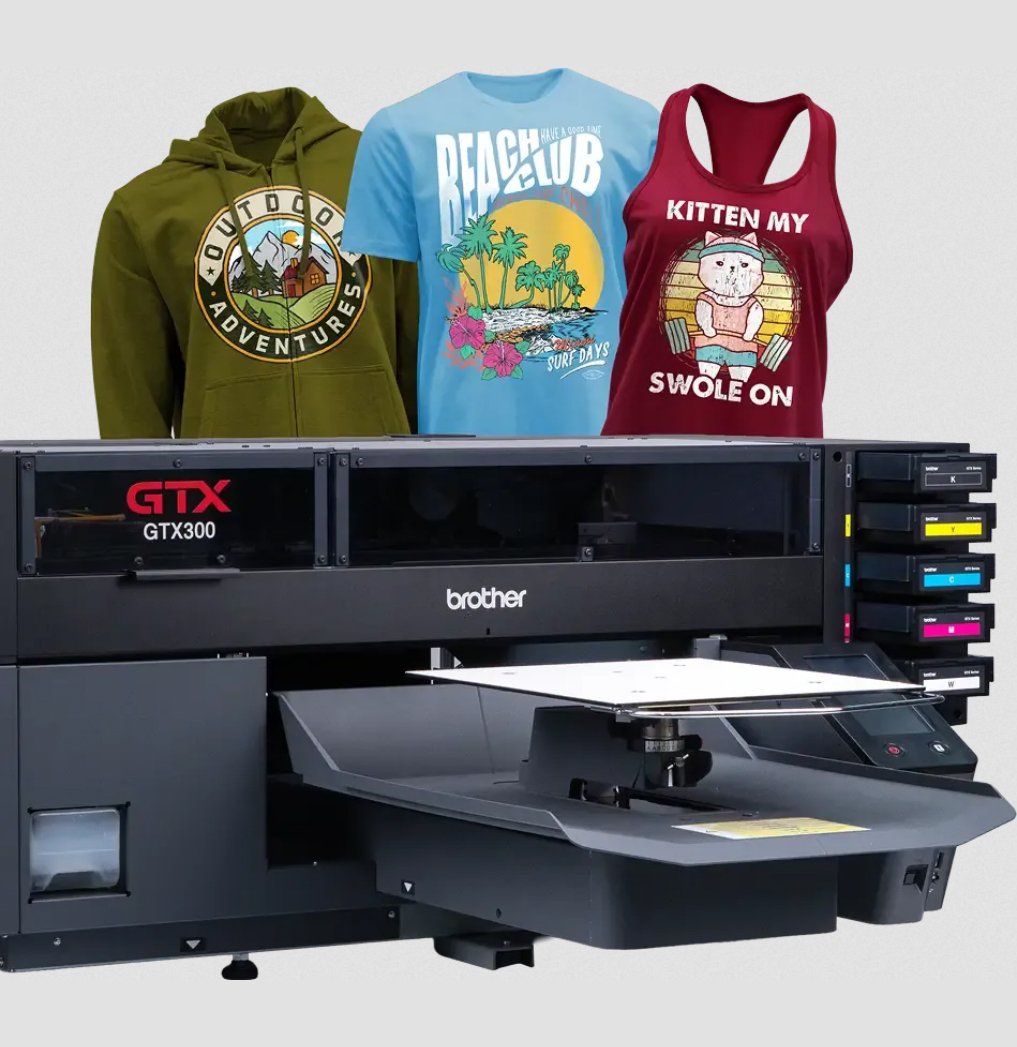
Emmerich am Rhein, Nordrhein-Westfalen – August 2026 – Brother Industrial EMEA has announced the launch of its GTX300, a hybrid direct-to-garment (DTG) and direct-to-film (DTF) garment printer that the company says sets a new benchmark for textile print quality.
To mark the occasion, Brother Industrial EMEA is offering eligible print professionals across the EMEA region a complimentary demo package to experience the printer's capabilities firsthand.

FREMONT, CA. August , 2026 – Fiery, a global leader in digital printing technology, has announced the launch of a new free online course designed to help print professionals master colour management for direct-to-film (DTF), direct-to-garment (DTG), and UV printing workflows.
The course, Fiery Specialty Production 301 v1: Colour Management Basics in Digital Factory, is now available on Fiery's learning platform at no cost.

Geretsried, Bavaria, August 2026 – RUDOLF, a leading textile chemistry company, has announced the launch of its Summer Campaign, a dedicated series exploring advanced finishing technologies designed to enhance the performance, comfort, and protection of swimwear and summer apparel.
The campaign arrives at a time when the demands placed on modern swimwear are greater than ever. Prolonged sun exposure, repeated contact with water, and the physical demands of summer activities require textiles that go beyond attractive design.
RUDOLF's Summer Campaign aims to demonstrate how the right finishing technologies can meet these challenges head-on.
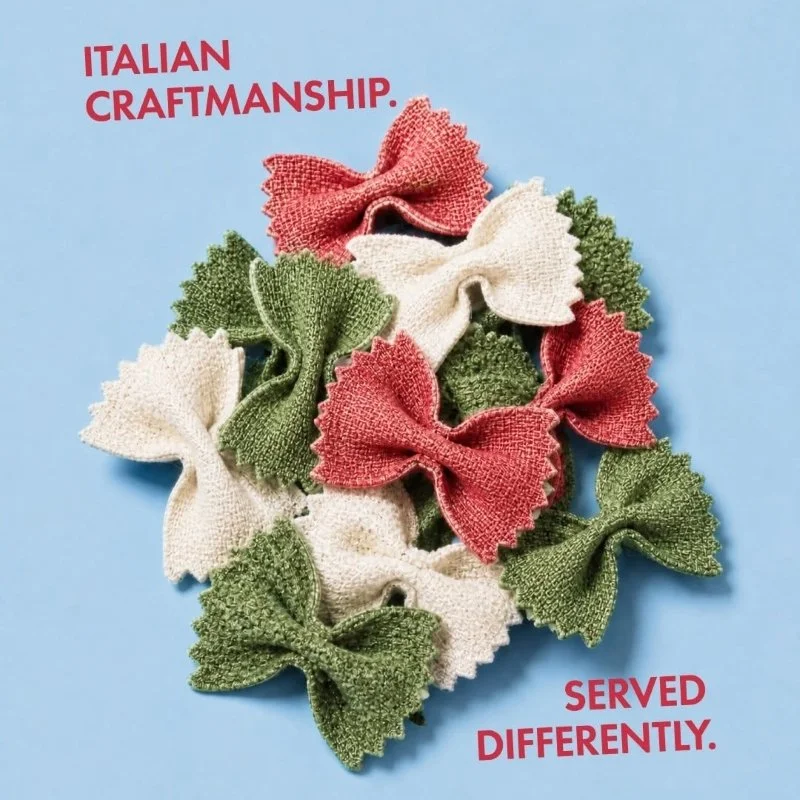
Frankfurt, Germany – August 2026 – Heimtextil, the world's leading trade fair for home and contract textiles, has announced the launch of the Italian Lounge, a dedicated exhibition space celebrating Italian craftsmanship at its 2027 edition.
Taking place from 12 to 15 January in Frankfurt, the Italian Lounge will be located in the heart of Hall 4.1 and will bring together manufacturers of decorative and furniture fabrics, leather, and fibres and yarns under one roof
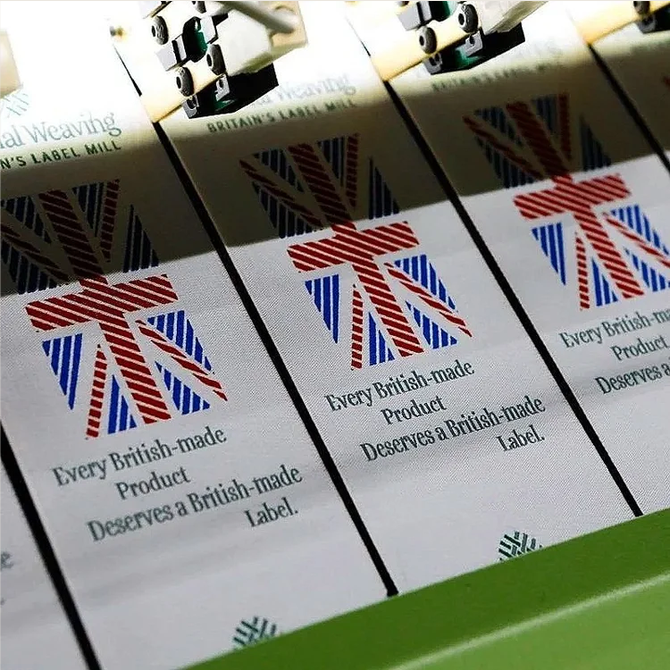
Pembrokeshire, Wales – August 2026 – National Weaving, a family-owned textile manufacturer with nearly four decades of experience, was honoured to receive a visit from HRH The Princess Royal, President of the UK Fashion & Textile Association (UKFT), at its Pembrokeshire facility.
The visit celebrated the company's longstanding contribution to British textile manufacturing and its commitment to combining traditional craftsmanship with modern, sustainable production methods.
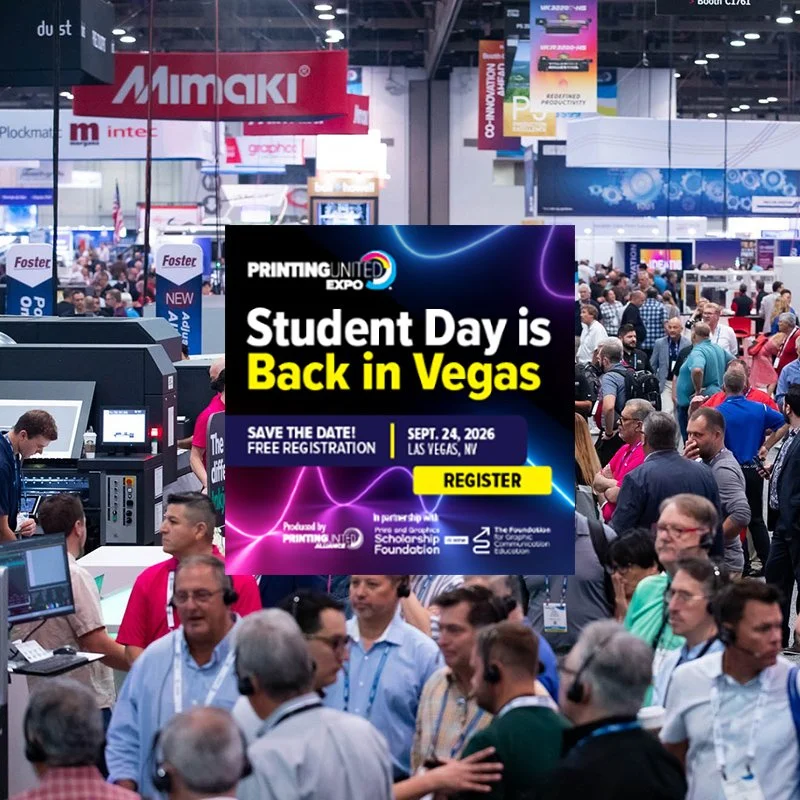
PHILADELPHIA – July 2026 – PRINTING United Alliance, in partnership with The Foundation for Graphic Communication Education (The FGCE), continues to expand its popular Student Day experience at PRINTING United Expo 2026, taking place Thursday, September 24, at the Las Vegas Convention Center.
Designed to introduce students to the limitless career opportunities across the printing industry, this year's program will feature enhanced career development programming, expanded mentorship opportunities, and greater one-on-one engagement with industry professionals throughout the day's activities.
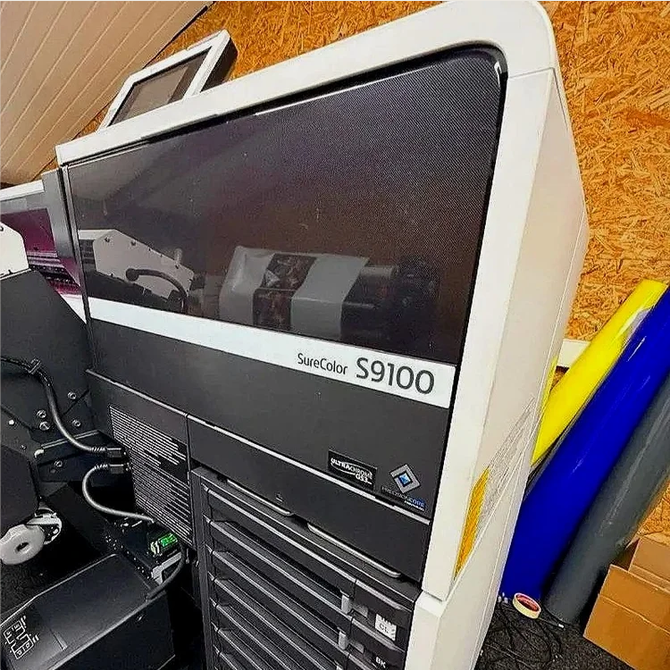
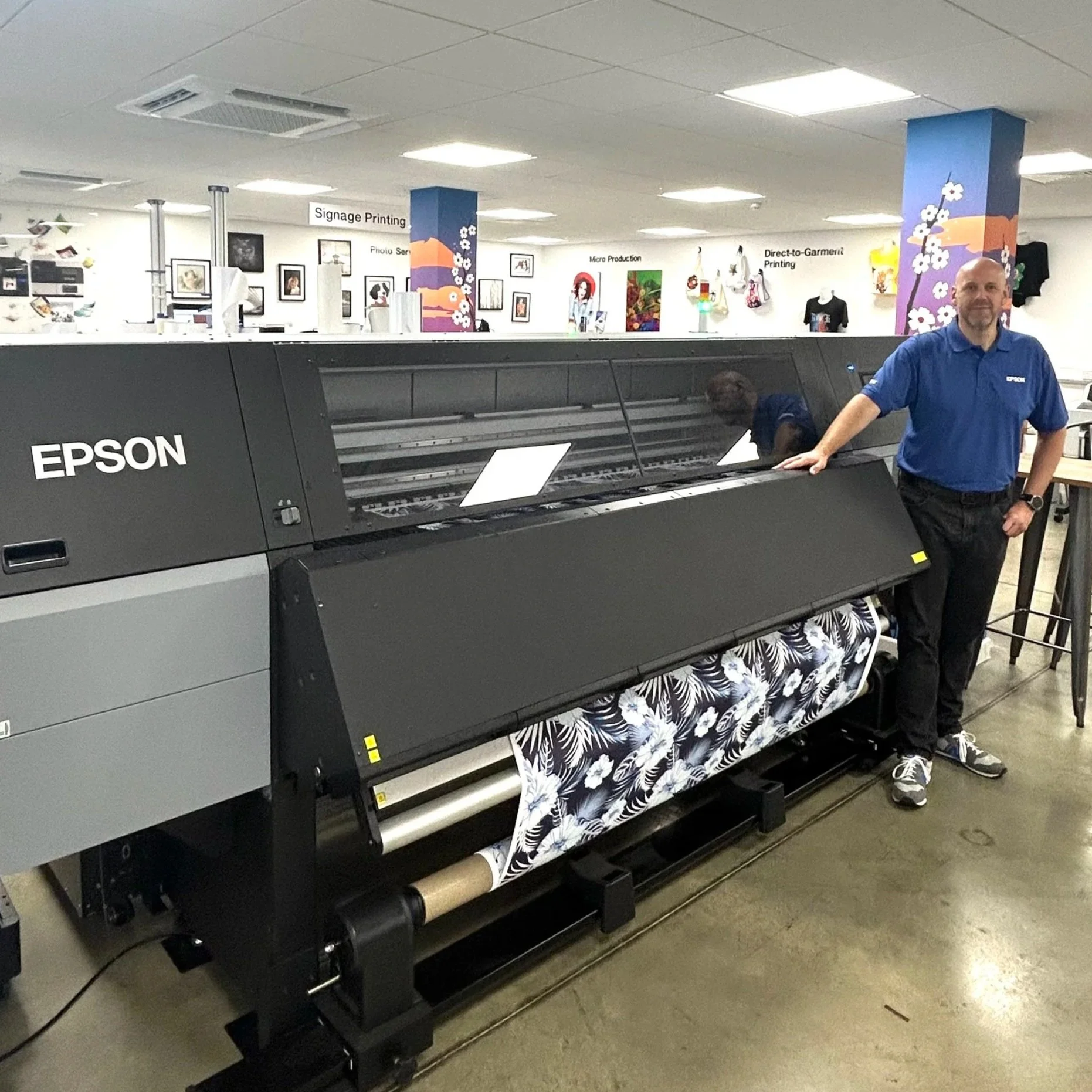
Dublin, Ireland – July 2026 – digitalprint.ie, Ireland's trusted supplier of wide format printing equipment and media, has completed the delivery and installation of two Epson SureColor S9100 printers to long-standing customer iGraphic, based in Newtownards.
The installation, which required careful planning and specialist logistics to position both machines on a first-floor mezzanine, marks another milestone in a valued, ongoing partnership.
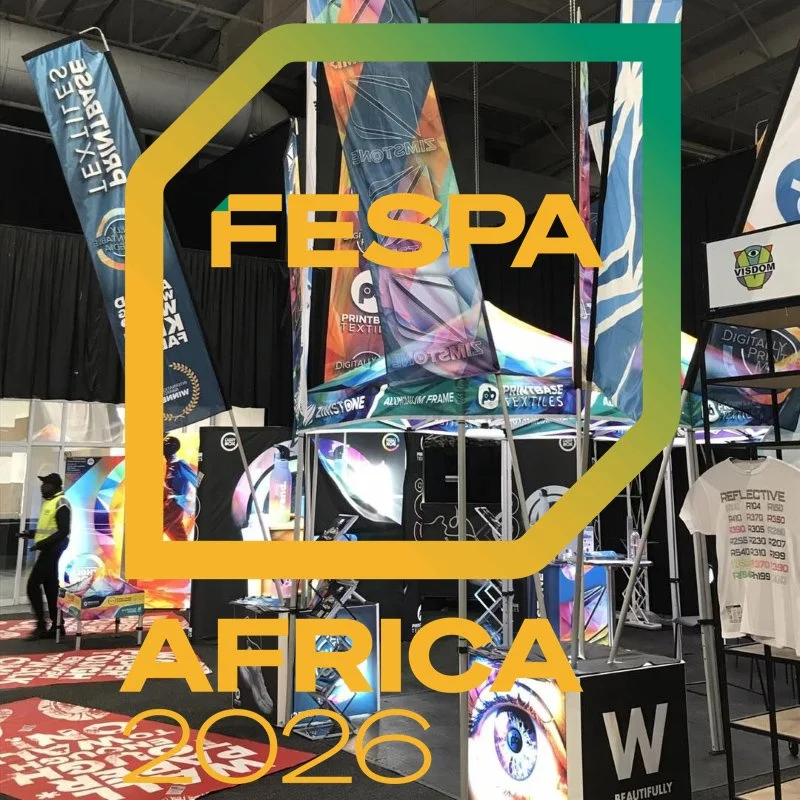
Johannesburg – July – 2026 Experience the latest digital printing, vehicle wrapping and paint protection films at the FESPA Africa and Sign Africa Johannesburg Expo, where industry meets opportunity.
The event is taking place from 8-10 September 2026.

Arhus – Denmark – July 2026 – Mikkelsen Innovation ApS has announced that its FASTSEWN™ 3.3M has been named the recipient of the 2026 Pinnacle Award in the Technology category by PRINTING United Alliance.
The recognition highlights the machine's role in automating the final manual step in textile graphics production, combining automated sewing and laser cutting with keder application for silicone edge graphics (SEG).

Barbieri electronics is strengthening its leadership team as the company prepares for its next phase of development.
With Viktor Lazzeri, who has played a key leadership role within the company for many years and is well known to customers and partners as Chief Operating Officer, Barbieri has appointed him COO and Co-Managing Director, further strengthening its leadership capacity to support innovation, international growth and even closer customer relationships.
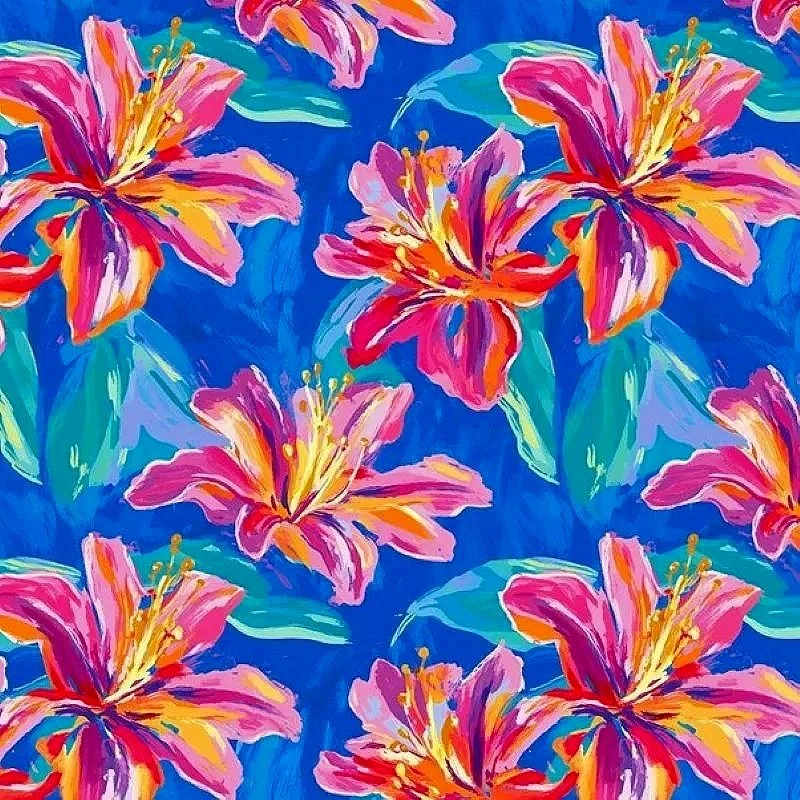
Altrincham – Cheshire – July 2026 - Friedmans Ltd and Funki Fabrics have announced the arrival of new print designs, expanding their existing collection with a fresh range of trend-led prints available across a broad selection of premium fabric bases.
The launch offers fashion designers, production teams, and creative professionals a timely opportunity to explore new possibilities for their upcoming collections.
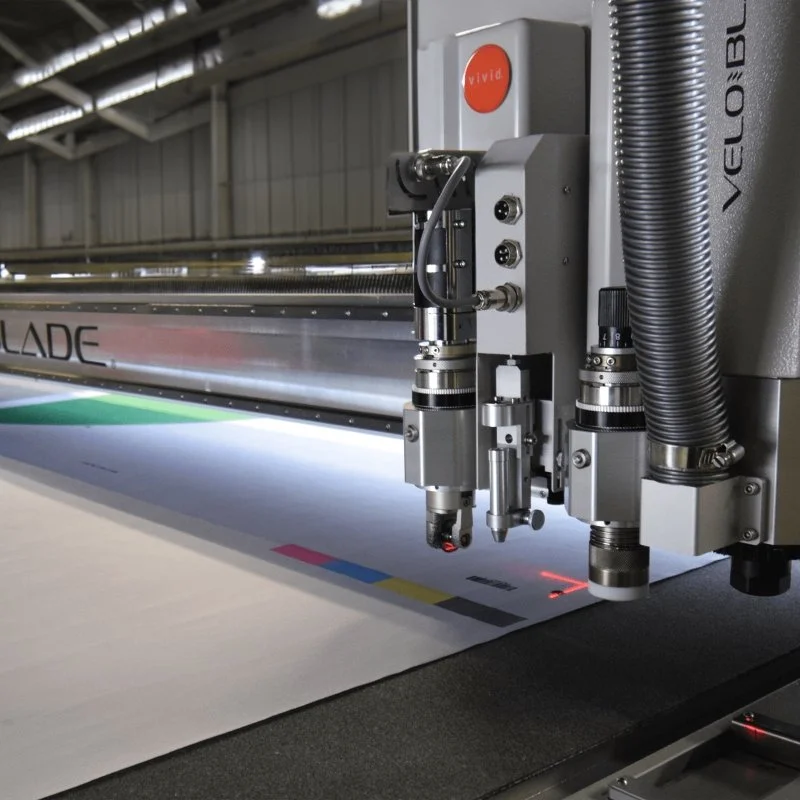
Leicestershire - July 2026 – Vivid Laminating Technologies is pleased to announce that HG Graphics, a leading provider of building signage and vehicle wraps across Yorkshire and the UK, has invested in a fully integrated print and cutting solution combining the VelobladeNexus with the latest Onyx Graphics software.
The installation, supplied and commissioned by Vivid Laminating Technologies, sees three printers feeding directly into HG Graphics' new VelobladeNexus with auto tool change — all operating under full Onyx Graphics software integration. The solution was delivered and set up on-site as part of a complete, ready-to-run installation

Wednesday, July 29, 2026 - RENNES, France—Pointcarre, the French American textile CAD company known for its jacquard and dobby weaving software, has developed a new module dedicated to wall to wall carpet and carpet tile design.
The launch addresses a gap left when APSO, the longtime CAD platform for the tufting industry, discontinued its software more than two years ago, leaving mills and carpet designers without a clear path forward.

Accrington, UK, July 29, 2026: Soyang Europe has expanded its direct-to-film (DTF) range with the launch of a paper-based transfer media that offers an environmentally conscious alternative to conventional PET transfer film.
Named Soyang DTF Paper, the new product is a single-sided release-coated transfer paper featuring anti-static treatment and a hot-peel release.
Designed for use with digital inkjet DTF printers running water-based pigment inks, the media can be recycled through standard paper waste streams, helping print businesses reduce plastic waste.
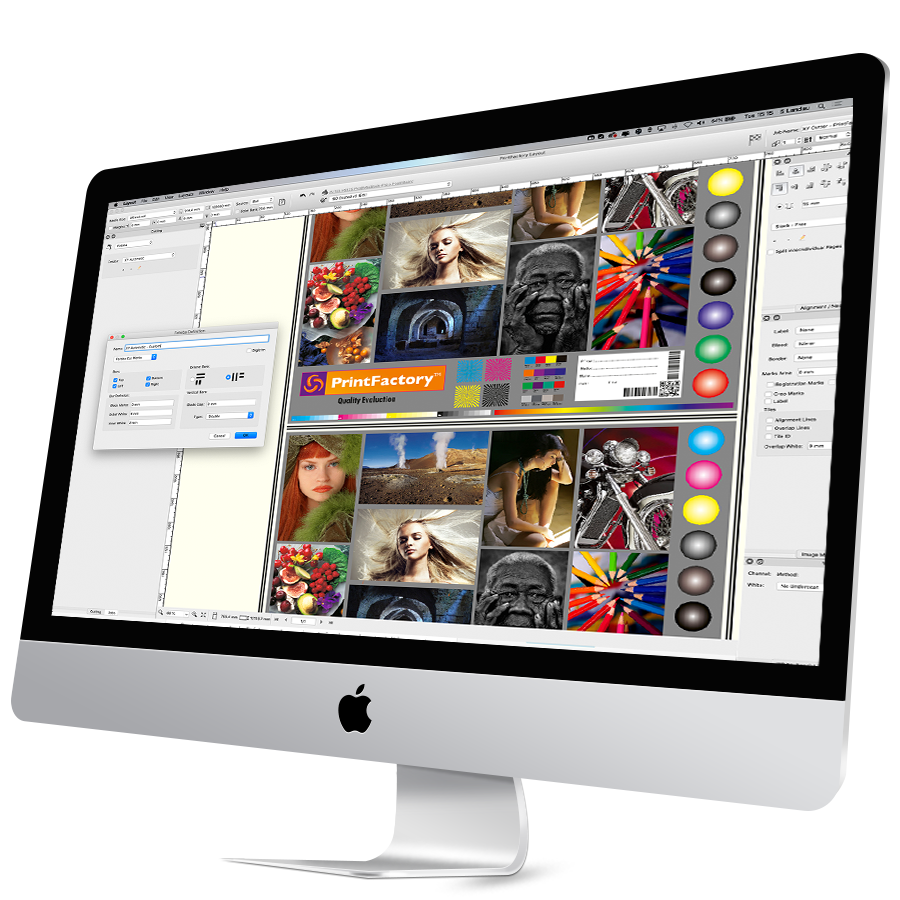
London – July 2026 – Perfect Colours, a leader in print management solutions, has highlighted the availability of Print Factory, a unified Raster Image Processor (RIP) designed to deliver consistent, high-quality colour output across multiple printers.
The solution addresses one of the print industry's most persistent challenges: maintaining colour accuracy and consistency across different devices and workflows.

Las Vegas, NV – July 2026 – Caldera, a leading provider of print workflow software solutions, has announced its participation in PRINTING United Expo 2026, taking place 23–25 September 2026 at the Las Vegas Convention Center.
Visitors can find Caldera at Booth C1469, where the company will showcase its latest innovations in print workflow automation, colour management, and apparel decoration.
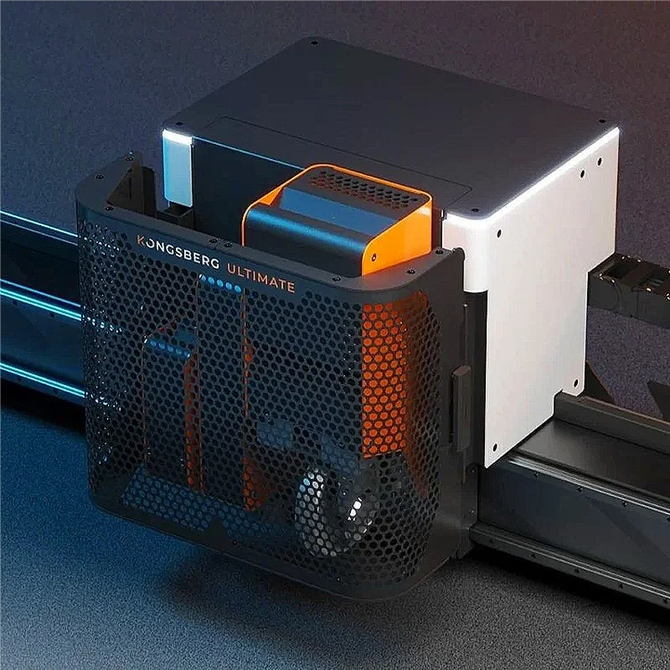
Ghent – Belgium – July 2026 – Kongsberg Precision Cutting Systems (Kongsberg PCS), a leading provider of digital cutting solutions, is calling on print, signage, and packaging businesses to embrace advanced materials as a strategic pathway to new markets, higher-value products, and more sustainable growth.
As competitive pressures intensify across the manufacturing sector, Kongsberg PCS is positioning its versatile, high-performance digital cutting solutions as essential tools for businesses looking to expand their capabilities and future-proof their operations.
The company's message is clear: businesses that invest in advanced material processing today are best placed to lead their industries tomorrow.

Bracknell – Berkshire-July 2026 – UFABRIK’s Soft Blackback Textile, a premium material engineered for tension frames, interiors, retail environments, exhibitions, soft signage, and beyond.
Designed to meet the exacting demands of modern display and signage professionals, the new textile sets a new benchmark for quality, versatility, and performance in the industry
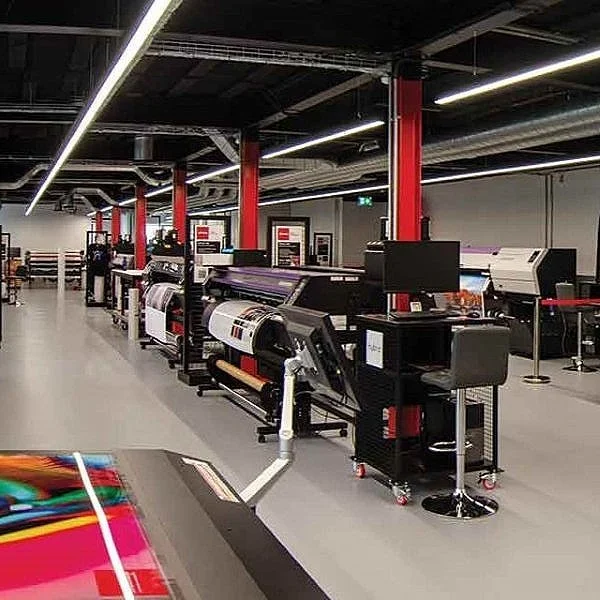
Crewe, UK – July 2026 – Hybrid Services Ltd, the UK's leading Mimaki distributor, has announced two dedicated demonstration weeks at its Crewe showroom this August, giving businesses across the print industry the opportunity to explore the latest Mimaki technology firsthand.
Taking place from 3rd to 7th August and 17th to 21st August 2026, the August Demo Weeks are designed to help businesses make informed investment decisions by experiencing Mimaki's wide format print solutions in a hands-on, pressure-free environment.

Florida – July - 2026 – Agfa Inkjet Solutions has announced its return as a Keynote Sponsor of the 2026 Wide Format Summit, marking the sixth consecutive year the company has supported the industry's premier gathering.
The event is scheduled to take place from 27 to 29 July 2026 at the Hyatt Regency Coconut Point Resort and Spa in Bonita Springs, Florida.