
SUSTAINABILITY SPOTLIGHT S/S 2022 - TEXTILE INNOVATIONS AND INSIGHTS

“What we do next is paramount. In this S/S 22 Spotlight we focus on our Sustainability channel, and we highlight just some of the many innovations that are driving sustainable change across the supply chain, you can read more in our Eco-News channel”. Sign-up for the newsletter HERE:
As the year opened and we started to emerge from the hiatus of the pandemic, all issues regarding sustainability have leaped into sharp focus – the spotlight is on the supply chain.
Transparency and traceability must be accelerated if we are to ever gain a 360-degree view of the products we consume. There is no slowdown predicted in our consumption, and as our global population and affluence increase, we will in fact increase production and the use of our planets precious resources.
The not so green iceberg continues to emerge as companies across the entire textile space push forward to set and or achieve sustainability objectives, all of whom are desperately trying to bring themselves into line with the growing expectations of their client base. Some have faired better than others. In recent weeks the HIGG Index has come into focus, as have the dubious claims of many of the behemoth fashion brands, many of whom now find themselves under an uncomfortable spotlight.
What we do next is paramount. In this S/S 22 Spotlight we focus on our Sustainability channel, and we highlight just some of the many innovations that are driving sustainable change across the supply chain, you can read more in our Eco-News channel.
Sign-up for the newsletter HERE:
If you have news to share, contact the press office.
Leading the way – we spotlight the move towards more sustainable fibre sources:
In America in January, Algiknit announced the development of a new industrial scale plant for making yarns from reprocessed kelp. AlgiKnit’s yarns are made by extracting a substance called alginate from seaweed and combining it with renewable biopolymers. The resulting fibers can then be knitted into textiles and coloured with natural pigments. These textiles could potentially be used across a range of industries, including fashion, furnishings, and automotive.
As AlgiKnit co-founder and CEO, Tessa Callaghan said “With the opening of our new facility in the Research Triangle area of North Carolina, we are focused on expanding our production capabilities, partnerships, and team to address global demand more quickly. This is a huge next step in bringing this technology to scale, and creating positive, tangible change for the planet. We are so excited to partner with new and existing investors who share our vision for transforming the fashion ecosystem.”
Fashion for Good cooperated with adidas, BESTSELLER, Vivo barefoot and Birla Cellulose, and six innovators, to create a consortium project to assess the technical feasibility of natural fibres created by the selected innovators using agricultural waste such as rice husks, hemp, wheat straw, banana and pineapple.
As Katrin Ley, Managing Director, Fashion for Good said, “This ambitious project explores a new source of feedstocks for the fashion industry that, if scaled, will help drive both the agriculture and textile industry towards net-zero. We see great potential for these various agriculture waste streams that would otherwise have few secondary uses. By applying innovative technologies to develop natural fibres, we can diminish the pressure on existing natural fibres and shift away from unsustainable materials and sources.”
Equally there was substantial progress in recycling technologies:
In January French President Emmanuel Macron and Eastman CEO Mark Costa jointly announced Eastman’s plan to invest up to $1 billion in a material-to-material molecular recycling facility in France that would use Eastman’s polyester renewal technology to recycle up to 160,000 tonnes annually of hard-to-recycle plastic waste that is currently being incinerated.
The plant and an innovation center would be expected to be operational by 2025, creating employment for approximately 350 people and leading to an additional 1,500 indirect jobs in infrastructure and energy.

In February Renewcell announce a major upscaling of its recycling capacity as it moved its Ortviken site up to 120,000 Tonnes per year within a plan to increase its total capacity up to 360,000 tonnes per year by 2025. The company’s vision is to inspire an Industrial Evolution to a sustainable world by producing high quality materials from recycled textiles.
Through its patented process, Renewcell is able to upcycle cellulosic textile waste, such as cotton clothes, transforming it into a pristine new material called Circulose®. As Patrik Lundstrom CEO of Renewcell said “The global fashion industry is committed to going circular, and we are determined to contribute as much and as fast as we can to attain this crucial goal.”

In June, NextChem completed the construction of the first demonstration plant in Italy for the chemical recycling of PET and polyester from textiles, as part of the European Union’s DEMETO project. The plant is located in Chieti, in the Abruzzo Technology Park. The depolymerization technology adopted, based on the reaction of alkaline hydrolysis2 with the use of microwaves, allows the plant to chemically recycle PET and polyester textile fiber waste and obtain pure monomers to produce new polymers.
"We are very proud to have built this plant, the first of its kind in Italy and among the first in Europe, paMaire Tecnimont Group and NextChem CEO.rticularly at a time when national systems for the collection and recycling of textile waste are beginning to be created, in Italy and in other European countries, in order to comply with legislation", commented Alessandro Bernini,
Beyond Fibres and Recycling, there were significant developments in Textile Chemicals and Dyestuffs.
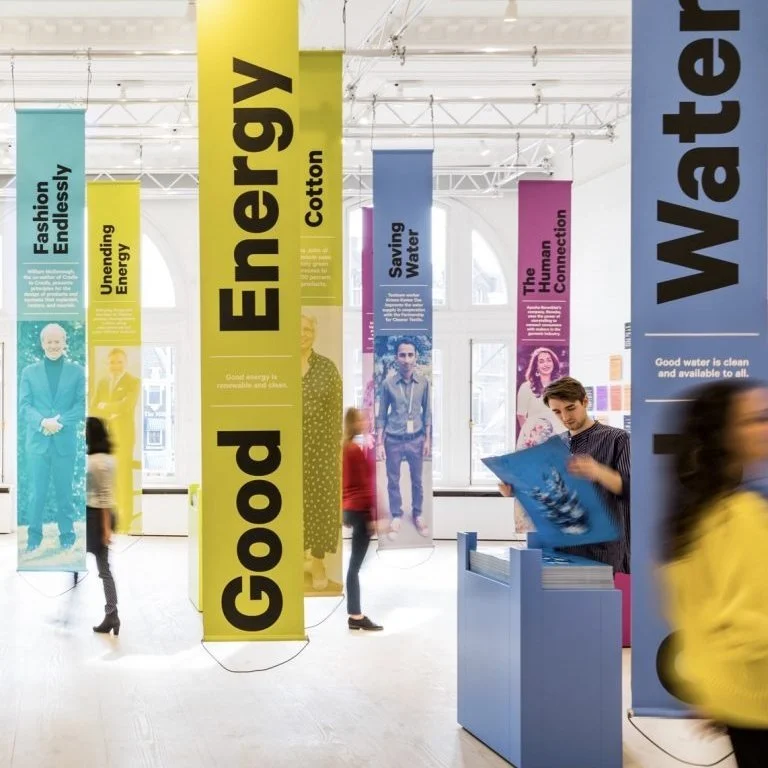
In January, In Amsterdam, Fashion for Good launched the D(R)YE Factory of the Future, a new consortium project that brings together several innovations in textile pre-treatment and colouration, that are set to accelerate the shift from wet to mostly dry processing.
Textile processing is responsible for the highest greenhouse gas emissions, significant water and chemical use in the fashion value chain. The selected innovations have the potential to reduce emissions by up to 89%, and to cut water consumption by between 83% and 95%.
“Textile processing is the largest contributor to carbon emissions in the supply chain and a shift to mostly dry processing is crucial for the path to net-zero. Given the interdependencies in the processing stages, a stand-alone assessment of solutions is not sufficient. By validating a combination of technologies, we can unlock the full potential of those solutions. This is why this project is so pivotal.” — Katrin Ley, Managing Director at Fashion for Good
In March at Columbiatex, Huntsman Textile Effects showcased the latest addition to the third generation of its revolutionary AVITERA® SE polyreactive dye range at Colombiatex this year.
AVITERA® ROSE SE delivers brilliant bluish-red shades while reducing the water and energy required for production by up to 50% and increasing mill output by up to 25% or more. It also significantly outperforms the best available dyeing technologies for cellulosic fibers and blends in terms of value by reducing recipe costs, minimizing processing costs and eliminating reprocessing.
Huntsman also showed ERIOPON® E3-SAVE another next-generation water-saving innovation. An all-in-one textile auxiliary for polyester processing, it allows pre-scouring, dyeing and reduction clearing to be combined in a single bath and eliminates the need for anti-foaming products. This shortens processing time and saves water and energy.
As Ben Powell, Commercial Director Americas, Huntsman Textile Effects stated: “Sustainability is becoming a priority for regulators in South America and around the world, and consumers are increasingly keen to make a difference by choosing green brands. Huntsman is redefining what’s possible to help textile and apparel companies make the shift to more environmentally sustainable operations while enhancing their competitiveness at the same time.”

In March, Alchemie Technology, the UK innovator of low energy, waterless, textile dyeing technology, ships its Endeavour machine to Taiwan to improve the sustainability of the textile dyeing industry and establish a new Asia showcase. The Endeavour digital dyeing solution, which produces no wastewater and reduces energy consumption by 85 per cent compared to traditional dyeing, will be installed at Alchemie’s Taiwan-based customer JSRTEX Group, a leading textile manufacturing innovator in the region, committed to transforming the industry with sustainable textiles and clean technology.
Dr Simon Kew, Managing Director of Alchemie Technology said: “Alchemie plans to deliver a significant number of Endeavour low energy, waterless dyeing machines into Asia in the next two years, where most of the world’s dyeing and finishing takes place. This will also require the support of governments through investment, grants and legislation, and the critical effort of brands and pioneering manufacturers in their supply chains”
Billions are being invested across the supply chain. Co-creation and collaboration are leading the industry into new frontiers, driving sustainable change.
Each and every product manufactured makes an impact on our worlds precious resources. Follow the Texintel Sustainability channel HERE:
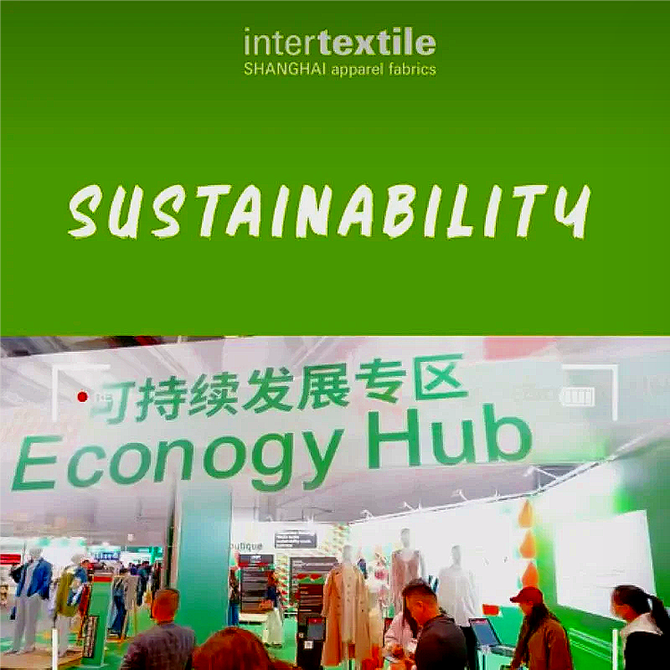
Shanghai, China – August 2026 – Intertextile Shanghai Apparel Fabrics – Autumn Edition 2026 is set to open its doors on 25 August at the National Exhibition and Convention Center (Shanghai), welcoming thousands of global industry players across three days of sourcing, networking, and trend forecasting.
Spanning 240,000 sqm, the edition will feature over 3,500 exhibitors from 30 countries and regions, organised under four key pillars: Fashion Forward, Performance Textiles, Sustainability, and Textile Future.

From 27 September 2026, stricter rules against greenwashing and higher requirements for sustainability labels will take effect in the European Union.
OEKO-TEX® has taken the new provisions as an occasion to further develop its governance structure.
In doing so, OEKO-TEX® not only meets the requirements of the EU Directive on Empowering Consumers for the Green Transition (EmpCo, EU 2024/825) but also prepares itself for future regulatory developments.
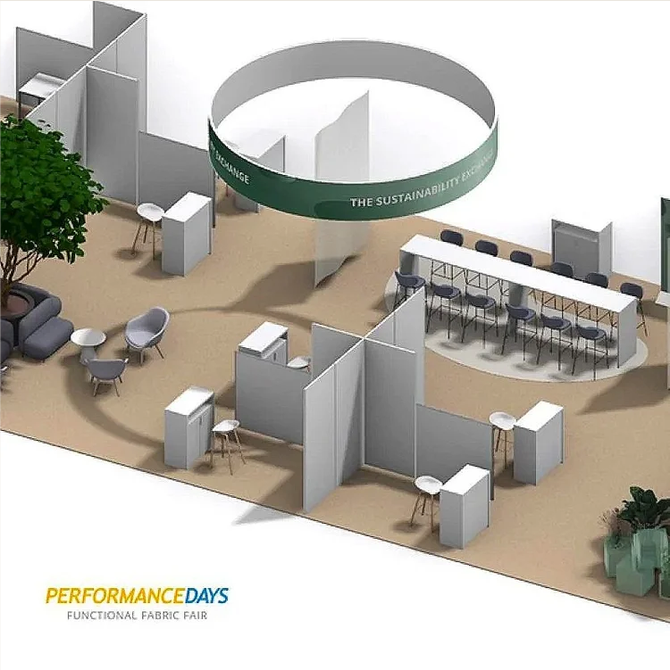
Munich, Germany – August 2026 – PERFORMANCE DAYS is set to premiere the Sustainability Exchange at its upcoming trade fair, taking place 13–14 October 2026 in Munich.
The new dedicated space brings together leading voices across certification, compliance, circularity, and collaboration to help industry professionals translate complex sustainability challenges into practical solutions.

New Delhi, India – August 2026 – IKEA, the global home furnishing retailer, has announced its partnership with the Regenerative Cotton Accelerator Programme (RCAP) as a strategic member.
The partnership will see IKEA join RCAP's Steering Group, contributing its cotton sourcing and supply chain expertise to accelerate the adoption of regenerative cotton across India.
Launched in February 2026, RCAP is a joint initiative by Solidaridad Asia, WWF-India, Regenagri and Control Union..

The invention, a dark adsorbent material that can be added to wastewater and separated with a magnet, builds on the team’s 2022 breakthrough in microplastics removal, extending performance to much smaller particles and more complex wastewater.
Microplastics are an increasing global concern, with growing evidence of their presence in water systems.
The researchers say the ability to remove micro‑ and nano‑plastics under practical conditions sets this work apart.

Winterthur – Switzerland - July, 2026 – Recycling Powerhouse Ltd. was established in July 2026 to industrialize, standardize and scale textile recycling.
Based in Switzerland, the venture will operate a franchise-driven business model that enables the production of high-quality, certified recycled yarns.
The project is supported by the following partners: Rieter Group, the world’s leading system supplier for natural and man-made fibers, Säntis Textiles, a Swiss textile engineering company, and Valvan, a Belgian sorting technology company.

Singapore, July 2026 – DyStar, a leading specialty chemicals company with more than a century of expertise in product development and innovation, today announced the release of its FY2025 Sustainability Report, marking a significant milestone in its sustainability journey and reinforcing its commitment to long-term value creation
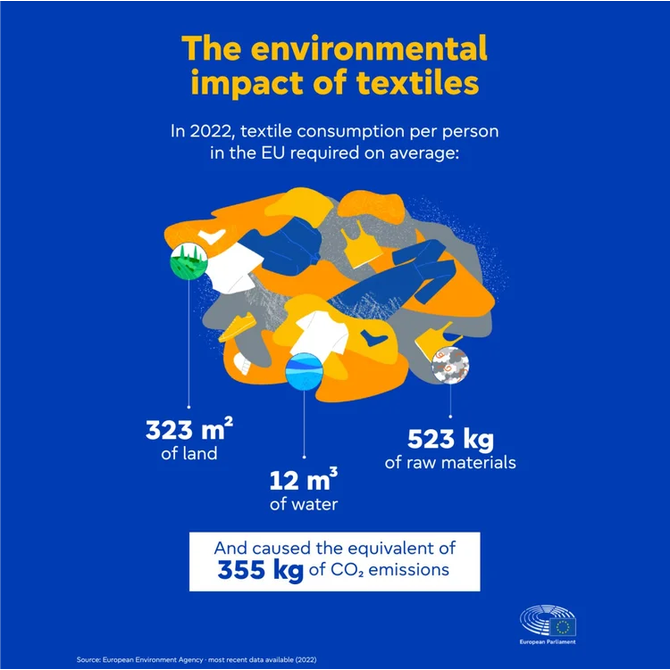
Germany, France and the Netherlands are advocating coordinated European action against ultra-fast fashion.
The three Member States raised the topic at today’s EU Environment Council in Luxembourg, and called on the European Commission to make existing and planned EU provisions more effective against short-lived, low quality textiles.
Their call was supported by other Member States, including Slovenia and Denmark.

LONDON, June 11: Textile Exchange has published its new polyester Life Cycle Assessment (LCA) study, providing robust, accurate, and credible data to strengthen the fashion, textile, and apparel industry’s understanding of the impacts of different types of polyester production.
The study is the second in a series of LCA studies led by Textile Exchange and addresses key gaps and limitations in the LCA data currently available for polyester.

Widnes, Cheshire - 5 June 2026 – On World Environment Day, Roberts Group International has announced a pioneering partnership with St Helens Council, Seamster & Shepherd, and Hope Academy.
The initiative, titled Hope for the Earth: From Reclaimed Textiles to Sustainable Student Fashion Show, empowers students to transform reclaimed textiles into original fashion pieces ahead of a summer showcase event in July.
The collaborative project addresses the urgent need for circularity in the fashion industry by bringing the sustainability message directly into the classroom.

Shenzhen, June 2026 – To address the urgent need for sustainable practices and digital transformation within the global fashion industry, the Intertextile Shenzhen Apparel Fabrics and Yarn Expo Shenzhen will return from 9 to 11 June 2026.
Held at the Shenzhen Convention and Exhibition Center, the event will host over 600 international exhibitors across 45,000 square metres.

The innovative washing process SMART WASH represents a modern, high-performance, and environmentally conscious approach to textile care.
The targeted combination of the products BEIPLEX GREEN, BEICLEAN ECO, BEIPUR ANP, BEIBLEACH WP 35, and BEIACID CIT creates a holistic, sustainable washing and bleaching concept.
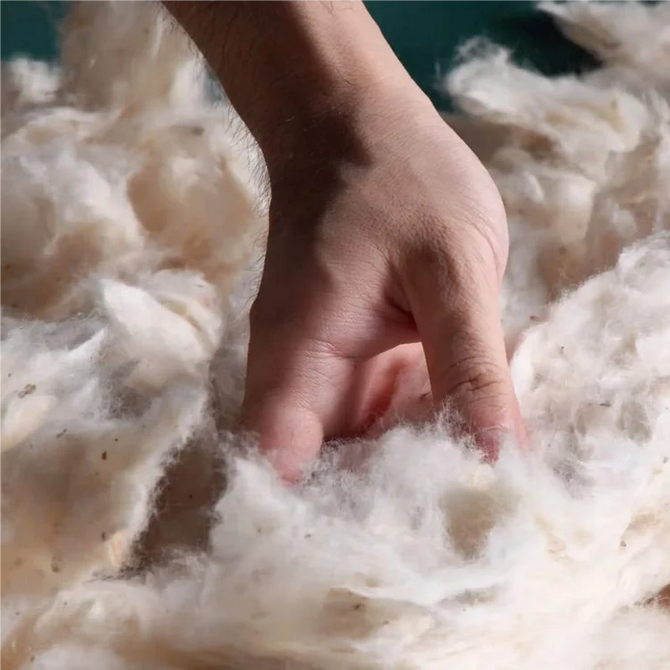
Stuttgart, Germany – May 2026 - Global Organic Textile Standard (GOTS) certification continued to grow in 2025, with nearly 18,000 certified facilities worldwide, despite ongoing geopolitical uncertainty and rapidly evolving regulatory requirements across global textile supply chains.
New figures released today in the 2025 Annual Report for Global Standard, the nonprofit that owns and operates GOTS, show that uptake of robust, independently governed sustainability standards remains a priority for companies seeking to manage risk, substantiate claims and meet rising expectations on transparency and due diligence.
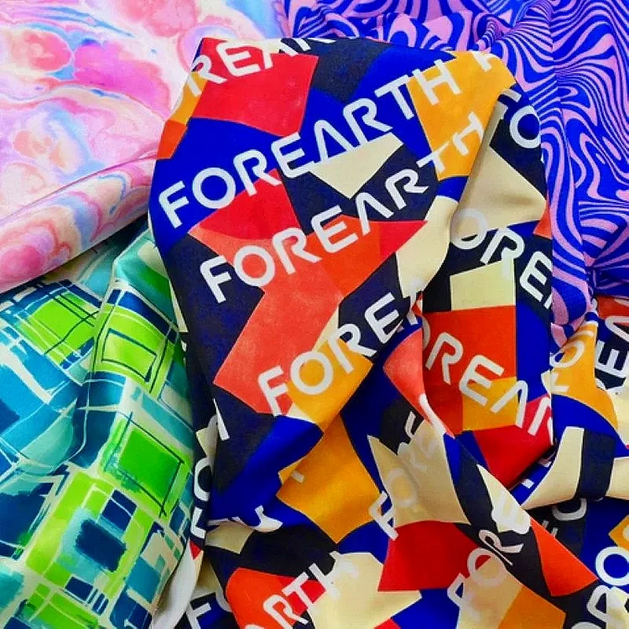
Kyocera Document Solutions has highlighted its FOREARTH, a pioneering water-free textile production concept designed to drastically reduce energy consumption and greenhouse gas emissions.
By addressing the critical need for sustainable manufacturing, this innovation sets a new standard for the textile industry, minimising environmental impact while streamlining the entire printing process.

ECCO, in partnership with Spinnova, announces the launch of the limited edition ECCO BIOM® 720, a first-of-its-kind shoe utilising an often overlooked leather by-product, transformed into a protein-based fibre.
The fibres are produced using patented technology that advances material innovation while reducing waste and supporting full resource use across the leather and textile industry.

Newark - Delaware - May 2026 – The global digital textile printing market is set for a substantial transformation, having crossed a valuation of USD 6.1 billion in 2025.
According to recent market forecasts by FMI, the sector is projected to surpass USD 6.6 billion in 2026, expanding at a compound annual growth rate of 7.7 per cent.
Driven by the urgent need for sustainable production and fast fashion customisation, the market is on track to reach a total valuation of USD 13.9 billion by 2036.

Cagliari - Italy – May 2026 – To address the escalating crisis of water scarcity in the Mediterranean basin, the Interreg NEXT MED Programme has officially announced the launch of the SWAMED project.
This international initiative introduces smarter irrigation systems and modern agricultural technology to farming communities across the region. By deploying innovative, data-driven solutions, the project seeks to safeguard the future of agriculture in areas where every drop of water is critical for survival and economic stability.
The SWAMED project is spearheaded by the Università degli Studi della Campania "Luigi Vanvitelli" in Italy, operating in close collaboration with a strategic coalition of partners from Tunisia, Egypt, Greece, and Türkiye.

Washington DC - 24 April 2026 – The Bezos Earth Fund has announced a $34 million commitment to advance breakthrough sustainable materials for the global fashion and textile industry.
Working with leading scientists across the United States, these new grants aim to reinvent the fabrics used in everyday clothing, focusing on next-generation materials that replicate the feel of rayon, silk, and cotton while drastically improving upon the environmental impact of conventional manufacturing.

ISTANBUL, Türkiye – April 2026 – In a critical step towards securing a sustainable and ethical future for the global textile industry, Textile Exchange and the Organic Cotton Accelerator have officially announced the comprehensive agenda for the upcoming Organic Cotton Summit.
This vital industry event is scheduled to take place from the 2nd to the 4th of June 2026 at the Istanbul Marriott Hotel Sisli in Türkiye.
By bringing together global stakeholders, the summit aims to urgently address the pressing challenges facing agricultural supply chains and to build organic cotton systems that are resilient, fair, and economically viable for all participants.

Manchester, UK – April 2026 – John Hogg Technical Solutions has announced a strategic minority equity investment in SwitchDye Limited, a University of Leeds spin-out.
This vital partnership aims to rapidly scale SwitchDye's pioneering CO2-responsive, drop-in dyeing system, answering the urgent industry need to significantly reduce chemical intensity, energy use, and water consumption in the dyeing of polyester and other synthetic fibres.

April 2026 - As sustainability expectations rise across the fashion industry, Lectra has announced the publication of a new document aimed at helping brands reduce their environmental impact while remaining competitive.
The newly released insights detail how fashion brands can overcome the four main barriers to sustainable product development, providing the necessary data clarity to make better, environmentally conscious decisions.

London - April 2026 – In a decisive response to the escalating global need for urgent climate action, Ricoh today announced a comprehensive revision of its environmental, social, and governance targets.
Launched as a cornerstone of its fiscal 2026 mid-term strategy, the company is significantly accelerating its efforts to realise a decarbonised society.
By raising its greenhouse gas emissions reduction goals and renewable energy adoption targets, Ricoh is firmly linking sustainable innovation with its global business operations to lead the industry toward a greener future.
The organisation has elevated its fiscal 2030 target for reducing Scope 1 and 2 greenhouse gas emissions from 63 percent to 75 percent, compared with fiscal 2015 levels.

Zhanjiang, China - 26 March 2026 – BASF today announced the official inauguration of its state-of-the-art Verbund production site in Zhanjiang, Guangdong Province.
Covering four square kilometres, this €8.7 billion facility represents a paradigm shift in sustainable chemical manufacturing.
Fully powered by renewable electricity, the site reinforces BASF’s market position in China whilst addressing the urgent global need for decarbonised industrial processes.
Employing over 2,000 people, the Zhanjiang site produces a highly diversified portfolio of basic chemicals, intermediates, and speciality chemicals.

Stockholm – Sweden – March 2026 – The H&M Foundation has announced the launch of a practical, open-source workshop toolkit designed to help organisations across the textile industry apply its innovative System Map.
Introduced earlier in 2024, the System Map is a visual framework that reimagines the fashion industry as an interconnected ecosystem.
Now, this comprehensive toolkit empowers brands, suppliers, policymakers, and investors to turn systemic insights into actionable strategies, identifying crucial leverage points to halve greenhouse gas emissions every decade until 2050 while enabling a just transition.

March 21st 2026 – To mark the International Day of Forests, Lenzing Group has announced its continued and unwavering dedication to global forest conservation and ecological resilience.
As the world faces unprecedented environmental challenges, the company is taking decisive action to ensure that the preservation of healthy forests remains firmly embedded in its sourcing strategy and product innovations.
San Francisco – March 2026– The Apparel Impact Institute (Aii) has today announced the launch of its innovative Energy and Carbon Benchmark.
This vital new tool is designed to provide fashion brands and their global suppliers with a unified reference point for measuring energy consumption and greenhouse gas (GHG) emissions across textile manufacturing facilities worldwide.

London – March 2026 – The Better Cotton Initiative (BCI) has announced a new collaboration with global non-profit the Soil Health Institute (SHI) and national ag-tech provider Growers Guide to support cotton producers across the United States in strengthening their soil conservation practices.
The partnership will fund intensive on-farm data collection to equip producers with actionable, data-driven insights aimed at improving soil health and reducing chemical inputs.

Amsterdam - March 2026 - Sappi Europe, a leading provider of sustainable paper and packaging solutions, represented the company at this year's AWA Global Release Liner Summit in Amsterdam.
Under the theme of "Innovation and Sustainability," Sappi's Director of Sustainability Sarah Price and Manager of Technology & Development Wolfgang Hoffmann led a well-received session titled "Navigating Sustainability: Accelerating Together."

Nottingham, UK - 6 March 2026 – Worn Again Technologies has announced the start-up of its Textile-to-Fibre Accelerator plant in Winterthur, Switzerland, marking a major step towards commercialising its chemical recycling technology.
The facility provides real-world validation of a process designed to recover and regenerate polyester and cellulose from end-of-life textiles, proving the technical and economic feasibility of polycotton recycling at scale.
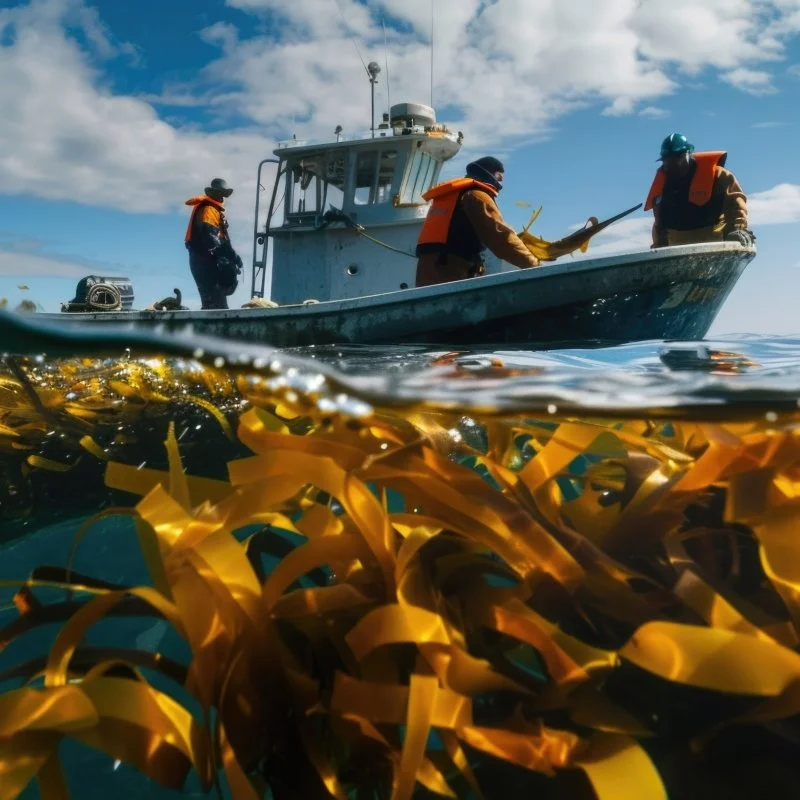
Oban – Scotland – February 2026 - OCEANIUM has highlighted OCEAN INK®, the world's first fully biodegradable, water-based ink derived from sustainably farmed seaweed.
This groundbreaking innovation is poised to transform the luxury textile, printing, and packaging industries by offering an eco-friendly alternative to conventional harmful inks.
As industries worldwide face mounting pressure to adopt sustainable practices, OCEAN INK® addresses a critical gap in the market.

London – UK – September 2026 – ARTS THREAD has announced the call for applications for the Designers in Residence Pforzheim 2027 programme, a fully funded three-month residency hosted at EMMA Creative Center Pforzheim.
The residency will run from 1 April to 30 June 2027, offering emerging designers a rare opportunity to develop their practice within a dedicated creative environment.
Applications close on 2 November 2026 at 23:59 CET.
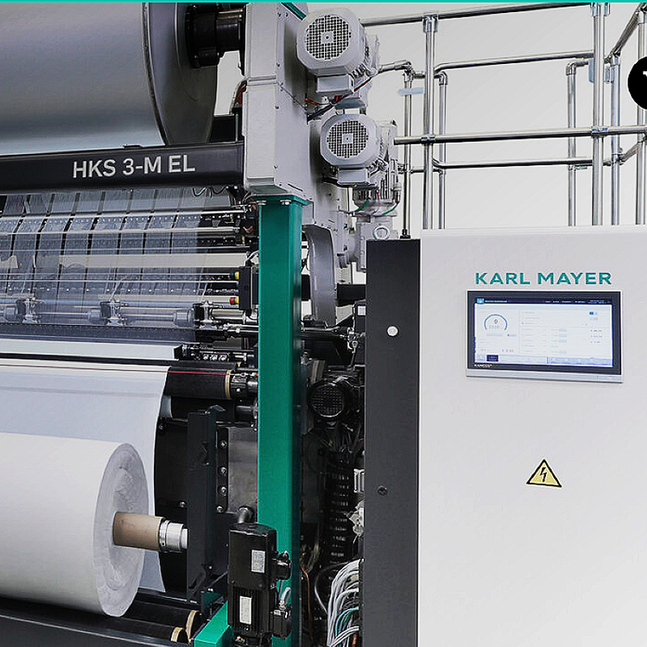
Oberthausen – Germany – September 2026 – KARL MAYER has announced the launch of a new, highly productive model of its HKS 3-M EL, engineered to meet the escalating demands of the sporting goods market.
The extra-wide tricot machine combines a working width of 330", expandable by a further 10", with production speeds of up to 2,800 min⁻¹, setting a new performance benchmark for manufacturers of modern sporting goods.

Crewe – Cheshire - UK – 18 September 2026 – Hybrid Services Ltd, the official Mimaki distributor for the UK and Ireland, today highlighted how Mimaki's advanced white ink technology is setting a new standard for Direct-to-Film (DTF) printing, addressing a critical challenge facing garment decorators across the industry.

Tonbridge – UK – September 2026 Compass Business Finance will return to The Print Show this year, inviting visitors to explore their game plans for growth and the strategic decisions that can help drive long-term success in an increasingly fast-moving market.
Located on Stand P580, Compass will deliver an immersive experience designed to explore the challenges, opportunities and key business decisions facing print companies today.
Rather than offering generic advice, the stand will encourage visitors to think differently about their ambitions, investment priorities, and the practical steps required to move their businesses forward with confidence

Anglesey – September 2026 – Nova Chrome UK has today announced the launch of the Filmjet Mini, a new series of all-in-one direct-to-film (DTF) printers designed to eliminate the complexity of running separate printing, powder application, and curing units.
Built by PolyPrint, a garment printer manufacturer since 2006, the Filmjet Mini brings together everything a business needs to start DTF production within a single, compact machine.

China Print Supplies has expanded its textile offering with nine Gongzheng Apsaras printers, covering dye sublimation, direct-to-fabric pigment printing and hybrid working.
The full range is available now, and adds textile to a Gongzheng line-up the company already sells across UV and eco-solvent.
You can learn more about these printers by talking to China Print Supplies at The Print Show later this month (stands S220 and S420).

Dorking – UK – September 2026 – FESPA has announced a new instalment of its FESPA Insights webinar series, focusing on one of the garment decoration industry's fastest-growing opportunities: personalised apparel.
The session, titled "Scaling Your Personalised Apparel Business", will take place on 29 September 2026 at 14:00 BST.

Burscough, UK, September 14, 2026: Quality Print Services (QPS) has announced it will showcase six printers from across the ColorJet and Roland DG ranges, alongside Nazdar's alternative digital inks, on its stand (150) at The Sign Show 2026.
Taking place in hall 1 of the NEC in Birmingham from 29 September to 1 October, The Sign Show, co-located with The Print Show, gives visitors access to both events with a single registration.

September 2026 - Epson today announces the SureColor SC-F300, a new A3 dye-sublimation printer designed to help small businesses and growing personalisation providers produce professional-quality output with a compact, user-friendly workflow.
The SC-F300 is positioned to help users broaden their product offering – supporting expansion from A4 into

Mortsel – Belgium – September 2026– Agfa has today announced the launch of the Jeti Tauro H3300 HS, a new hybrid UV LED inkjet press that extends its award-winning Tauro family.
Built on technology and insights gathered across the entire Tauro range, the new press is designed to meet the productivity demands of today's print service providers while offering a clear path for future growth.

Summa announces the expansion of its F Series Vantage platform into large-format production environments with the introduction of the F1832, F3220 and F3232.
Designed for high-volume signage, packaging, textile, and industrial applications, the new models extend the philosophy behind the F Series Vantage: delivering productivity gains across the entire workflow.
Alongside the new large-format models, Summa also introduces the F1625CF, a dedicated configuration optimised for dry carbon fibre cutting
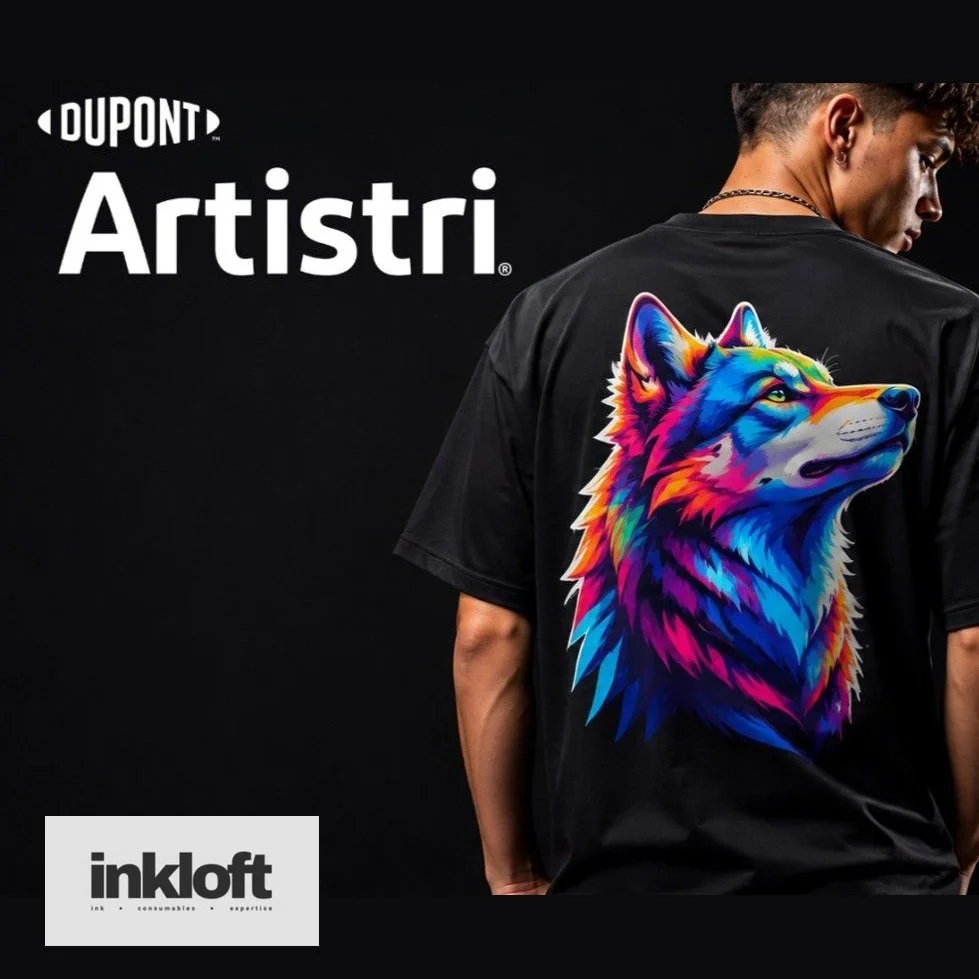
United Kingdom – September 2026 – Inkloft, a new specialist digital printing business founded by Gary Weyman and Andy Hancock, has announced its entry into the direct-to-film (DTF) market.
The company has been appointed as a distributor of DuPont™ Artistri® DTF products, including P1600 inks and Artistri Jettable Adhesive JA1100, both now available to purchase online through inkloft.co.uk.

Tokyo, Japan – September 2026 – Seiko Epson Corporation today announced the launch of CONTOURJET, a new brand for its Direct-to-Shape Printing System, combining Epson's proprietary inkjet and robotics technologies to meet the growing global demand for decorating complex three-dimensional objects.
Under the CONTOURJET brand, Epson will deliver a total solution encompassing enhanced system performance, inks, related software, implementation support, and maintenance services.
The offering is designed to help customers improve efficiency in decoration processes, reduce environmental impact, and unlock a wider range of creative designs.

LAS VEGAS, NV. September 15, 2026 – Fiery, LLC, the print industry’s leading innovator of digital front ends (DFEs) and workflow software, today announced it is showcasing an end-to-end portfolio of solutions that power all corners of the digital print room at PRINTING United 2026 in Las Vegas, Nevada.
Fiery’s award-winning products power printing’s broadest range of applications, including commercial print, large format, industrial inkjet, direct-to-film, direct-to-garment, and more.

Franklin, TN – September 2026: Vanguard Digital Printing Systems, a Durst Group Company, returns to the PRINTING United Expo with a lineup that reflects the fast moving, boundary pushing, revolutionary company it has become.
In booth C1514, visitors will experience Vanguard’s proven technology, continued innovation and an all-new solution that will change the way print formed service providers think about production.

Birmingham, UK – September 2026 – Perfect Colours has announced its participation in The Print Show 2026, taking place at the NEC Birmingham from 29th September to 1st October.
The company will be offering bespoke, hands-on demonstrations of the Canon UK Colorado M5W, giving visitors the opportunity to witness the technology firsthand and explore how it can transform their production capabilities.

Leicester – UK = September 2026– Vivid Laminating Technologies Ltd, a leading innovator in finishing technology, has announced that its award-winning Veloblade Nexus has been selected by 5 Studio UK, a specialist in large-format print and exhibition stand production, to support the creation of high-quality exhibition stands.
The Veloblade Nexus was chosen for its precision etching and engraving capabilities, which allow 5 Studio UK to deliver premium wood-finished displays for clients across the UK, Europe, and beyond.

Telford, UK – September 2026 – China Print Supplies UK Ltd will unveil the Gongzheng ThunderJet AQ1602S at The Sign Show, offering visitors a hands-on demonstration of its latest entry-level eco-solvent printer at stand S220 + S240.
The ThunderJet AQ1602S is a professional 1.6m eco-solvent printer engineered for high-quality signage, graphics, and display production

Reading, UK – 15 September 2026 – HP has announced it will showcase four machines from its HP Latex portfolio, alongside the HP DesignJet Z9+ and HP PrintOS Production Hub, at The Print Show and The Sign Show 2026.
Taking place from 29 September to 1 October in Hall 1 of the NEC Birmingham, the event will feature live demonstrations and application examples highlighting opportunities across sign-making and wide-format print.

Paris - France – September 15th 2026 – Optitex, a global leader in fashion technology, has today announced the release of O/26.1, the latest evolution of its industry-leading software suite.
The update strengthens the tools that fashion and apparel businesses rely on daily, introducing enhanced pattern design capabilities, more flexible cut planning, and a smoother, more connected cloud experience through OPTINEDCloud, formerly known as O/Cloud.

Clay Cross – September 2026 – Resolute DTF has confirmed it will unveil its latest range of digital cutting solutions at The Print Show 2026, held at the NEC Birmingham from 29 September to 1 October.
The announcement reflects the company's continued commitment to advancing production efficiency across the DTF, vinyl, UV DTF transfer and label sectors.
Visitors to Stand P610 will be given a first-hand look at three cutting systems designed to address the industry's growing demand for accuracy, flexibility and streamlined workflows.

Hamamatsu, Japan – September, 2026 – Roland DG, a leading manufacturer of wide-format digital printing solutions, has announced the launch of the TrueVis MG2 Series, a next-generation UV printer/cutter range comprising the MG2-640 and MG2-300.
Designed to help print businesses increase profitability, the new series combines significantly higher productivity, exceptional print quality, advanced application capabilities and lower running costs in a single integrated UV Print & Cut solution.

September 2026 – Georg+Otto Friedrich GmbH, a fourth-generation German textile manufacturer, today announced its participation in PRINTING United Expo 2026, North America's largest gathering of the print industry.
The company will exhibit at Booth C1996 from 23–25 September 2026 at the Las Vegas Convention Center.
The expo represents a pivotal opportunity for Georg+Otto Friedrich to demonstrate how warp-knitted polyester is reshaping the possibilities of digital printing.

Altrincham – Cheshire – Funki Fabrics has today released its Autumn/Winter 2026 fabric trend report, identifying four key directions set to define the season: warm neutrals, deep jewel tones, vampy cherry reds and dark, moody botanicals.
The report offers designers across dancewear, performance wear, costume and beyond a clear framework for translating seasonal colour and print movements into fabric choices.
According to Funki Fabrics, AW26 marks a decisive shift towards richer, more dramatic palettes.
Cool creams and pale beiges are giving way to toasted beige, camel and biscuit browns, offering warmth and versatility as either standalone tones or a base for bolder accents.

Colombo, Sri Lanka – September 2026 – Winterquilts (Pvt) Ltd., one of Sri Lanka's leading garment manufacturers and exporters, has invested in Coats Digital's award-winning GSDCost solution together with its newly launched AI-powered GSDQuest platform.
The move is designed to standardise garment costing, improve costing accuracy and accelerate Bill of Labour generation across the company's manufacturing operations.
London, UK – September 2026 – The Only Natural International Student Design Competition 2026, supported by Artsthread, has revealed its Category and People's Choice winners.
Selected from an exceptional field of entries from student designers across the globe, this year's winning projects span Fashion and Home, showcasing outstanding creativity, craftsmanship and innovation in the use of natural materials.

Bressanone – September 2026 – Durst Graphics today features its P5 350 CORE, a new 3.5-metre hybrid printing platform designed to serve as an accessible entry point into the wider Durst Ecosystem.
The system brings together proven technologies from across the P5 portfolio, offering print businesses a reliable and future-ready first step into industrial digital printing.
This machine reflects Durst's continued commitment to lowering the barrier to entry for print operators seeking dependable, scalable technology without compromising on quality or performance.

Peterborough -September 2026 – Snuggle, a leading trade fulfilment provider, has today announced it is the first company in Europe to install three Epson G9000 DTF systems, marking a significant expansion of its production capacity to meet surging demand from trade customers across the UK and Europe.
The graphic industry is changing at high speed. Automation, artificial intelligence, personalization, new materials and sustainability are transforming the way products are made while, at the same time, opening up new business opportunities for professionals in the sector.
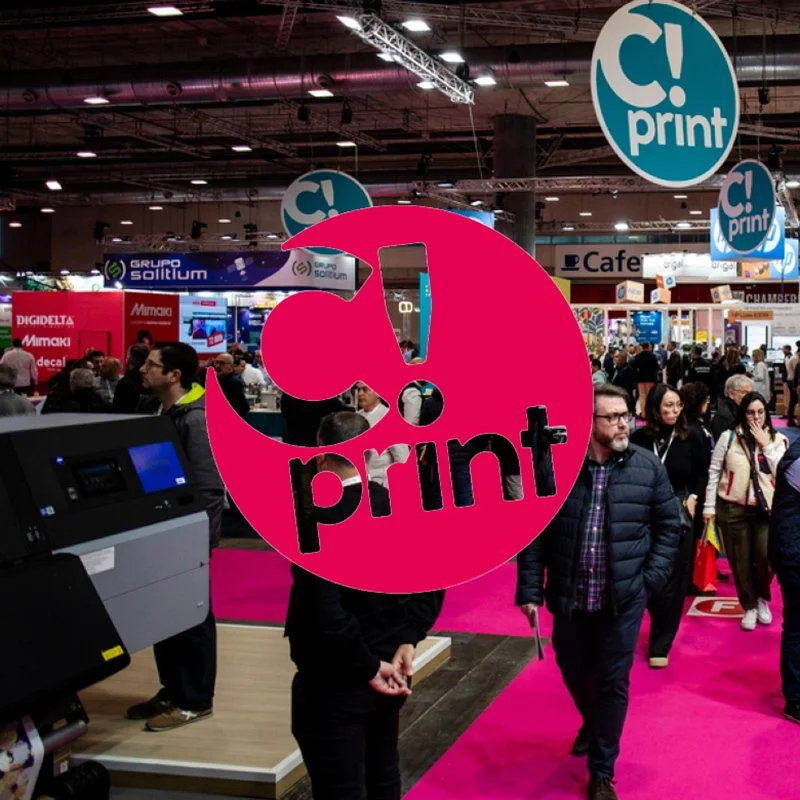
Against this backdrop, C!Print Madrid 2027 will bring together manufacturers, distributors, printers and professionals from the printing and visual communication world at IFEMA MADRID from January 12 to 14, showcasing the technologies and trends driving this evolution.
This eleventh edition arrives with a strong market response: 90% of its more than 7,000 m² of exhibition space is already booked, with leading companies in the sector such as HP, Epson, Fujifilm, Roland DG, Mimaki, Digidelta and Konica Minolta, among others
Las Vegas – Nevada – September 2026 – BARBIERI electronics, a specialist in colour measurement technology, has announced its sponsorship of the G7+ Exchange, an industry gathering set to take place ahead of PRINTING United Expo 2026.
The event will bring together experts and professionals from across the printing sector to discuss advancements in colour management and print quality.
The G7+ Exchange will be held on 22 September 2026 at the Las Vegas Convention Center, Room N109, as part of the broader PRINTING United Expo.