



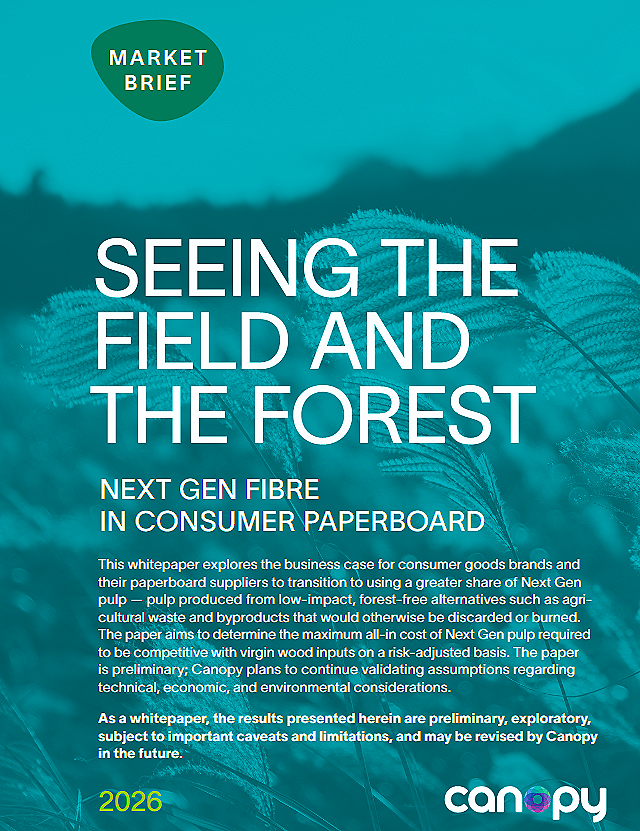
Global — 9 November 2026 — As brands move away from plastic and demand for paper packaging climbs, a new economic modelling report from Canopy shows that pulp made from agricultural residues can help packaging producers reduce their exposure to volatile wood pulp prices. Seeing the Field and the Forest finds that replacing 5–10% of virgin wood pulp with Next Gen pulp made from wheat straw and sugarcane bagasse is a practical, cost-competitive step for mills, brands, and converters to take today.
Growing demand for paper packaging is deepening the industry's reliance on wood pulp at a time when its cost and supply are increasingly unpredictable. Swings in energy and raw material prices, trade and geopolitical disruptions, climate-linked supply shocks, and tighter regulation are all adding environmental and price risk to virgin forest fibre sourcing.
The report, created in conjunction with Blue Lotus Strategies and Glynmoran, tests whether Next Gen pulp makes business sense for consumer paperboard. It models a commercial relationship between a buyer, such as a global, high-volume consumer goods brand or paperboard converter, and a China-based integrated pulp and paperboard mill, focusing on a demanding, high-performance folding boxboard (FBB) grade.
Today, technical limits cap Next Gen pulp at about 10%, confined to the board's middle layer, where it replaces cheaper wood pulp. Improvements in quality and mill processes could let it replace more expensive pulp, increasing savings. Early adoption could open the door to 20% use by 2030 and more than 30% after 2032, supporting a shift toward regional, diversified, and affordable supply chains. Canopy's research also found that replacing old-growth softwood with managed-forest wood plus 10% agricultural residues could cut lifecycle greenhouse gas emissions by about half in some applications.
Canopy recommends that brands, converters and mills begin using 5–10% Next Gen pulp now, while building the supply, technical performance and environmental evidence needed to scale.
The full report, Seeing the Field and the Forest, is available at canopyplanet.org.



Does creativity live in your head or your hand?
The honest answer, as this new generation of AI-powered tools makes clear, is both, now working in closer partnership than ever before.
The head conceives, directs, and judges; the hand, whether holding a pencil or typing a prompt, still shapes the final outcome. For studios and professionals across the print and textile ecosystem, the opportunity now is to master this partnership before it becomes the industry standard rather than the competitive edge.

Is the future of fashion manufacturing local?
Manchester Made didn't offer easy answers, and it shouldn't have - the challenges facing domestic manufacturing are structural, not sentimental. But it did offer a clear set of principles that every designer, supplier, printer and manufacturer serving the fashion ecosystem should take seriously.

There's a persistent myth in parts of the industry that sustainability compliance is something that happens upstream - a supplier issue, a sourcing issue, a problem for someone else's department.
The webinar dismantled that assumption convincingly. Marketing teams sit squarely in the firing line.
Every claim on a hangtag, website, product name or Instagram caption now falls under regulatory scrutiny. A brand name suggesting an "eco collection," a product description claiming "sustainable materials," a carousel post about carbon neutrality - all of it counts as a communication subject to the same rules as formal labelling. This is a cross-functional compliance challenge that touches data teams, supplier relationships, legal counsel and brand communications simultaneously.
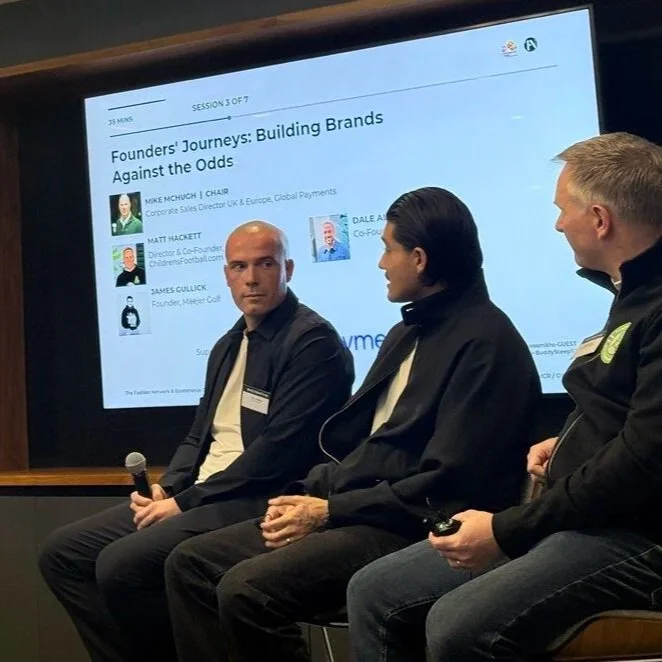
The Ecommerce Leadership Summit North brought together retail and ecommerce leaders in Manchester to discuss the challenges, opportunities and commercial decisions shaping the industry.
Across the day's sessions, speakers explored the future of retail profitability, the growing importance of verifiable product data in AI-driven commerce, the realities of building and scaling brands, and how businesses can protect their margins without compromising customer value. From the discussions on stage to the experiences shared by founders, here are the key insights from this year's summit.
The State of Retail 2027: What Will Separate the Winners from Everyone Else?

This is not simply a matter of faster machines.
It is a question of whether your production model - technology stack, workflow discipline, and quality control - is genuinely built for the realities of club and event merchandise.
Those realities are unforgiving: brand-perfect colour, flawless personalisation, licensing compliance, and turnaround measured in hours rather than weeks.

Colour Separation: The Craft Digital Textile Design Shouldn’t Forget
Textile designer Stephan Alker draws on more than 40 years in the industry, going back to his start at Transfertex in 1980, to trace how colour separation moved from drum scanners, hand-retouched films and engraved gravure cylinders to fully digital workflows.
He argues that this production knowledge still matters in the age of digital printing, because properly separated designs give brands far more freedom.
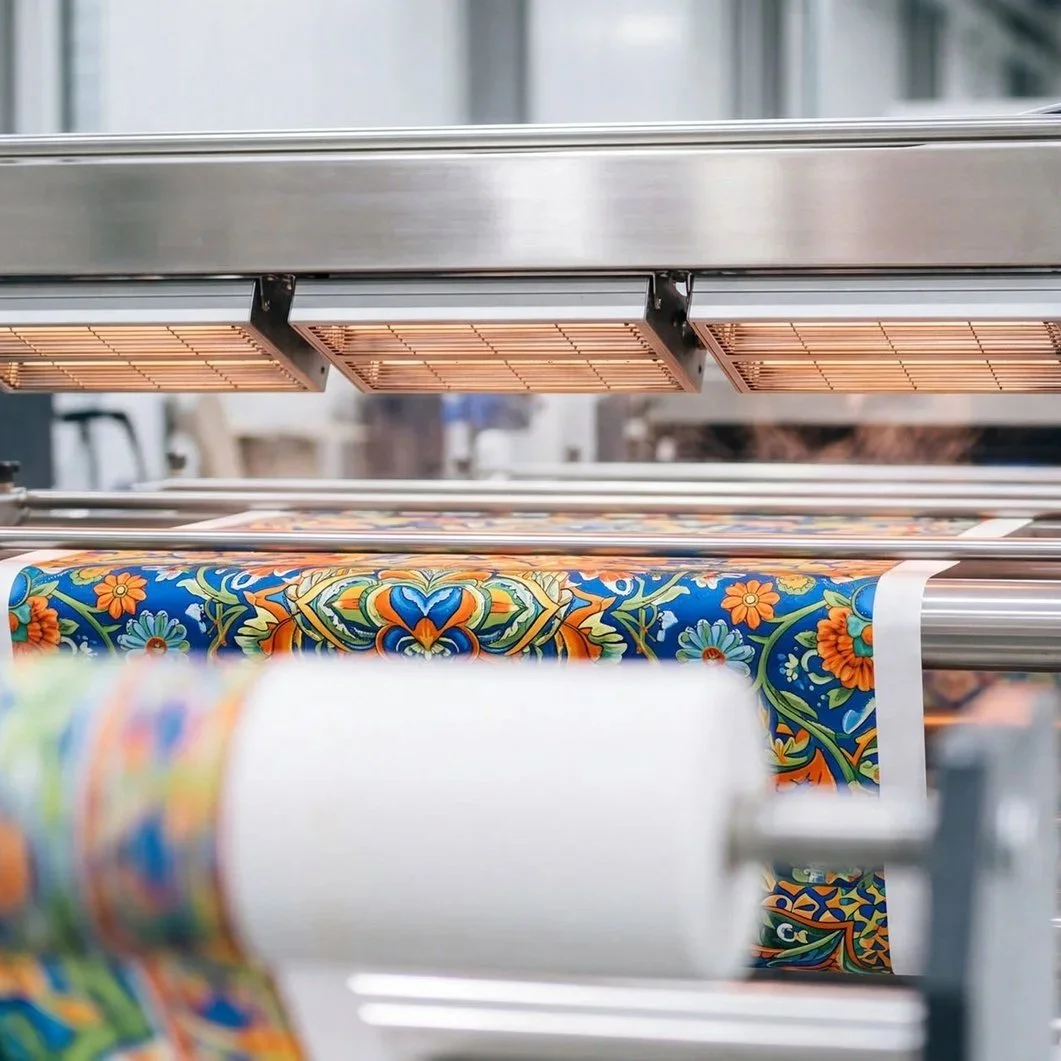
The Path Foward: Connect Every Link:
Design, colour, workflow, production, data. Each link now depends on the one before it, and the printers who will lead the market are those who strengthen the whole chain, not just the machinery at its centre.
So, this autumn, ask the bigger question on your own shop floor.
Not "Which printer?" but "How well does my business connect demand, design and production?"
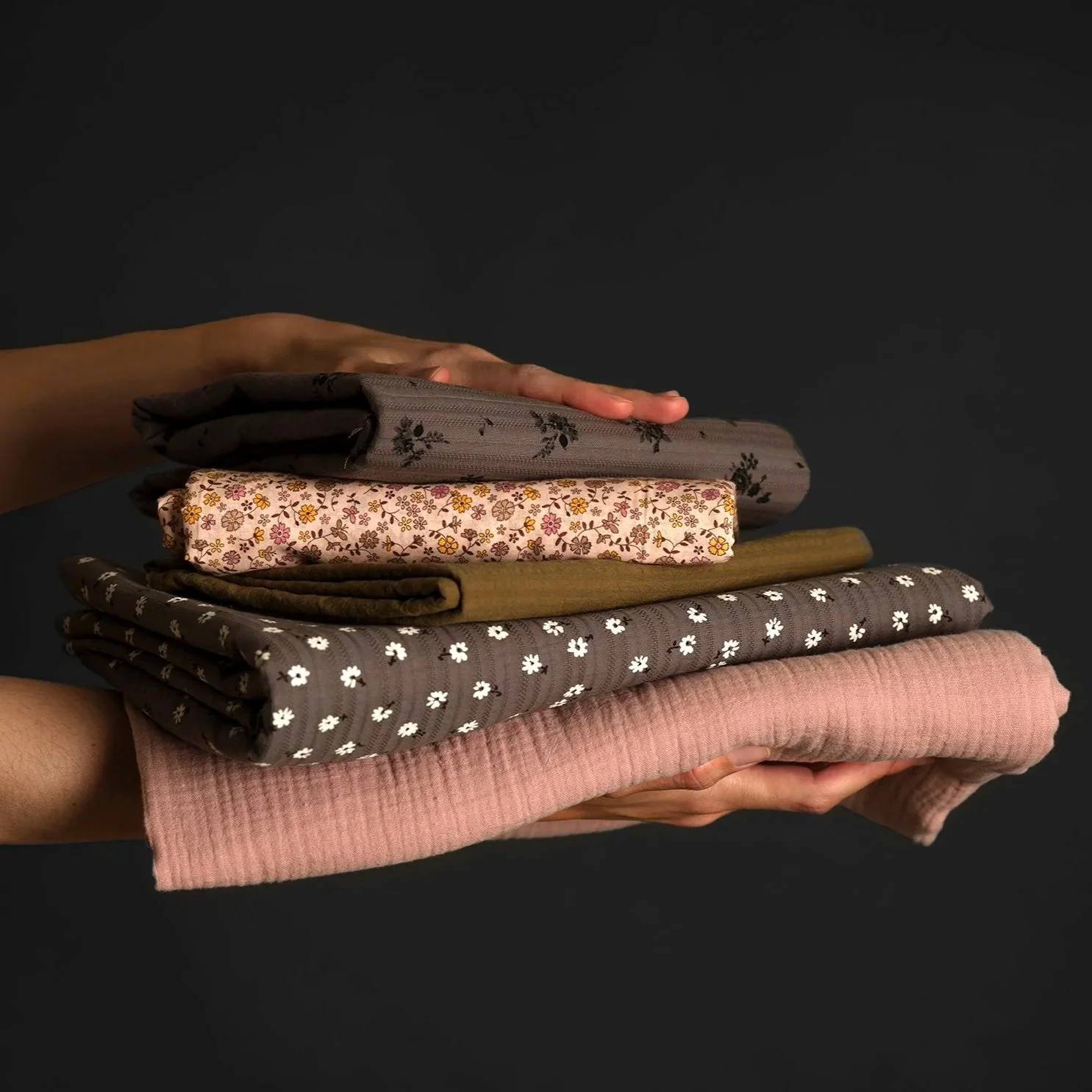
Rebés's story isn't one of nostalgia - It's a working blueprint for how heritage manufacturers can stay indispensable in a market that rewards speed, certification, and specificity in equal measure. Four million metres of stock mean nothing without the digital printing capability to turn it into something distinctive.
A 150-year name means nothing without the R&D discipline to win a tender for antistatic, carbon-fibre-infused uniform fabric on the first attempt.
Image Credit: Tejidos Rebé

What if the next dress you wore never touched the factory floor?
This is no longer a fringe experiment. It is a maturing production model, backed by genuine material science, real circularity, and an AI-assisted workflow that is becoming more accessible by the month.
Her advice to designers and brands alike is refreshingly practical: start small, get hands-on with an accessible 3D printer, and build fluency before the technology becomes table stakes. The businesses that treat this moment with curiosity, rather than scepticism, will be the ones shaping fashion's next decade rather than reacting to it.

The 2027 FESPA Awards are now open for entry, and the message to businesses across textiles, apparel, interiors and beyond is simple: your work deserves recognition. Every gold winner featured here started in the same place every entrant does - with a project they believed was worth submitting.
As the only independent awards programme with 18 categories dedicated to print and signage, FESPA offers a genuinely global stage, with shortlisted entries displayed at FESPA Global Print Expo in Spring 2027.

Manchester – November 2026 – Premier Digital Textiles has today highlighted its 2456 Cuddle Fleece, an ultra-soft, plush fabric engineered to deliver both exceptional comfort and outstanding print performance. Arriving as the colder nights draw in, the new fabric is designed to meet growing demand for cosy, high-quality home textiles that don't compromise on visual appeal.

Madrid, Spain – November 2026 – Epson has confirmed its participation in C!Print Madrid 2027, Spain's leading trade fair for the visual communication, textile printing and personalisation industry, taking place at IFEMA Madrid from 12 to 14 January. The company will use the event to showcase tangible business opportunities for the sector, headlined by the Spanish debut of its new small-format sublimation printing solution, the SureColor F300, following its recent global launch.

Madrid, Spain – November 2026 – FabricVision GmbH has announced that its new warehouse in Madrid is now fully operational, bringing local stock closer to print businesses across central Spain. The facility will enable shorter delivery times throughout the Community of Madrid and support a faster, more responsive service for customers in the region.

London, UK – November 2026 – Grey Buscemi, a Fashion MA graduate from Central Saint Martins, University of the Arts London, has been named winner of the Sustainable Fashion/Textiles category at the Global Creative Graduate Showcase 2026. The accolade recognises Buscemi's graduate collection, "In Air Off Air," which challenges conventional garment construction by eliminating sewing entirely.
The Global Creative Graduate Showcase, delivered by Arts Thread in collaboration with Google Arts & Culture, celebrates emerging creative talent across all art and design disciplines. This year's showcase featured 4,371 graduates from 382 universities worldwide, with winners selected by 236 industry judges alongside 446,473 public votes
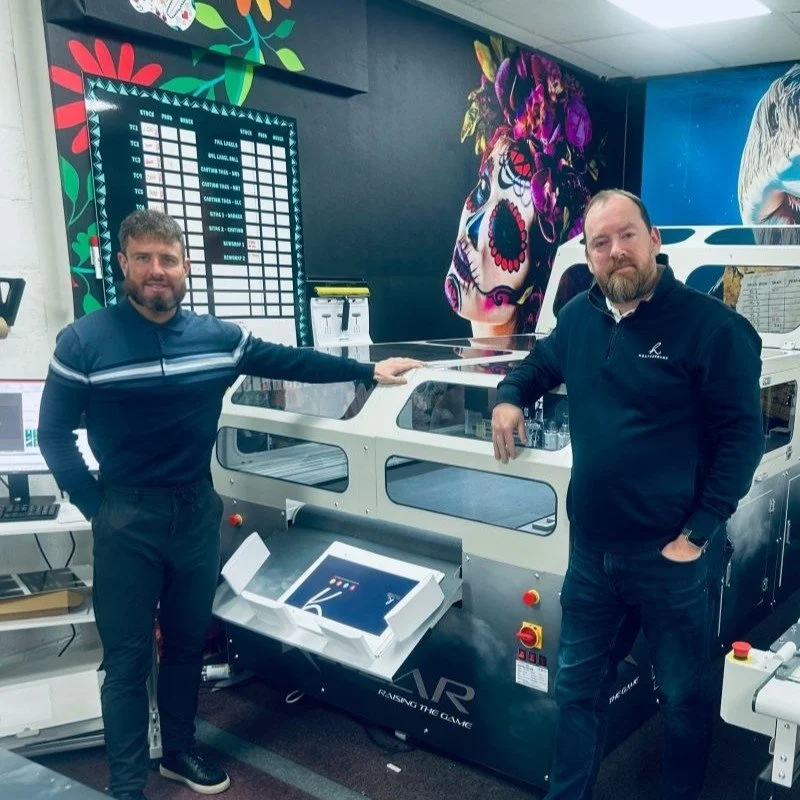
Doncaster, UK – November 2026 – Heatherbank Print, a full-service marketing studio based in Doncaster, has unveiled a new spot raised foil application on its recently installed Razar system from Vivid Laminating Technologies Ltd. The addition is already generating strong demand from clients, with early results showcasing striking, tactile artwork that is difficult to capture in photography alone.

London – UK – November 2026 – Epson Europe B.V. has been named Manufacturer of the Year at the AV Awards 2026, recognising the company's leadership across breakthrough technologies, market impact, and ethical business practices within the AV industry.
The award, presented by AV Magazine, celebrates manufacturers that demonstrate excellence across the full breadth of their operations, from innovation and market leadership to sustainability, diversity, and the development of future skills. For Epson, this recognition reflects a sustained commitment to shaping the direction of the AV sector worldwide.
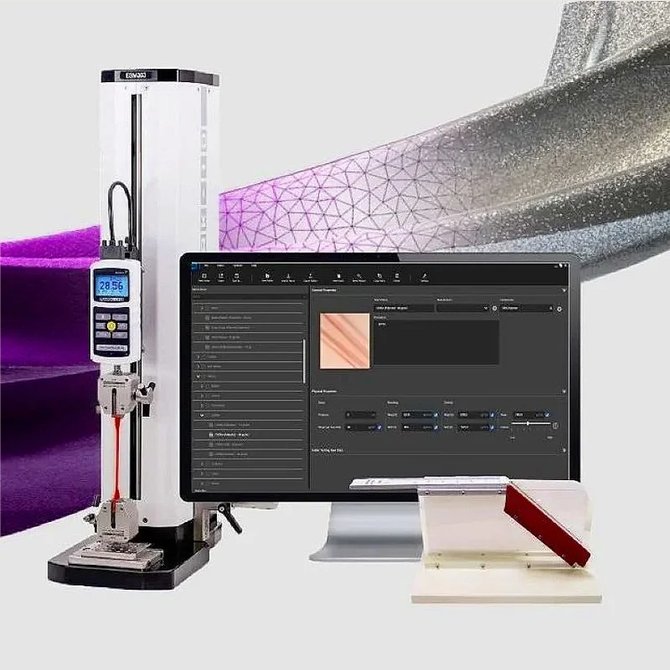
New York – NY – November 2026 – Optitex’s new 3D visualisation capabilities within its Optitex PDS software, enabling fashion and apparel brands to review and approve fit digitally before a single physical sample is cut.
The technology transforms standard 2D patterns into a 3D simulation, complete with tension mapping for advanced fit analysis. This allows design and development teams to assess fit, identify stress points, and approve garments on screen, significantly reducing reliance on costly and time-consuming physical sampling.
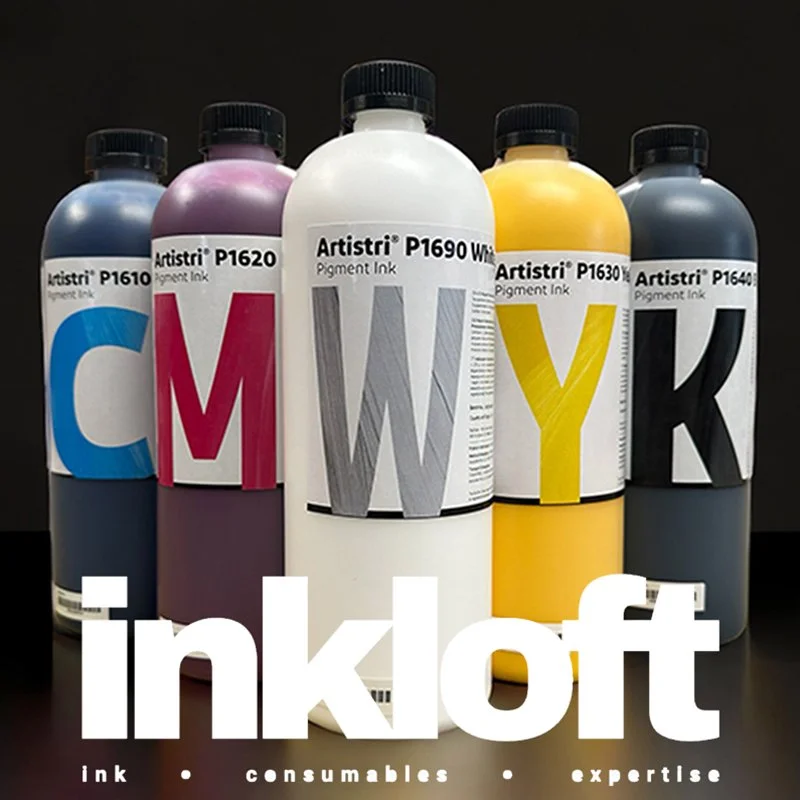
Newcastle on Tyne – November 2026– Inkloft Ltd, a UK-based supplier of direct-to-film (DTF) printing consumables, has marked its two-month anniversary with the announcement that it is now the official UK distributor for DuPont Artistri DTF inks. The milestone comes alongside a flawless delivery record, with every order fulfilled from UK stock and delivered the next day since launch.

Mumbai - India – November 2026 – Klieverik has announced the successful installation of a new machine at D'Decor Home Fabrics, one of India's leading home textile manufacturers. This marks the second Klieverik installation completed in India within the past month, underscoring the sustained demand for reliable, high-performance production solutions across this key market.

Changzhou, China – November 2026 – KARL MAYER will unveil the MULTIPLY BX, a new composite machine purpose-built for the wind power industry, at its Product Show during ITMA ASIA 2026 in Changzhou. Engineered for high speed and maximum efficiency, the machine is designed to meet surging demand in growth markets such as China, where wind turbine manufacturing continues to accelerate.

Dorking – UK – November 2026 – FESPA has announced that entries are now open for the Young Star category of the FESPA Awards, inviting students, apprentices and junior professionals aged 16 to 25 to showcase their work to the global print and signage community. Entry is free, with submissions accepted until 2 December 2026.
The Young Star category recognises emerging talent working or studying in a print-related discipline, whether through independent projects or contributions to joint or team work. Entrants are encouraged to put forward work that challenged them, an idea they brought to life, or a finished result they are proud of, giving

Toronto, Canada – November 2026 – Fiery today announced that its CEO, Micah Kornberg, has been named Emerging Leader of the Year at the 20th annual Canadian Printing Awards, presented by PrintAction at the Palais Royale in Toronto. The award recognises outstanding leadership within Canada's print industry and marks a significant milestone in Kornberg's career with the company.

Exclusive Mimaki distributor, Hybrid Services will host two Mimaki Technology Taster Days at its Crewe showroom this November, giving businesses the opportunity to explore their next printing investment, diversification or upgrade in a relaxed, informal setting.
Taking place on Thursday 12th and 19th November, from 10am - 4pm, the events are designed for companies at any stage of their research, including those still considering which direction to take. Visitors can explore the Mimaki range, see printed applications and discuss their ideas with Hybrid’s product specialists.

Oswestry, UK – November 2026 – China Print Supplies UK Ltd has announced the launch of its new Dlican DLI-3325 printer and GK-3225 cutting table bundle, a solution designed to meet the rising demands of industrial print, large format, and high-volume production environments. The bundle is available now, with pricing starting from £121,490+VAT or finance options from £531.16 per week.

Lancashire, UK – 11 November 2024 – Pincroft Dyeing and Printing has today paused to honour the men and women who served and sacrificed during times of conflict, joining communities across the nation in a moment of remembrance.
As part of its Remembrance Day observance, the company reflected on the courage and sacrifice of those who gave so much for the freedoms enjoyed by future generations. Staff across the business took time to acknowledge the contribution of armed forces personnel, past and present, whose service continues to shape the values the company holds today
New York City – USA – November 2026 – NedGraphics has announced two connected updates within its NedGraphics 2027 release, bringing its licensing systems and 3D design tools together under a single, unified identity. The changes are designed to simplify how fashion and design teams manage access across their software ecosystem, reducing friction for distributed and hybrid teams.

Milano – Italy – November 2026 – Lectra, the global technology leader dedicated to fashion, automotive and furniture industries, today announced that Missoni, the iconic Italian fashion house, has successfully deployed Kubix Link PLM to centralise product data, strengthen cross-department collaboration and integrate its supply chain. The initiative has delivered operational time savings of up to 60%, reinforcing the growing industry need for connected, data-driven product lifecycle management
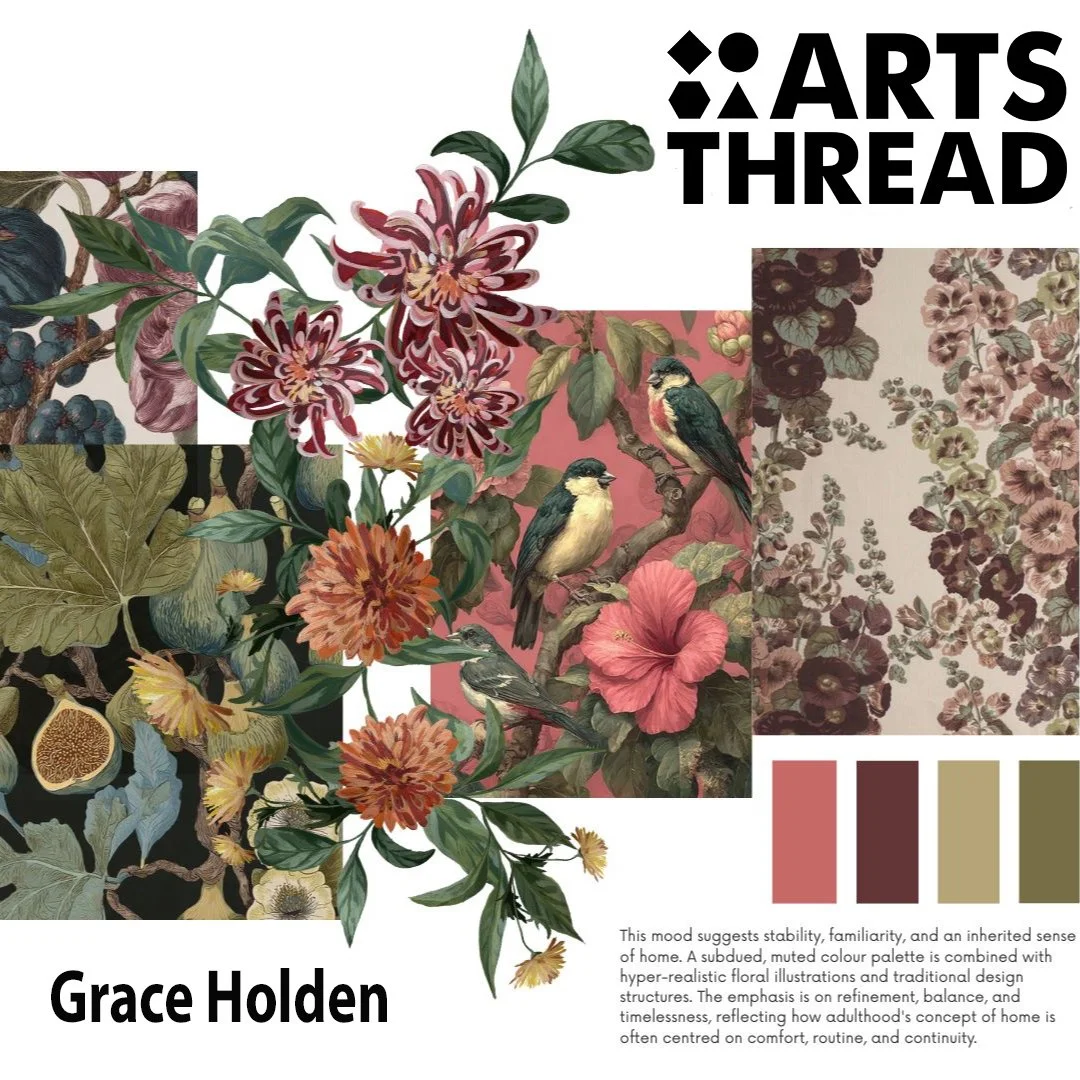
London, UK – November 2026 – ARTS THREAD, in collaboration with Google Arts & Culture, has announced Grace Holden as the winner of the Textiles – Print/Embroidery category at the Global Creative Graduate Showcase 2026. Holden, a graduate of the Design for Textiles BA (Hons) programme at Heriot-Watt University, was recognised for her project "Stories in Bloom," which explores themes of belonging and memory through layered, nature-inspired visual narratives.
PARSIPPANY, N.J., U.S.A. – November 9th, 2026 – Sun Chemical has released its sixteenth annual Sustainability Report, detailing measurable progress across its global operations, product portfolio, supply chain and workforce while reinforcing the company’s commitment to transparent, data-driven sustainability performance.
The report reflects Sun Chemical’s continued work to embed sustainability into business strategy and daily decision-making. Guided by the “five Rs” framework – Reuse, Reduce, Renew, Recycle and Redesign – the company is advancing resource efficiency, circular product design and responsible value-chain practices
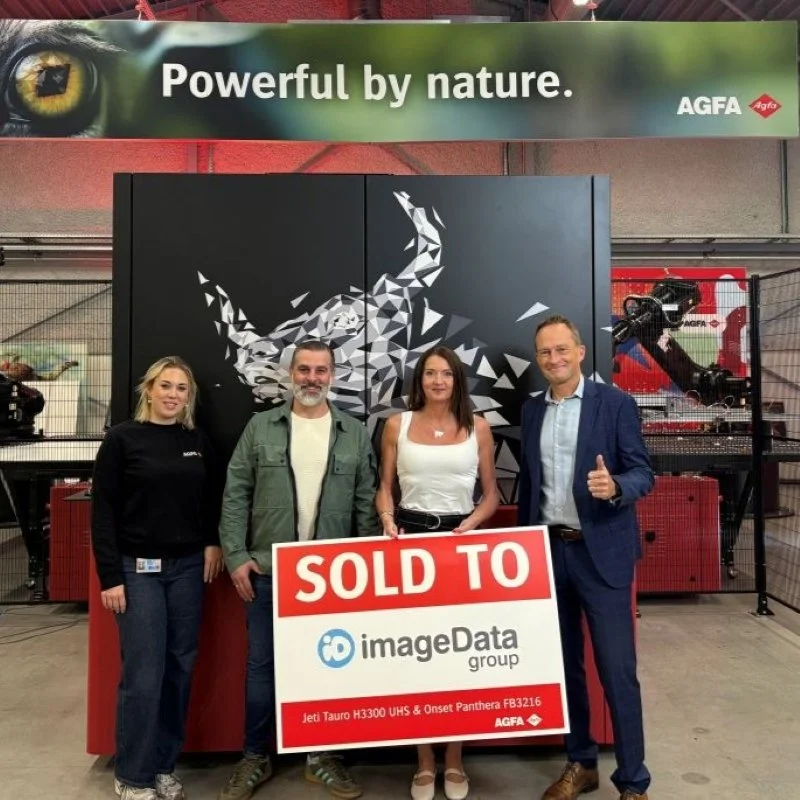
Willerby – East Yorkshire – UK – November 2026 – Agfa Inkjet Solutions has announced a major double investment from Image Data Group, with the installation of two new presses: a Panthera and a Tauro. The move marks a significant expansion of production capacity for the UK-based print specialist and reinforces Agfa's position as a trusted partner for high-performance inkjet technology.
The dual investment sees both machines operating side by side at Image Data Group's facility, delivering a substantial boost in production capacity, productivity, and operational flexibility. For Agfa, the announcement represents more than a sale—it reflects a deepening relationship with a customer committed to scaling its capabilities for the future.

Dorking – UK – November 2026 – FESPA has announced the launch of MERCH by FESPA, a new event bringing together the people, ideas and opportunities shaping the merchandise industry. The event will be co-located with FESPA Global Print Expo at Messe Munich, Germany, from 6 to 9 April 2027.
MERCH by FESPA will spotlight the fast-growing world of branded merchandise and product personalisation, spanning sectors as diverse as music, sports, entertainment and the creator economy. The event is designed to connect printers, brands, merchandise professionals and creators, offering a dedicated space to explore the trends, technologies and creative possibilities redefining the industry.

Peterborough, UK – November 2026 – Snuggle Ltd, a print-on-demand and trade print fulfilment specialist, has outlined how its 40,000 sq ft operation is prepared to support brands through the upcoming peak trading season, as retailers brace for a surge in Black Friday and Christmas demand.
With peak season fast approaching, Snuggle Ltd is urging businesses to scrutinise the reliability of their fulfilment partners before committing to high-volume trading periods. The company says that too many brands discover the limitations of their supply chain only when it is too late, risking stock shortages, quality lapses, and reputational damage during the busiest weeks of the year.
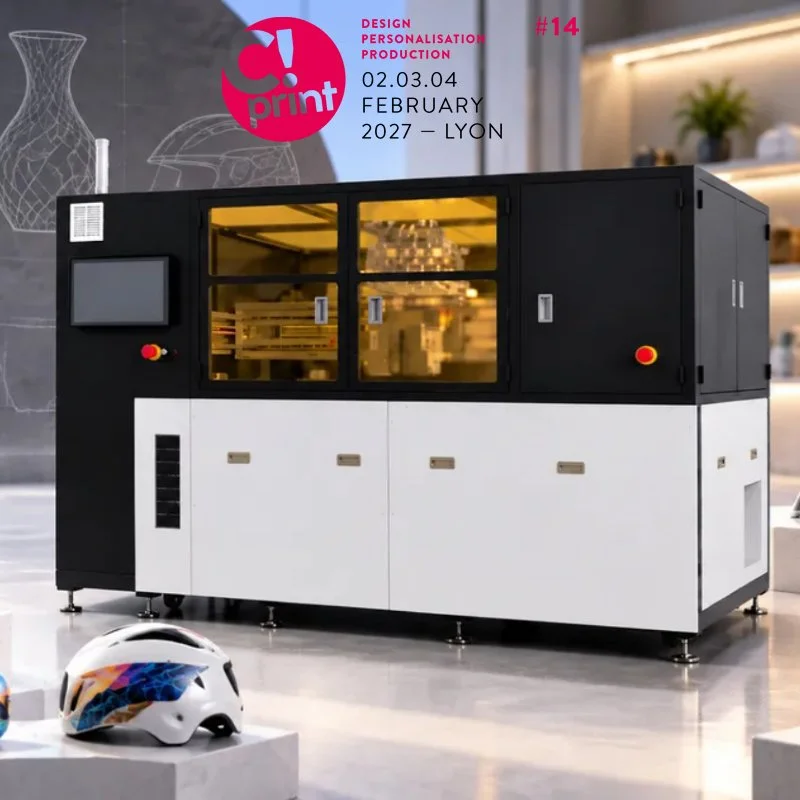
Lyon, France – November 2026 – Epson France has confirmed its renewed partnership with C!Print as a Gold Sponsor, reaffirming its commitment to driving innovation across the print and visual communication industry. The company will return to the 2027 edition of the trade show to showcase its latest advancements to professionals in the sector.
Among the innovations on display will be ContourJet, Epson's newly unveiled technology for direct inkjet printing on three-dimensional objects.

Altham Lancashire – November 2026 – Soyang Europe Ltd has been awarded Carbon Reduced Operation Certification by CarbonQuota for 2025, marking a significant milestone in the company's commitment to reducing its environmental impact. The certification follows a year of measurable progress, with carbon intensity per full-time employee falling by 9% compared with 2024.

Bergamo, Italy – November 2026 – Electronics For Imaging (EFI) welcomed customers, partners, and industry professionals to its Customer Experience Center in Bergamo, Italy, for EFI Ignite EMEA, a flagship event dedicated to the future of industrial textile printing and display graphics. The event drew representatives from 15 companies and more than 30 VIP guests, underscoring the growing demand for innovation in digital print
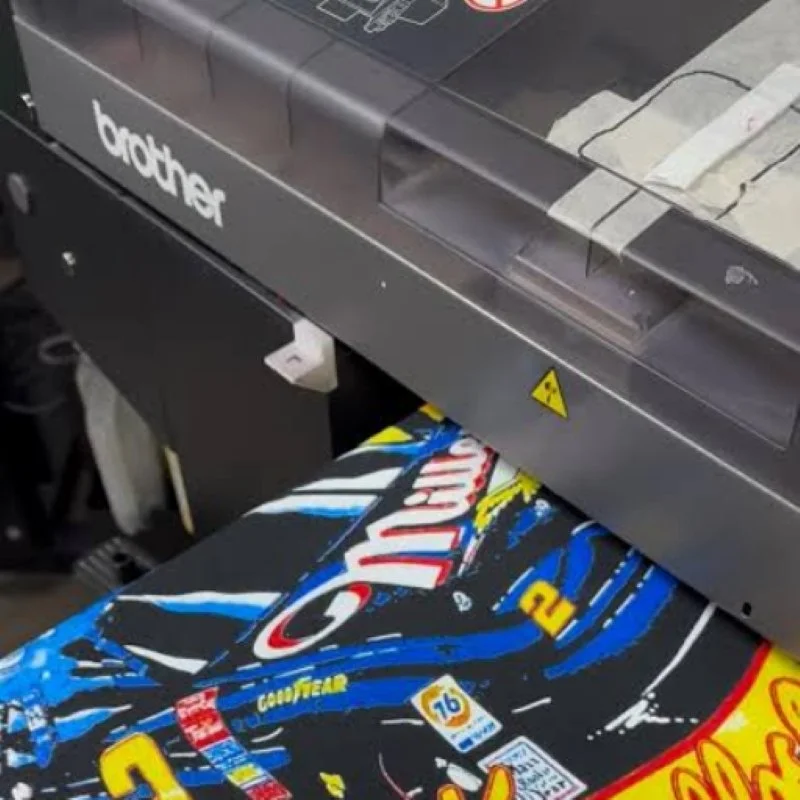
Emmerich am Rhein, Nordrhein-Westfalen – November 2026 – Brother Industrial Printing EMEA has announced the launch of PT 8158, a new pretreatment solution designed to elevate direct-to-garment (DTG) printing through improved sustainability, enhanced print quality, and a better production environment. The launch reflects the company's ongoing commitment to driving meaningful change across the textile printing industry.
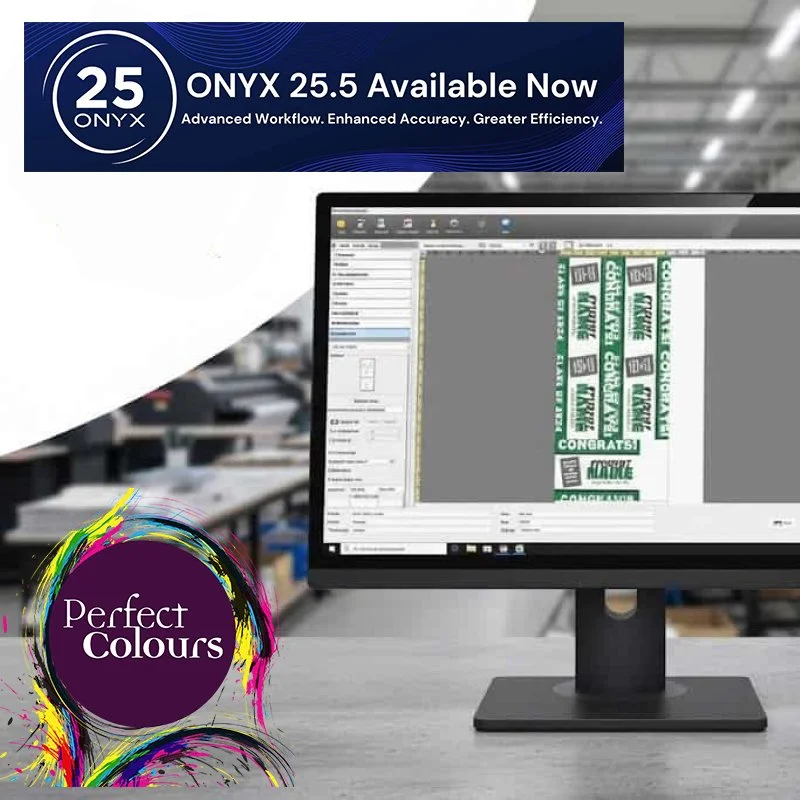
Uxbridge – UK – November 2026 – Perfect Colours has announced the release of Onyx 25.5, the latest update to its industry-leading print workflow software. The new version introduces a range of enhancements designed to help print businesses work faster, smarter, and more sustainably.
The upgrade comes as the print industry continues to grapple with rising demands for efficiency and environmental responsibility. Onyx 25.5 has been engineered to meet these challenges head-on, equipping print professionals with the tools they need to stay ahead of the curve.

Dubai, UAE – November 2026 – Heimtextil is strengthening its presence in the Middle East's interior design and hospitality sectors, partnering for the first time with Downtown Design, the region's leading design fair held as part of Dubai Design Week. Together with Milan-based design platform Alcova, Heimtextil is presenting the Heimtextil Trends 27/28 "The Performance of Everyday Living" in Dubai from 4 to 8 November. The compact presentation, featuring film, text and visual elements, offers the international and regional design community fresh insight into the key trend themes shaping the industry's future.

GREEN GRADS at YORKTON WORKSHOPS
Regenerative design, waste reduction and reuse, biomaterials, preserving crafts, rescuing species, nurturing nature and more: eco-projects at the cutting edge.
25 new GREEN GRADS - making 300 GREEN GRADS in total.
Makers Innovators Activists
Saturday November 14th, 11-7PM | Sunday November 15th, 11-6PM | 1-3 Yorkton Street, London E2 8NH
Admission free
Sponsored by Pearson Lloyd, hosting the show in their gallery for the third time.

Las Vegas, NV – Monotech Systems Limited, a globally-acclaimed Indian manufacturer and one-stop solution provider for the printing and packaging industry, has been chosen by Kongsberg Precision Cutting Systems (PCS) as its India distribution partner. The agreement, signed by Mr TP Jain, Managing Director of Monotech Systems Limited, and Mr Stuart Fox, CEO of Kongsberg PCS, was finalised during Printing United Expo 2026, held at the Las Vegas Convention Center.
Under the terms of the partnership, Monotech Systems Limited is authorised to distribute the full range of Kongsberg X and C Series digital cutting systems across India, bringing precision cutting technology to the country's fast-evolving signage and display industry at a time when producers face mounting pressure to deliver faster, more sustainable, and more customised output.