SUPER SOFT PIGMENT PRINTING OFFERS A SUSTAINABLE FUTURE FOR THE TEXTILE INDUSTRY

As we work to reduce the environmental impact of the textiles industry—toxic chemicals, water contamination and use, waste, inventory risk, etc.—digital printing is a key element that can positively affect all of those things, and pigment inks are being held up as the path to the future.
Kornit NeoPigment Robusto Softener Addresses Hand Feel Issues with Pigment Inks
Guest post written by Cary Sherburne
What They Think
As the textiles and apparel industry works to improve supply chain management and reduce its environmental footprint, many view pigment inks as the Holy Grail—print on any fabric, no need for pre- or post-treatment in many cases. What’s not to like? The hand feel, that’s what.
Here’s what Kornit is doing to address that issue.
Digital printer manufacturer Kornit recently announced its new NeoPigment Robusto Softener to help with the hand feel issue of pigment inks…often having a plastic-y feel that is not particularly well-received in fashion circles. According to the company, not only does the softener unit, which is part of the printing system, soften fabrics printed with pigment inks, but it also improves color quality, intensifies color, and has no impact on lightfastness.
The Softener works with the company’s new NeoPigment ink sets and is applicable to its Presto printers, which have 10 ink channels.
For example, it can be configured with CMYK/RG for an expanded color gamut, use one channel for fixation on the fly eliminating the need for pre-treatment, and add the softener, still leaving two channels to work with.
The Softener does add a bit of cost—the company estimates between 5% and 8% more cost, but also points out that this extra cost is competitive with the additional costs that are eliminated when compared to other textile printing processes.
The Softener agent is applied pixel by pixel, only being placed on the printed areas of the fabric rather than being a flood solution, helping keep costs in line. Kornit admits that some of the softener will be removed with washing, pointing out that washing does its own softening anyway.
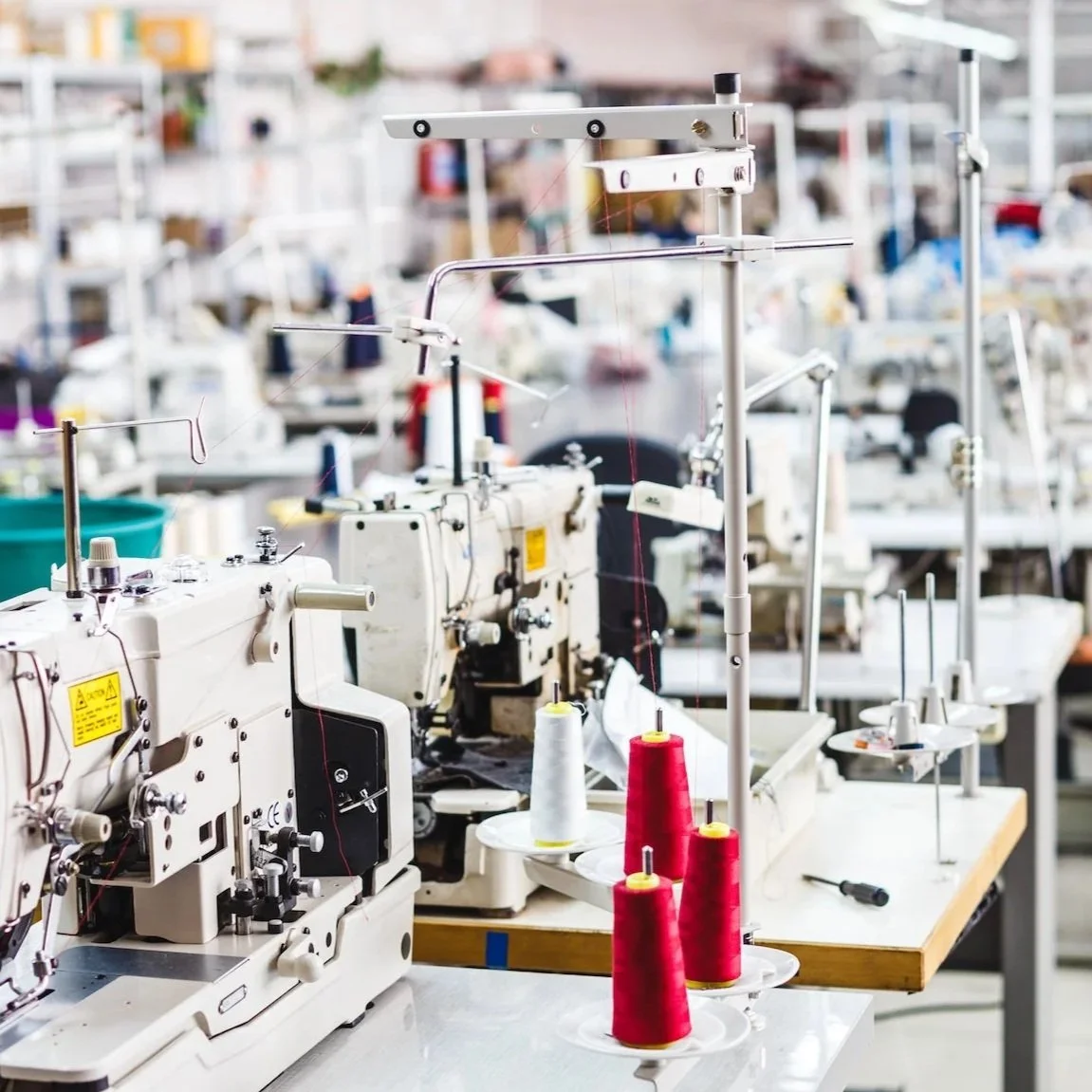
Current Textile Printing Solutions require many steps; the Presto with Softener delivers print in one, single integrated process using up to 10 print channels with no separate pre- or post-treatment required.
By using the Softener agent, which is an optional Presto feature, the company states, the quality is closer to what High Street women’s wear brands require, admitting that without Softener, the print doesn’t meet those criteria.
We wondered how valid all these claims were, so we turned to our UK textiles expert, Debbie McKeegan, who has actually been able to touch and feel output from the Presto with a Softener unit. Here’s what she said: “It’s amazing. I’ve used it for PRINTERIORS [a FESPA exhibit], it really is as soft as they say. #groundbreaking.”
Kornit says the Softener works well on just about any fabric and does not increase show through except for very light fabrics. If you want show through, they say, you can play with the level of fixation to increase it. Softener does not impact show through either way. Also for lightweight fabrics with heavy ink coverage, Softener doesn’t help with draping.
Finally, Kornit stated that 70% to 80% of its sales funnel in the past two partners was based on the availability of Softener.
As we work to reduce the environmental impact of the textiles industry—toxic chemicals, water contamination and use, waste, inventory risk, etc.—digital printing is a key element that can positively affect all of those things, and pigment inks are being held up as the path to the future.
Solutions like NeoPigment Robusto Softener can help speed that process along. Ronen Samuels, Kornit CEO, also pointed out that the current pandemic crisis will ultimately accelerate proximity production as brands, retainers and manufacturers work to retool their supply chains. WTIN notes that about 6.9% of all printed fabric is printed digitally—still a small number but up from about 6% just last year. We are making progress…let’s hope the forward motion continues!
Cary Sherburne is a well-known author, journalist and marketing consultant whose practice is focused on marketing communications strategies for the printing and publishing industries.