
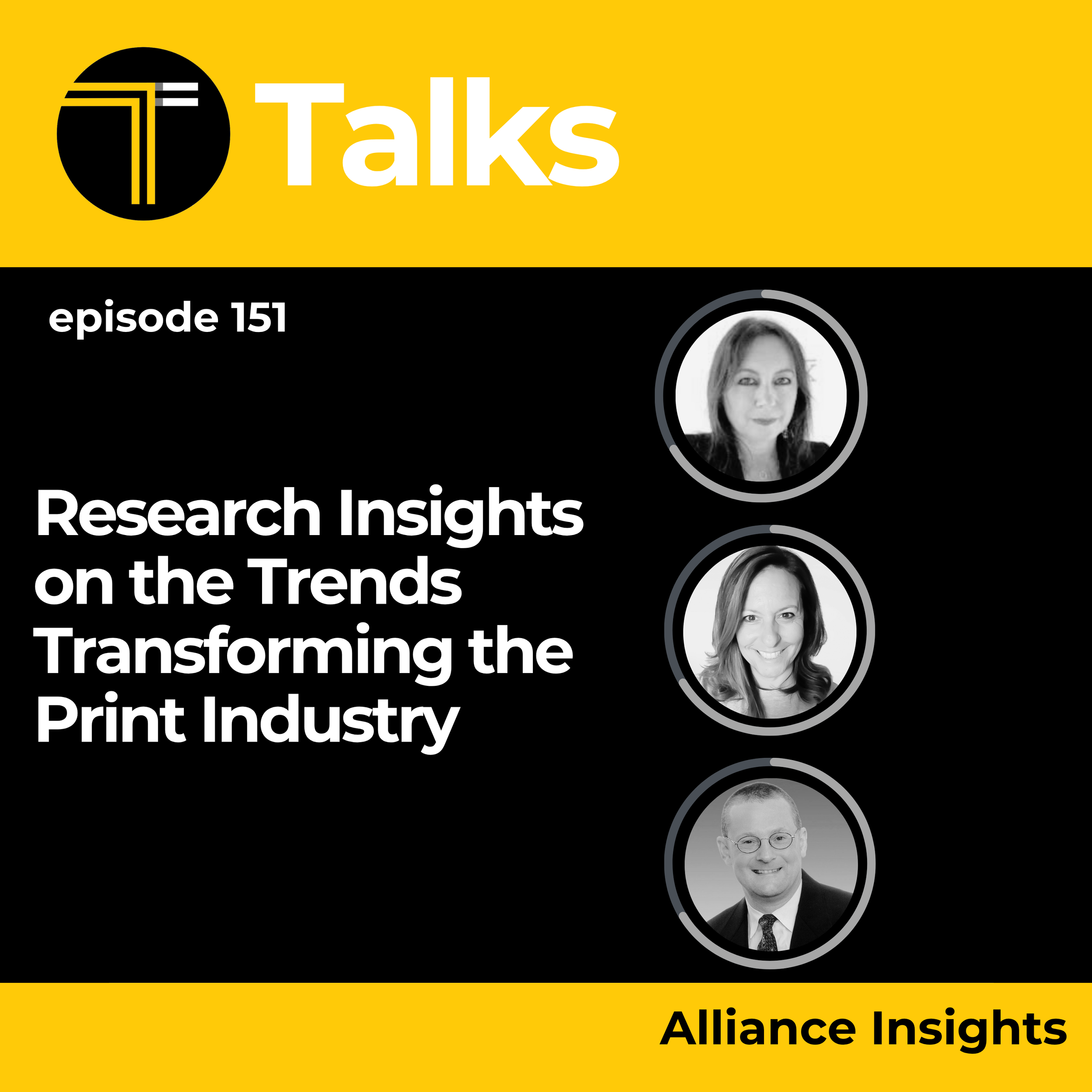

Printing industry economist Andy Paparozzi and Printing United Alliance’s AI lead Amy Servi-Bonner join host Debbie McKeegan to unpack why industry sales growth is not reliably reaching the bottom line.
They discuss where disciplined efficiency, trustworthy job costing, workforce buy-in, AI governance, and strategic diversification can help print businesses adapt to structural change and grow profitably.
Companies don't buy printing, they buy successful outcomes with minimal hassle.”
“You cannot wait structural change out. You either adjust to it or you get left behind.”
“During periods of profound structural change, no one is ever good enough.”
“If you cannot get buy-in on AI, your user adoption will fail.”
“It starts with the infrastructure underneath it and the security.”
“Growing is not sustainable. Growing profitably is sustainable.”
“If AI doesn't hit the PL, it's just entertainment.”
“Plan, go slow, and be pragmatic, listen, observe, and enjoy the ride for right now.”
Listen to learn more >>
KEY TOPICS:
Industry sales rose 4.1% in the first half of 2026, while real sales fell 0.5%; costs outpaced prices, yet profit leaders grew sales 14.1%.
Andy Paparozzi argues for company-wide productivity, process automation, incremental improvement, and selling client outcomes rather than equipment and capabilities.
Cyclical pressures such as inflation differ from structural change driven by AI, digitization, and the Internet of Things; structural change cannot simply be waited out.
Profit-leading printers are more agile, execute more consistently, and reject the idea that current productivity is good enough.
Amy Servi-Bonner warns that AI adoption needs infrastructure, security, governance, clear ownership, and workforce buy-in, not just tools or informal pilots.
Job costing is a practical AI opportunity: printers need reliable insight into which jobs, materials, and customer relationships actually make money.
With buyers demanding faster turns and lower prices, flexible production, cross-training, and better workflow data can help protect margins.
Direct-to-film and screen printing serve different job requirements; select based on quantity, placement, durability, stretch, and expected hand feel.
Diversification can increase revenue and profitability, but only after due diligence on market economics, competition, pricing power, and operational fit.
Amy advises print owners to plan, go slow, and be pragmatic; Andy asks what the business will do better in 2027 than in 2026.
Chapters
00:00 Meet the experts and the industry’s profit gap
03:20 Why sales growth is not translating into profit
06:35 Cyclical pressures versus structural change
09:55 What ruthlessly efficient print leaders do differently
12:24 AI readiness: culture, security and staff concerns
18:01 New buyer demands and margin pressure
21:00 Workforce buy-in and job costing as an AI use case
28:45 Know your costs, customers and business risks
36:15 Automation, DTF and choosing the right production method
41:03 Diversification requires due diligence
45:18 Moving AI from experimentation to measurable execution
52:09 The experts’ advice for print owners in 2027
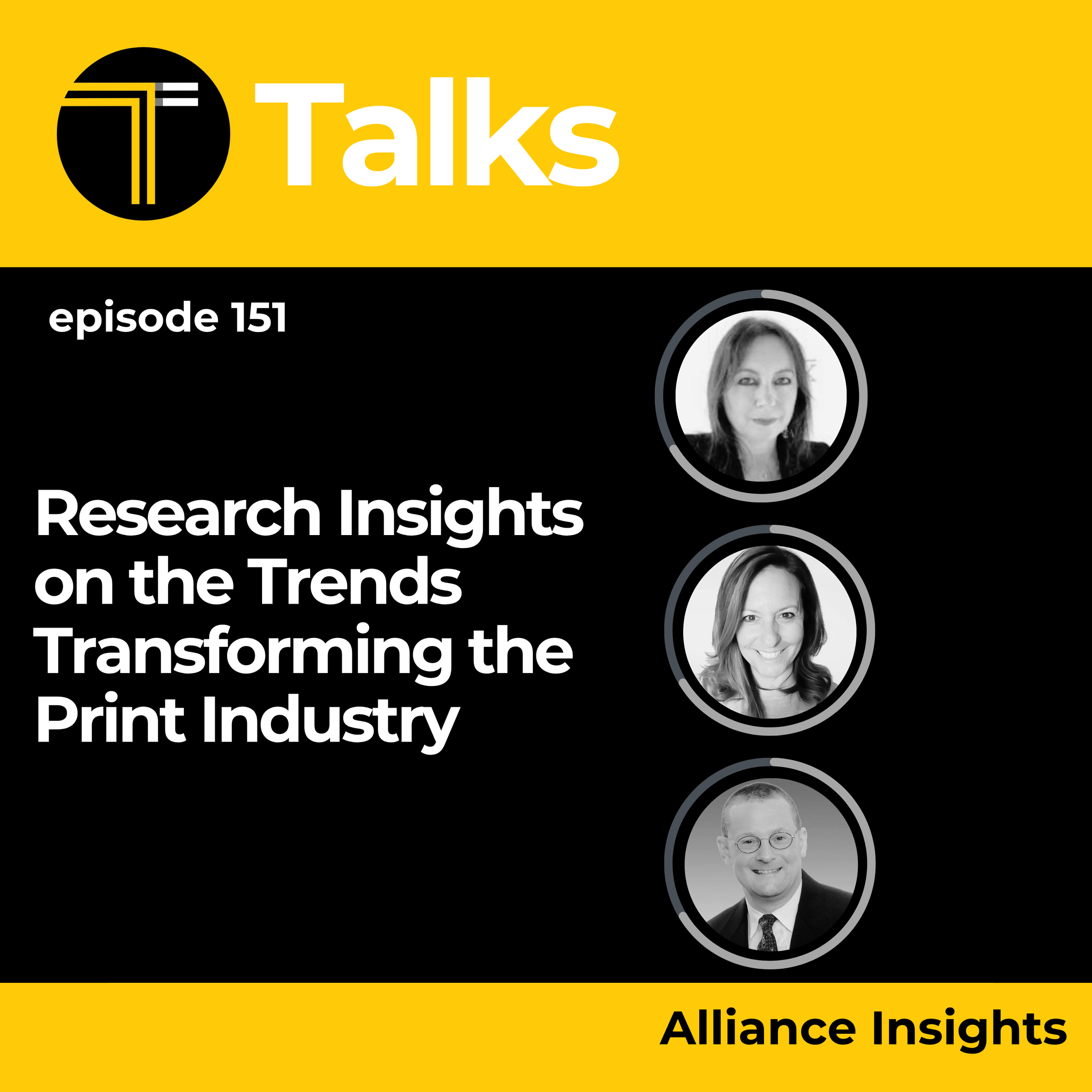
Printing industry economist Andy Paparozzi and Printing United Alliance’s AI lead Amy Servi-Bonner join host Debbie McKeegan to unpack why industry sales growth is not reliably reaching the bottom line.
They discuss where disciplined efficiency, trustworthy job costing, workforce buy-in, AI governance, and strategic diversification can help print businesses adapt to structural change and grow profitably.
Companies don't buy printing, they buy successful outcomes with minimal hassle.”
“You cannot wait structural change out. You either adjust to it or you get left behind.”
“During periods of profound structural change, no one is ever good enough.”
“If you cannot get buy-in on AI, your user adoption will fail.”
“It starts with the infrastructure underneath it and the security.”
“Growing is not sustainable. Growing profitably is sustainable.”
“If AI doesn't hit the PL, it's just entertainment.”
“Plan, go slow, and be pragmatic, listen, observe, and enjoy the ride for right now.”
Listen to learn more >>

In this episode, host Debbie McKeegan is joined by textile designers, educators and researchers Rebecca Hoyes and Jo Pierce co-authors of Reimagining Printed Textiles. Together, they explore how colour, pattern and materials can be rethought as the textile industry faces growing environmental challenges.
The conversation looks at emerging natural and bio-based colour sources, including microbial fermentation and dyes made from waste streams. Rebecca and Joe also discuss how patterns can tell stories about a material’s origins, how digital tools can complement craft, and how designers can reduce waste through practical choices such as reworking printed fabrics and using less ink.
Looking ahead, they consider what it will take to build a more nature-positive future for textiles - from scaling promising innovations to sharing knowledge across design, science and industry.
Their message to professionals, designers and students is to stay curious, question established practices and see the whole life-cycle of the materials they create with.
Listen to learn more >>

In this episode, Debbie McKeegan is joined by Frank Maeder of NedGraphics and Optitex to explore how digital tools are reshaping textile and apparel workflows. They discuss the industry’s push to move faster, reduce waste, and connect teams across design and production—wherever they are in the world.
Frank shares highlights from NedGraphics’ latest release, including OptiNet Cloud, a platform for managing and sharing digital assets and collaborating across teams. The conversation also covers enhancements to rotary printing, tufting simulation, and pattern resizing, as well as an integration that brings more detailed digital yarns into the design workflow.
The episode looks ahead at a more connected creative ecosystem, where cloud collaboration and shared development across NedGraphics and Optitex can help reduce friction between ideas and production. Debbie and Frank also discuss how AI is supporting product development internally—and how continuous improvements can give designers more time to focus on their work.
Listen to learn more >>

Join host Debbie McKeegan for an inspiring conversation with Danit Peleg, founder of 3D Fashion Lab and a trailblazer in 3D-printed fashion.
Danit reflects on her journey from experimenting with desktop printers to creating soft, wearable textiles—and explores how AI is helping designers turn ideas into garments more quickly. Discover how bio-based materials, custom-fit designs, and on-demand local production could reshape the way fashion is made and consumed, while reducing waste and opening up new creative possibilities for designers and customers alike.
Listen to learn more >>

In this podcast episode, James Watson, Managing Director of Surface Print, discussed the evolution of his fourth-generation family business in Lancashire.
Surface Print combines traditional craftsmanship with digital innovation- investing £2 million in a hybrid rotary screen Gravure machine and £600,000 in new HP digital printers.
The company achieved ISO 14001 accreditation, introduced solar panels, and plans to install a new boiler and water recirculation system. Watson emphasised the importance of balancing traditional techniques with modern technologies to maintain quality and sustainability. The company also leverages AI for efficiency and marketing, while maintaining a family-oriented work culture.
Listen to learn more >>
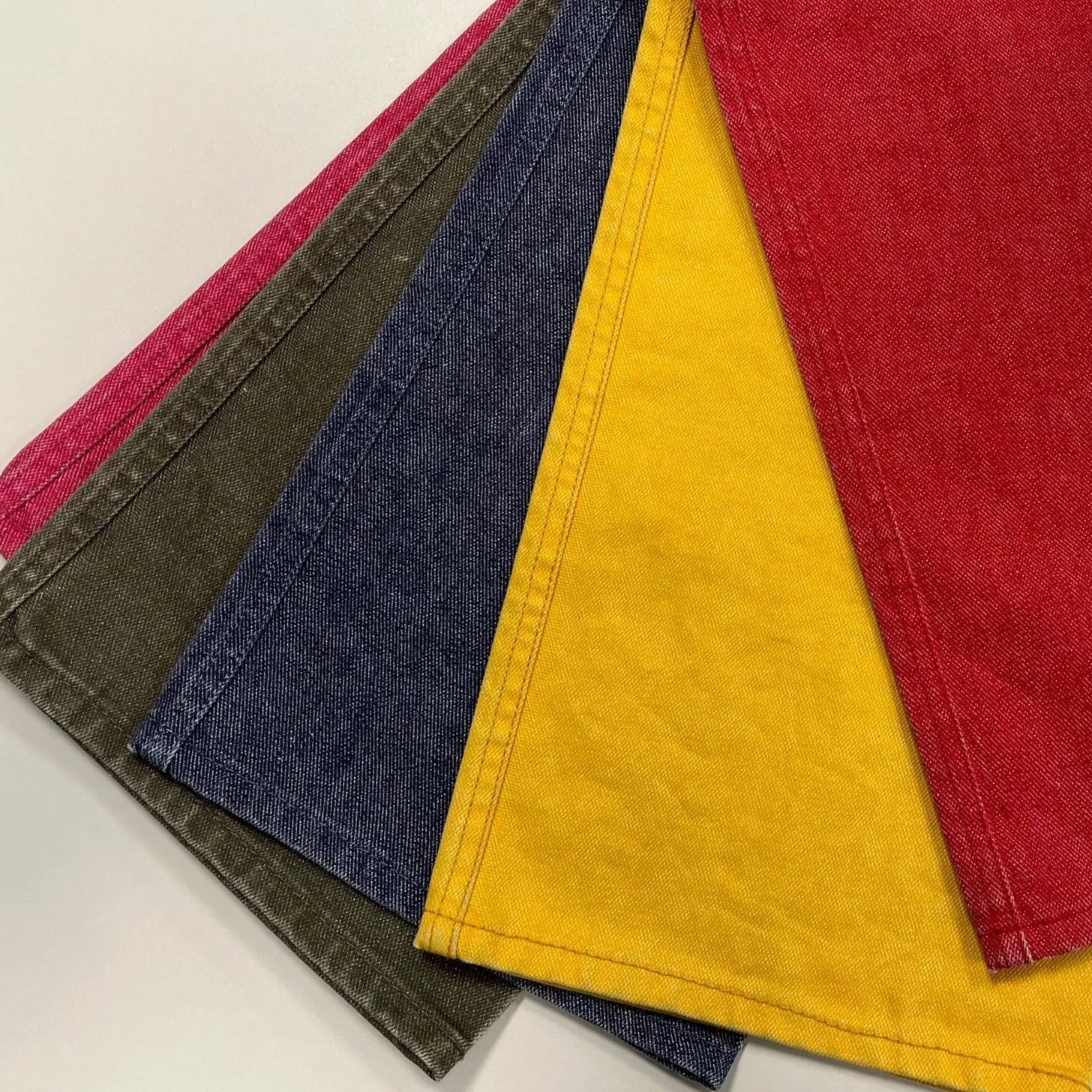
The global denim market produces billions of garments every year, and that scale has always come at a cost.
As environmental regulation tightens, resources grow scarcer, and consumers demand both originality and accountability, the industry faces a question it can no longer defer: can denim keep its soul while changing how it's made?
The answer, increasingly, is digital.

Does creativity live in your head or your hand?
The honest answer, as this new generation of AI-powered tools makes clear, is both, now working in closer partnership than ever before.
The head conceives, directs, and judges; the hand, whether holding a pencil or typing a prompt, still shapes the final outcome. For studios and professionals across the print and textile ecosystem, the opportunity now is to master this partnership before it becomes the industry standard rather than the competitive edge.

Is the future of fashion manufacturing local?
Manchester Made didn't offer easy answers, and it shouldn't have - the challenges facing domestic manufacturing are structural, not sentimental. But it did offer a clear set of principles that every designer, supplier, printer and manufacturer serving the fashion ecosystem should take seriously.

There's a persistent myth in parts of the industry that sustainability compliance is something that happens upstream - a supplier issue, a sourcing issue, a problem for someone else's department.
The webinar dismantled that assumption convincingly. Marketing teams sit squarely in the firing line.
Every claim on a hangtag, website, product name or Instagram caption now falls under regulatory scrutiny. A brand name suggesting an "eco collection," a product description claiming "sustainable materials," a carousel post about carbon neutrality - all of it counts as a communication subject to the same rules as formal labelling. This is a cross-functional compliance challenge that touches data teams, supplier relationships, legal counsel and brand communications simultaneously.
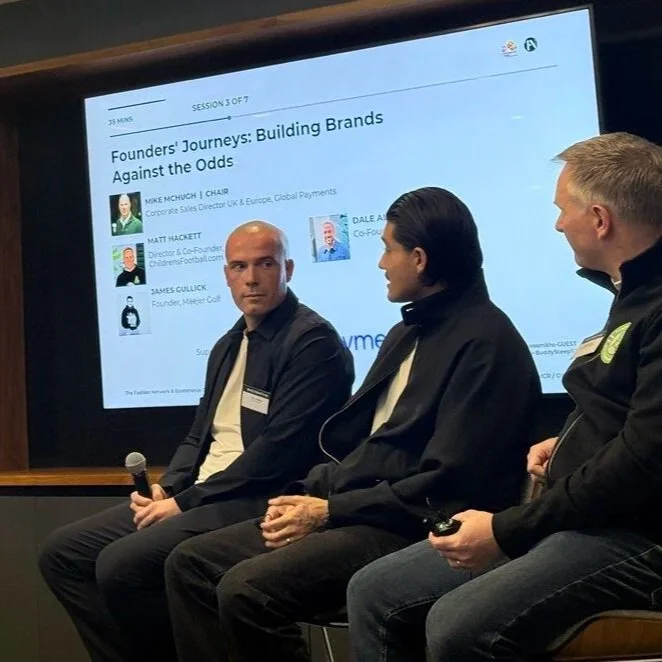
The Ecommerce Leadership Summit North brought together retail and ecommerce leaders in Manchester to discuss the challenges, opportunities and commercial decisions shaping the industry.
Across the day's sessions, speakers explored the future of retail profitability, the growing importance of verifiable product data in AI-driven commerce, the realities of building and scaling brands, and how businesses can protect their margins without compromising customer value. From the discussions on stage to the experiences shared by founders, here are the key insights from this year's summit.
The State of Retail 2027: What Will Separate the Winners from Everyone Else?

Leicester, UK – November 2026 – VeriVide, a global leader in colour and appearance assessment technology, today featured their UltraView60 and UltraView90 models, two exciting additions to their industry-leading tuneable LED light booth range. Designed to give manufacturers and retailers the flexibility to choose the right fit for their workspace without compromising on precision, the two models mark a significant step forward in making consistent, reliable colour assessment accessible across every stage of production.
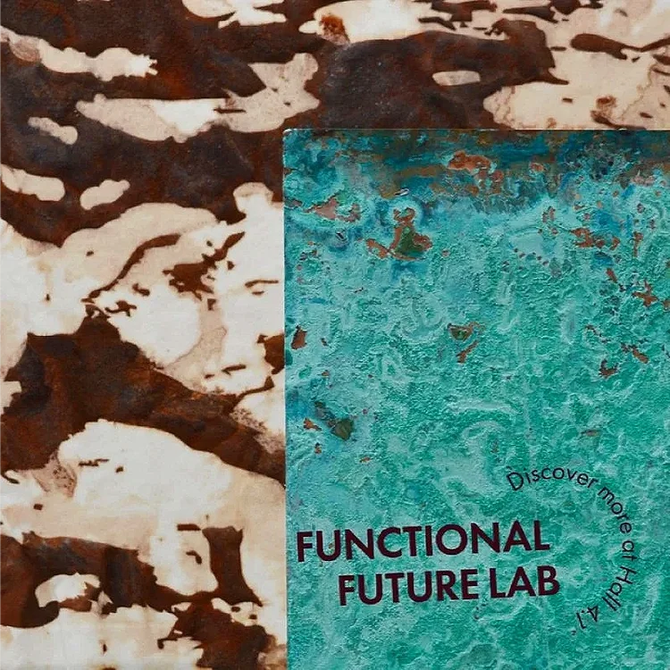
Frankfurt, Germany – November 2026 – Heimtextil, the world's leading trade fair for home and contract textiles, has announced a significant new addition to its 2027 edition. In partnership with Future Fabrics Expo, Heimtextil will introduce the Functional Futures Lab, a dedicated showcase exploring the future of functional materials across architecture, interior design, and hospitality.
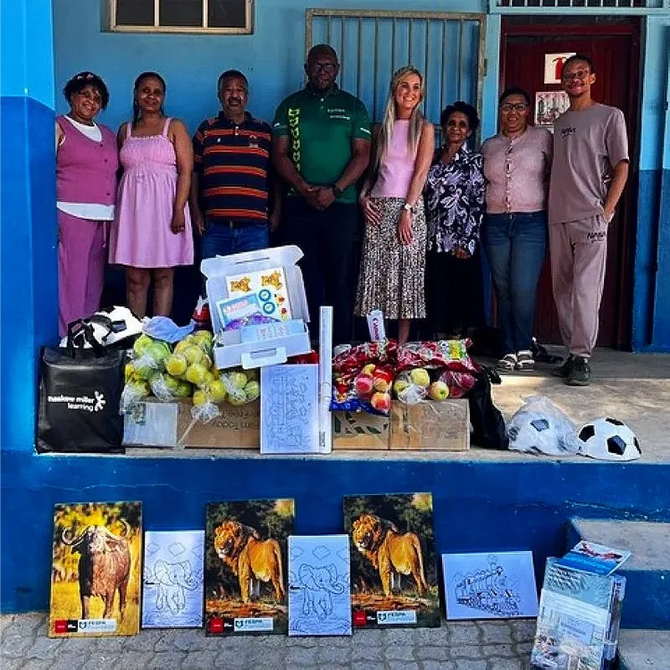
Malmesbury, South Africa – November 2026 – The FESPA Foundation has delivered a substantial collection of donations to three schools in the Western Cape, South Africa, following contributions gathered from exhibitors at the FESPA Global Print Expo in Barcelona and the FESPA Africa Expo, co-located with Africa Print Expo.

Altrincham – Cheshire – UK – November 2026 –OmbreMe from Funkifabrics is a new service that allows customers to design and order bespoke ombré fabrics. The offering enables users to select their own colours and customise the gradient, resulting in a fabric created entirely to their specification.

Accrington – Lancashire – November 2026 – Soyang Europe has announced a new combination of printing technology and textile engineering, bringing exceptional colour vibrancy and stunning backlit results to the wide-format display market. The pairing of the LIYU Platinum PCT UV Roll-to-Roll Printer with Soyang's ST-601 RCY Backlit textile is designed to help brands and display specifiers create eye-catching graphics without compromising on sustainability.