
Industry Insights & Opinion
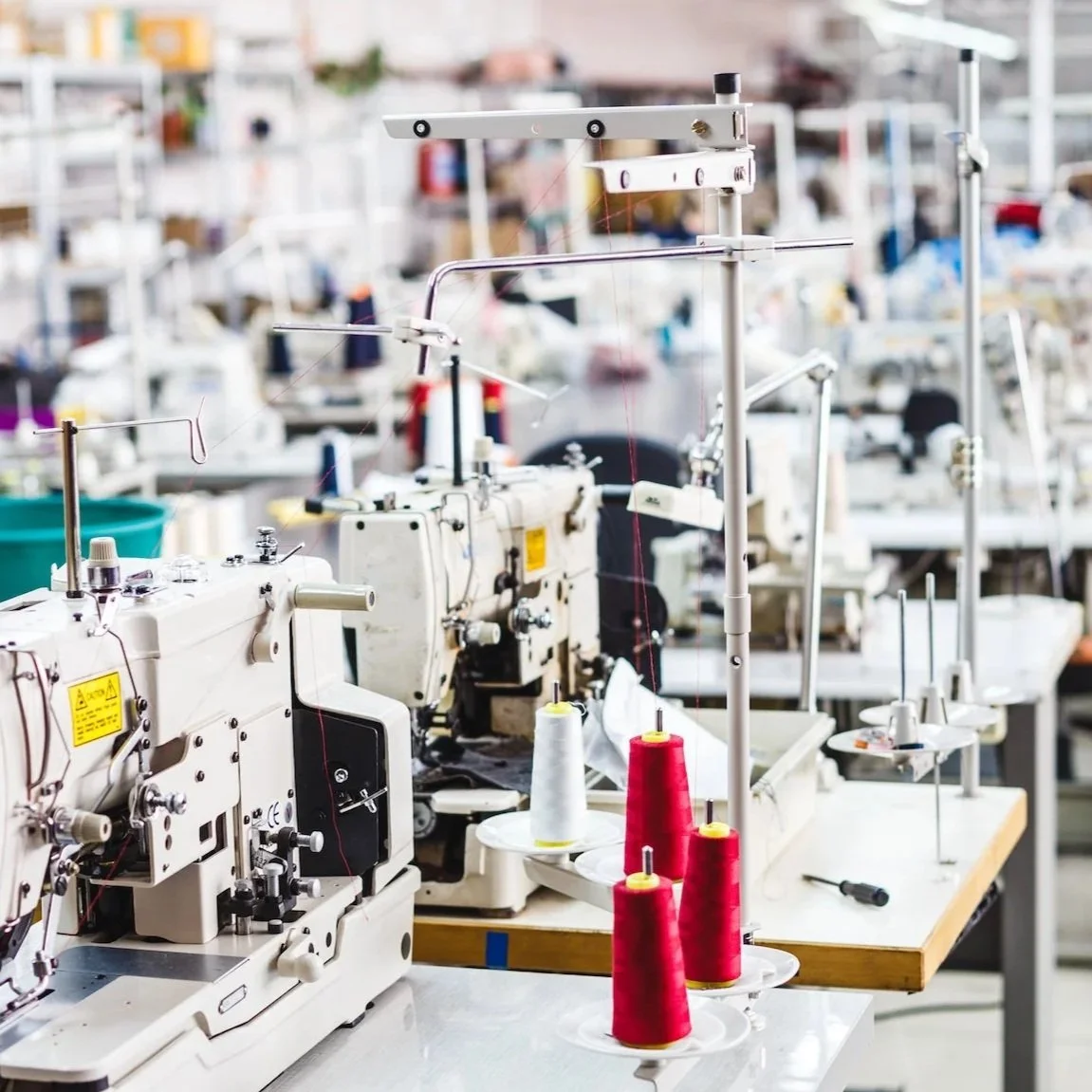
THE SEWING CONUNDRUM: The Largest Barriers to Bringing Apparel Manufacturing back to the USA at any Reasonable Scale is the Lack of Sewing Talent
Michael McDonald, President of SPESA, shares his thoughts on this challenge from the perspective of the suppliers to the industry and states that over the last three years, he has seen more amenability to investment than he’s seen in a very long time, at least from the private sector.
“It’s still not easy. It’s never easy to start a startup. It’s even harder to start a startup in the textile, fashion, and apparel industry.”

EXPERT INSIGHT: Why Prints Fail: The Role of Lighting & ISO Compliance and The Hidden Lighting Crisis
“We are moving towards a future where waste is unacceptable—both economically and environmentally. Allowing lighting mismatches to create colour rejections is an unforced error.
The solution requires investment, but it is an investment that pays for itself by preventing a single rejected print run”.
- Lou Prestia

Elen Hughes of Premier Digital Textiles Explores how Craft, Colour and Technology are Reshaping Print and Pattern Design in 2026
Designers are increasingly drawn to work that feels real.
Marks that are not perfectly aligned, lines that wobble slightly, surfaces that feel considered rather than automated. These qualities bring warmth and personality, offering a balance to the precision of digital tools and AI. Print is no longer just about decoration.

INDUSTRY OPINION: Autopsy of a Transition that Never Happened and The Material State of the Textile System
“2025 did not constitute a transition year. It constituted a consolidation of narrative capability”.
“The system became better at explaining why change was underway, better at projecting inevitability, and better at managing contradiction. It did not become better at altering fibre composition, reducing throughput, or decarbonising production at scale.”
Shivam Gusain - Founder at Decypher

The Future is Being Designed Today: How iDott 2026 Champions and Supports the Next Generation
The 2026 Surface Pattern Design Competition
The launch of the 2026 iDott Surface Pattern Design Competition marks another year of celebrating innovation. This year, the competition is supported by heavyweight sponsors from across the textile and wallcovering sectors, each presenting a brief that reflects current market demands and future trends.

Textile Printing in the Middle East and North Africa: Key Takeaways from FESPA Flex with Debbie McKeegan
The Middle East and North Africa hold a rich and storied heritage in textile production, with roots stretching back thousands of years. Known for its skilled craftsmanship, the region has long been a renowned for textile artistry.
Today, the region with a population of over 500 million, is once again positioning itself as a future leader in the adoption and development of cutting-edge manufacturing within the textile sector. With significant investment in digital printing solutions, automated production and an increasing commitment to sustainability, the region is redefining traditional practices while meeting the demands of evolving markets.

CASE STUDY: Rethinking Software Licensing Models: It's Time to Evolve Beyond the Dongle
Is your software licensing model holding your business back?
For years, the industry relied on cumbersome hardware dongles and static license keys to manage access. We accepted them as a necessary inconvenience - a clunky but functional way to protect intellectual property.
The future of software licensing is not about locking down devices; it’s about empowering users. It’s time for a fundamental shift towards flexible, secure, and user-centric cloud solutions.

INNOVATION: Tracing the Future of Color: How BioBlack Is Redefining Material Transparency
Black pigments are among the most widely used colorants in the world, yet their sourcing often remains hidden from view.
For decades, petroleum-derived carbon black has been the industry status-quo across packaging, textiles, inks, cosmetics, and coatings. Manufacturers have relied on it, despite a toxic legacy, not because it was transparent or clean, but because it was ubiquitous and easy to specify.

INDUSTRY INSIGHT: 2025 in Review: A Pivotal Year for Textiles, Technology, and Transformation
A Collective Push Forward
Looking back at 2025, the progress is undeniable. From the designers at GREENGRADS to the engineers at Epson, Fiery, and beyond, a collective of determined practitioners is driving real change.
We are witnessing the construction of new networks, the deployment of groundbreaking technologies, and a shared commitment to building a cleaner, more visible, and profitable textile industry.

The Growth of Digitally Printed Wallcoverings: Key Trends and Opportunities for Personalisation
Digitally printed wallcoverings represent the crossroads of design and technology. Once limited to traditional manufacturing process, creating mass-produced patterns, wallpaper design has undergone a digital transformation, enabling customisation, faster turnaround times, and reduced production waste.
Today’s consumers want their walls to stand out, and digital wallcoverings deliver just that. With bespoke designs, intricate printed 3D surface effects, patterns, and tactile materials the appeal is undeniable.

INDUSTRY INSIGHT: The Nature of Fashion: Reconnecting Our Wardrobes to the World we Interview Carry Somers
The challenges facing fashion today—overconsumption, pollution, a broken recycling system, and the myth of true circularity—are not isolated technical problems.
“To build a truly sustainable future for fashion, we must do more than innovate; we must remember. We must look back to the botanical origins of our clothing to understand how to move forward..”
Carry Somers - Nature of Fashion

INDUSTRY INSIGHT: Top 5 Trends Shaping the Textile Print Industry in 2026 - Prepare for the Year Ahead
The Coming Year will Test the Resilience and Adaptability of Every Player in the Textile Sector.
“From apparel to interior décor, the challenges are interconnected, creating compound effects that can stifle growth or unlock unprecedented opportunities. This article will explore the pivotal trends of technology integration, supply chain resilience, regulatory compliance, production efficiency, and dynamic market shifts.”
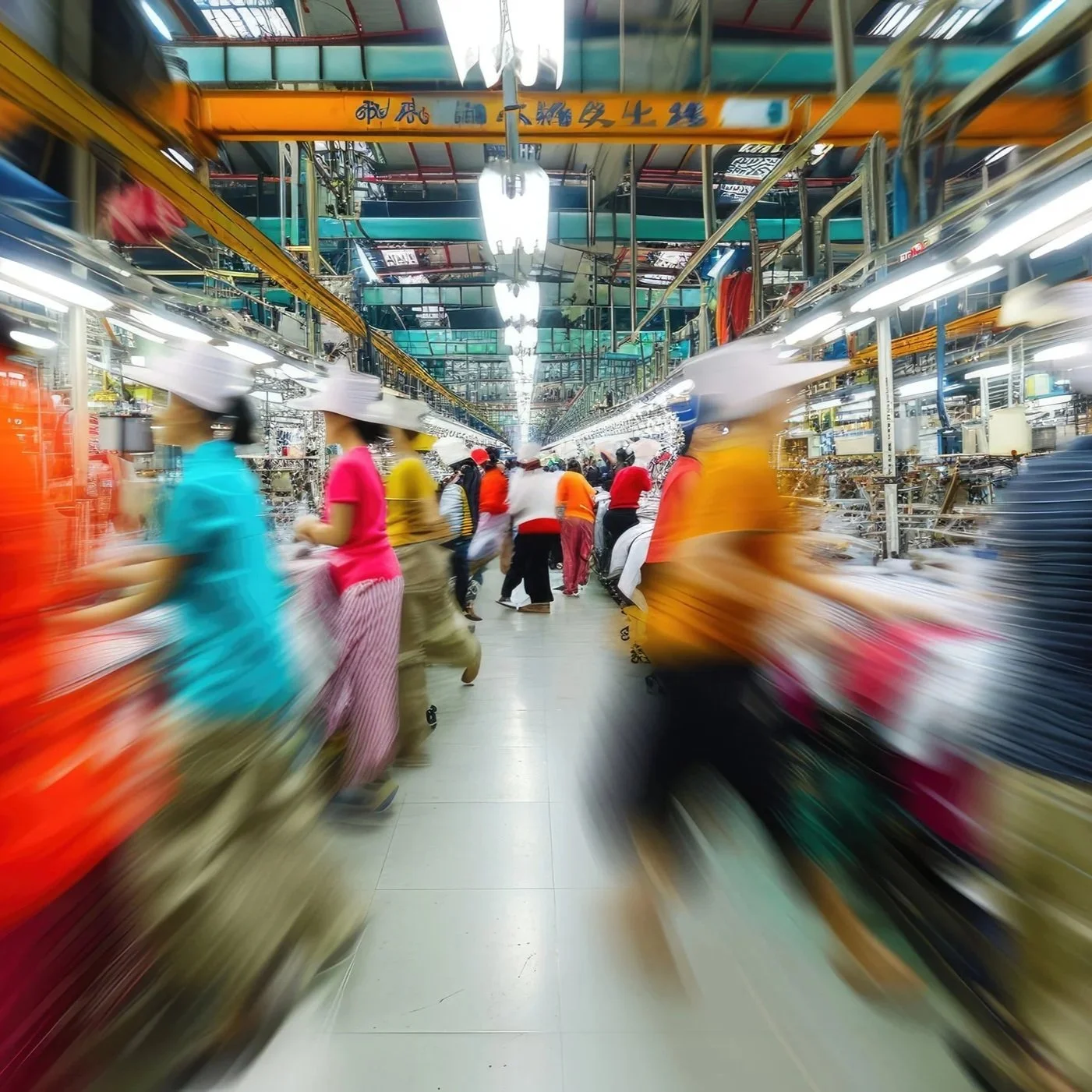
INDUSTRY OPINION: The Annual Report of Avoiding the Obvious: Is the Fashion Ecosystem Really Making Significant Environmental Progress?
What work was actually done and what work was not?
“Brands need to do the work that actually reduces emissions rather than the work they find interesting, exciting or convenient. Do the work that matters. Fix the processes that carry the load. Touch the machinery you have spent years avoiding.”
Shivam Gusain - Founder at Decypher

GREENGRADS: The Waste Warriors - Support the Next Generation at the Yorkton Workshop, London Showcase
“Each of our Green Grads – and we now have 250 listed on our website – has their unique suggested way of dealing with the environmental challenges the world faces today. “Research by the British Retail Consortium shows that consumers/clients now put sustainability right at the top of their buying criteria.” Barbara Chandler

INDUSTRY INSIGHT: Innovating Sustainability and the Future of Bio Materials with David Williamson of Modern Meadow
To mitigate the environmental impact of polyester and cotton, both innovation and systemic change are essential.
“The ultimate goal is a circular economy where materials are designed to last and then be effectively recycled at their end of life. The predicted growth of polyester and cotton consumption underscores the urgency of this mission. We cannot continue to rely on inefficient, linear systems.”
David Williamson - Modern Meadow
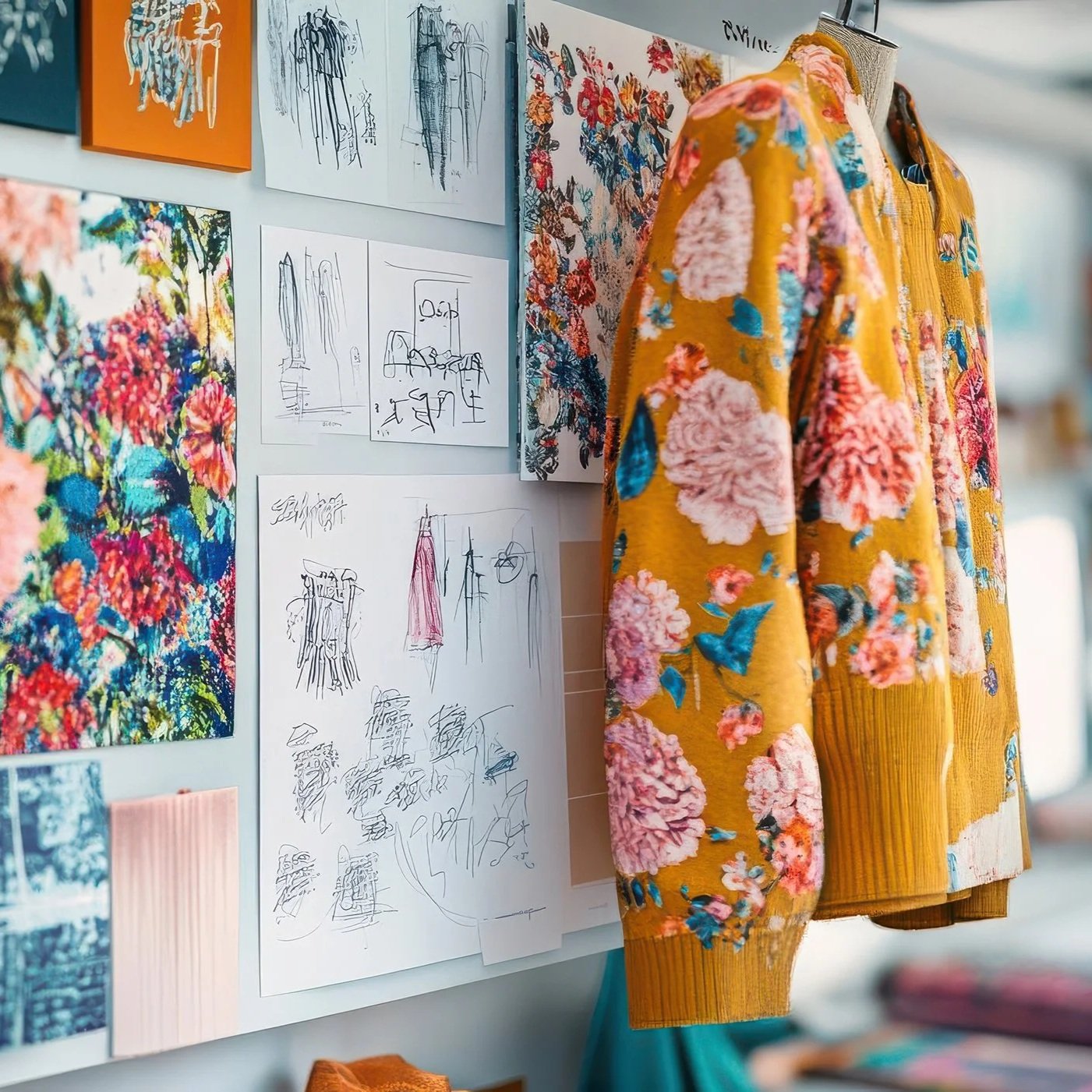
INDUSTRY DEBATE: Resilience Redefined: Preparing Supply Chains for an Uncertain Future with The Fashion Network
The era of 'set it and forget it' supply chains is over.
The challenges are immense, but they are not insurmountable. The path forward requires a fundamental shift in mindset—from reactive crisis management to proactive, strategic resilience-building.
For every designer, supplier, and retailer in the textile marketplace, the message is clear: the most valuable investment you can make is in the stability of your supply chain.

TEXTILES & APPAREL TECHNOLOGY OUTLOOK—The Digital Thread: Latest Digital Developments in Textiles and Apparel
This evolution is fundamentally reshaping global supply chains, moving from traditional, mass-production models towards agile, on-demand, and highly customized manufacturing.
Key innovations are focused on enhancing speed, precision, and versatility, while prioritizing environmental sustainability. This progression enables faster time-to-market, significantly reduced waste, and greater responsiveness to consumer trends, positioning the industry for a more efficient and sustainable future.
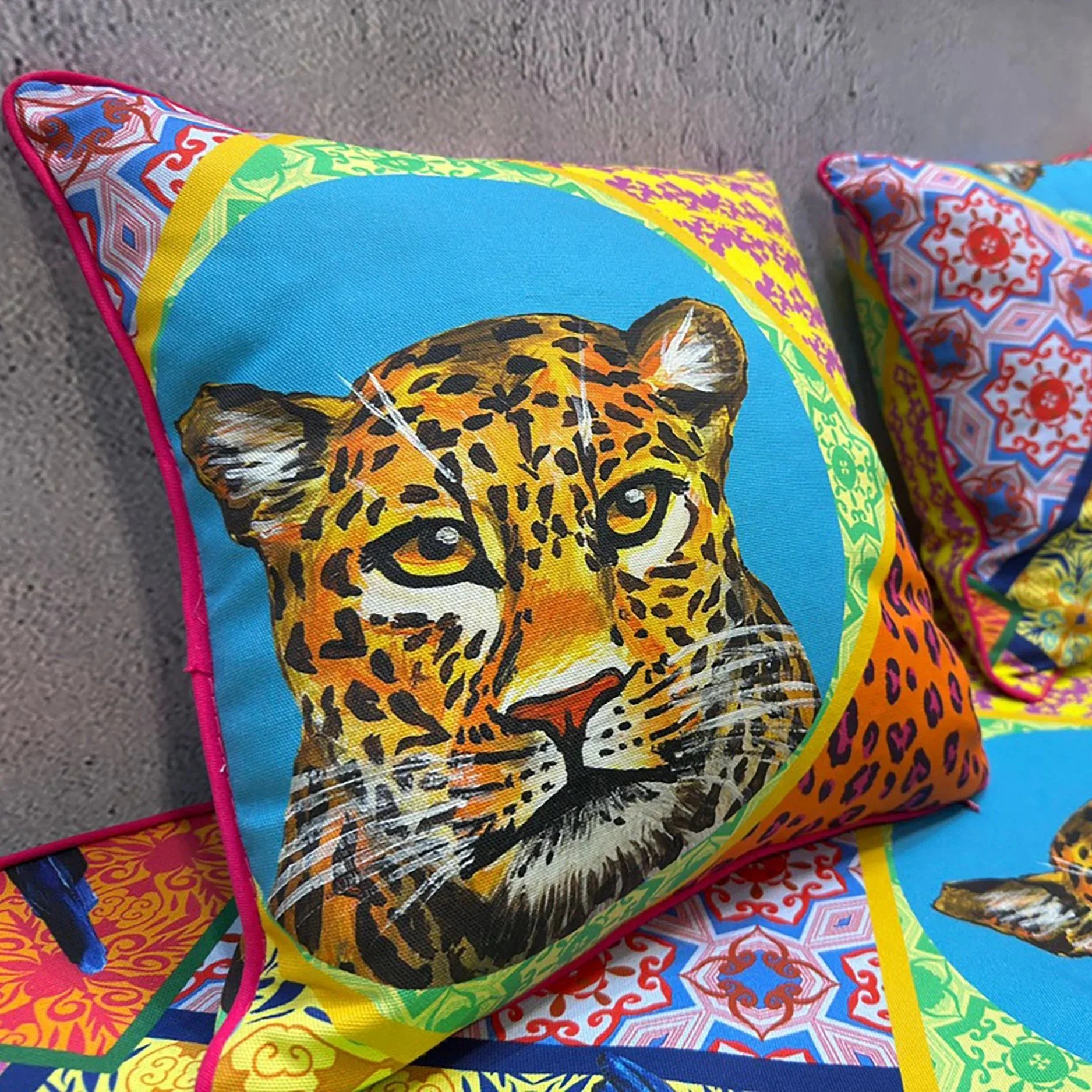
INDUSTRY INSIGHT: Digital Textile Evolution -Why Epson's Monna Lisa Technology Represents the Future of Sustainable Print Production
Traditional analogue printing processes have held the textile industry captive for decades, perpetuating a cycle of environmental destruction and economic inefficiency. The statistics are real: conventional textile production consumes excessive water resources, generates substantial energy demands, and creates mountains of unsold inventory that ultimately end up in landfills or sold at devastating losses.
This approach doesn't just harm the environment—it destroys profitability and stifles innovation.

INTERIOR INSIGHTS: Is your Interior Toxic? Game-Changing Materials Reshaping Interior Design's Future
Discover how natural fibres, living materials, and craft innovation are creating healthier homes whilst eliminating toxic chemicals from interior design.
At the recent Future Fabrics Expo panel discussion, moderated by Carole Annet from Country and Town House, leading voices in sustainable design revealed how innovative materials and renewed craftsmanship are transforming home furnishings.

INDUSTRY DEBATE: How Smart Software paired with Print Technology is Transforming DTF
DTF printing has experienced explosive growth since 2019, transforming from a niche application to a mainstream solution
"Modern DTF software solutions have evolved far beyond simple print drivers. They now incorporate advanced colour management systems that can automatically adjust ink density based on design complexity, implement sophisticated rasterisation patterns that reduce ink usage whilst maintaining visual quality, and provide automated workflow tools that eliminate common operator errors" Michael Chramtchenko of Fiery.