
Industry Insights & Opinion

DIGITAL INNOVATIONS ABOUND AT PRINTING UNITED, LAS VEGAS - WHAT DID YOU MISS? OUR EDITORIAL TEAM SPOTLIGHT NEW TECHNOLOGY
“Held annually and focused on bringing together the print community in one location to experience the latest printing technologies and applications, the Printing United Expo event provides a platform for all that is new and worthy of note. Showcasing applications and technologies for multiple markets, the show provides a unique opportunity in a physical format, where the industries application specialists are on-site for face-to-face knowledge transfer.”

DISCOVER HOW THE EPSON SC-R5000 PRINTER IS DEMOCRATISING WALLCOVERING PRODUCTION FOR CREATIVE INTERIORS
The series features two design creatives, Katja founder of Elli-Popp a design practice that specialises in customised wallpaper design for the residential and hospitality markets who commented “Digital opens up my creative options giving me infinite scale”. And Charlotte, founder of Charlotte Jade an online lifestyle brand offering beautiful furnishing products including wallcoverings “Digital printing is essential to me because it allows me to capture every detail” Charlotte explained. Each discuss their businesses and how they utilise digital technologies within their design practice.

DIGITAL PRINTING MATERIALS: WHICH FABRIC IS BEST FOR DIGITAL TEXTILE PRINTING? WE SPEAK TO INDUSTRY EXPERT JOS NOTERMANS OF SPGPRINTS
“A digital textile printing machine uses a printable design of a digital data file, reads the right color information, and prints the colors onto the digital printing materials.To fully understand why certain fabrics cannot be used for digital printing, it is essential to understand the technology behind digital print” Jos Notermans - SPG PRINTS
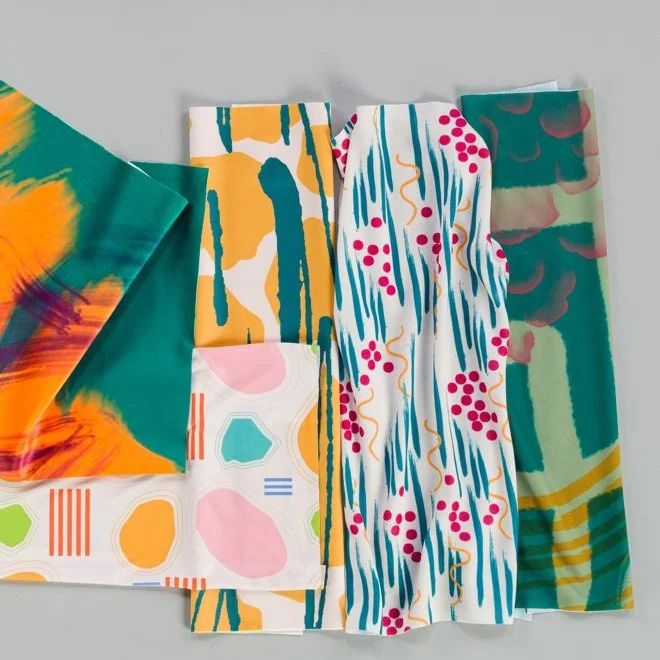
NOTTINGHAM TRENT UNIVERSITY INVEST IN HP STITCH TECHNOLOGY TO OFFER STATE OF THE ART TEXTILE PRINTING
“The department is well staffed with experienced technicians on hand to help creatives explore new printing processes and discover new materials and applications. Creativity is encouraged and design boundaries pushed as the student’s experiment using multiple applications. They are developing two new print hubs which will be open to all creatives within the university: Fashion, Interiors, Textiles, Theatre, Graphics and Embroidery and knitting, Fine Art, nobody is refused access”.

THE WALLCOVERINGS INDUSTRY IS SET FOR DISRUPTION - JOHN MARK LTD ARE LEADING THE FIELD
““We've got seven machines and we're doing generally around about 120, 10m rolls of wallpaper per day on each one. We print six days a week, it’s around about 5000 rolls. We are the world's largest digital printer for wallcoverings. And we use more ink than anybody else in the world. But you’ve got to remember that wallcovering print is full coverage, that's where the ink volume comes through. We now operate using 7 HP Latex 1500 digital printing machines, running dual rolls.” John-Mark Founder - John Mark Ltd

HOW DIGITAL TECHNOLOGY IS DEMOCRATISING THE TEXTILE INDUSTRY - THE GROWTH OF THE DESIGNER BRAND AND ON-DEMAND MANUFACTURING
“On-demand production continues to stimulate this sector of the marketplace, facilitating both creativity and commercial success. With no capital tied up in expensive design sampling and stock, the design community has finally been freed from mass production. Building a Textile furnishing business is now a viable business model, and for the talented, driven and business savvy designer, the rewards are creative freedom and entrepreneurial success.” Debbie McKeegan- FESPA Textile Ambassador
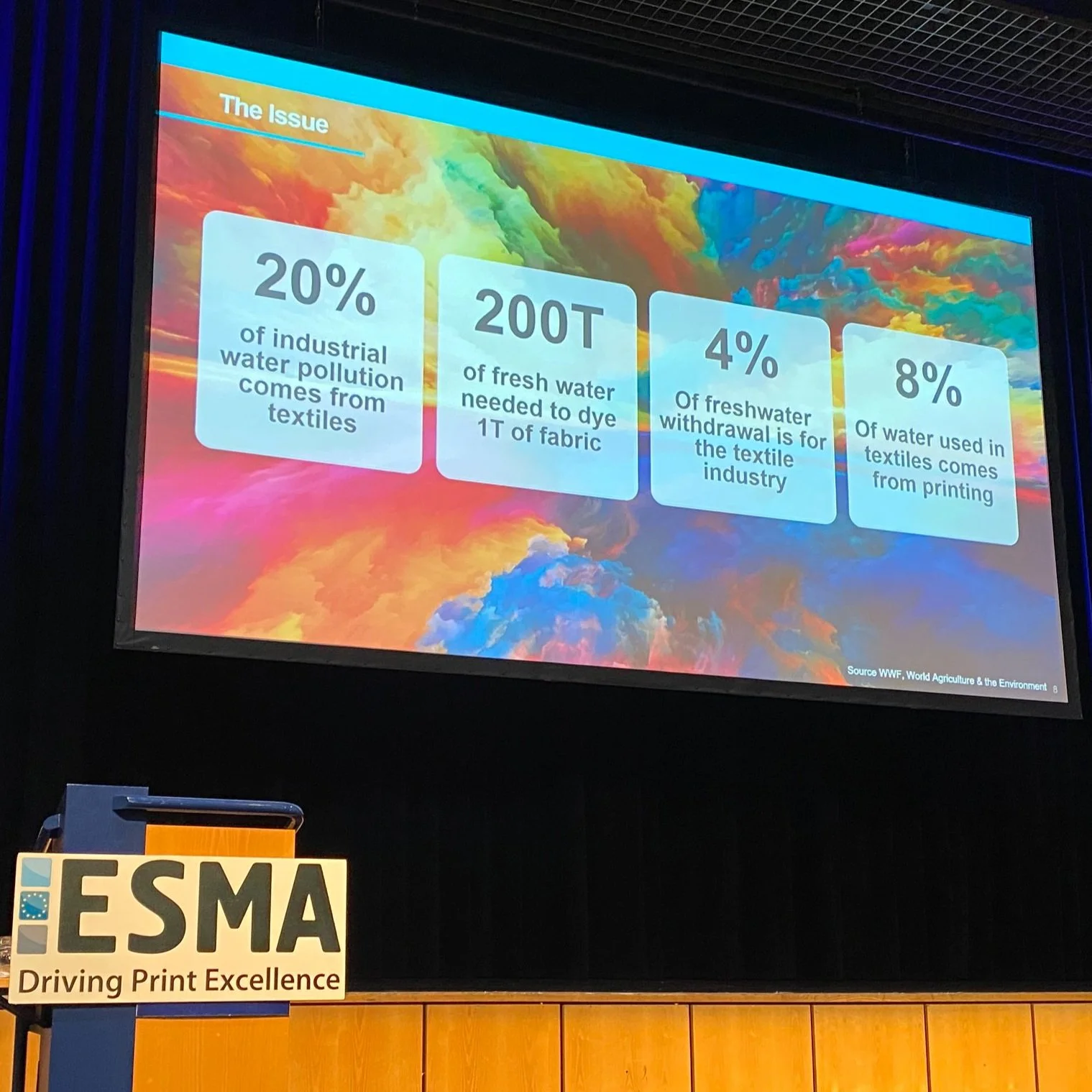
THE NEXT CHALLENGE FOR DIGITAL TEXTILE PRINTING - A REVIEW OF THE FESPA KEYNOTE AT THE ESMA CONFERENCE
“Short production runs are now the order of the day, and even though economies of scale have been lost, forcing the production price up, yet the Industrial Printer balances that against warehouses full of unsold printed fabric that are cheap, but that nobody wants.
It is because of these reasons that Digital Textile printing has gained so much ground with its production value predicted to quadruple between 2019 and 2027.” Debbie McKeegan | FESPA Textile Ambassador
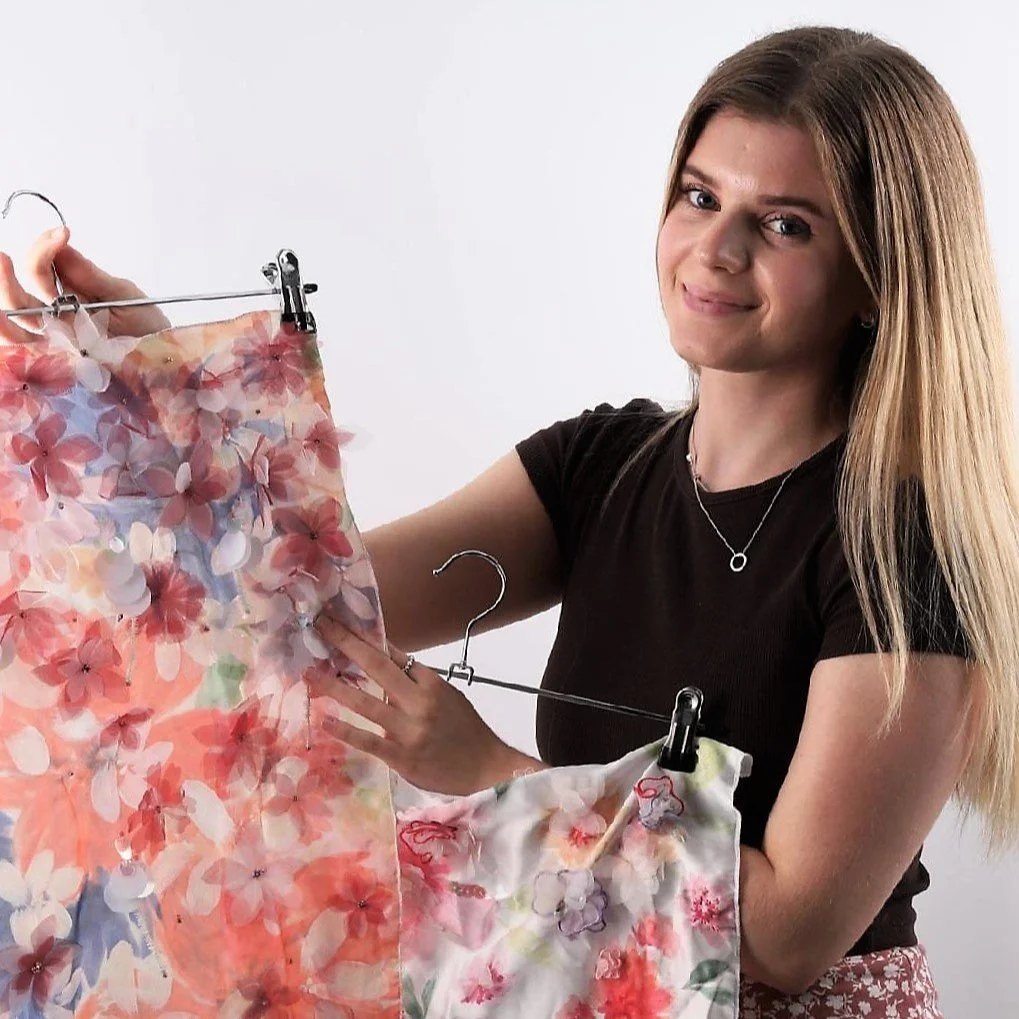
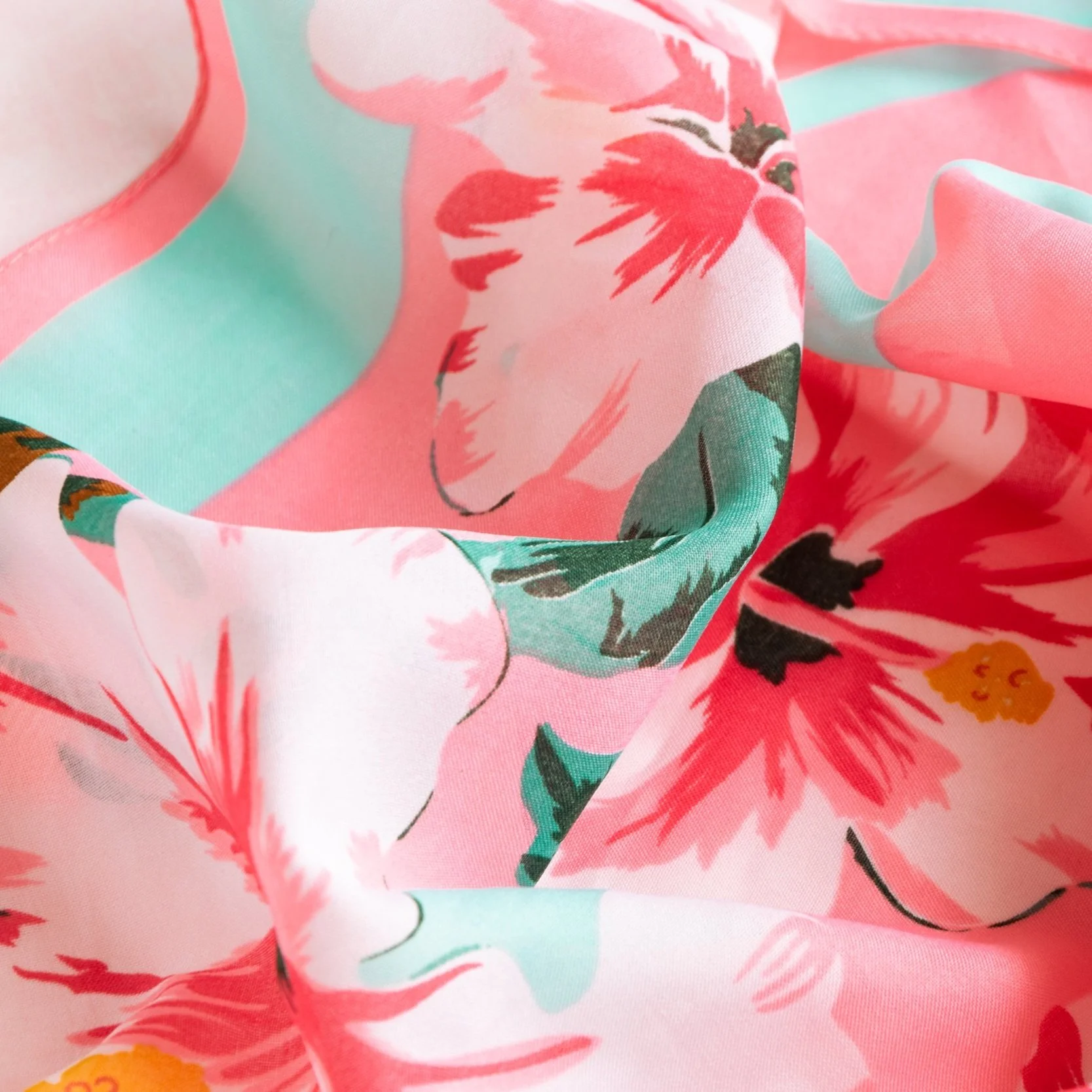

HOW IS DIGITAL TECHNOLOGY EMPOWERING THE CREATIVE: INTERVIEW WITH TEXTILE DESIGNER JAYNE BRANCHFLOWER
Jayne is about to launch her own brand in collaboration with Nerida Hansen, who has built a textile business using digital textile print. Her online platform supplying fashion and furnishing fabrics and sewing patterns worldwide has established a loyal following.
Nerida founded her own brand in 2017, and it was an overnight success in Australia. Nerida continues to work closely with local and international illustrators and surface art designers to support, license and represent, whilst ensuring they are the right fit and look for her brand. Jayne Branchflower’s new collection launches in September 2022.
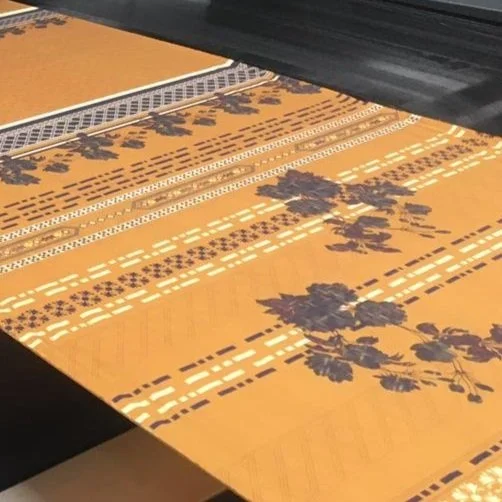
HIGH SPEED INDUSTRIAL DIGITAL TEXTILE PRINTING - FUTURE FASHION (PVT) OF PAKISTAN - SUSTAINABLE PRODUCTION ON DEMAND
“It often a false assumption of the West that the majority of the printed meterage manufactured in Southern Asia is destined for our shores. That’s not always the case. Pakistan represents a huge home market and one that absorbs many 100’s of millions of metres of printed textiles for its own population, particularly fashion. In fact, this case study reflects just that – on shore production. A major investment in on-demand digital technology for the markets within Asia. That’s not to say that the volumes of South Asian print destined and exported for the West are insignificant, that would be incorrect, but for Future Fashion (Pvt) Ltd currently Asia is the main market for their digitally printed textiles.” - Debbie McKeegan | FESPA Textile Ambassador
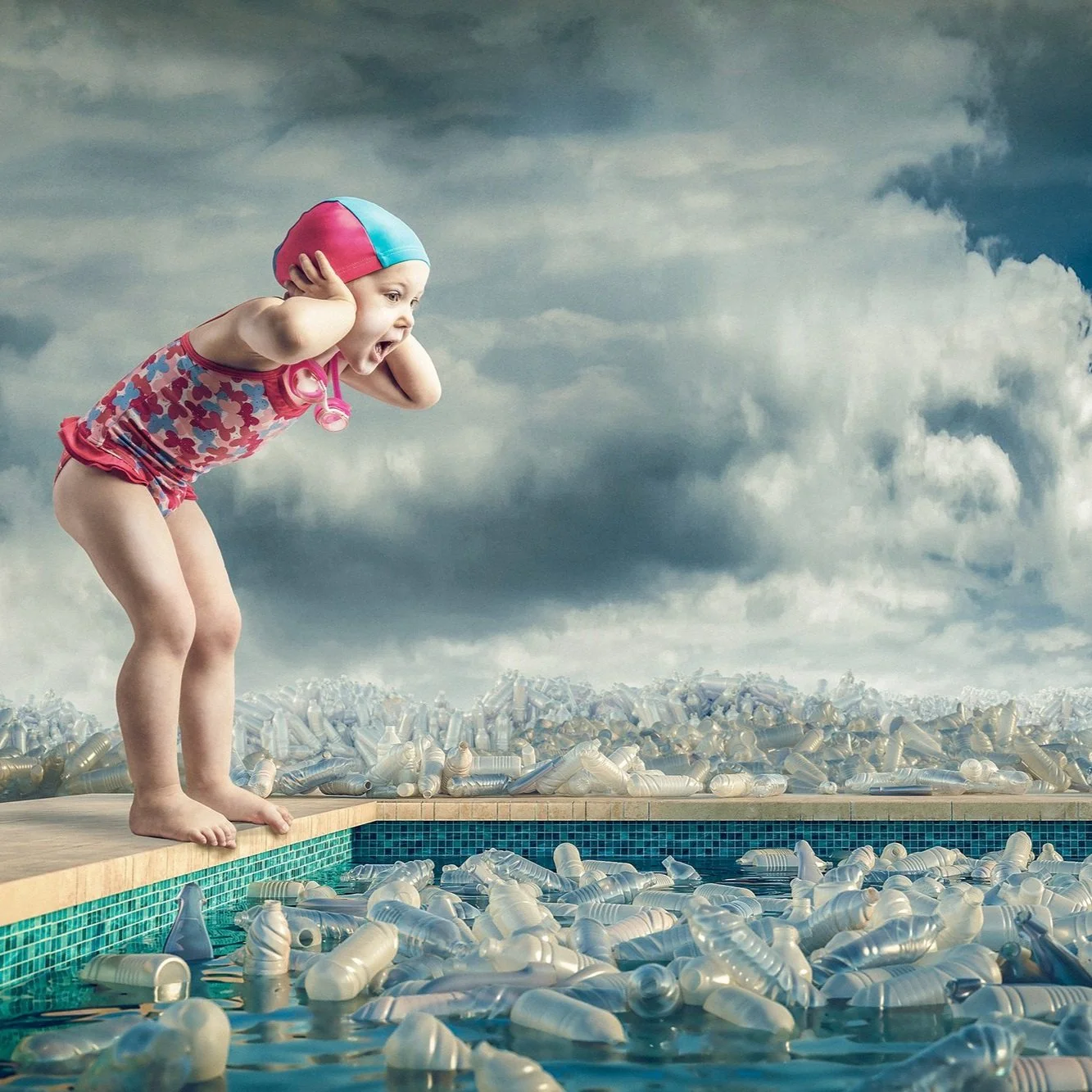
A GUIDE TO ECO-FRIENDLY, SUSTAINABLE FABRIC AND TEXTILE PRINTING - PRINT CUSTOMERS ARE INCREASINGLY REQUESTING GREENER MATERIALS
“Large format digital printing is widespread and used for showroom and retail displays, exhibition graphics, flags and banners as well as flooring projects. The print quality of the latest range of large format printers can produce remarkable imagery, with clear lines, high resolution and vivid colours. Yet sustainable textile printing can only exist in tandem with supply chain transparency, and with effective collaboration, the large format fabric sector can make big strides in becoming an eco-friendly solution” SOYANG EUROPE.

TEXTILE TECHNOLOGY HIGHLIGHTS S/S 2022 - TRAILBLAZING INNOVATIONS AND NEW DEVELOPMENTS
“Technical developments for 2022 are plentiful. Accelerated growth is predicted and we finally see traction and investment across all markets in digital technology.”

EXPLORING THE POWER OF PRINT AT PRINTERIORS - FESPA GLOBAL EXPO - BERLIN 2022
“The Décor industry is expansive, it is design led and encompasses a vibrant global community. Digital printing empowers both the creative and the manufacturer and whilst utilising digital technologies, it enables interior designers and decorative print designers to work together to create beautiful products and incredible spaces.” Debbie McKeegan - FESPA Textile Ambassador

WILL SUPPLY CHAIN ISSUES HELP DRIVE MAJOR CHANGE IN THE APPAREL MANUFACTURING INDUSTRY
The problems were there back then, but they were exacerbated and brought to the forefront due to pandemic-related issues. With all the supply chain noise, we wondered whether there would actually be meaningful solutions soon, and/or whether reshoring and digital production would be accelerated. A Forbes article on the topic sheds some light here: - Cary Sherburne - What They Think

ONE YEAR ON - SHUTTERFLY ACQUIRED SPOONFLOWER A MOVE THAT CONNECTED 21 MILLION CUSTOMERS TO PRINTED TEXTILES ON DEMAND
At the time of the acquisition completion, Shutterfly said, “This acquisition will increase the depth and breadth of what people can create, customize, and buy on the Shutterfly platform including wallpaper, fabric, and home décor. And it will connect 21 million active Shutterfly users to more than one million designs by independent artists in the Spoonflower global marketplace.”

SUSTAINABILITY SPOTLIGHT S/S 2022 - TEXTILE INNOVATIONS AND INSIGHTS
“The not so green iceberg continues to emerge as companies across the entire textile space push forward to set and or achieve sustainability objectives, all of whom are desperately trying to bring themselves into line with the growing expectations of their client base. Some have faired better than others. In recent weeks the HIGG Index has come into focus, as have the dubious claims of many of the behemoth fashion brands, many of whom now find themselves under an uncomfortable spotlight.” Read more >>

WHY ARE LIVE WORKSHOPS SO POWERFUL? WE INTERVIEW JASON BURROUGHS OF PERFECT COLOURS TO FIND OUT MORE
“During the pandemic our customers had to pivot and were busy in particular areas like floor-graphics but I believe the industry is still recovering and looking to plan ahead. I also believe a lot of our customers are looking at new business revenues and look to digital technologies for growth.” Jason Burroughs - Perfect Colours

WHY IS ADOBE PHOTOSHOP THE BEST TOOL ON THE MARKET FOR TEXTILE DESIGN AND COLOUR MANAGEMENT?
“We launch a collection, produce a print run and if it has succeeded, we produce it again. With good color management, not only will it be possible to print what we have sold but also we will be able to repeat the production as many times as necessary without changing the result.
So why do you need to know about color management if you are a textile designer? Because it is the only way that the colors we imagine in our head, which we later capture in Photoshop, will be the same ones we will see printed in the collection.” - Inedit

SHARING KNOWLEDGE AND PRACTICAL EXPERTISE? WE INTERVIEW BRUCE VAN GREUNEN OF HP AT THE PERFECT COLOURS WORKSHOP
““The ability to use HP latex white ink print onto coloured or clear media give you an opportunity to try different applications and effects with the media. In the décor sector we have seen a move to more natural surfaces in textiles and wallpapers which are not always white. If you do not have the option of white ink, colours may not turn out as expected, or they may seem desaturated.
White ink gives the option to emphasise parts of a design. Printing with white ink onto acrylics or glass for kitchen splash backs or room dividers with 3- or 5-layer printing by example.”