
Industry Insights & Opinion

INDUSTRY INSIGHT: Is the Future of Print Temporary? Does Ink need to last forever? Redefining Printed Ink with GrowInk
A New Lifecycle: Application and Degradation
“We can continue with the status quo of toxic permanence, or we can embrace the intelligence of nature. Technologies like GrowInk prove that we can have vibrant, functional colour without the lasting environmental cost.
By accepting that not everything needs to last forever, we might just build a future that does.”
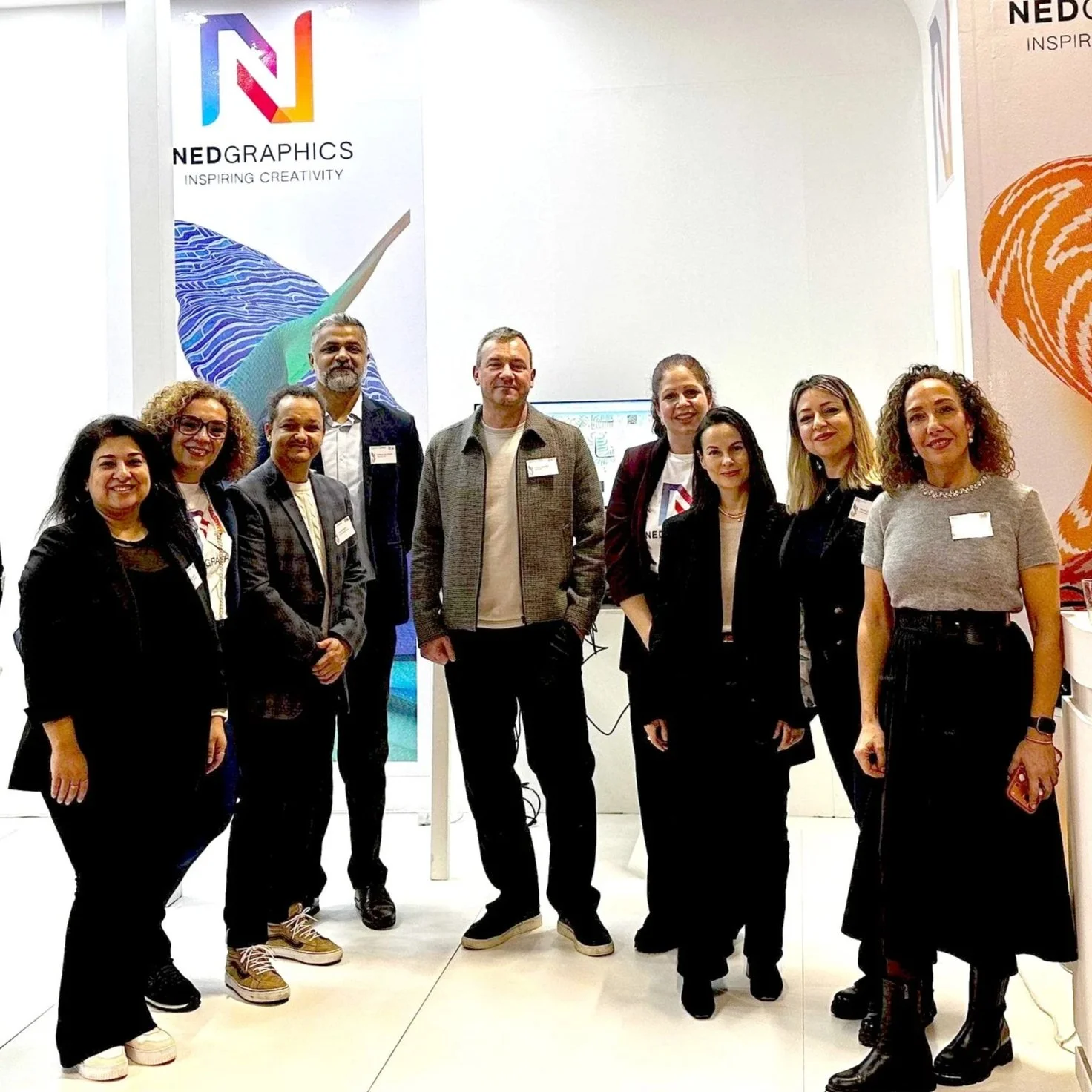
Heimtextil 2026 - At the Heart of a Changing Textile Industry - A NedGraphics Restrospective
For our community, the takeaway is clear.
Innovation does not happen in isolation. If you are serious about shaping the future of textile design and production, you need to be present where ideas, experience, and perspective converge. Engage in the conversations, build relationships beyond transactions, and invest in spaces that allow you to learn not just from technology, but from one another. That is where lasting progress is made.

INDUSTRY INSIGHT: Synthetic or Human? Why Rethinking Your Marketing Strategy is Essential in the Age of AI
The stark reality: the strategies that secured your market share yesterday may well render you invisible tomorrow.
The influx of Generative AI has created a dichotomy on the web: the Synthetic and the Human. As AI floods the internet with competent but commoditised content, the value of genuine human insight is skyrocketing.
The challenge now is not how to use AI to do more, but how to use your humanity to matter more
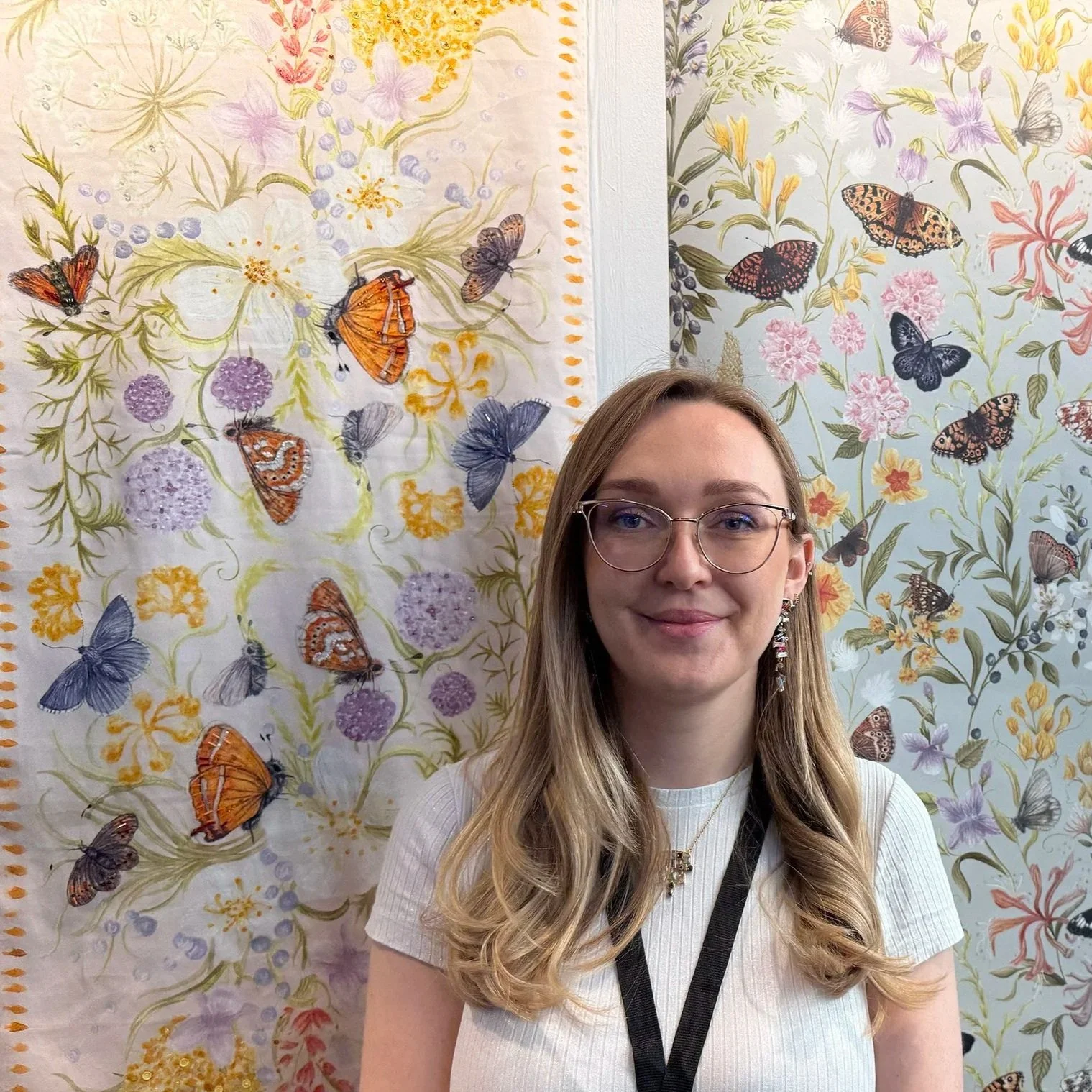
GEEENGRADS: Lydia Hill wins the Epson ECO STORIES Textile Challenge at the Surface Design Show, London
“Design can better our world by expanding empathy and education, to increase awareness – that’s why I am a GREEN GRAD” - Lydia Hill.
"After many years of feeling out of place, I have found like-minded people who share my passion for the planet. Amazing advice from industry professionals has given me the confidence and encouragement to pursue my goals and aim higher than before.”

Survival of the Fastest: Why 2026 is the Year the Printed Apparel Textile Industry Must Pivot or Perish
The Greatest Opportunity for Commercial Reinvention seen in Decades
“As traditional supply chains fracture under new tariffs and rising input costs, the manufacturers who will thrive are those who transition from being passive producers of stock to agile partners in on-demand, digital ecosystems.”.

KEY INSIGHTS: FESPA Middle East 2026: How to Capitalise on the Region’s Print Boom
The Middle East and North Africa (MENA) region is currently undergoing a profound transformation.
Driven by ambitious government initiatives and a rapidly digitising economy, the print and signage sectors are finding themselves at the centre of a commercial renaissance.

GREENGRADS: Design for a Broken Planet: Meet the Innovators Healing Our World at the Surface Design Show - London
The industry cannot afford to ignore the next generation. These graduates are not just seeking employment; they are offering solutions to the problems that established firms are scrambling to solve.
The GREENGRADS exhibition at the Surface Design Show is a testament to the power of education and the necessity of hope. By attending, you are not just viewing products; you are supporting a movement towards a cleaner, more ethical built environment.
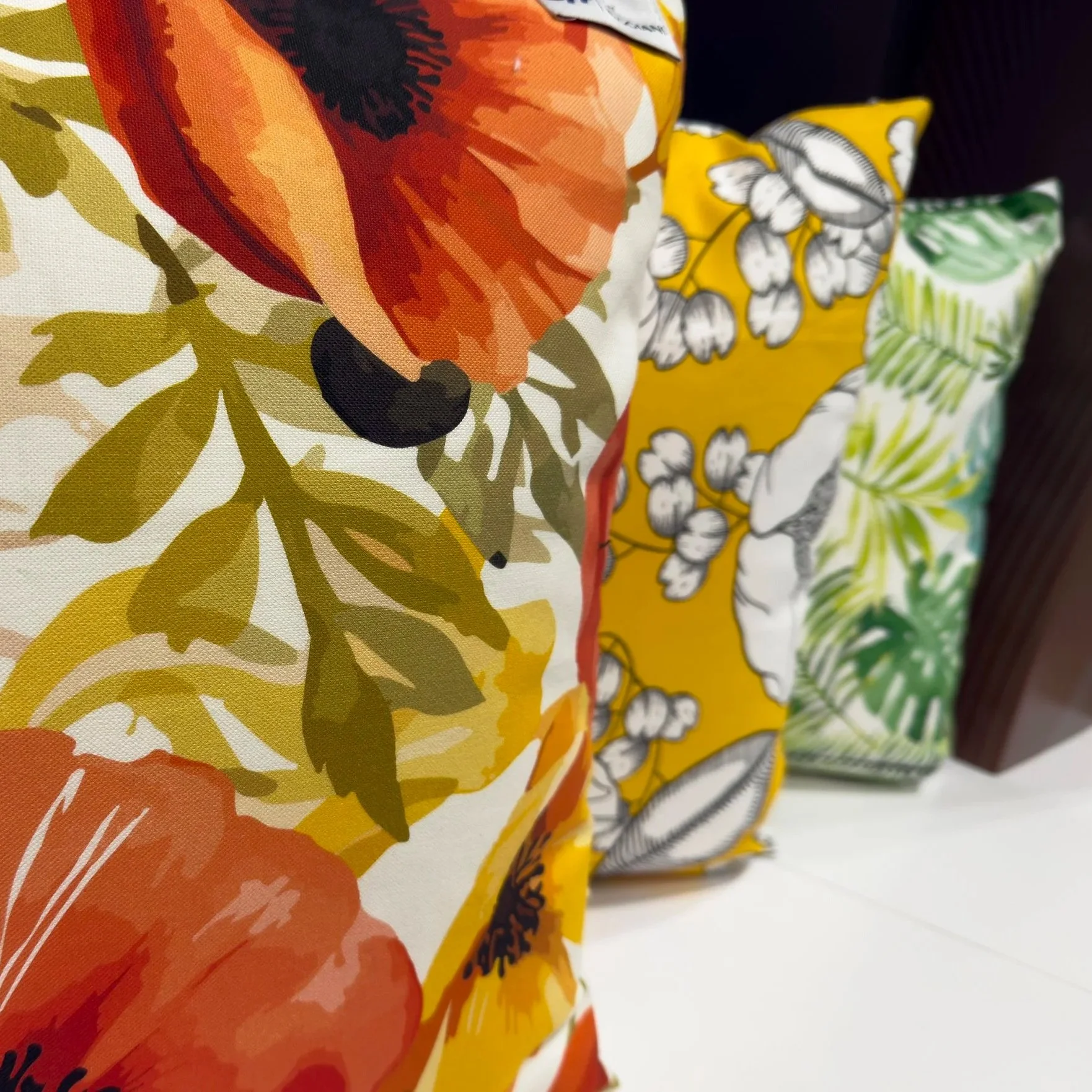
TECH SPOTLIGHT: The Digital Future of Textile Printing: Latest Innovations Fueling On-Demand Manufacturing
Is your print business equipped for the future?
“The challenge for any print business operating in the textile ecosystem is to navigate this rapidly evolving landscape. Success is no longer just about print quality; it’s about agility, efficiency, sustainability, and the ability to offer personalised products at scale. The traditional, water-intensive, and wasteful methods of the past are being displaced by a powerful digital ecosystem”.
Image Credit: EFI REGGIANI
THE SEWING CONUNDRUM: The Largest Barriers to Bringing Apparel Manufacturing back to the USA at any Reasonable Scale is the Lack of Sewing Talent
Michael McDonald, President of SPESA, shares his thoughts on this challenge from the perspective of the suppliers to the industry and states that over the last three years, he has seen more amenability to investment than he’s seen in a very long time, at least from the private sector.
“It’s still not easy. It’s never easy to start a startup. It’s even harder to start a startup in the textile, fashion, and apparel industry.”

EXPERT INSIGHT: Why Prints Fail: The Role of Lighting & ISO Compliance and The Hidden Lighting Crisis
“We are moving towards a future where waste is unacceptable—both economically and environmentally. Allowing lighting mismatches to create colour rejections is an unforced error.
The solution requires investment, but it is an investment that pays for itself by preventing a single rejected print run”.
- Lou Prestia

Elen Hughes of Premier Digital Textiles Explores how Craft, Colour and Technology are Reshaping Print and Pattern Design in 2026
Designers are increasingly drawn to work that feels real.
Marks that are not perfectly aligned, lines that wobble slightly, surfaces that feel considered rather than automated. These qualities bring warmth and personality, offering a balance to the precision of digital tools and AI. Print is no longer just about decoration.

INDUSTRY OPINION: Autopsy of a Transition that Never Happened and The Material State of the Textile System
“2025 did not constitute a transition year. It constituted a consolidation of narrative capability”.
“The system became better at explaining why change was underway, better at projecting inevitability, and better at managing contradiction. It did not become better at altering fibre composition, reducing throughput, or decarbonising production at scale.”
Shivam Gusain - Founder at Decypher

The Future is Being Designed Today: How iDott 2026 Champions and Supports the Next Generation
The 2026 Surface Pattern Design Competition
The launch of the 2026 iDott Surface Pattern Design Competition marks another year of celebrating innovation. This year, the competition is supported by heavyweight sponsors from across the textile and wallcovering sectors, each presenting a brief that reflects current market demands and future trends.
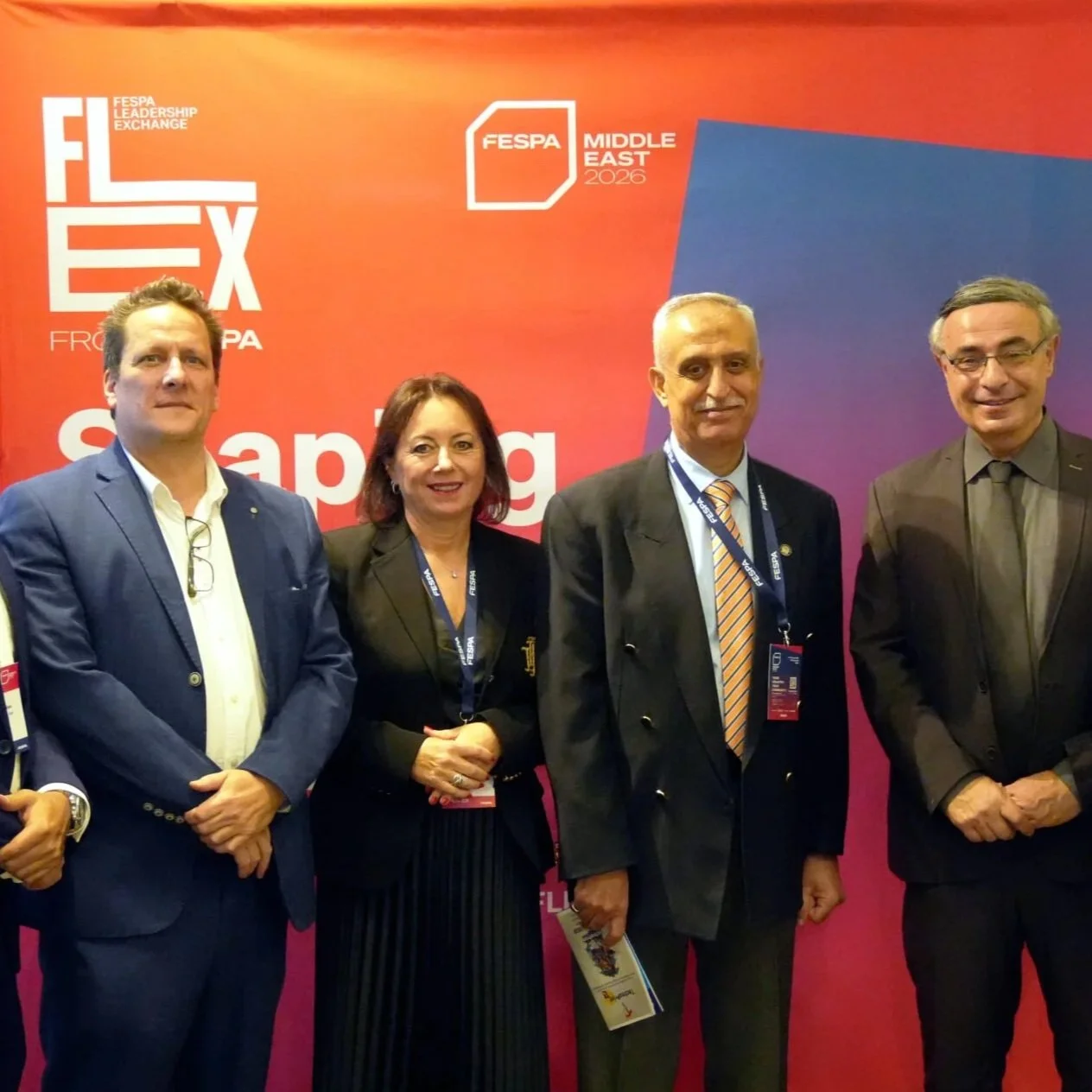
Textile Printing in the Middle East and North Africa: Key Takeaways from FESPA Flex with Debbie McKeegan
The Middle East and North Africa hold a rich and storied heritage in textile production, with roots stretching back thousands of years. Known for its skilled craftsmanship, the region has long been a renowned for textile artistry.
Today, the region with a population of over 500 million, is once again positioning itself as a future leader in the adoption and development of cutting-edge manufacturing within the textile sector. With significant investment in digital printing solutions, automated production and an increasing commitment to sustainability, the region is redefining traditional practices while meeting the demands of evolving markets.

CASE STUDY: Rethinking Software Licensing Models: It's Time to Evolve Beyond the Dongle
Is your software licensing model holding your business back?
For years, the industry relied on cumbersome hardware dongles and static license keys to manage access. We accepted them as a necessary inconvenience - a clunky but functional way to protect intellectual property.
The future of software licensing is not about locking down devices; it’s about empowering users. It’s time for a fundamental shift towards flexible, secure, and user-centric cloud solutions.

INNOVATION: Tracing the Future of Color: How BioBlack Is Redefining Material Transparency
Black pigments are among the most widely used colorants in the world, yet their sourcing often remains hidden from view.
For decades, petroleum-derived carbon black has been the industry status-quo across packaging, textiles, inks, cosmetics, and coatings. Manufacturers have relied on it, despite a toxic legacy, not because it was transparent or clean, but because it was ubiquitous and easy to specify.
INDUSTRY INSIGHT: 2025 in Review: A Pivotal Year for Textiles, Technology, and Transformation
A Collective Push Forward
Looking back at 2025, the progress is undeniable. From the designers at GREENGRADS to the engineers at Epson, Fiery, and beyond, a collective of determined practitioners is driving real change.
We are witnessing the construction of new networks, the deployment of groundbreaking technologies, and a shared commitment to building a cleaner, more visible, and profitable textile industry.

The Growth of Digitally Printed Wallcoverings: Key Trends and Opportunities for Personalisation
Digitally printed wallcoverings represent the crossroads of design and technology. Once limited to traditional manufacturing process, creating mass-produced patterns, wallpaper design has undergone a digital transformation, enabling customisation, faster turnaround times, and reduced production waste.
Today’s consumers want their walls to stand out, and digital wallcoverings deliver just that. With bespoke designs, intricate printed 3D surface effects, patterns, and tactile materials the appeal is undeniable.

INDUSTRY INSIGHT: The Nature of Fashion: Reconnecting Our Wardrobes to the World we Interview Carry Somers
The challenges facing fashion today—overconsumption, pollution, a broken recycling system, and the myth of true circularity—are not isolated technical problems.
“To build a truly sustainable future for fashion, we must do more than innovate; we must remember. We must look back to the botanical origins of our clothing to understand how to move forward..”
Carry Somers - Nature of Fashion

INDUSTRY INSIGHT: Top 5 Trends Shaping the Textile Print Industry in 2026 - Prepare for the Year Ahead
The Coming Year will Test the Resilience and Adaptability of Every Player in the Textile Sector.
“From apparel to interior décor, the challenges are interconnected, creating compound effects that can stifle growth or unlock unprecedented opportunities. This article will explore the pivotal trends of technology integration, supply chain resilience, regulatory compliance, production efficiency, and dynamic market shifts.”