

Q+A Texintel Talks to Tony Naschberger of Zimmer

Zimmer Fashion Printing

Zimmer Colaris for Carpets

Heritage and Quality

Zimmer Colaris Infiniti
Meet Tony Naschberger, MD of Zimmer Austria, Founded in 1876
Makers of fine digital printing machines with an eye not only for innovation but also heritage and product quality. Zimmer is based in Austria but has also sales and service offices in Spartanburg, SC and Shanghai, China.
We caught up with Tony and asked him to share his inspiring story….
Tell us a little about your Company’s history
How did you start in business?
Zimmer is a family business which was started in 1876 – so more than 140 years ago. Right now, we have 2 manufacturing plants – one in Kufstein Austria where we concentrate on digital printing and one in Klagenfurt-Austria where we build analogue machines such as textile screen printers, dryers, steamers and coating lines.
How long have you been making printing machinery?
Printing machines are built for over 120 years by now.
What milestones has your company achieved?
Zimmer invented the Magnet System – famous in Textile Screen Printing machines and ChromoJET – the digital printer which revolutionised carpet printing.
How did you come to make Digital print machines and when did you start?
Zimmer started with ChromoJET printers in 1976 – so more than 40 years ago. About 10 years ago we started with piezo based inkjet printers.
Now we have gained a lot of experience. All our electronics and software, we are doing in house to enable us to work out special applications and to handle different inks and fluids.
What machinery is in your current range?
In principle we offer printing systems for 5 fields:
Floorcovering - carpets, mats, carpet tiles, needlepunch, woven carpets.
Textile - upholstery, terry products, blankets, fleece, bed-sheeting, curtains, decoration
Narrow fabrics - belting, ribbons…
Technical textiles and special applications - camouflage, outdoor textiles
OEM products using our ChromoJET valve technology, 3-D printing, digital coating
What types?
Zimmers speciality are custom made printers and complex print lines
The type of printer and ink selection is always based on the application and its fastness demands. Here we cover all aspects of industrial printing.
Print width is ranging from single pass for narrow fabrics, up to 5.4 m (18ft) for broadloom carpet using multi-pass systems.
What processes?
We offer printer with for all applications and ink classes.
Acid for polyamide and wool.
Disperse and direct sublimation for polyester.
Reactive for cotton, terry products…
Vat inks for cellulosic fibres which require highest fastness levels work wear, camouflage)
Pigment mainly for polycotton but also for many other blends of fibres as well as for non-textile based substrates.
Which is your favourite, how wide and how fast is it?
Favourite: Our 4 and 5 m wide carpet printers with 6 colours and 96 printheads. I like the Colaris.12-2200 which is a 2.2 m (7ft) wide printer with 12 or 6 colors and 1 or 2 heads per color.
This model is extremely flexible as it can print roll-to-roll or piece by piece. It is available for all ink classes – especially for pigment prints we see a wide range of applications. This printer is perfect for entry level pigment solutions.
It can do about 100 m2 or 120 square yard per hour.
What are its main advantages as a machine?
All our printers are for industrial use and are built for 24/7 operation.
Ink heating and cooling system to guarantee best jetting performance
Ink circulation system – especially needed for pigment inks and other jetting fluids with high solid content. Print heads with different drop-sizes ranging from 7 pl up to 80 pl.
Scratch proof nozzles - We also offer a printhead cleaning and repairing service which brings down operating cost considerably.
How do you see the Digital Print Market developing?
What ink types will make progress?
Pigment printing will be the future for many textile applications. Rub-fastness, brilliancy and softness have improved a lot and are matching market demand already. Pigment printing process has high potential for simplification by use of jet-able printing pre-and post-coatings.
What speeds do clients demand?
For many applications, flexibility comes first, rather than speed. All our printers are prepared to handle up to 12 colors. This allows either to use up to 12 primary colors or to set up the printer for double speed using only 6 colors. So we offer the most flexible system in the market.
Which markets will grow?
Ink jet printing will revolutionize many markets. Products will be custom made on site. Delivery time will come down.
Production will get closer to the user.
What new processes are there in the pipeline?
In our technology center in Kufstein, Austria we are working permanently on different processes, either to get better penetration for high pile products or to simplify processes for pigment inks, or to reach highest fastness properties using VAT inks.
Do Zimmer offer inks?
Our philosophy is that customer should have the freedom to choose from different ink suppliers. Ink should be a local business. Therefore, we cooperate with local ink suppliers in China, India, Europe, Middle East and America.
There is also not one ink supplier who has the best inks for everything. In some cases, we also have to mix supplier to get the best results regarding fastness for individual applications.
Thank you Tony… Zimmer have an exacting Textile heritage and an extensive range of Machinery, to find out more you can visit their stand at Heimtextil in Frankfurt between January 8th – 11th 2019
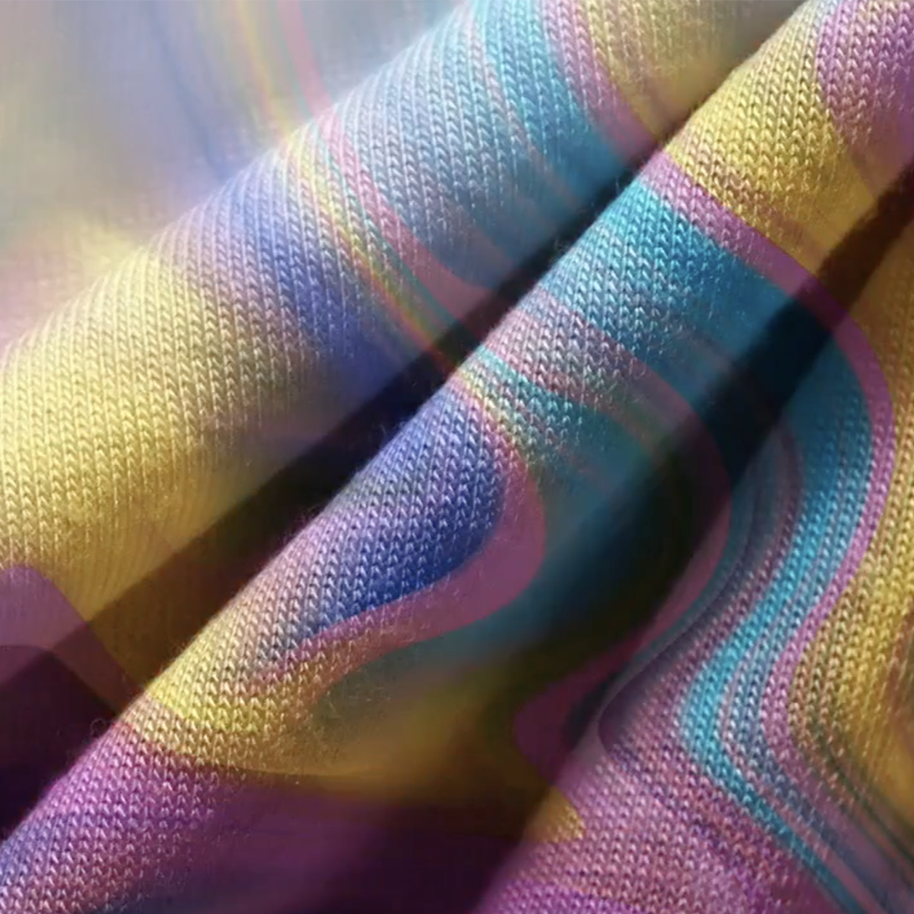
Colour Separation: The Craft Digital Textile Design Shouldn’t Forget
Textile designer Stephan Alker draws on more than 40 years in the industry, going back to his start at Transfertex in 1980, to trace how colour separation moved from drum scanners, hand-retouched films and engraved gravure cylinders to fully digital workflows.
He argues that this production knowledge still matters in the age of digital printing, because properly separated designs give brands far more freedom.
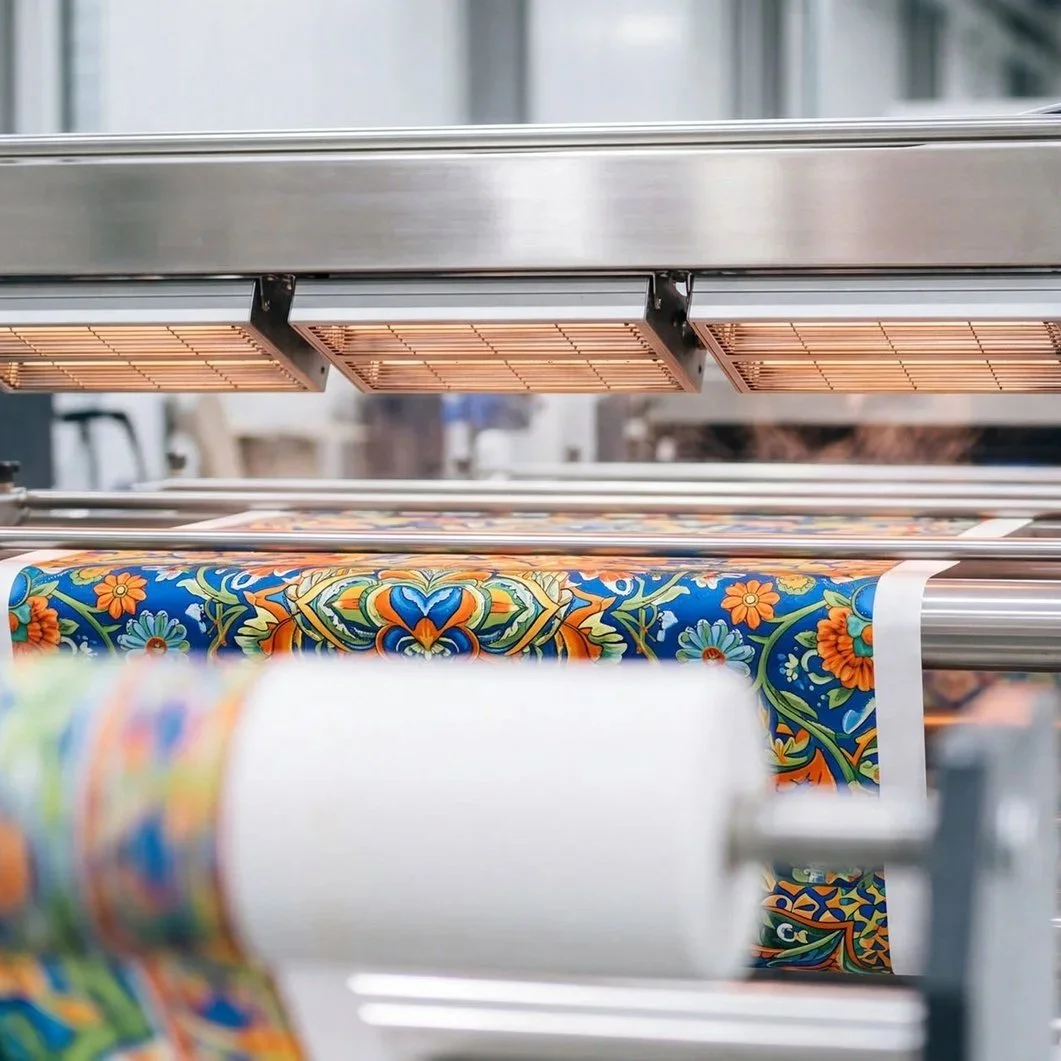
The Path Foward: Connect Every Link:
Design, colour, workflow, production, data. Each link now depends on the one before it, and the printers who will lead the market are those who strengthen the whole chain, not just the machinery at its centre.
So, this autumn, ask the bigger question on your own shop floor.
Not "Which printer?" but "How well does my business connect demand, design and production?"
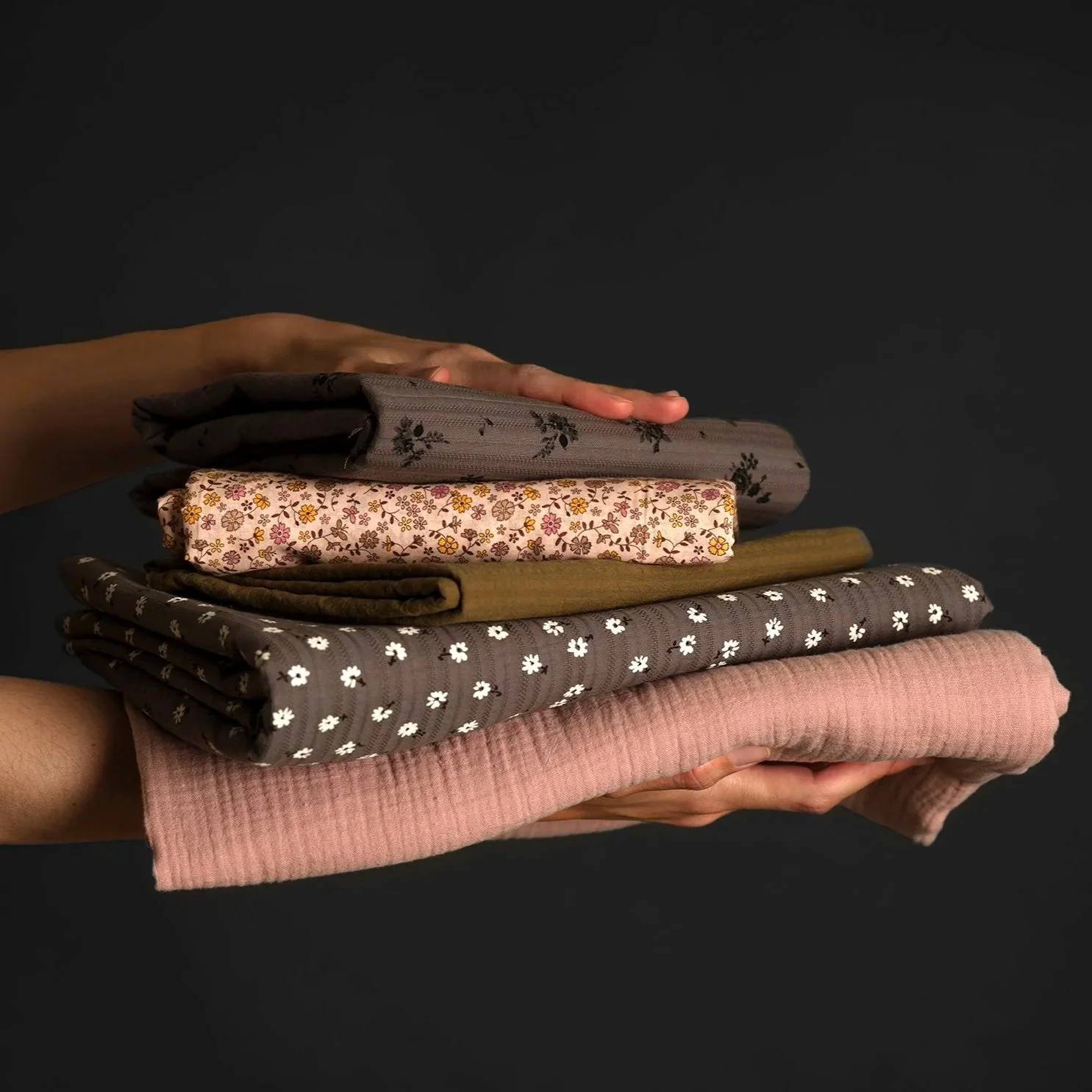
Rebés's story isn't one of nostalgia - It's a working blueprint for how heritage manufacturers can stay indispensable in a market that rewards speed, certification, and specificity in equal measure. Four million metres of stock mean nothing without the digital printing capability to turn it into something distinctive.
A 150-year name means nothing without the R&D discipline to win a tender for antistatic, carbon-fibre-infused uniform fabric on the first attempt.
Image Credit: Tejidos Rebé

What if the next dress you wore never touched the factory floor?
This is no longer a fringe experiment. It is a maturing production model, backed by genuine material science, real circularity, and an AI-assisted workflow that is becoming more accessible by the month.
Her advice to designers and brands alike is refreshingly practical: start small, get hands-on with an accessible 3D printer, and build fluency before the technology becomes table stakes. The businesses that treat this moment with curiosity, rather than scepticism, will be the ones shaping fashion's next decade rather than reacting to it.

The 2027 FESPA Awards are now open for entry, and the message to businesses across textiles, apparel, interiors and beyond is simple: your work deserves recognition. Every gold winner featured here started in the same place every entrant does - with a project they believed was worth submitting.
As the only independent awards programme with 18 categories dedicated to print and signage, FESPA offers a genuinely global stage, with shortlisted entries displayed at FESPA Global Print Expo in Spring 2027.

Colour Is Too Important to Leave to Chance
Print will always be the part of the garment people see first.
But the sum of all parts — the fabric, the trims, the fasteners, the finish — is what determines whether a design actually delivers on its promise. Brands that continue to treat colour as a single creative decision, rather than a coordinated technical discipline spanning their entire supply chain, will keep paying for it in re-dips, delays, and disappointed design teams.
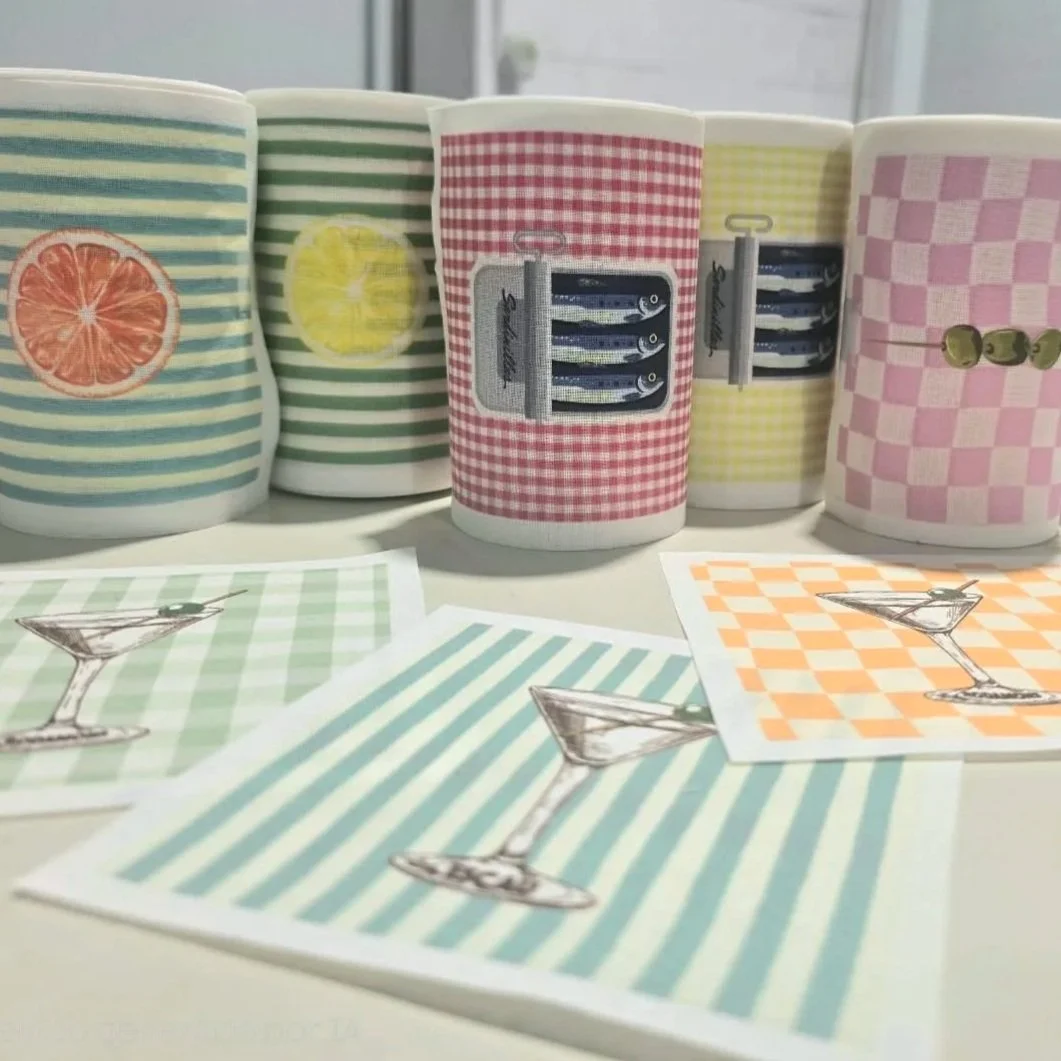
A Century of Textiles, and an Ever-changing World
Few companies can trace their roots back more than a century and still count themselves among their industry's innovators. Texia, headquartered in Monistrol de Montserrat, Spain, is one of them.
But the story of Texia is not simply one of longevity.
It is a story of continual reinvention. As the textile industry has grown more global and competitive, Texia has repeatedly reshaped its business, investing in technology, developing its own brands, and placing sustainability at the centre of its mission. In doing so, it offers a compelling example of how a heritage manufacturer can lead rather than follow through a period of profound industry change. Image Credit: Texia
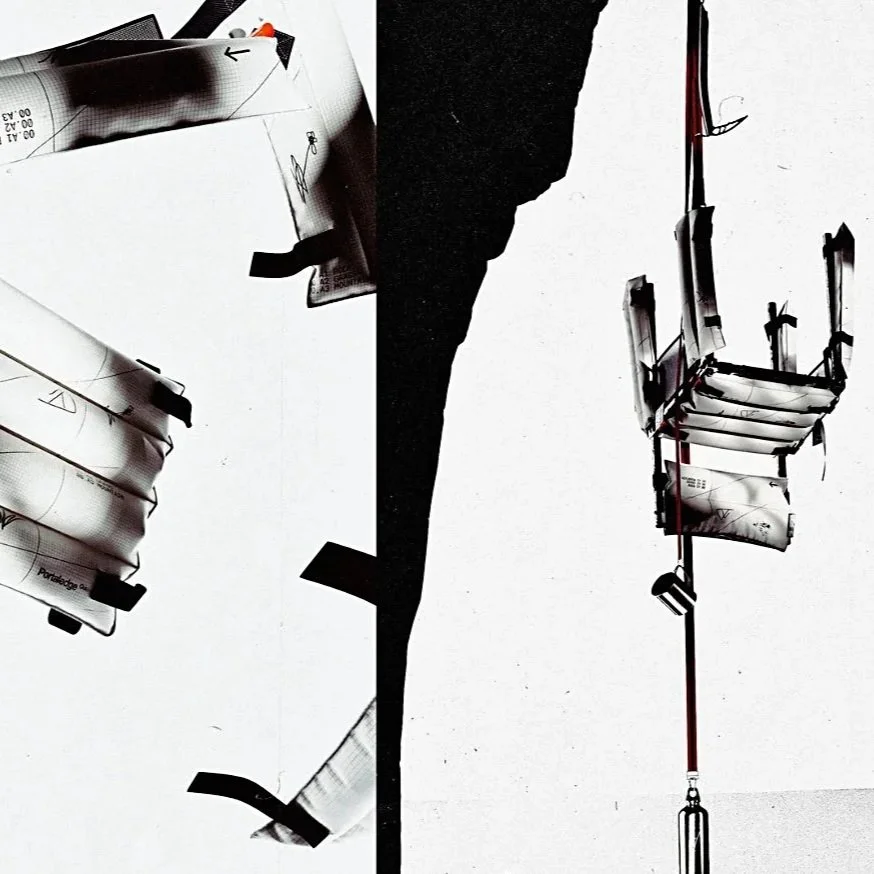
What are we craving Ultimately?
The instinct to slow down while simultaneously optimising every measurable aspect of life isn't a passing curiosity. It's a structural response to a world that feels increasingly unstable, and it's reshaping what people expect from their homes, hotels, workplaces and healthcare environments alike.
For the design and manufacturing sectors, this means rethinking both product and process.
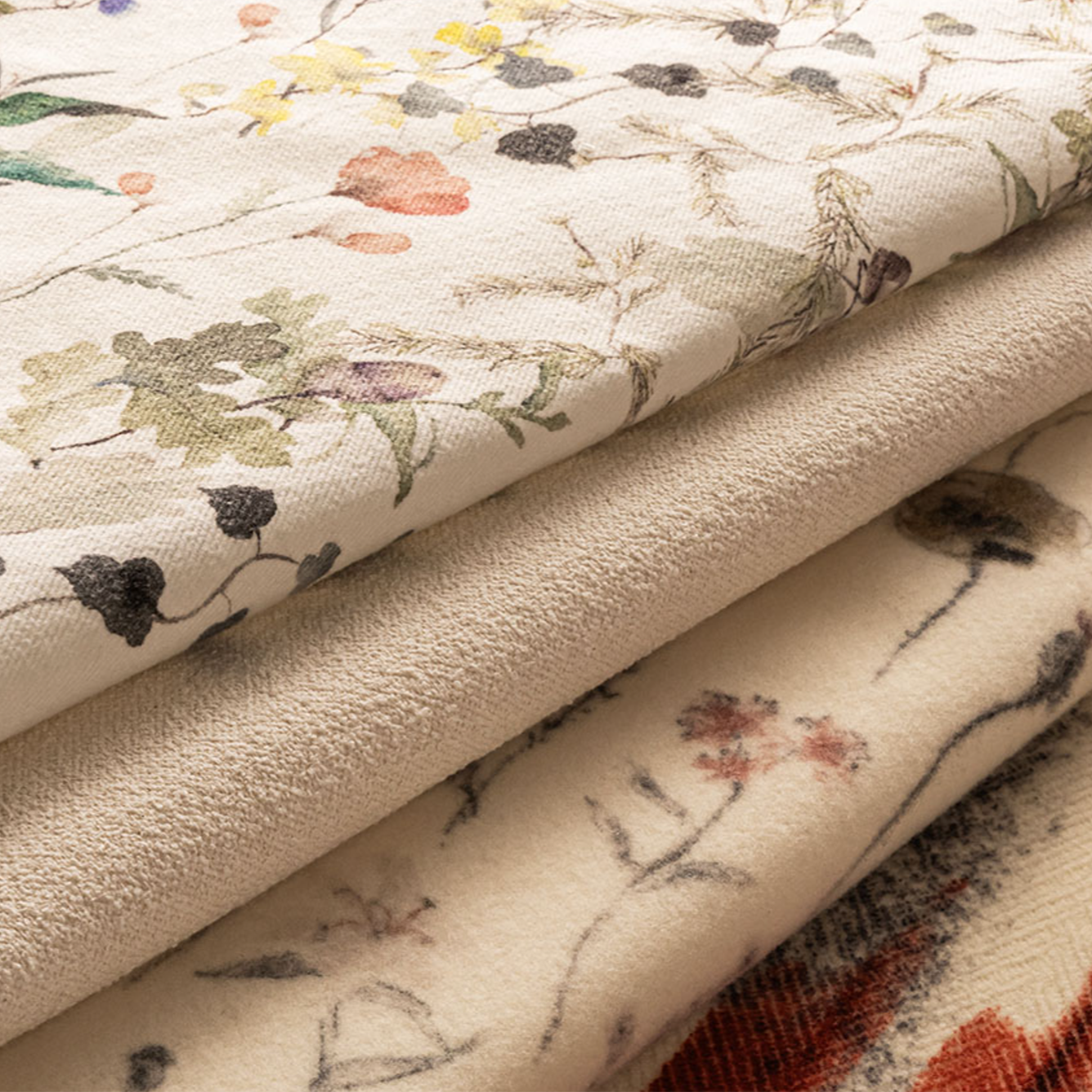
The Structual Shift is Real and its Already Here
Volumes are moving east, where digital production is accelerating rapidly. Consumer behaviour has shifted.
Demand is now driven by personalisation, shorter buying cycles, and an expectation of near-instant responsiveness. Regulatory pressure is intensifying, with supply chain transparency now a legal and commercial fact in many markets. And margins? They are under sustained, structural pressure.
This is not a temporary disruption. It is a fundamental reordering of how textile manufacturing must operate.

The Challenge: Standing Firm as the Industry Shifts
The wallpaper landscape has changed dramatically. Digital printing has lowered the barrier to entry, spawning countless direct-to-consumer brands and pushing much of the market towards faster, cheaper production.
At the same time, manufacturing in the UK has grown steadily harder - rising minimum wage, national insurance, energy and substrate costs all bear down on margins. Surface Print have embraced all of these challenges - and stand resolutely prepared for the future.
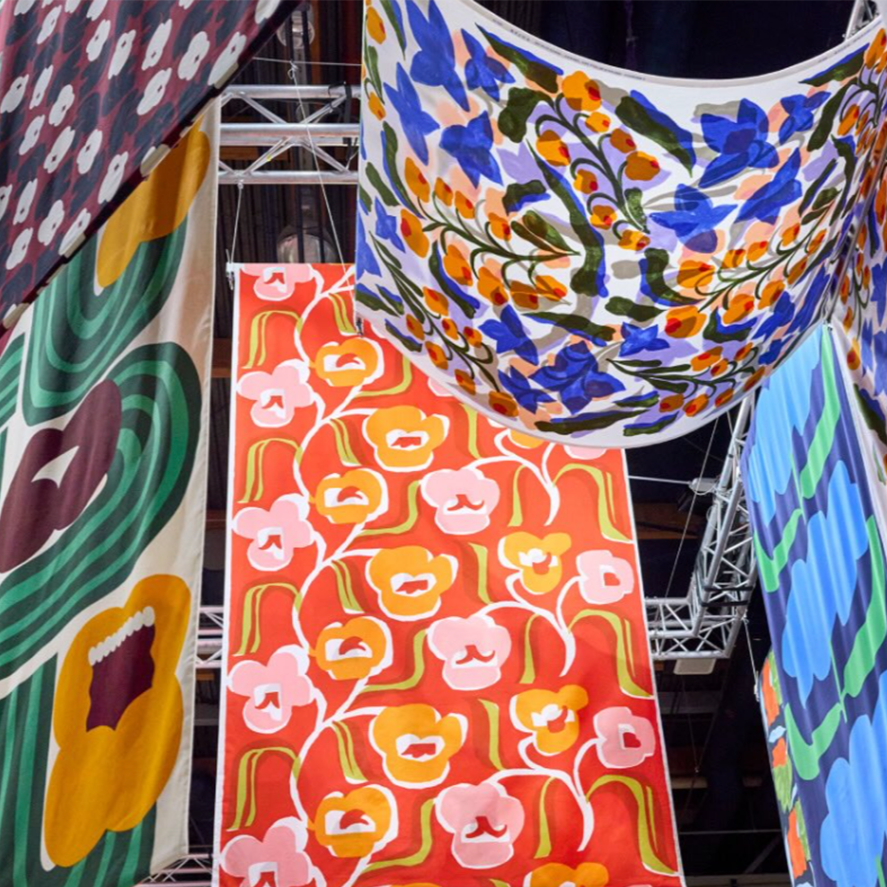
From Helsinki's printing mill to Paris's Le Marais, discover how Marimekko is scaling a design-led brand with purpose, craft, and bold innovation.
But what makes Marimekko's story compelling is not just its aesthetic legacy?

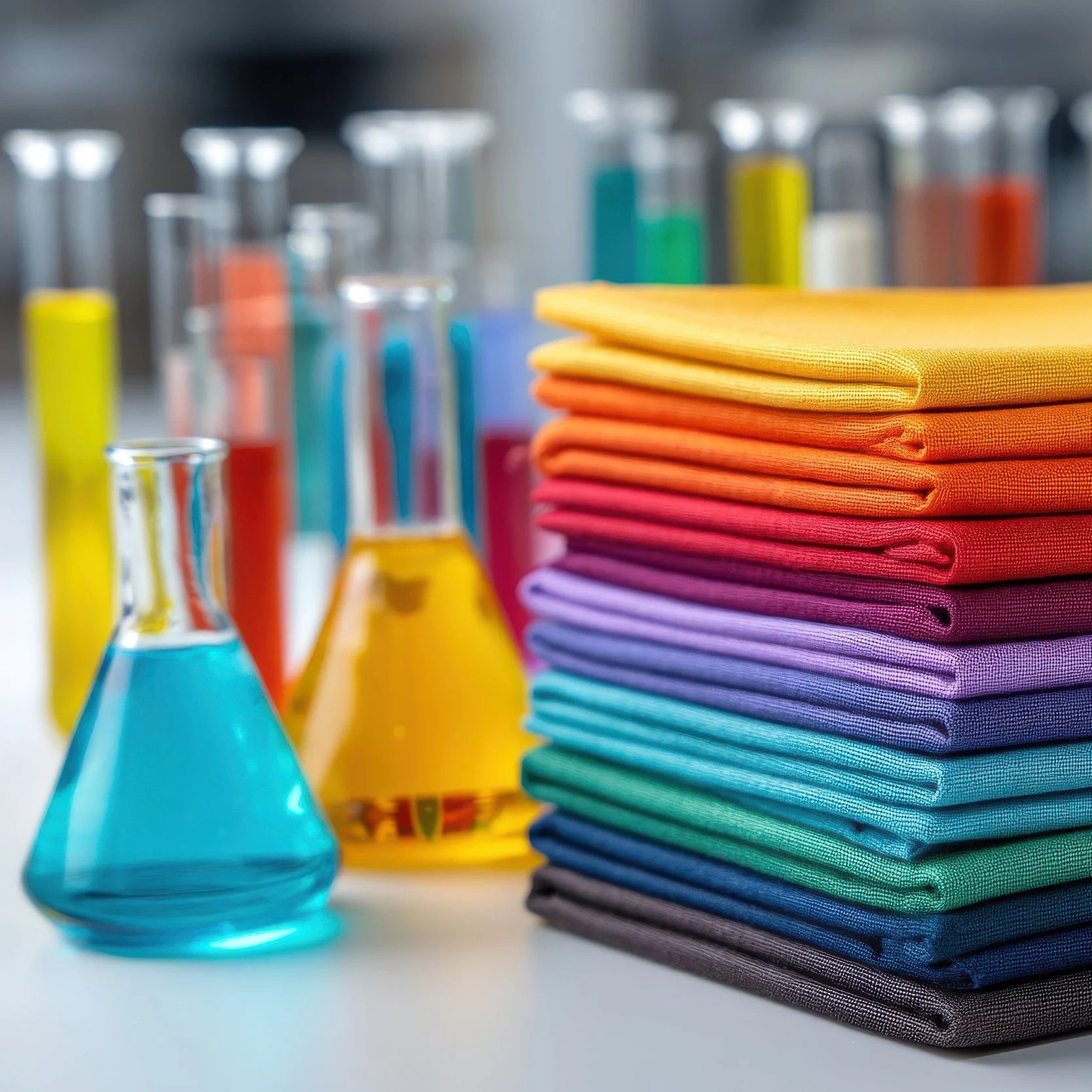
The word "toxic" carries weight. It conjures danger, harm, and things best avoided.
“Yet in the textile industry - Where between 3,000 and 10,000 chemicals move through the supply chain, a reflexive fear of the term is one of our biggest obstacles to progress.”
This article distils the key takeaways and what buyers, designers, and brands should be asking right now.
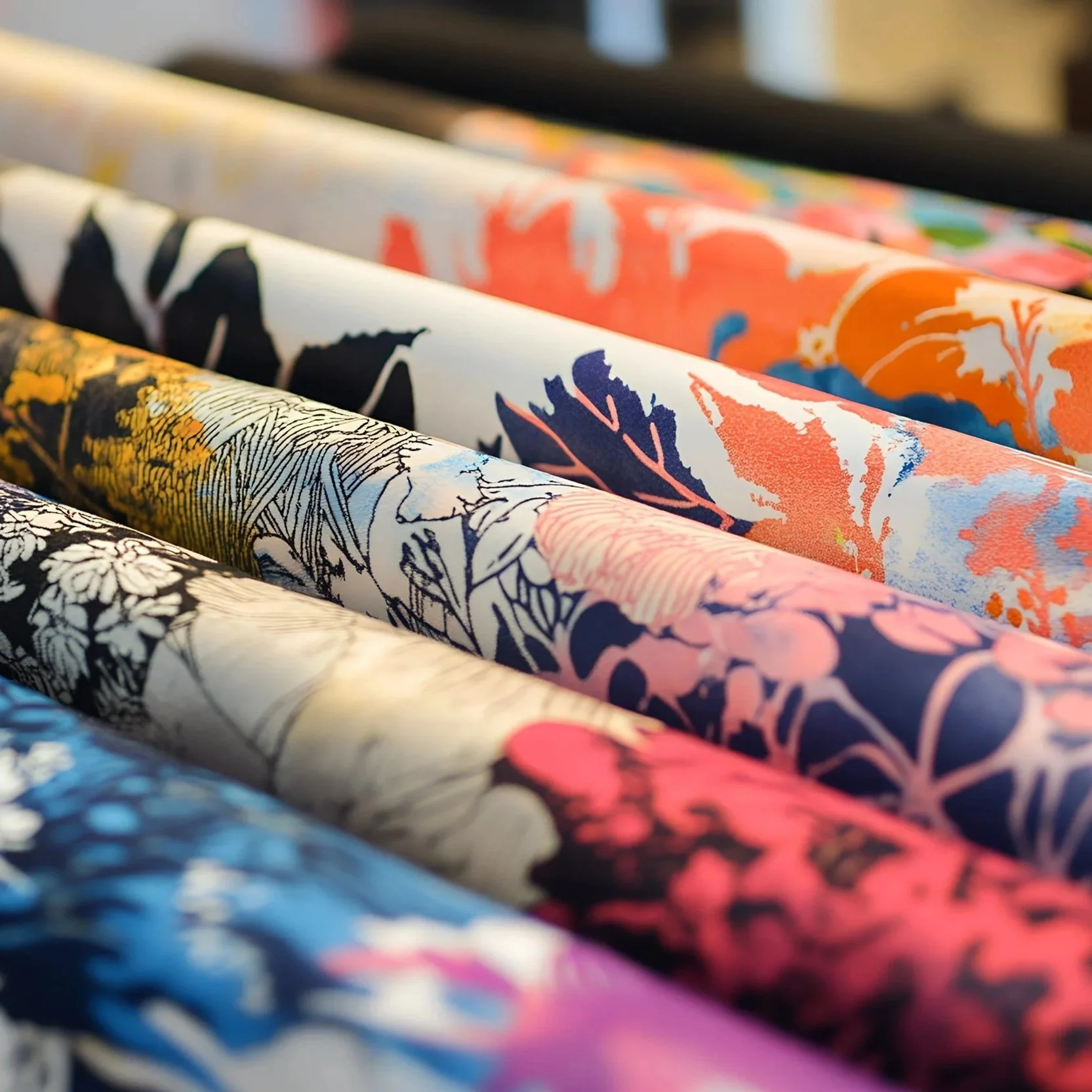
What Is the Digital Product Passport?
At its core, a Digital Product Passport is a digital record attached to a physical product - For a printed textile product, this means the DPP would capture data on the substrate, inks and dyes used, the printing process and technology, chemical compliance, environmental impact (including water and energy use), supply chain traceability, and end-of-life instructions.
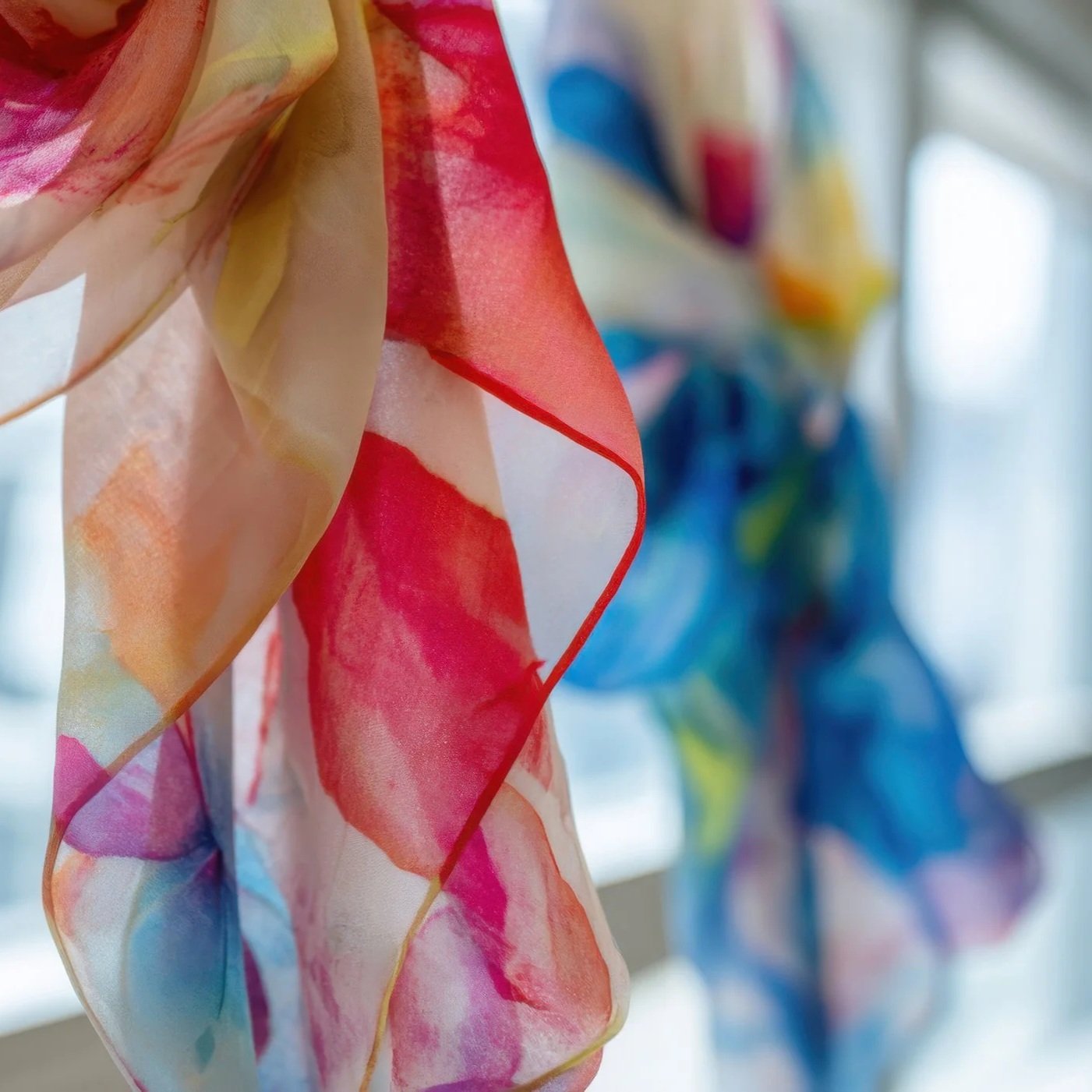
The Market Gap that Changed Everything
Future Fashion was founded in 2019, timed deliberately to coincide with a pivotal moment in global textile technology: the commercial launch of the EFI Reggiani BOLT Single-Pass digital printing system.
The founders recognised that single-pass architecture had fundamentally changed what was industrially possible - and that Pakistan's domestic market had yet to catch up.

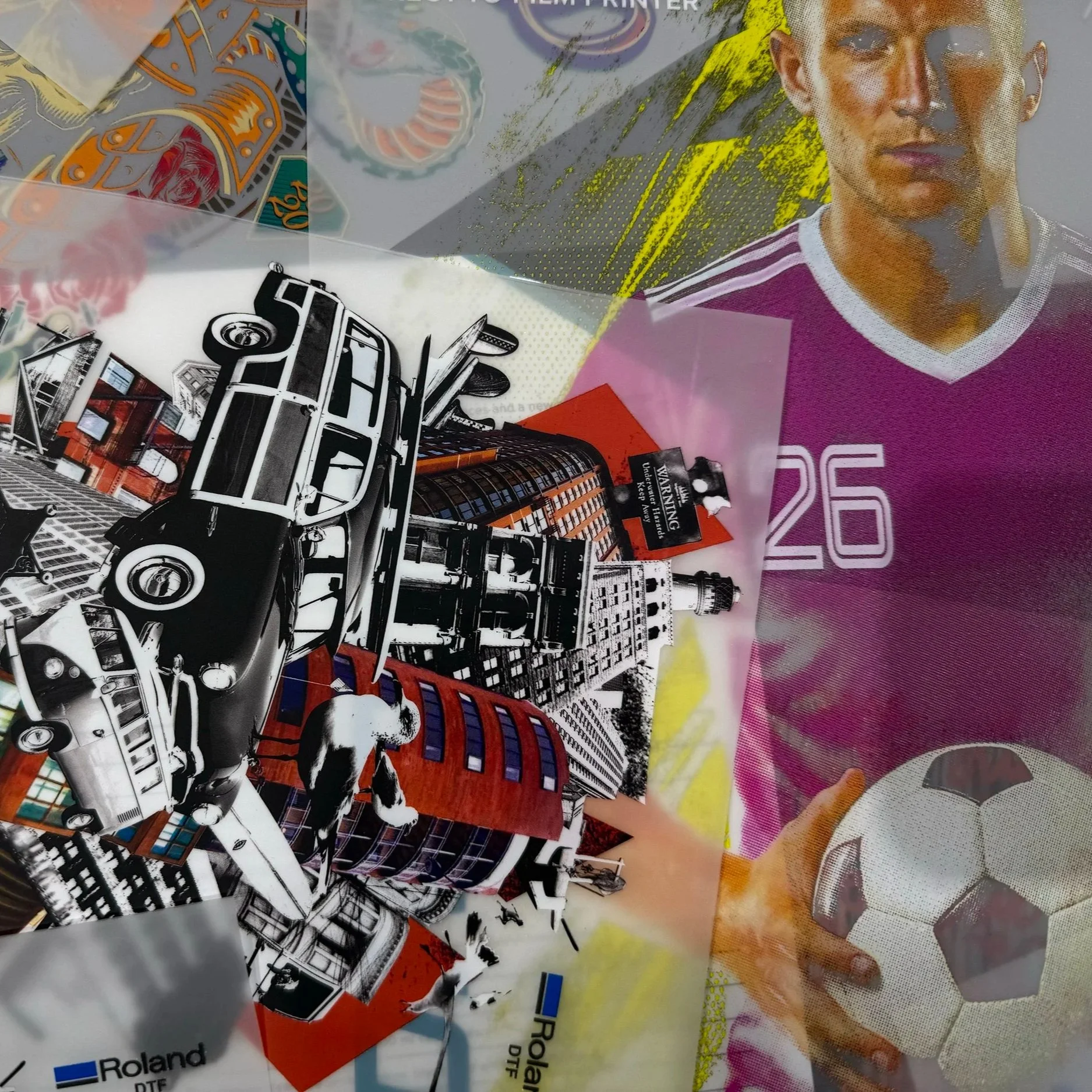
Print is no longer defined by the inefficiencies that once characterised it…as advances in production processes and technology have significantly improved its environmental performance.
Taran Rai, Corporate Sustainability Manager at Epson explains why?
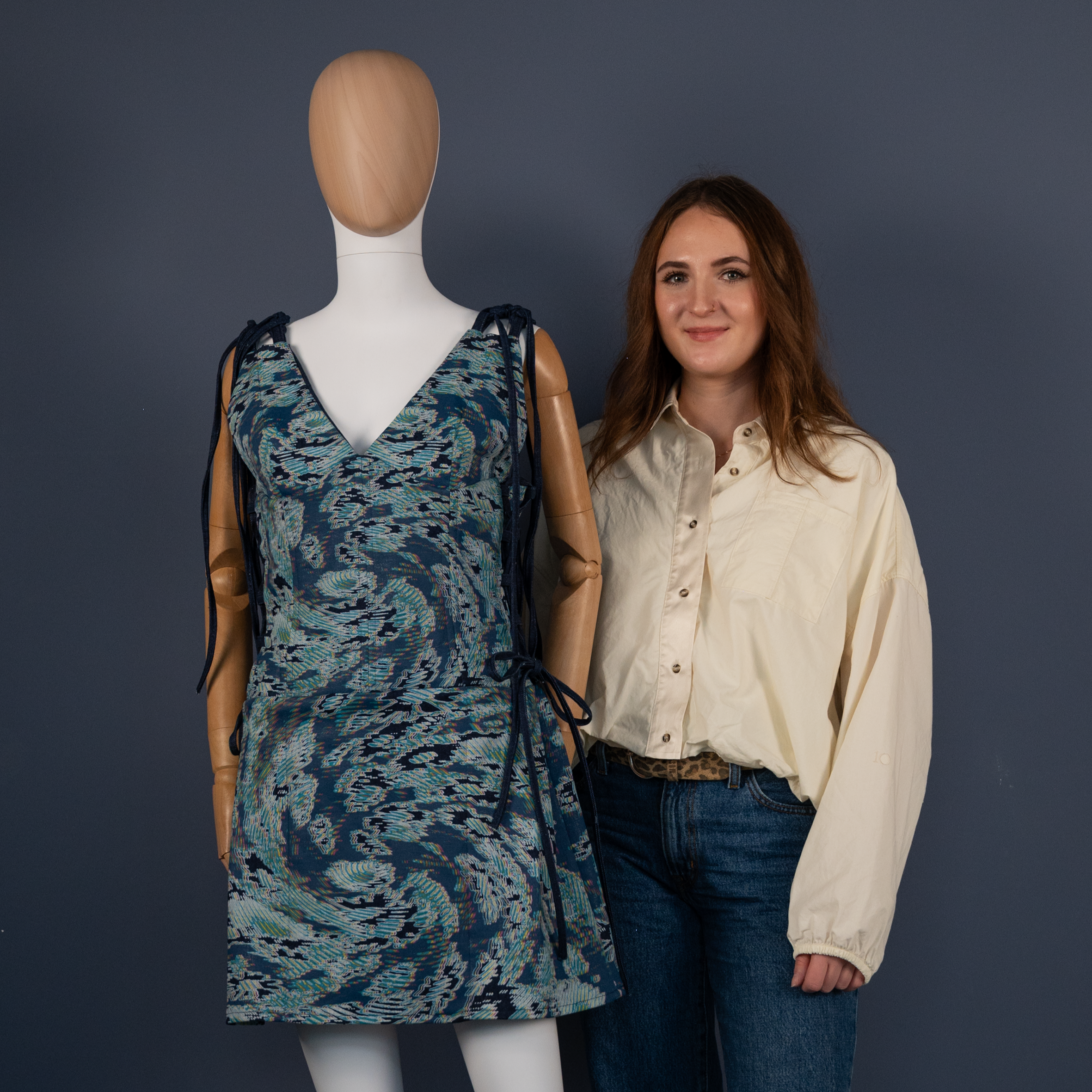
The story of what happens when young designers access digital technology is still being written.
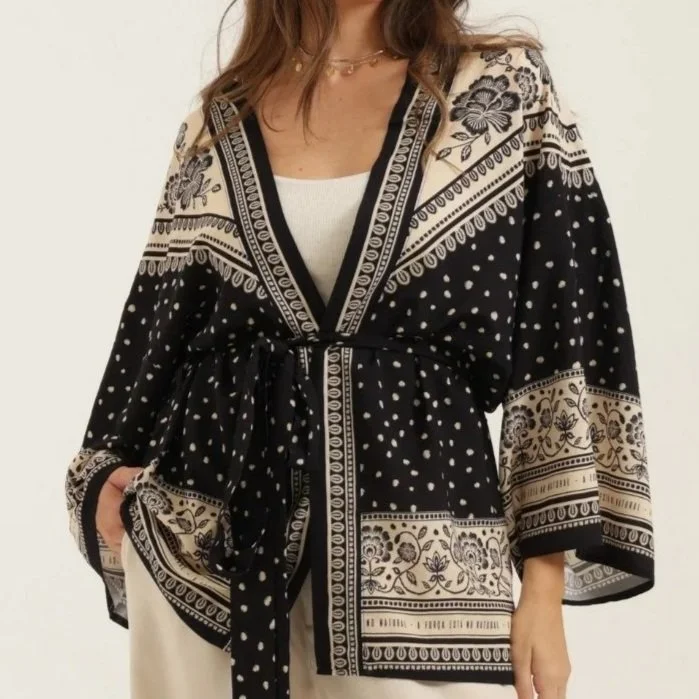
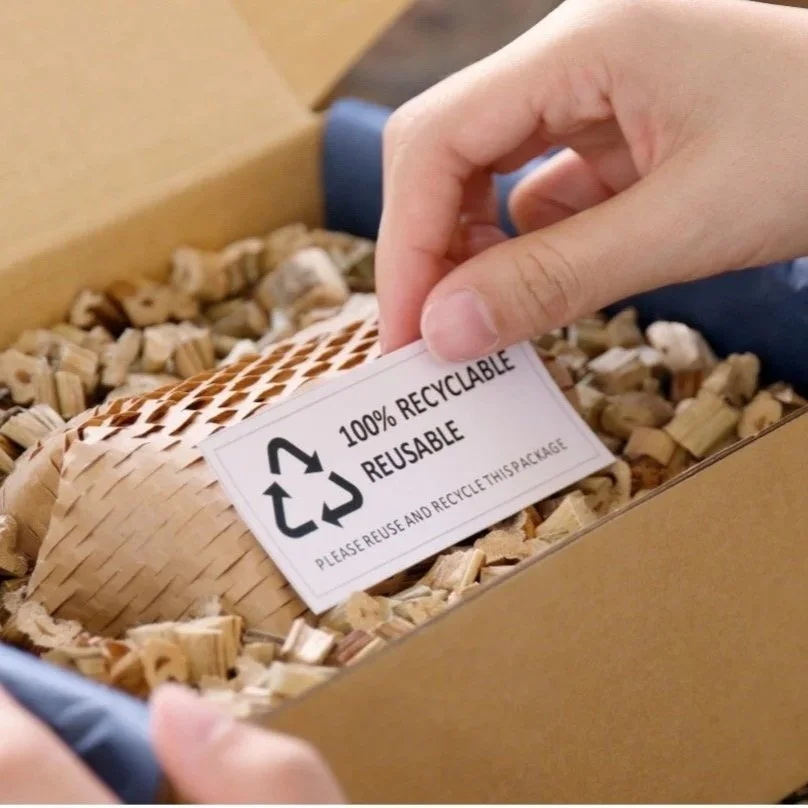
What once was a theoretical sustainability goal seems to have shifted into an active regulatory reality.


Is the Textile Market Finally Recovering?
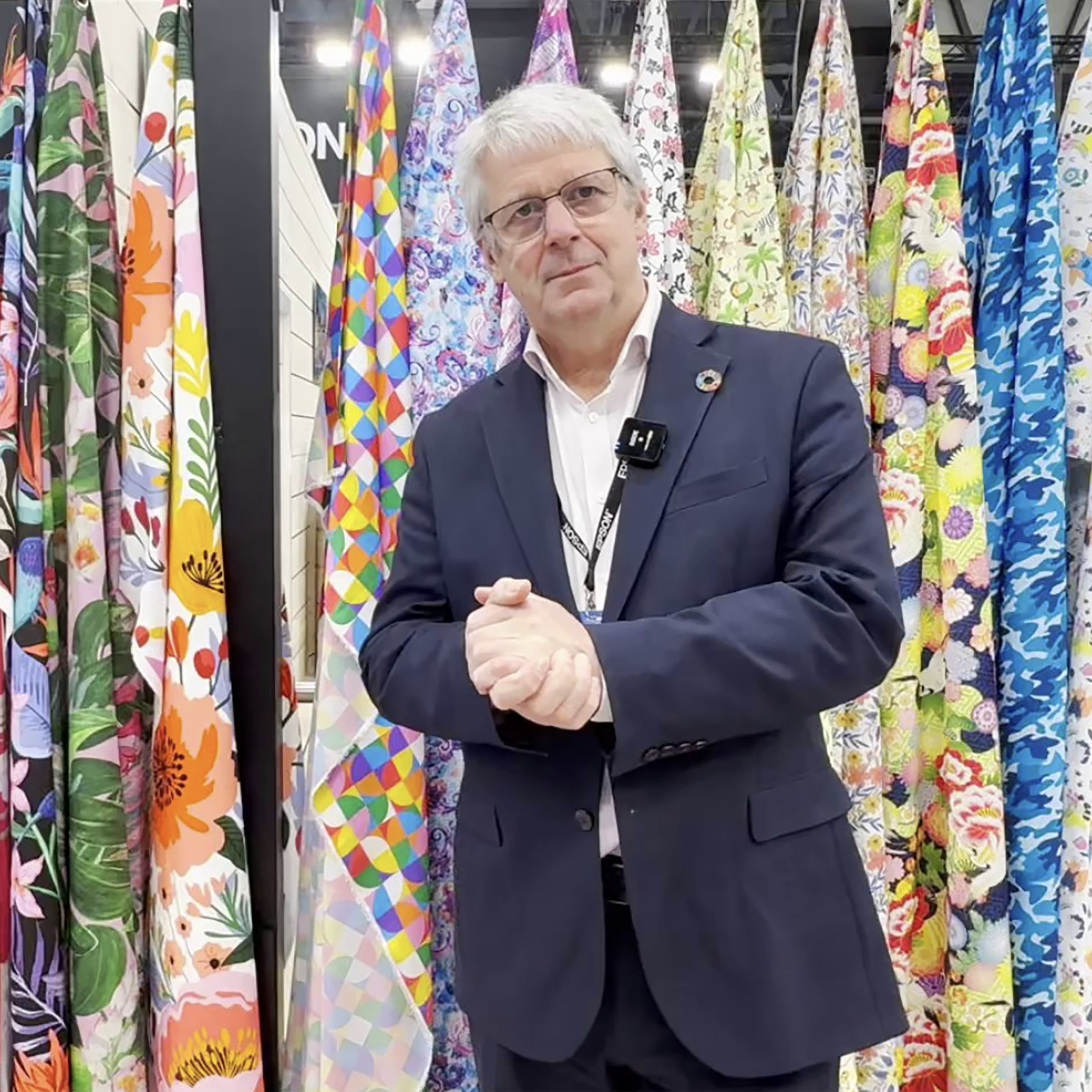
After a difficult few years, there are genuine reasons for optimism. Duncan was candid about the challenges: "The market for textiles has been very difficult over the last three years. I'm not going to hide the truth there. But the tide is turning.“
A profound shift is currently reshaping the sector
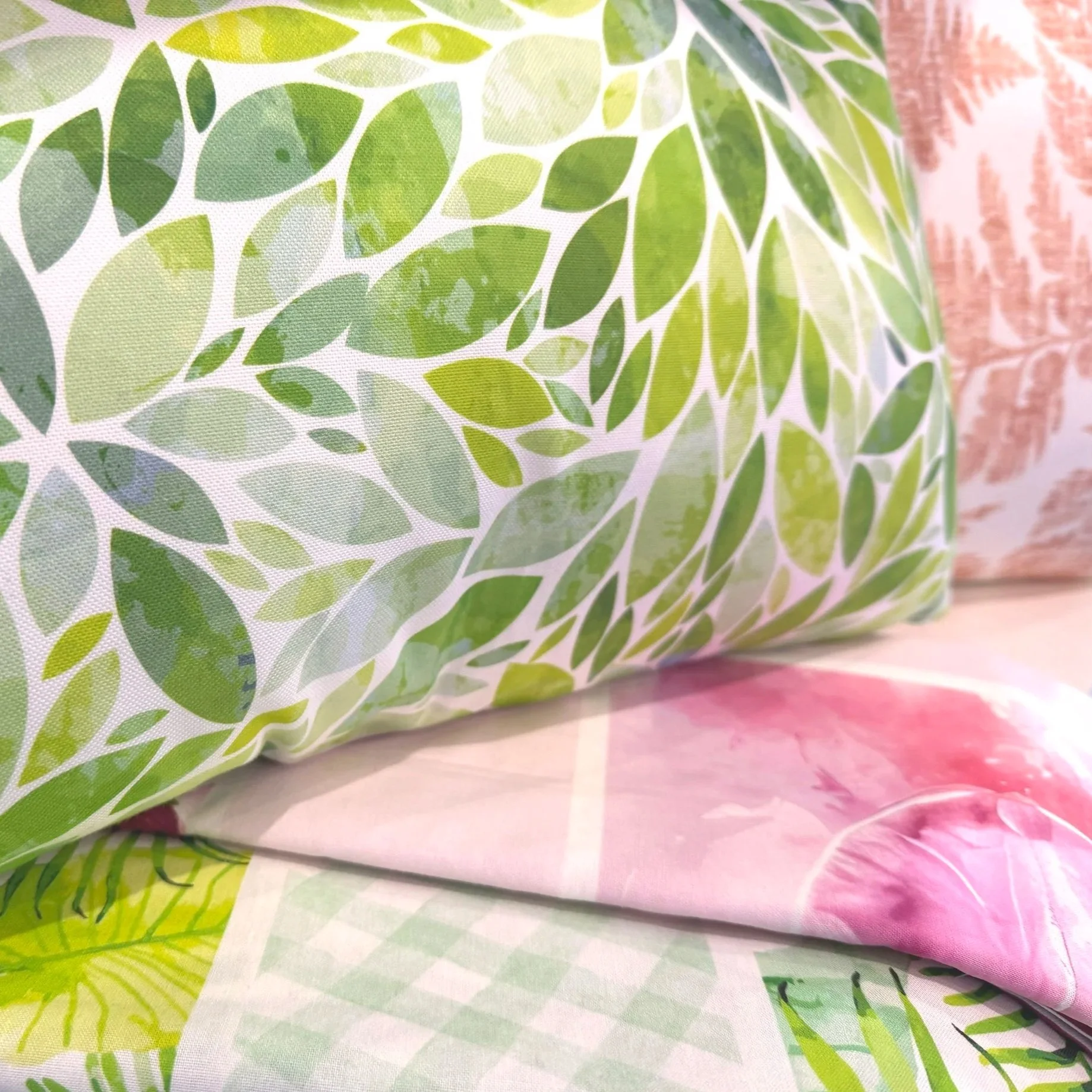
Changing consumer expectations demand greater design diversity, faster turnaround times, and sustainable manufacturing practices.
To thrive, interior brands must adapt their supply chains, bringing production closer to the end consumer and moving away from bulk manufacturing.
Digital textile printing offers a definitive solution to these operational bottlenecks.

Digital transformation doesn't announce itself.
It accumulates - one innovation at a time - until an entire industry looks back and realises the ground has shifted beneath its feet. That's precisely where textiles stands today.
The conversations happening now about AI, automation, sustainability, and digital product passports are not theoretical. They are shaping decisions being made on factory floors and in boardrooms right now.

“By leveraging advanced digital textile printing, Marylene Madou has successfully merged traditional craftsmanship with cutting-edge technology. Her approach offers a blueprint for how independent designers can scale their brands globally while maintaining a minimal environmental footprint.”
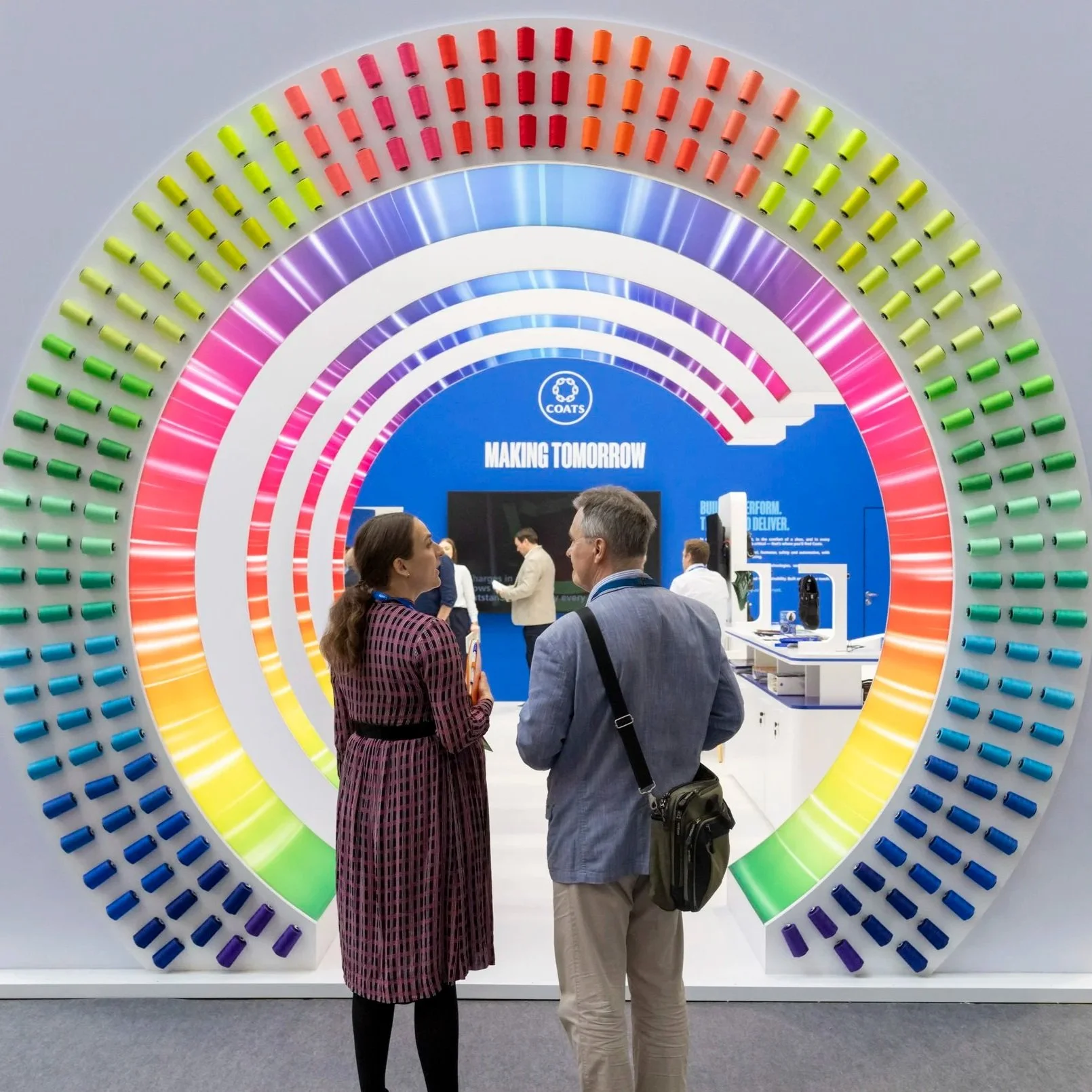
The textile industry is undergoing a vital transformation. As the insights from Techtextil and Texprocess reveal, the path forward relies on a combination of sustainable hardware, intelligent chemistry, and seamless digital workflows.
From Zimmer's industrial-scale energy reductions and Stratasys's on-demand 3D embellishments, to Kornit's single-step technical printing and the unified digital ecosystems of NedGraphics and Optitex, the tools for change are here. To stay competitive, brands and manufacturers must adopt these innovations, moving away from fragmented, wasteful processes towards a truly connected, circular economy.

Lorem ipsum dolor sit amet, consectetur adipiscing elit. Vestibulum id ligula porta felis euismod semper.


Sed purus sem, scelerisque ac rhoncus eget, porttitor nec odio. Lorem ipsum dolor sit amet.

Vivamus pellentesque vitae neque at vestibulum. Donec efficitur mollis dui vel pharetra.

Praesent id libero id metus varius consectetur ac eget diam. Nulla felis nunc, consequat laoreet lacus id.

Donec id justo non metus auctor commodo ut quis enim. Mauris fringilla dolor vel condimentum imperdiet.

Commodo cursus magna, vel scelerisque nisl consectetur et. Donec id elit non mi porta gravida at eget metus.

Lorem ipsum dolor sit amet, consectetur adipiscing elit. Vestibulum id ligula porta felis euismod semper.

Commodo cursus magna, vel scelerisque nisl consectetur et. Donec id elit non mi porta gravida at eget metus.