
Industry Insights & Opinion
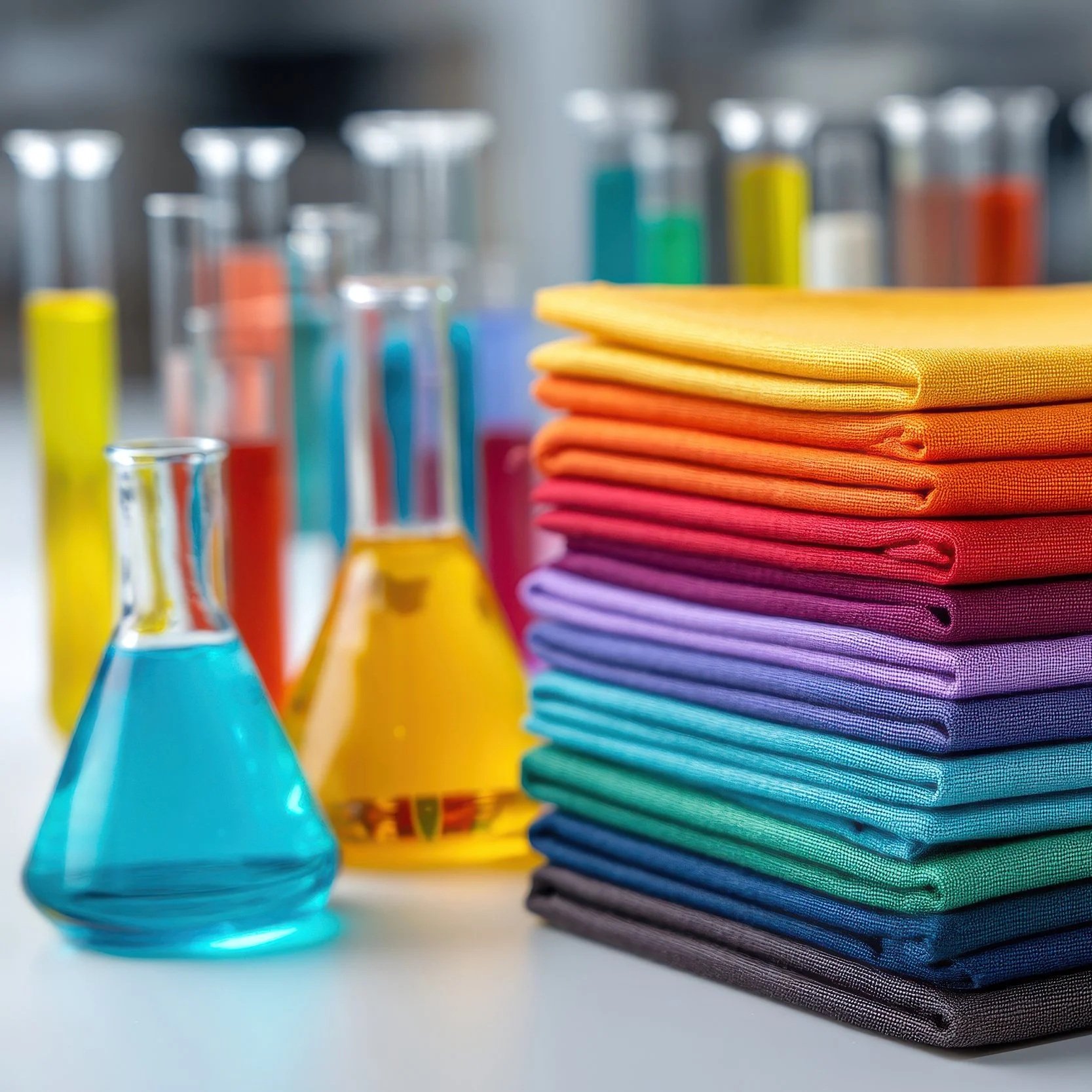
Unpacking Toxicity in Textiles: Myths, Facts, and Solutions
The word "toxic" carries weight. It conjures danger, harm, and things best avoided.
“Yet in the textile industry - Where between 3,000 and 10,000 chemicals move through the supply chain, a reflexive fear of the term is one of our biggest obstacles to progress.”
This article distils the key takeaways and what buyers, designers, and brands should be asking right now.

INDUSTRY OPINION: Autopsy of a Transition that Never Happened and The Material State of the Textile System
“2025 did not constitute a transition year. It constituted a consolidation of narrative capability”.
“The system became better at explaining why change was underway, better at projecting inevitability, and better at managing contradiction. It did not become better at altering fibre composition, reducing throughput, or decarbonising production at scale.”
Shivam Gusain - Founder at Decypher
INDUSTRY OPINION: The Annual Report of Avoiding the Obvious: Is the Fashion Ecosystem Really Making Significant Environmental Progress?
What work was actually done and what work was not?
“Brands need to do the work that actually reduces emissions rather than the work they find interesting, exciting or convenient. Do the work that matters. Fix the processes that carry the load. Touch the machinery you have spent years avoiding.”
Shivam Gusain - Founder at Decypher

INDUSTRY OPINION: The Surplus Strikes Back! People in fashion like to talk about waste in terms that can be seen
Waste is still too often treated as a matter of what happens at the end of the value chain, as though the real problem begins only once a garment is unsold or discarded.
In reality, the damage is already baked in much earlier. If one fifth of production volume is destined never to reach a consumer, then one fifth of all the energy, water, chemistry, and labour that went into that production is squandered the moment the order is placed.
Shivam Gusain - Founder at Decypher
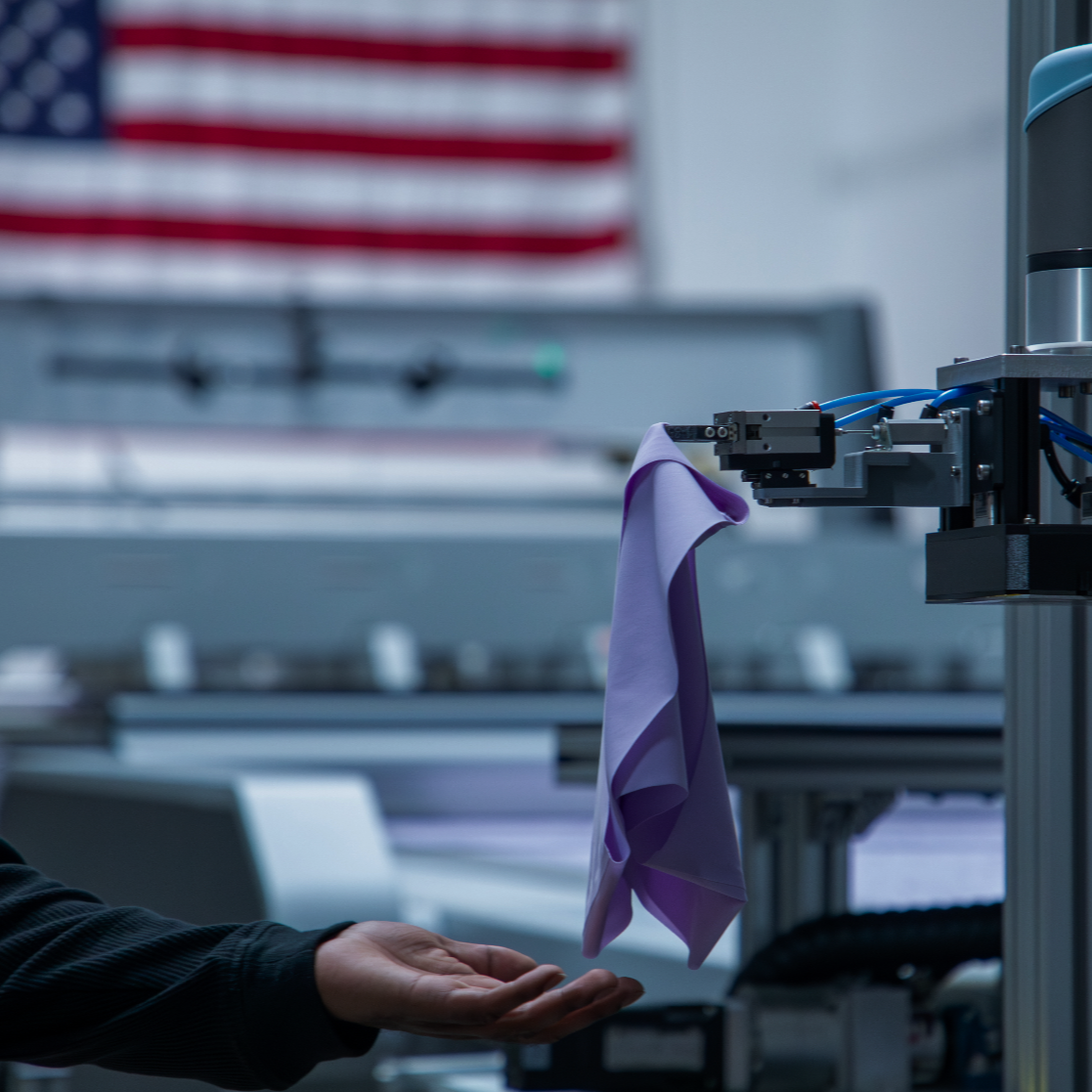
THE FUTURE OF FASHION: How Robotic Automation and Digital Adhesives Are Revolutionising Apparel Manufacturing
By bringing manufacturing closer to home, brands can respond to trends in real-time, drastically improve their sell-through rates, and operate with a far lighter environmental touch. CreateMe’s approach aligns perfectly with the macro trend towards distributed, on-demand production, offering a blueprint for a more agile, efficient, and sustainable future.

TECHNOLOGY SPOTLIGHT: Competitive Advantage - Why Technology Adoption Cannot Wait
The technologies and innovations showcased in recent product launches via Texintel represent more than incremental improvements—they constitute a fundamental reimagining of how textile manufacturing can and should operate.

FUTURE VISION: New Developments and Market Trends Reshaping Decor and Apparel Manufacturing for 2026 and Beyond
Transforming Textiles: What began as a digital transformation driven by consumer demands for personalisation and shorter lead times has evolved into a fundamental restructuring of how printed textiles are conceived, designed, and manufactured. As we advance towards 2026, digital textile printing has emerged as the cornerstone of a new manufacturing paradigm that prioritises sustainability, efficiency, and technological integration.

INNOVATION: AI-Driven Transformation: 5 Game-Changing Strategies for Textile Print Businesses
The question facing every textile printing business today isn't whether to adopt AI, but how quickly and strategically they can transform their operations to capture its full potential.
"The real opportunity lies in what industry experts call "AI-powered strategic thinking"—using artificial intelligence not just to do things faster, but to fundamentally reimagine how your business operates, creates value, and serves customers” - Debbie McKeegan | Texintel
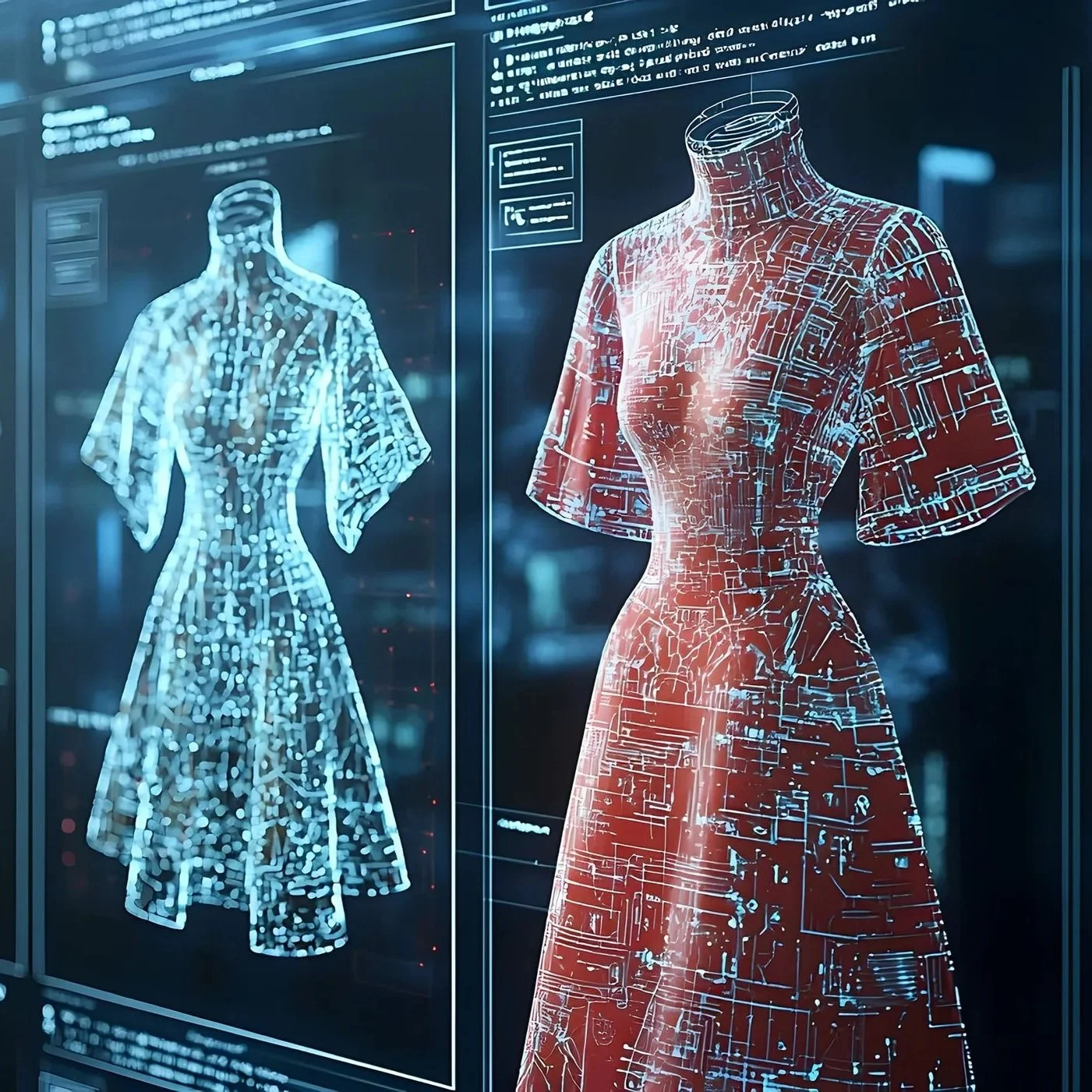
INDUSTRY DEBATE: Building Resilient Textile Industries: Does the Tech Revolution offer a Lifeline?
Fashion needs a Reinvention and a Restructure of existing Supply Chains.
“The most successful companies will likely be those that combine technological sophistication with values-driven partnerships, geographic diversification with local expertise, and operational efficiency with environmental responsibility. As these industry leaders demonstrate, the future belongs to organisations that can navigate complexity whilst maintaining focus on long-term value creation...”
"Traditional supply chain factories try to do a plug and play, and it doesn't necessarily work." Joey Pringle - Vision Factory
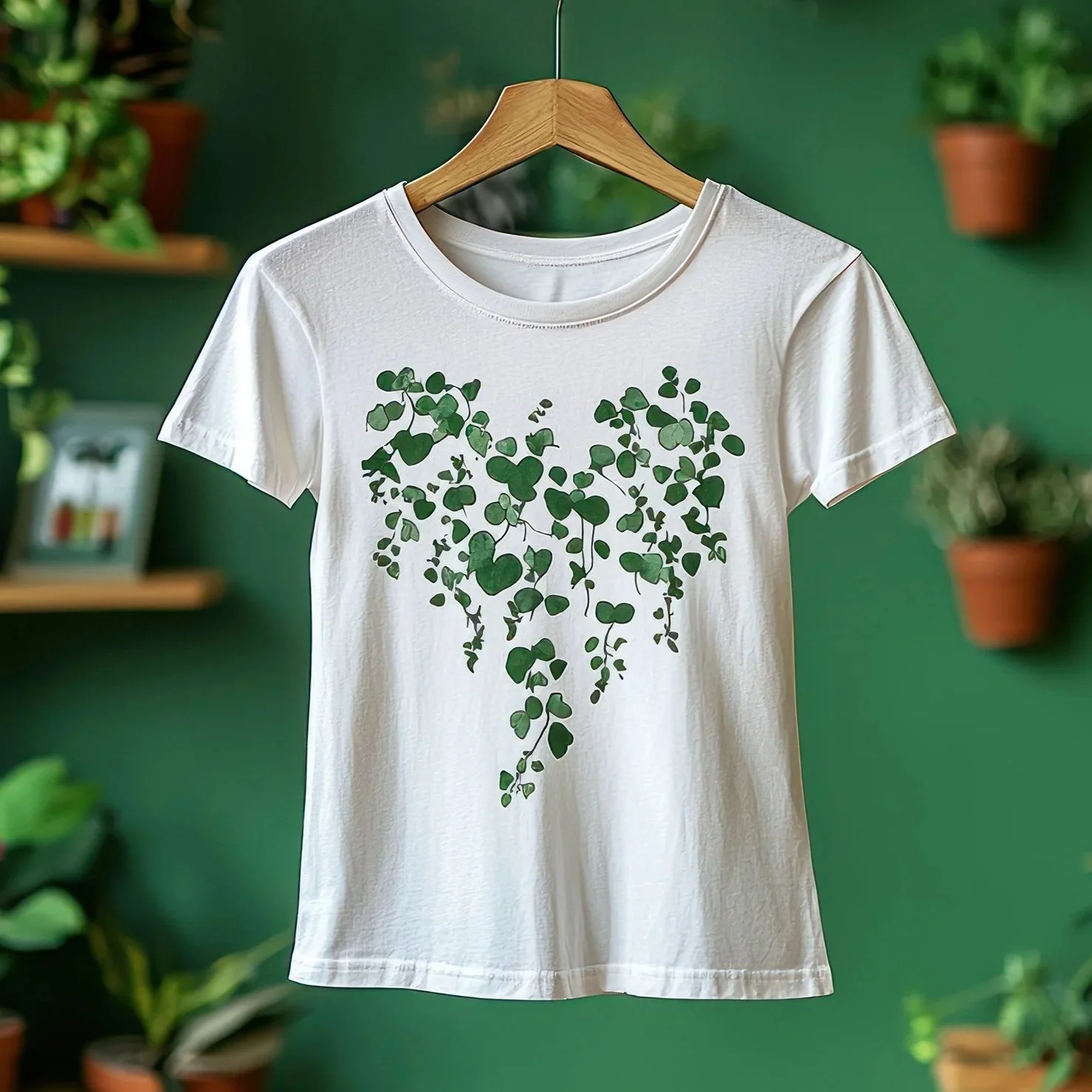
RESEARCH: Do You Really Get What You Pay For? New Study Reveals Price is Not a Reliable Indicator of T-Shirt Durability
This research, once again highlights an urgent need for a fundamental re-evaluation of the fashion supply chain's cost analysis.
The focus must shift from short-term cost savings to long-term sustainability and value creation. Investing in higher-quality materials and improved manufacturing practices will not only enhance garment durability but also enable true circularity, reducing environmental impact and waste. These changes will pave the way for a more responsible and future-proof textile industry.
INDUSTRY INSIGHTS: Why Compliance and Regulation Offers a Generational Opportunity to Build a Sustainable Manufacturing Ecosystem
Amidst mounting regulatory pressures and increasing consumer demands for transparency, many manufacturers view compliance as a burden. Yet a closer examination reveals something far more significant: a once-in-a-generation opportunity to transform how we produce, trade, and consume textiles.
The future belongs to those who transform compliance into competitive advantage, turning regulatory requirements into roadmaps for sustainable success.
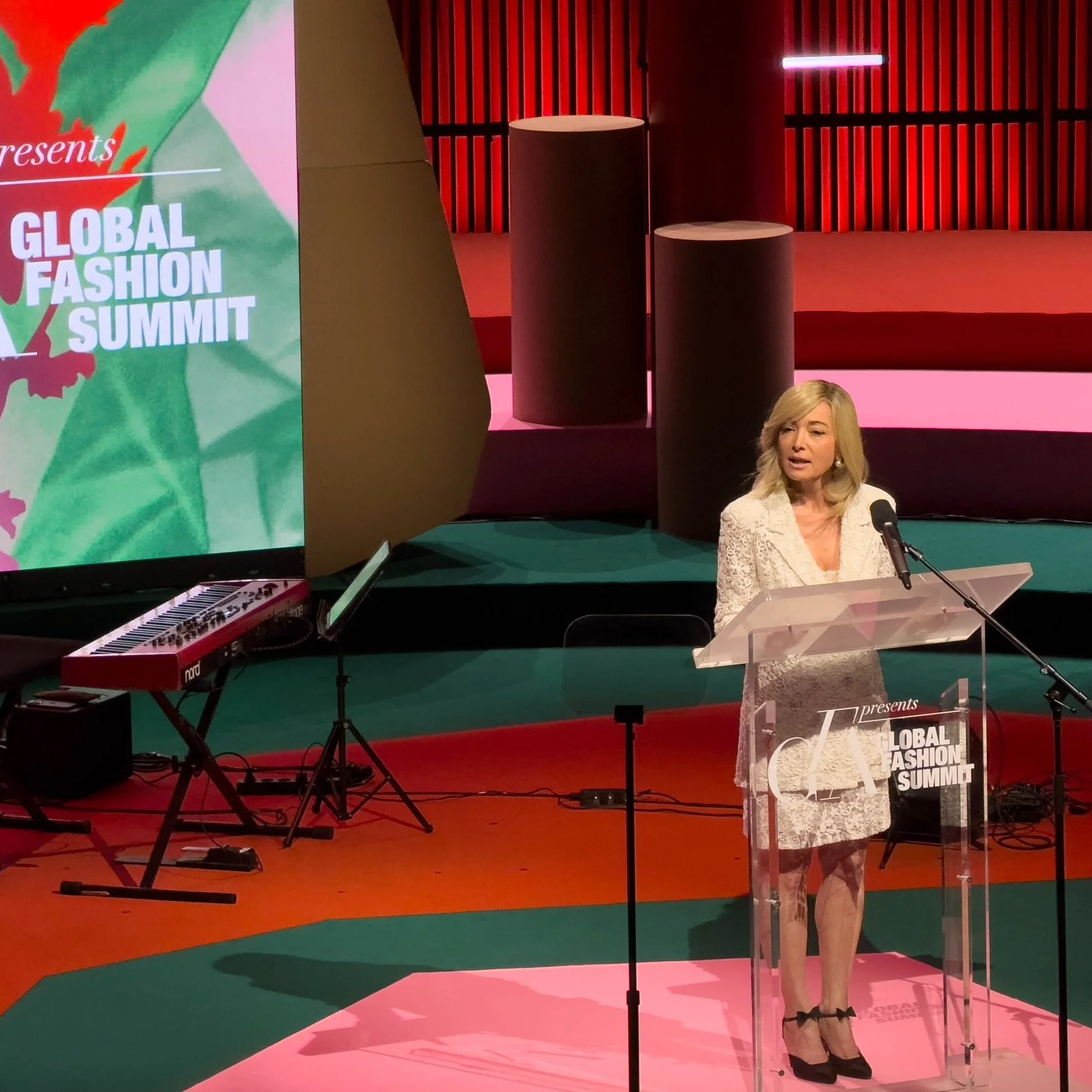
Barriers and Bridges: Key Insights from the Global Fashion Summit - Copenhagen 2025
Barriers and Bridges: Key Insights from the Global Fashion Summit 2025
"The Summit set the stage with sobering statistics about climate change. With 150 extreme weather events in 2024 affecting 3.6 billion people globally, the urgency for sustainable practices couldn’t be more critical. Fashion’s role in this crisis is profound, from its resource-intensive production processes to its rapid consumption cycles." says Debbie McKeegan, FESPA Textile Ambassador.
REPORTS: The Economic Impact of Branded Clothing Retail in the EU27 - Oxford Economics Report Highlights Sector’s Contribution to GDP and Employment
KEY FINDINGS:
Economic Contribution: The branded clothing retail sector contributed €331.8 billion to the EU’s GDP, accounting for 2% of total GDP, and supported 4.5 million jobs, equivalent to 2% of total employment in the EU.
Employment: The sector directly employs 1.3 million people, with an additional 3.2 million jobs supported indirectly and through induced effects. Notably, 63% of employees in the sector are women.
Global Trade: The EU is a major player in global trade for branded clothing products, ranking as the largest importer of apparel (28% of global imports) and the second-largest exporter of bags (28%) and footwear (17%).
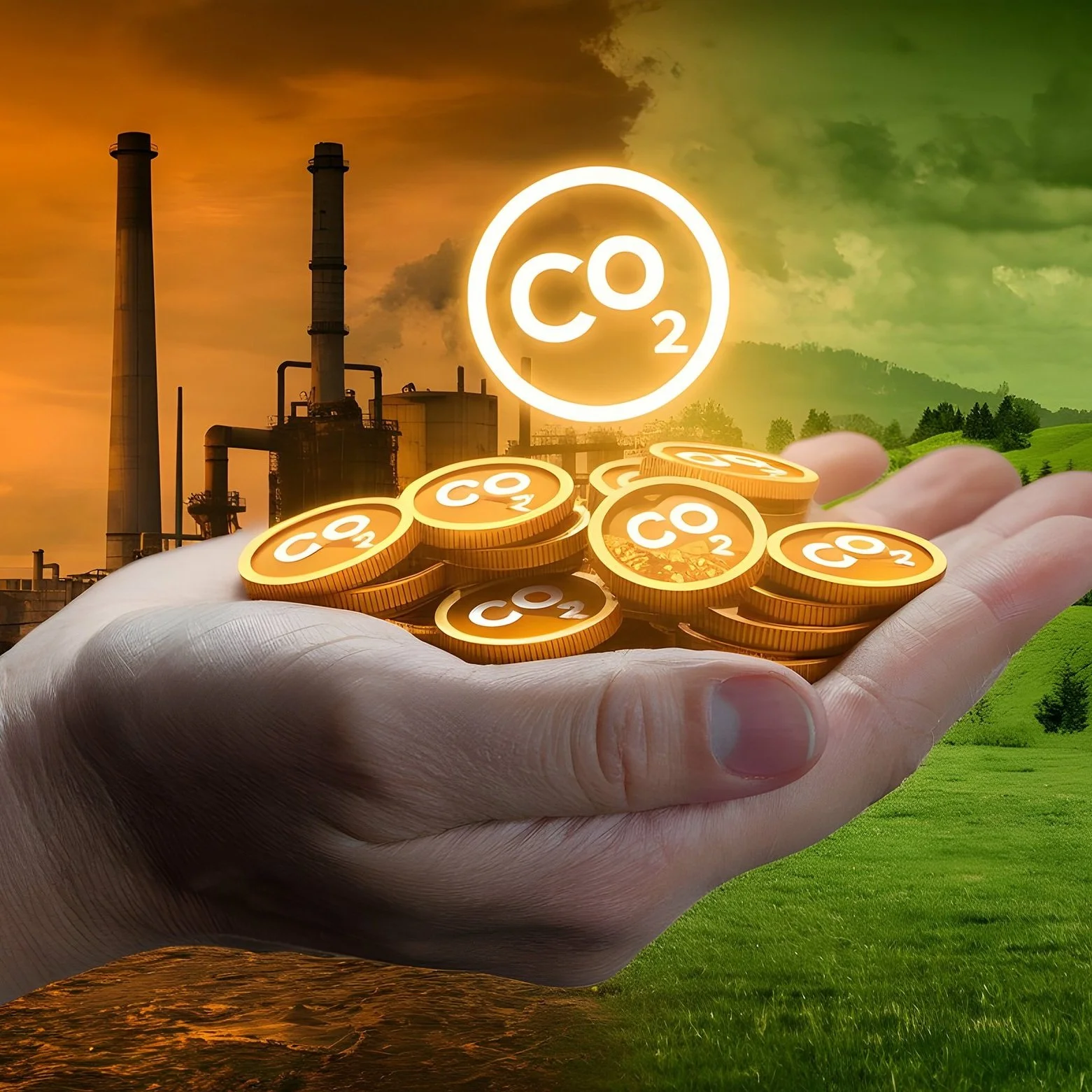
What’s the Real Price! What would your Profits look like if the Planet sent an Invoice?
There is no need to enforce behavioural change. There is no need to ban high-emitting activities or impose immediate penalties. The act of disclosure alone begins to shift the terrain. Because this is not a symbolic gesture. It is a new lens on value itself.
By forcing carbon risk into the structure of reported profit, this approach does what sustainability pledges never could.
Shivam Gusain - Founder at Decypher
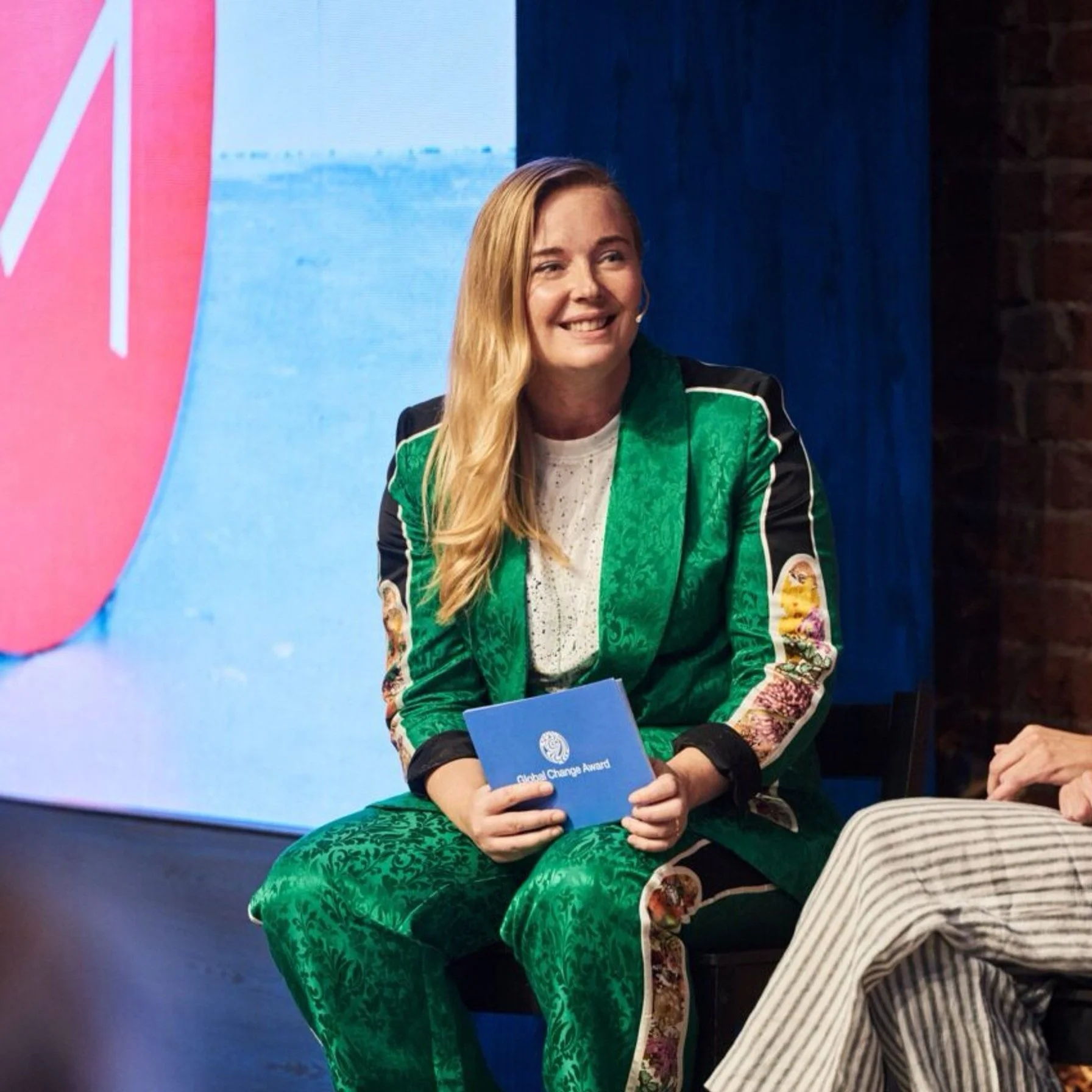
H&M GLOBAL CHANGE AWARD 2025: This year’s winners are not just solving problems; they’re rethinking the systems behind them
Each winner receives a €200,000 grant and joins the year long GCA Changemaker Programme, delivered by H&M Foundation with strategic partners Accenture and KTH Royal Institute of Technology. The programme supports winners with innovation coaching, systems thinking tools and leadership development to help bring their ideas closer to real-world impact.
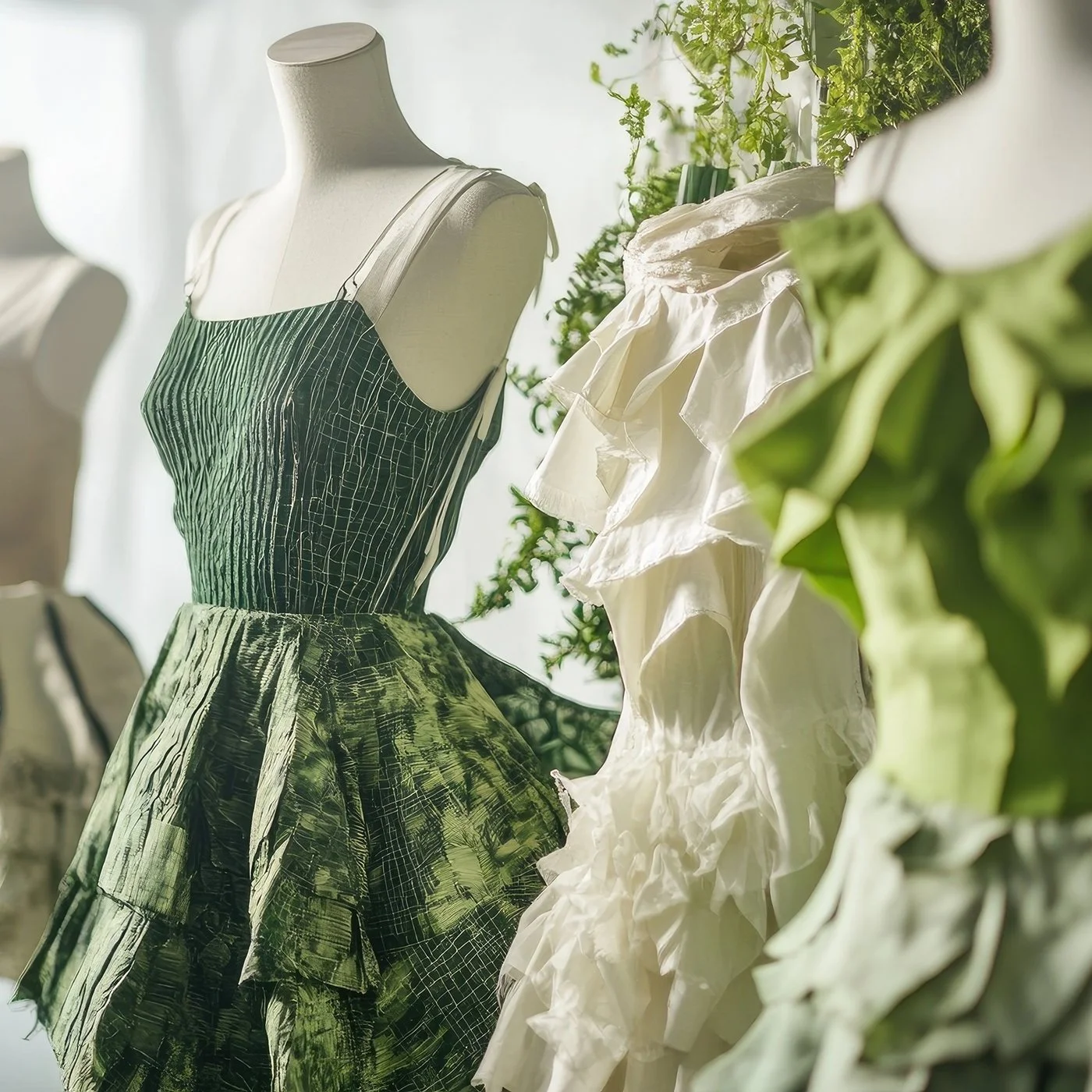
EARTH DAY: How Innovation is Creating a Sustainable Future for the Textile Industry, our Partners share their Insight
“On Earth Day, we reflect not only on the environmental challenges we face but also on the innovative ways the textile industry is rising to meet them. The textile sector, historically associated with high levels of resource consumption and waste, is undergoing a digital transformation. At the heart of this change? Digital textile printing, automation, and agile manufacturing practices. But how is the intersection of technology and sustainability shaping the future of the textile industry? We asked our peers and industry collaborators for their insights” Debbie McKeegan | CEO | Texintel