
Industry Insights & Opinion

FESPA INSIGHTS: Industry Experts Explore the Evolution of Smart Manufacturing in the Textile Industry
Smart manufacturing is no longer a concept of the future but a tangible reality driving today’s textile industry. By leveraging print automation, predictive analytics, and sustainable practices, businesses have the opportunity to achieve operational excellence while meeting evolving consumer expectations.
If your business is ready to take the leap into smart manufacturing, consider partnering with technology providers who align with your vision of sustainability and smart solutions. The era of agile production is here, and now is the time to embrace it.

FESPA SPOTLIGHT: Exploring Cutting-Edge Textile Printing Innovation with Mike Scrutton on Adobe PDF Print Engine 7
At FESPA 2025 in Berlin, Adobe made waves with the launch of its Adobe PDF Print Engine 7 update, stacked with significant applications to support the print industry, and offering a powerful suite of tools set to further enable the automation of many mundane functions that the printer must execute in printed production. Through advanced automation, enhanced colour management, and support for sustainable practices, Adobe Print Engine 7 sets a new benchmark for digital printing capabilities.
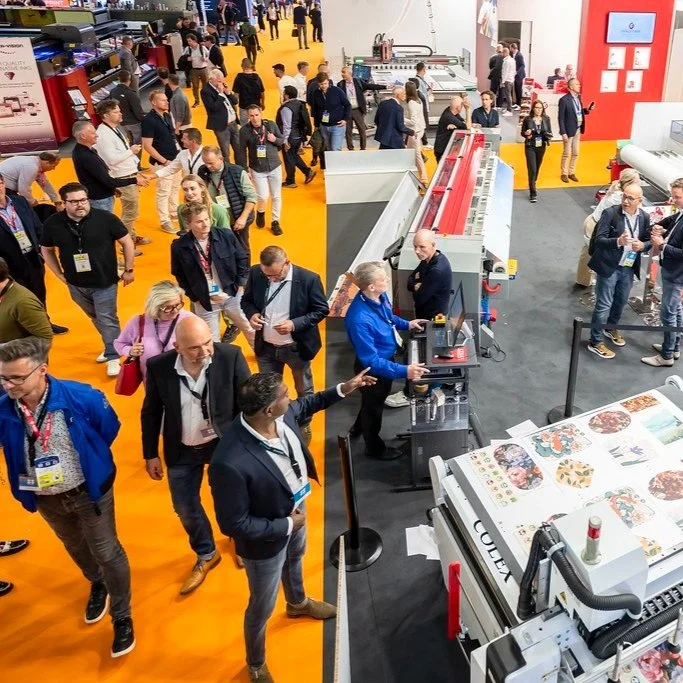
FESPA SPOTLIGHT: Insights, Innovations, Market Shifts and Key Takeaways from FESPA Berlin 2025
Fespa 2025 proved to be more than just a meeting point for industry leaders. It was a dynamic showcase of how innovation and application intertwine to push boundaries.
With personalisation and automation shaping the future and sustainability at its core, the print industry is poised to move into 2026 with purpose and confidence - Stay innovative, Stay competitive.
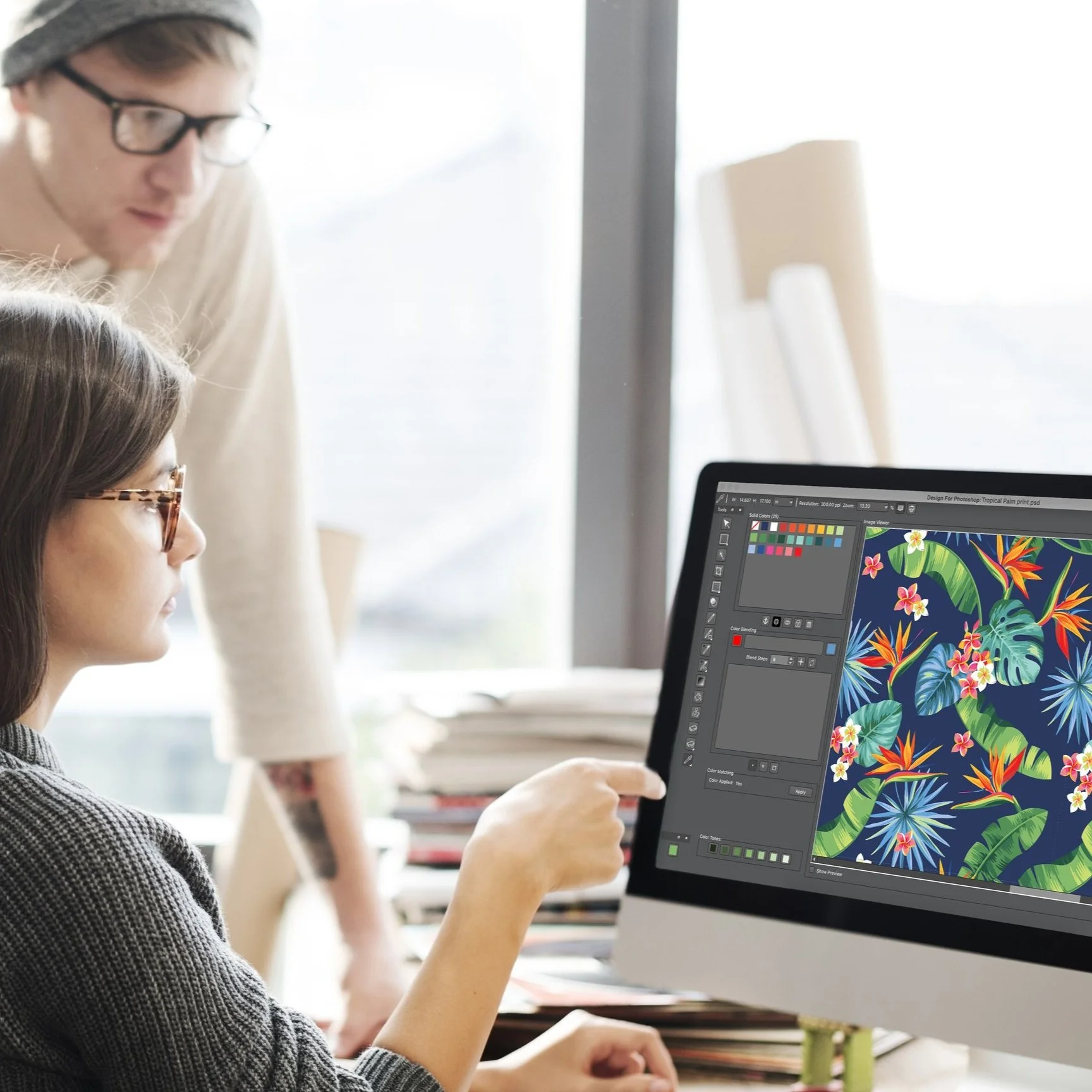
CASE STUDY: Transforming Textile Design with NedGraphics for Adobe® - Work Smarter, Create Faster, and Communicate Better
For many textile and fashion designers, balancing creative expression with operational efficiency is a considerable challenge. Traditional design workflows are often plagued by repetitive manual tasks, siloed tools, and inefficient communication between designers and manufacturers. These issues result in extended timelines, costly errors, and wasted resources, particularly during sampling and production.

INSIGHTS: Leicester Made 2025: Why Onshoring Works for People Planet and Profit
What stood out most from this panel wasn’t just the insight, it was the alignment. Everyone agreed that UK manufacturing isn’t just viable, it’s vital. But if we want to scale it, we need more than goodwill. We need infrastructure, investment, and a change in mindset from the top down.
Legislation would help. Visibility would help. But the panel agreed we need to make the public care. We need to tell better stories. And as Nick said, we already have the ingredients. It’s time to bake the cake.

INSIGHTS: DTG & DTFilm Printing Made Simple: Everything You Need to Know with Epson Technology
DTG and DTFilm each have their strengths, but the best part? You don’t have to choose between them. Epson’s SureColor F1000 and F2200 printers let you seamlessly switch between DTG and DTFilm, so you can take on a wider range of jobs and expand your product offerings without extra equipment or complicated setups.
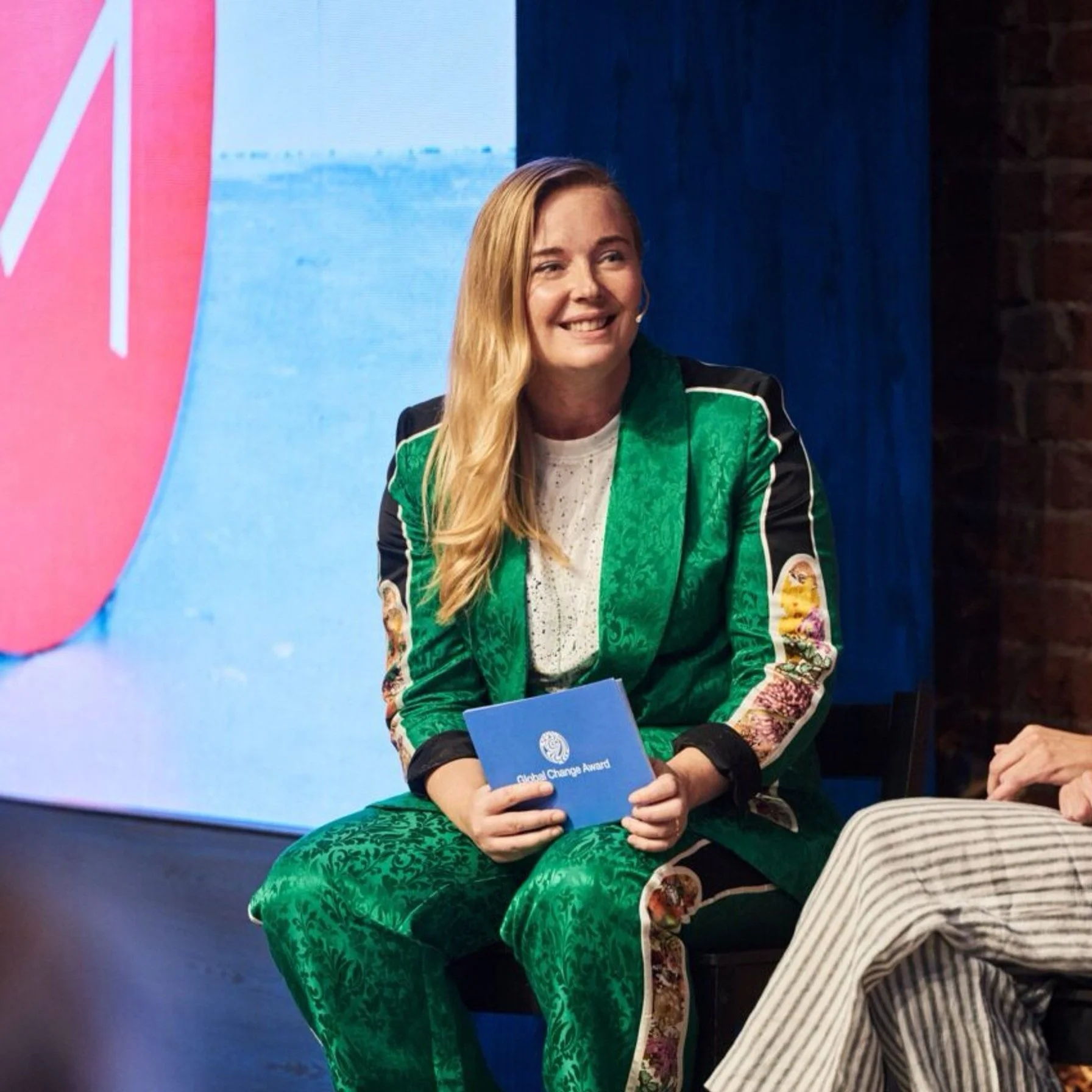
H&M GLOBAL CHANGE AWARD 2025: This year’s winners are not just solving problems; they’re rethinking the systems behind them
Each winner receives a €200,000 grant and joins the year long GCA Changemaker Programme, delivered by H&M Foundation with strategic partners Accenture and KTH Royal Institute of Technology. The programme supports winners with innovation coaching, systems thinking tools and leadership development to help bring their ideas closer to real-world impact.

NOTES FROM THE USA : Kornit Konnections in Miami gathers the Apparel Industry to Disrupt the Future of Fashion
As Kornit’s customer base has grown, so has the value of a formalized user group. With the establishment of Kornit Konnections three years ago, the event has grown year over year, attracting 250 attendees for its Miami event at the end of April.
Sustainability was woven into discussions throughout the event, since it is a key concern for the textiles industry, and one Kornit and other manufacturers of digital equipment and services are working to address. Digital textile printing, of course, addresses many of the environmental issues associated with analog technologies by reducing waste, water usage, pollution, energy usage and more associated with traditional analog means of fabric printing and dyeing. Cary Sherburne provide highlights from the event in this guest article..” WhatTheyThink

How Robotic Sewing is Transforming the Fashion Industry: We interview Michael Mayr of Silana
At Silana, the company co-founded by Michael Mayr, they have taken on an ambitious mission to revolutionise garment production with advanced robotics.
Their goal is both bold and necessary—to reimagine the way clothes are made while tackling long-standing challenges that have plagued the industry for decades. In our interview Michael shares his knowledge and insider insights (his family own one on the largest apparel retailers in Europe).
Michael is determined to change the landscape of sewn manufacture, and with a degree in engineering and fashion in his DNA - he's perfectly placed to enable change by automating sewn production.

THE REPORT: THE TRANSITION TO A CIRCULAR FASHION AND TEXTILE INDUSTRY IS NO LONGER OPTIONAL
“The transition to a circular fashion and textile industry is no longer optional – it is a necessity to secure the future of both our environment and our economy. The Circular Manufacturing Report highlights a major shift towards circularity in the textile and apparel industry”

INDUSTRY INSIGHTS: Key Trends Unlocking Growth Opportunities in the Printed Personalised Apparel Industry
Limited Editions & Collaborations: Exclusive product launches and collaborations amplify demand while fostering brand loyalty.
Event-Specific Apparel: Merchandise for conferences, sports events, and festivals continues to see steady growth.
Global Markets Expansion: Regions like Asia-Pacific and Latin America represent significant opportunities for growth due to increased online shopping adoption.
Social Media-Driven Sales: TikTok and Instagram are critical platforms for marketing custom apparel, especially with their ability to showcase unique designs through visual storytelling….
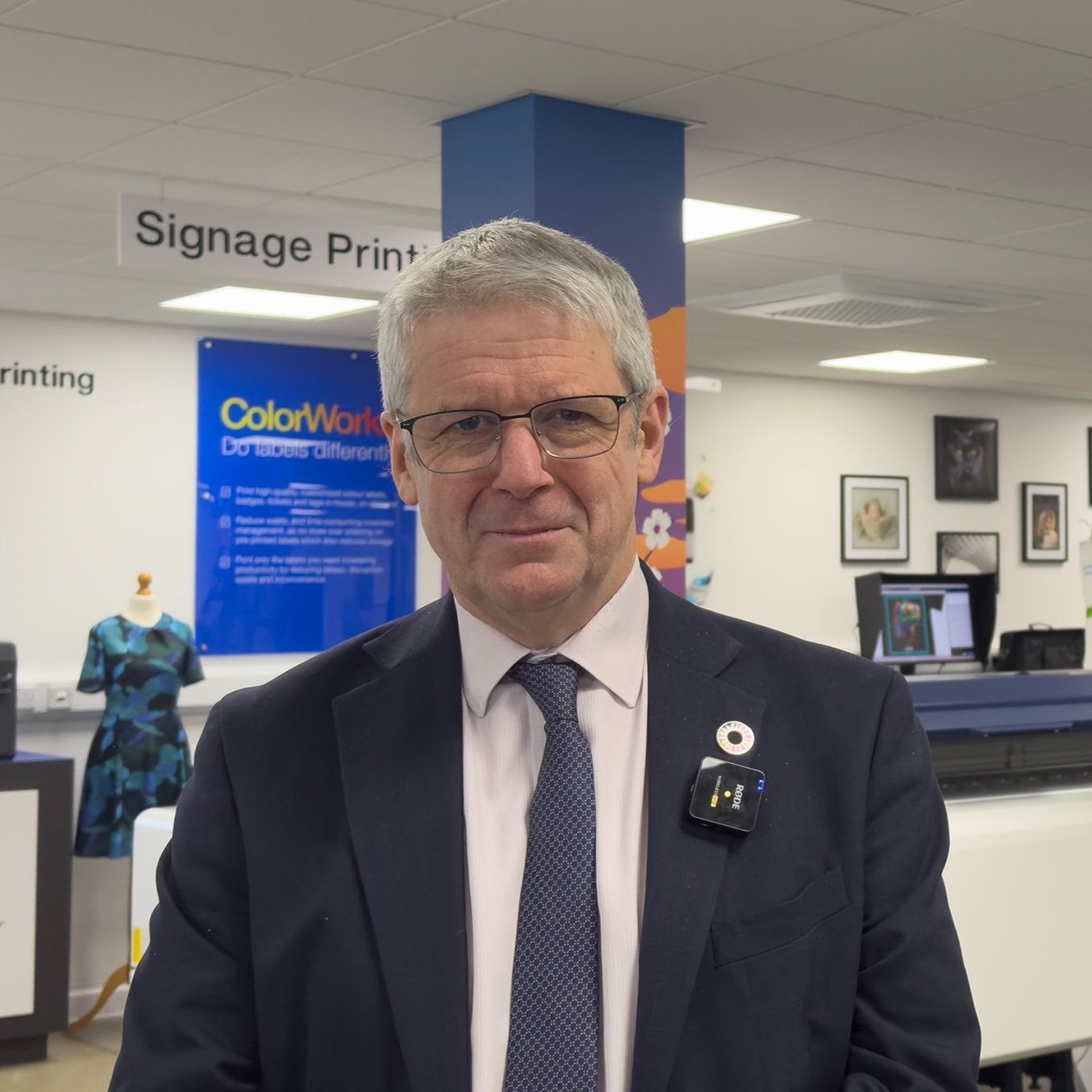
INSIGHTS: Duncan Ferguson of EPSON - The Printing Industry’s Future is being shaped by Technology, Sustainability, and Talent
“The global printing industry is at a pivotal moment of transformation, with digital technology, sustainability, and new generations of talent reshaping the landscape…”
To explore these exciting changes, we spoke with Duncan Ferguson, Vice President of Commercial and Industrial Printing at Epson, during a live Texintel interview.
Duncan shared invaluable insights into the challenges and opportunities the industry faces, as well as the role Epson is playing in this evolution.

How to Transform to Digital While Maximizing Screen Printing Profit - by Brendan Mangan of Kornit Digital
The Power of the Hybrid Model
“The smartest screen printers aren’t abandoning what they know—they’re evolving with a hybrid approach. By blending digital and screen printing, you get the best of both worlds: the efficiency and cost-effectiveness of screen for high-volume runs, and the flexibility and responsiveness of digital for everything else”.
“A hybrid workflow optimizes production capacity, reduces waste, and allows you to say “yes” to more opportunities—whether it’s a 10-piece custom order or a 10,000-piece campaign”. - Brendan Mangan, Business Director DTG EMEA at Kornit Digital
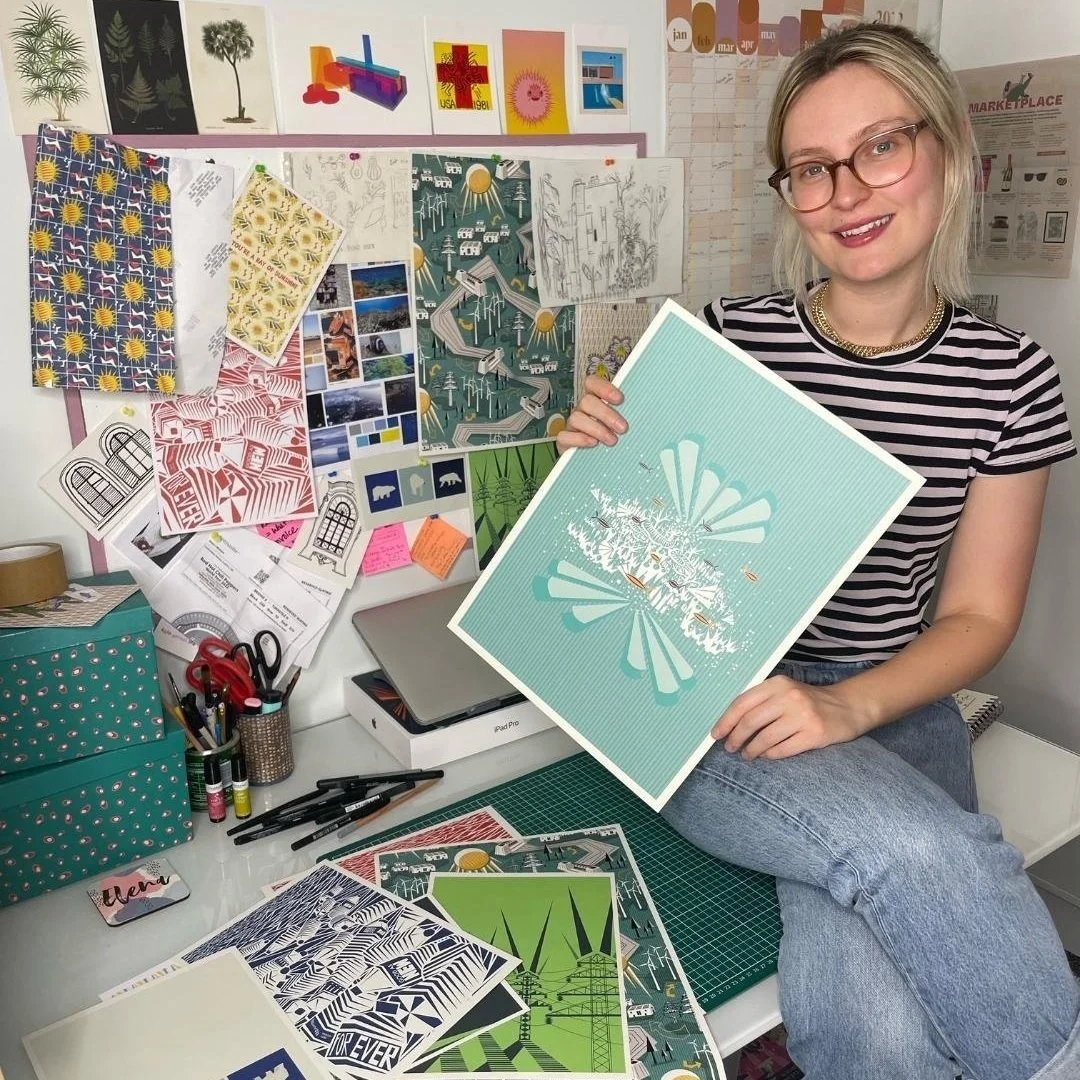
GREENGRADS: INNOVATORS, MAKERS, ACTIVISTS…Meet the ECO-CRAFTERS IN Battersea, London
*GREEN GRADS is a platform celebrating new graduates with ideas to heal the planet.
“Each of our Green Grads – and we now have 200 listed on our website – has their unique suggested way of dealing with the environmental challenges the world faces today. “Research by the British Retail Consortium shows that consumers/clients now put sustainability right at the top of their buying criteria.” Barbara Chandler

EARTH DAY: How Innovation is Creating a Sustainable Future for the Textile Industry, our Partners share their Insight
“On Earth Day, we reflect not only on the environmental challenges we face but also on the innovative ways the textile industry is rising to meet them. The textile sector, historically associated with high levels of resource consumption and waste, is undergoing a digital transformation. At the heart of this change? Digital textile printing, automation, and agile manufacturing practices. But how is the intersection of technology and sustainability shaping the future of the textile industry? We asked our peers and industry collaborators for their insights” Debbie McKeegan | CEO | Texintel
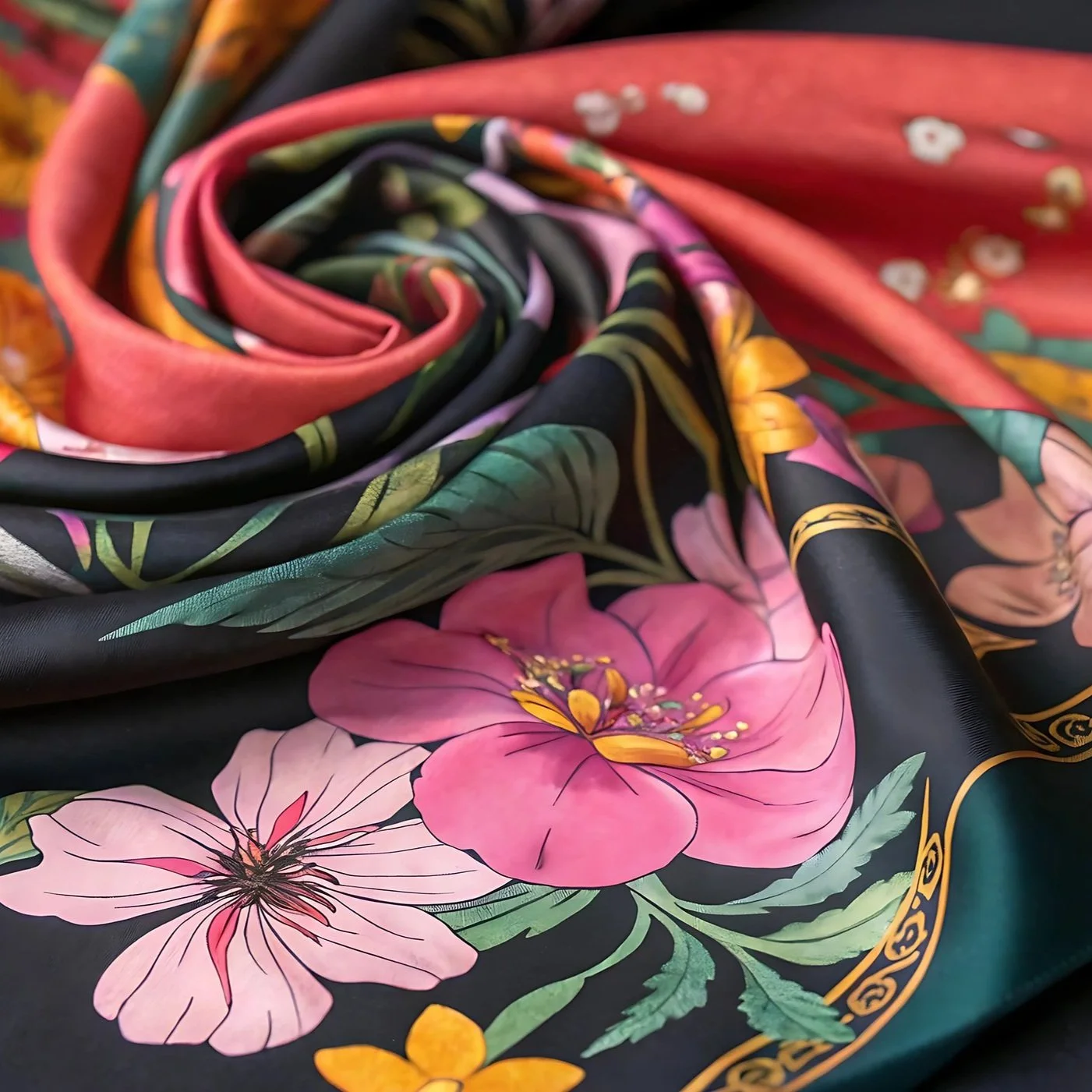
Has Digital Pigment Printing Fulfilled the Expectations of ITMA 2023 - Jos Notermans, The Note Consultancy B.V.
In the last couple of years, new pigment inks formulations have been introduced by major ink manufacturers, and this time it looks like the pigment application is here to stay!
“Supported by the sustainability push from major fashion and home textile brands, pigment ink improvements followed each other quickly and meanwhile the major drawbacks have been reduced to a level that commercial production printing with pigment inks has become feasible”. Jos Notermans, The Note Consultancy B.V.
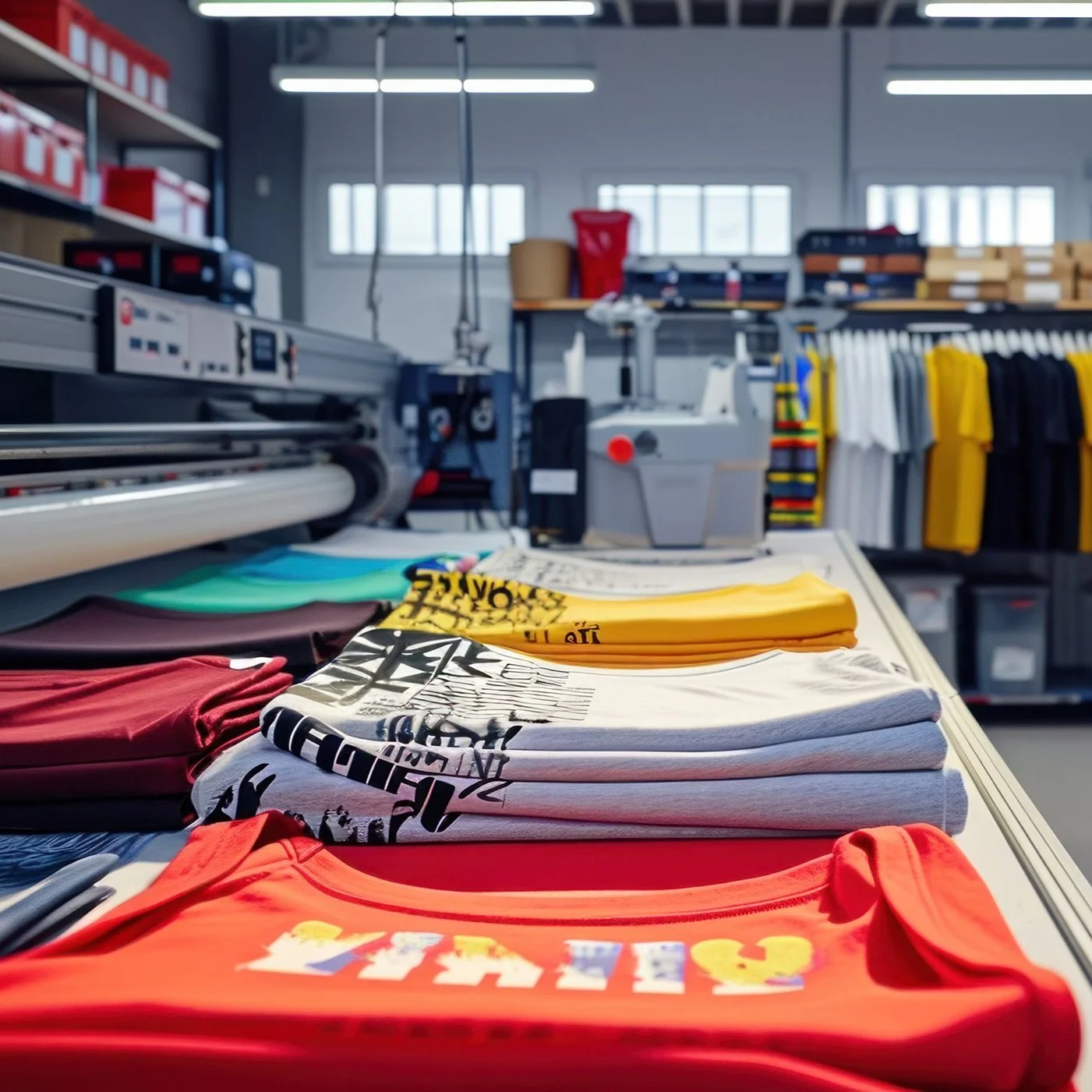
Driving Product Personalisation in Garment Decoration with Digital Printing Technologies
The consumer desire for personalisation is more than just a trend; it’s a seismic shift in shopping behaviour. A survey by Deloitte revealed that up to 50% of consumers are interested in purchasing personalised products or services.
For ecommerce brands, this represents an enormous opportunity to not only meet demand but to create premium offerings that justify higher price points and strengthen customer loyalty.

Democratising Design: How On-Demand Customisation is Transforming the Apparel Value Chain
The Changing Landscape of Fashion Design and Manufacturing: For decades, the apparel industry has relied on rigid supply chains and high-volume manufacturing to meet consumer demand. While this model delivered affordable fast-fashion, it came at a cost—overproduction, significant textile waste, and a lack of personalisation in what customers wear.
On-demand customisation offers a radically different approach. By leveraging digital design and printing technologies, brands can now create apparel tailored to individual tastes, produced only when needed.

AWARDING TALENT: Joanne O’Rourke Wins the Epson Eco Stories Textile Challenge and Trip to FESPA 2025
Supporting the Next Generation of Designers is Key to a Sustainable Print Industry:
The textile industry is undergoing rapid transformation, a transformation that is currently out pacing the transfer of knowledge. Sustainability, innovation, and digital proficiency have become non-negotiable for commercial success for all professionals in this space. A space in which the next generation of designers are uniquely positioned to drive change - making it essential to support and nurture their potential if we are to build a sustainable and thriving future for the print industry.

SHAPING THE FUTURE OF COLOUR MEASUREMENT: INSIGHTS FROM VIKTOR LAZZERI, COO OF BARBIERI ELECTRONIC
“Traditional visual checks have become archaic in an industry that demands precision and replicability. By utilising technologies such as spectrophotometers, we can shine a light, quite literally, on printed materials and collect spectral data to achieve exact colour measurement”. Viktor Lazzeri | Barbieri Electronic